
If your water smells weird, it could be caused by mineral buildup, bacterial growth, corrosion, or contamination. First, inspect your water source for discoloration or unusual odors. Test the water using simple kits and look for signs of decay or bacterial activity. Basic fixes like flushing lines or cleaning fixtures often help. If the smell persists or worsens, calling a water treatment expert can guarantee your water stays safe. Keep exploring to uncover how to fix the issue effectively.
Key Takeaways
- Identify the type of odor (rotten eggs, metallic, musty) to determine possible causes like sulfur or mineral buildup.
- Conduct visual inspections and smell tests directly from the tap to detect contamination or stagnation.
- Flush water lines and clean faucet aerators regularly to remove mineral deposits and improve water odor.
- Use water testing kits to check for bacteria, chemicals, or mineral levels causing the smell.
- Seek professional testing if odors persist, indicating potential bacterial growth, corrosion, or chemical issues.

Safe Home® DIY Bacteria in Water Test Kit – Results as Fast as 6 Hours – Detects 50 Different Species of Coliform Bacteria – EPA Lab Certified – Made in the USA – (1 Pack)
- Certified Accurate DIY Kit: Laboratory-certified accuracy, USA-made
- Detects 50 Bacteria Species: Includes E. coli, as low as 1 organism
- Patented Technology: Advanced detection of coliform bacteria
As an affiliate, we earn on qualifying purchases.
As an affiliate, we earn on qualifying purchases.
Why Does My Water Smell Weird? Common Causes Explained
If your water suddenly smells strange, it’s often due to specific factors that can be identified and addressed. One common cause is water discoloration caused by mineral deposits, such as iron or manganese, which can create a metallic or rotten odor. These mineral deposits build up over time in pipes or the water source, leading to unpleasant smells. Sometimes, stagnant water in your plumbing can also lead to a musty or sulfur-like smell. Additionally, natural mineral content in groundwater, like sulfur compounds, can cause a distinct odor even without visible discoloration. Understanding these causes helps you determine whether the issue stems from mineral buildup or natural water chemistry, guiding you toward appropriate solutions to eliminate the smell. Moreover, water quality maintenance plays a crucial role in preventing such issues, as regular testing and cleaning can keep your water fresh and odor-free. Proper water testing can identify contaminants early, allowing for timely intervention before odors become persistent. Regularly inspecting and cleaning plumbing fixtures can also reduce the likelihood of odor-causing buildup. Ensuring good plumbing system hygiene can further prevent the accumulation of substances that cause odors.

Sediment Gone™ Water Heater Sediment Removal Tool – Flushes, Cleans & Breaks Up Sediment Clogs in Electric or Gas Water Heaters – Easy DIY Water Heater Cleaning Tool
- Sediment Removal Tool: Flushes and breaks up sediment buildup
- Easy Installation: Threads onto drain valve with garden hose
- Active Sediment Agitation: Uses air bursts to loosen sediment during drain
As an affiliate, we earn on qualifying purchases.
As an affiliate, we earn on qualifying purchases.
How to Check Your Water Source for Contaminants or Decay
Wondering how to determine if your water source is contaminated or decaying? Start by inspecting your source directly. Here are key steps for decay detection and source contamination checks:
Inspect your water source for discoloration, odors, or buildup to detect contamination or decay early.
- Look for discoloration or cloudiness in the water.
- Check for any unusual buildup or slime around the source.
- Smell for musty, earthy, or rotten odors indicating decay.
- Observe the surrounding environment for signs of contamination, like nearby chemicals or waste.
- Consider using air and water quality testing kits to accurately identify pollutants or decay-related issues. Proper testing can also reveal chemical contamination that might not be visible or detectable by smell alone. Being aware of contaminant sources can help prevent health hazards associated with water quality issues. Additionally, understanding the vetted methods for detecting wave and wind influences can help identify external factors affecting water quality. Recognizing natural and man-made pollutants is crucial for comprehensive water safety assessments.
If you notice any of these signs, your water source may be compromised. These simple visual and sensory checks can help identify potential issues before testing. Accurate decay detection and source contamination assessments are essential for safe drinking water and troubleshooting odd smells.

SiliFine 1 Pcs 1.18" Neck Faucet Descaling Gadget, Silicone Limescale Remover for Faucets, Reusable Heart-shape Tap Cleaner Fits Most Kitchen & Bathroom
- Fits Most Standard Faucets: Accommodates 1.18-inch diameter spouts
- Easy 3-Step Cleaning: Fill, slip on, secure, and soak
- Effective Descaling Solution: Use vinegar for deep or mild cleaning
As an affiliate, we earn on qualifying purchases.
As an affiliate, we earn on qualifying purchases.
How to Test Your Water for Odors at Home

To test your water for odors at home, start by gathering the necessary testing supplies, such as a clean container and test strips. Next, follow the steps to conduct the odor test carefully, noting any unusual smells. Additionally, be aware of common sources of contamination that can cause odors in water, helping you identify potential issues more accurately. Conducting regular water quality assessments can help you catch problems early before they become serious. Finally, learn how to interpret your results accurately to determine if your water needs further action.
Gather Testing Supplies
Before you start testing your water for odors at home, gather the necessary supplies to guarantee accurate results. Here’s what you’ll need:
- Testing kits designed for odor detection
- Clean sampling containers to avoid contamination
- Gloves to keep samples uncontaminated
- A notepad for recording observations
Using proper testing kits ensures you accurately identify the type of odor, while clean sampling containers prevent skewed results. Gloves help maintain sample integrity, and recording observations makes it easier to track changes or patterns. Make sure all supplies are sterile and ready before you begin, so your testing process is smooth and reliable. Proper sample collection techniques are essential for accurate water testing, which can reveal the presence of contaminants causing odors. Additionally, understanding water quality factors can help interpret your test results more effectively. Familiarizing yourself with common water contaminants can also assist in pinpointing the source of unusual odors. Being aware of testing procedures can further improve the accuracy of your water analysis, especially when combined with proper sample handling techniques.
Conduct Odor Test
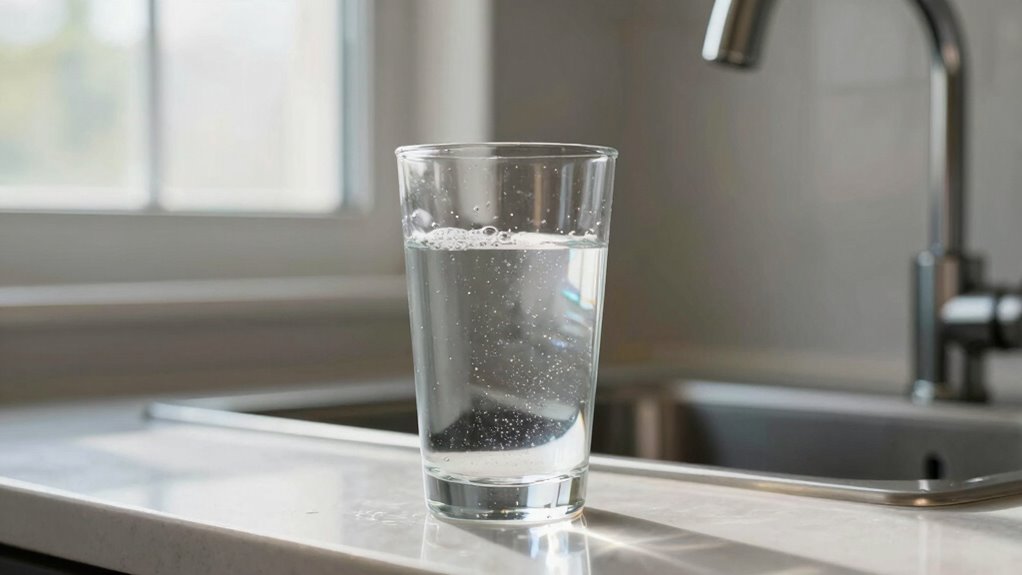
With your supplies ready, it’s time to perform the odor test. First, pour a glass of water and take a good sniff. Pay attention to any unusual smells like sulfur, rotten eggs, or chemicals. An odor test is a simple way to identify if your water has a noticeable scent that needs further investigation. For a more thorough water analysis, consider comparing smells from different sources or tap locations. If the odor is strong or persistent, record what it smells like and how intense it is. This information helps determine whether the issue is localized or broader. Remember, a quick odor test at home isn’t definitive but provides valuable clues about your water’s condition. Additionally, understanding Free Floating in water systems can help diagnose issues related to water quality and odor sources. Recognizing Contaminants and their effects can guide you in taking appropriate measures for water safety. Being aware of Microbial Growth can also indicate potential biological contamination contributing to odors. To better interpret your results, consider testing water pH as it often correlates with odor issues caused by certain bacteria or chemical reactions. Knowing about Water Treatment Methods can also help you address common odor problems effectively.
Interpret Results Properly
Understanding how to interpret your water odor test results is essential for identifying potential issues accurately. When analyzing, consider how water chemistry influences odor compounds. Here’s what to look for:
- Identify if the smell is consistent or varies over time, indicating source changes. Water chemistry can fluctuate due to various factors, affecting odor presence.
- Note the strength of the odor—faint or strong—helping gauge contamination levels.
- Detect specific odors, such as sulfur or rotten eggs, which point to particular odor compounds.
- Compare results against nearby water sources or previous tests to spot patterns or sudden changes.
- Recognize the importance of halal standards in water quality, especially if the water is used for food preparation or consumption.
Proper interpretation helps determine if your water’s smell stems from natural odor compounds or chemical issues. Accurate understanding guarantees you take appropriate action, whether it’s a simple filter or professional testing.

CFS Pleated Water Filter Cartridges for W34-PR, WVC34, R30, 4 Pack
- Package Includes: Set of 4 pleated water filter cartridges
- Compatibility: Fits W34-PR, WC34-PR, WVC34, R30
- Enhanced Filtration: Larger surface area for longer life
As an affiliate, we earn on qualifying purchases.
As an affiliate, we earn on qualifying purchases.
Signs of Bacterial Growth or Corrosion in Your Plumbing

If your water suddenly develops a strange smell or taste, it could be a sign of bacterial growth or corrosion inside your plumbing system. You might notice a musty odor or a metallic taste, indicating issues like biofilm buildup or pipe corrosion. These signs suggest that bacteria are thriving on the surfaces inside your pipes, creating foul smells and potentially affecting water quality. Additionally, corrosion can cause pipe degradation, releasing metals that alter water taste and smell. Keep an eye out for discolored water or sediment, which point to ongoing corrosion. Recognizing corrosion signs early can help prevent more serious plumbing issues down the line. Regular maintenance and monitoring can help detect biofilm buildup before it becomes a major problem, ensuring safe water. Addressing these signs early prevents further damage and maintains water safety.
Easy Fixes for Smelly Water: Flushing, Cleaning, and More
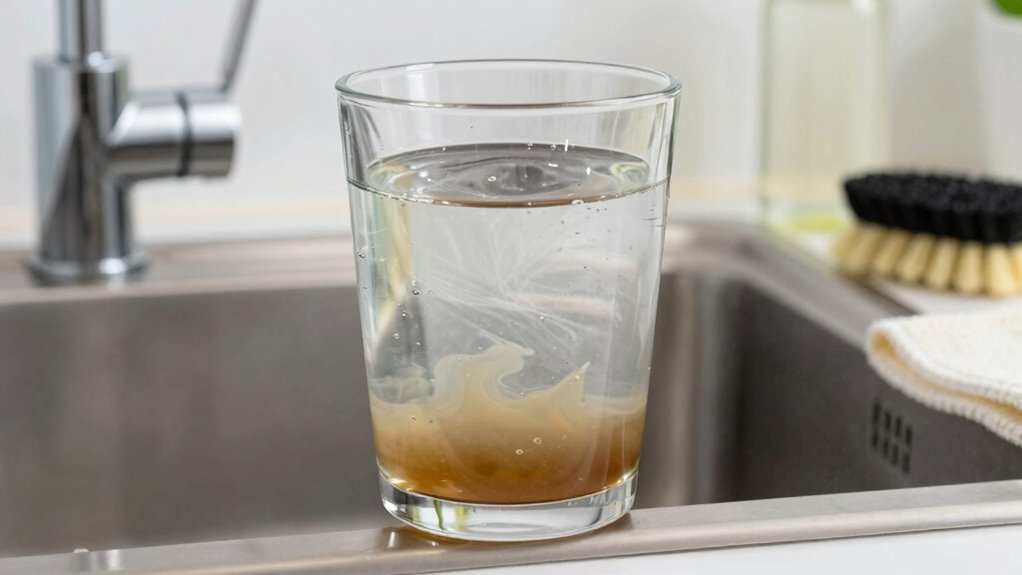
When your water smells strange, simple steps like flushing your pipes or cleaning faucet aerators can often eliminate the odor quickly. Start by flushing your water system to clear out any stagnant water. Next, clean faucet aerators to remove mineral buildup that can cause odors. You should also consider improving water filtration to remove contaminants that contribute to smells. Additionally, inspecting and maintaining your pipes can prevent buildup and corrosion. Here are some quick fixes:
Simple steps like flushing pipes and cleaning aerators can quickly eliminate water odors.
- Flush your water lines regularly
- Clean or replace faucet aerators
- Install or upgrade water filtration systems
- Schedule pipe maintenance to prevent odor-causing buildup
These easy fixes can make a significant difference. Proper pipe maintenance and water filtration keep your water fresh and odor-free.
When to Call a Water Treatment Expert for Help
Sometimes, despite your best efforts with DIY fixes, water still smells off or contains contaminants that pose health risks. If you notice persistent odors or strange tastes, it’s time to call a water treatment expert. Well water safety is vital, especially if you rely on a private well, as it may harbor bacteria, nitrates, or other pollutants. Similarly, municipal water issues can cause ongoing problems with odor and quality that require professional intervention. Don’t ignore persistent issues, as they could signal serious contamination or system failure. An expert can perform thorough testing and recommend appropriate treatment solutions, guaranteeing your water is safe to drink. When DIY efforts fail, seeking professional help is the best way to protect your health and ensure clean, fresh-tasting water.
Tips for Maintaining Fresh, Odor-Free Water at Home
Keeping your water fresh and odor-free requires regular maintenance and mindful habits. To guarantee quality, consider these steps:
- Install a reliable water filtration system to remove contaminants that cause odors.
- Regularly change filters to maintain effectiveness.
- Monitor and adjust pH levels to ensure proper pH balancing, preventing strange smells.
- Clean your water storage tanks and faucets periodically to prevent buildup and bacteria growth.
Frequently Asked Questions
Can Certain Household Chemicals Cause Water Odor Issues?
Yes, household chemicals can cause water odor issues. When you use strong cleaning agents, disinfectants, or even certain pesticides near your water source, their fumes or residues might seep into your water supply, leading to strange smells. Always store chemicals properly and avoid pouring them down drains or near wells. If your water develops an odd odor, consider whether recent chemical use could be the cause and take appropriate action.
How Does Plumbing Age Affect Water Smell Over Time?
As your plumbing ages, you might notice a strange smell in your water. Aging pipes develop mineral buildup, which creates a perfect environment for bacteria and odors to thrive. Over time, this buildup can release unpleasant smells, especially when water sits in the pipes. Keep an eye on your plumbing, because the longer it ages, the more likely mineral deposits are to cause that unexpected, off-putting odor in your water.
Are There Specific Types of Water Filters That Eliminate Odors?
Yes, certain water filters can effectively eliminate odors. Activated charcoal filters absorb organic compounds and chemicals that cause smells, making your water taste better. Reverse osmosis systems also remove odors by filtering out impurities at a microscopic level. Combining these filters offers an all-encompassing solution, ensuring your water smells fresh. Look for filters that include activated charcoal or are part of reverse osmosis systems to improve your water’s smell and quality.
Can Water Heater Problems Contribute to Strange Smells?
Yes, water heater problems can cause strange smells. If your water heater isn’t maintained properly, mineral buildup or bacteria can develop, leading to odor issues. Household chemical reactions inside the tank, especially with residual sediments, can also produce foul smells. Regular water heater maintenance helps prevent these issues. Flushing the tank and inspecting for corrosion or bacteria growth can restore your water’s smell and guarantee safe, clean water.
How Often Should I Test My Water for Quality and Odors?
Think of your water quality like tending a garden—regular attention keeps it healthy. You should test your water for quality and odors at least once every six months, especially if you notice any changes. Maintain an odor monitoring schedule to catch issues early. Water testing frequency varies based on your area’s water source and previous problems, so stay vigilant to guarantee your water remains safe and fresh.
Conclusion
Just like a garden needs careful tending to stay vibrant, your water demands regular attention to keep it fresh and clean. By staying vigilant and addressing odors promptly, you prevent small issues from turning into a storm. Think of your water as a mirror reflecting your home’s health—when it smells off, it’s a sign to act. With simple fixes and expert help when needed, you can guarantee your water remains clear, pure, and inviting.