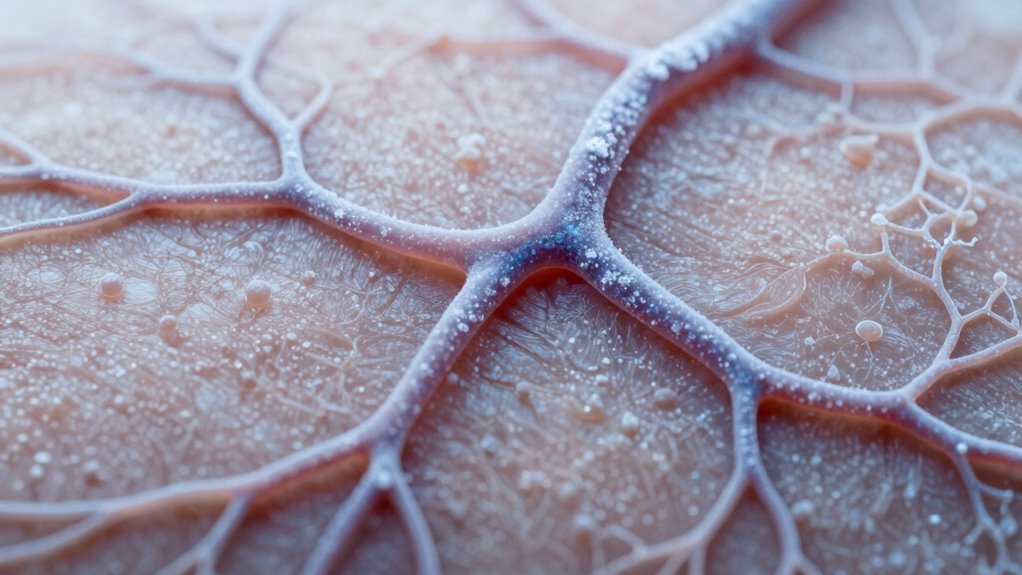

Cold causes your blood vessels to constrict, reducing blood flow to your extremities like fingers and toes. This narrowing, called vasoconstriction, helps preserve core body warmth but limits oxygen and nutrients reaching tiny microvessels. Reduced circulation can lead to numbness, stiffness, and a higher risk of tissue damage or frostbite if prolonged. Understanding how cold impacts microcirculation shows why keeping warm is key to protecting your tissues as you discover more secrets about your body’s response.
Key Takeaways
- Cold temperatures cause blood vessels to constrict (vasoconstriction), reducing blood flow to extremities.
- Vasoconstriction limits oxygen and nutrients reaching microvasculature, impairing tissue health.
- Prolonged cold exposure leads to ischemia, depriving tissues of oxygen and risking frostbite or necrosis.
- Reduced blood flow from vasoconstriction causes extremities to feel numb, stiff, or tingling.
- Maintaining warmth and avoiding prolonged cold exposure help preserve microcirculation and tissue vitality.
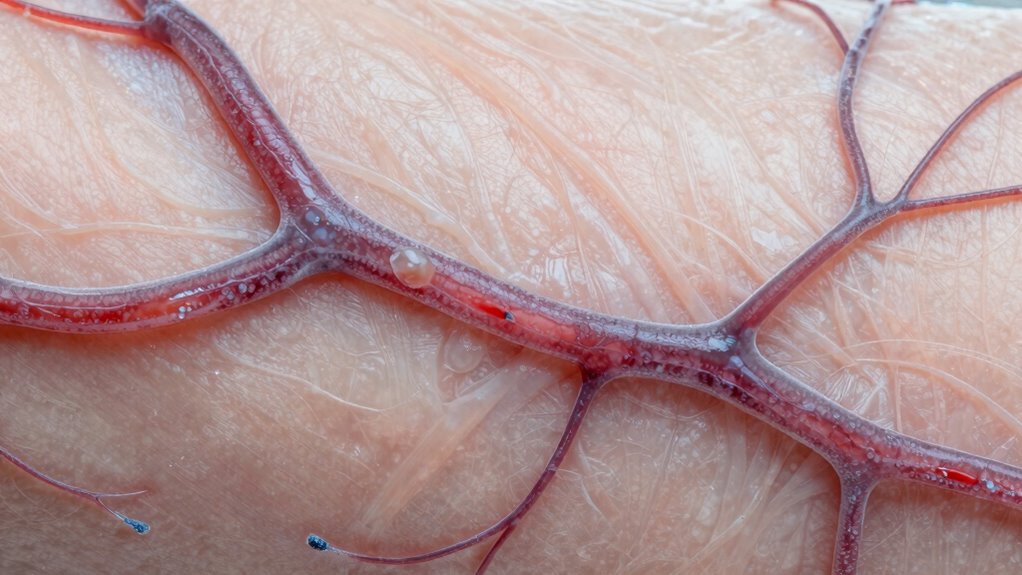
When the temperature drops, your body responds by constricting blood vessels to preserve core warmth, which can reduce blood flow to your extremities. This process, known as vasoconstriction, is a crucial survival mechanism that helps maintain your internal temperature but also leads to noticeable changes in circulation. As your blood vessels narrow, the vasoconstriction effects become more pronounced, limiting blood flow to your fingers, toes, nose, and ears. This reduced circulation can cause your extremities to feel cold, numb, or tingly. The primary goal is to preserve heat in your vital organs, but it comes at a cost—less oxygen and nutrients reach the microvasculature in your extremities, creating a state called cold induced ischemia.
Cold induced ischemia occurs when prolonged vasoconstriction deprives tissues of necessary blood supply, which can impair cellular function and tissue health if sustained. When blood flow diminishes excessively, cells start to suffer from oxygen deprivation and waste accumulation, increasing the risk of tissue damage. This is especially problematic in cold environments, where your body prioritizes core temperature at the expense of peripheral circulation. The microcirculation—the network of tiny blood vessels that deliver oxygen and nutrients to your tissues—is particularly vulnerable. Reduced microcirculation impairs your body’s ability to heal minor injuries, fight infections, and maintain tissue vitality. Over time, repeated or prolonged episodes of vasoconstriction can cause tissue damage, frostbite, or even necrosis if circulation isn’t restored quickly.
Understanding vasoconstriction effects helps you recognize why your extremities turn white or blue in cold weather and why they may feel stiff or numb. The narrowing of blood vessels limits blood flow, which is essential for delivering warmth but can create a paradoxical situation: the more your body constricts vessels to conserve heat, the more vulnerable your tissues become to cold injury. This tight regulation of blood flow is a double-edged sword. While it shields your core organs, it also reduces peripheral circulation, leading to cold-induced ischemia. The longer vasoconstriction persists, the more significant the microvascular compromise, increasing the risk of frostbite or other cold-related injuries.
In cold environments, your body’s attempt to maintain internal warmth can inadvertently lead to microvascular problems. Recognizing the signs of vasoconstriction and understanding its effects on microcirculation can help you take proactive steps to protect yourself. Wearing appropriate clothing, keeping extremities warm, and avoiding prolonged exposure to freezing temperatures are essential strategies. By doing so, you can minimize the vasoconstriction effects, prevent cold induced ischemia, and maintain healthier blood flow even in chilly conditions.
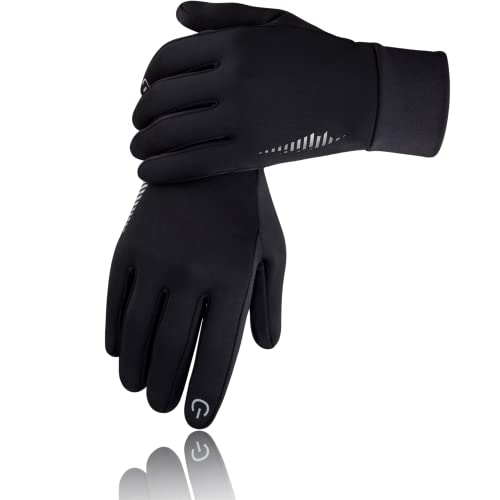
SIMARI Winter Gloves Women Men Ski Snow Gloves Liner Thermal Warm Touch Screen, Suit for Running, Cycling, Biking, Hiking, Driving, Walking, Typing, Freezer Work, Sports, Soccer, Shooting, Gaming 102
【Touch Screen Design】With the Unique and Sensitive touchscreen Fingers Capability, the SIMARI touch screen gloves are compatible with…
As an affiliate, we earn on qualifying purchases.
As an affiliate, we earn on qualifying purchases.
Frequently Asked Questions
How Quickly Does Cold Affect Blood Flow in Different Body Regions?
When exposed to cold, your blood flow decreases rapidly due to vasoconstriction, happening within seconds to minutes depending on the region. The vasoconstriction response varies with regional temperature variation, meaning your extremities like fingers and toes constrict faster than core areas. This quick response helps conserve heat, but it can also lead to numbness or frostbite if the cold persists.
Can Cold Exposure Permanently Damage Microcirculation?
Cold exposure can cause temporary vasoconstriction, but it typically doesn’t lead to permanent microcirculation damage if you’re healthy. However, repeated or prolonged cold-induced vasoconstriction may weaken microvascular resilience over time, increasing the risk of lasting issues. To protect your microcirculation, avoid extreme cold exposure and give your body time to recover, ensuring your microvascular system remains resilient and healthy.
How Does Cold Influence Blood Flow During Physical Activity?
Oh, the joys of cold during exercise—your body kicks into vasoconstriction mechanisms, squeezing blood vessels to conserve heat. This cold adaptation reduces blood flow to your muscles, making them work harder and fatigue faster. So, if you’re hoping to perform best in chilly weather, think again. Cold limits circulation, impairing oxygen delivery and waste removal—turning your workout into a battle against the elements and your own biology.
Are There Individual Differences in Blood Flow Response to Cold?
Yes, individual differences in blood flow response to cold exist due to genetic factors and age-related differences. You might notice that your response varies from others because of your genetic makeup, affecting how your microcirculation reacts. Additionally, as you age, your blood vessels may become less responsive, altering your blood flow during cold exposure. These factors influence how your body conserves heat and manages circulation in cold environments.
What Role Does Cold Play in Blood Clot Formation?
Cold promotes blood clot formation by triggering vasoconstriction mechanisms that narrow blood vessels, reducing blood flow. This constriction increases the likelihood of clotting pathway activation as blood becomes more viscous and stagnant. You might notice that exposure to cold environments can lead to faster clot formation, especially if injuries occur, because the body’s natural response to cold emphasizes blood vessel constriction, which can promote clotting.

AI Hand Warmers Rechargeable 2 Pack, 20Hrs Long Safe Heat, AI Smart Chips Electric Hand Warmers, Portable Pocket Heater, Gifts for Christmas, Outdoor, Golf, Hunting, Camping Accessories
2-in-1 Electric Hand Warmer – A set of 2 symmetrical hand warmers that can be combined into a…
As an affiliate, we earn on qualifying purchases.
As an affiliate, we earn on qualifying purchases.
Conclusion
So, when the cold whispers through your surroundings, it gently slows your blood flow, guiding your microcirculation into a quiet retreat. This natural pause isn’t a sign of weakness but a subtle dance to preserve your warmth and energy. Embrace these moments as a tender reminder that your body instinctively knows how to protect itself, even in the chill. Sometimes, a gentle pause is all you need to emerge stronger and more resilient.
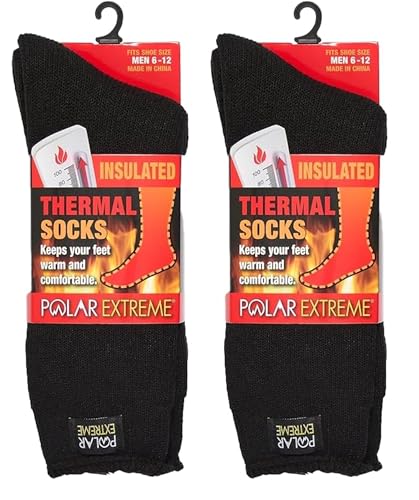
Polar Extreme Thermal Hiking Socks – Cushioned, Insulated, Warm para Boots, Men & Women, One Size Fits Most 6-12, 2-Pack
MATERIAL: 95% Acrylic / 4% Elastane / 1% Other — Premium Insulated Blend for Superior Warmth: Expertly crafted…
As an affiliate, we earn on qualifying purchases.
As an affiliate, we earn on qualifying purchases.

Vasectomy Underwear with 2 Ice Packs, Testicular Support & Pain Relief
VASECTOMY UNDERWEAR- Designed for Post-Surgery Relief and Comfort Specially engineered to help alleviate pain and swelling while promoting…
As an affiliate, we earn on qualifying purchases.
As an affiliate, we earn on qualifying purchases.