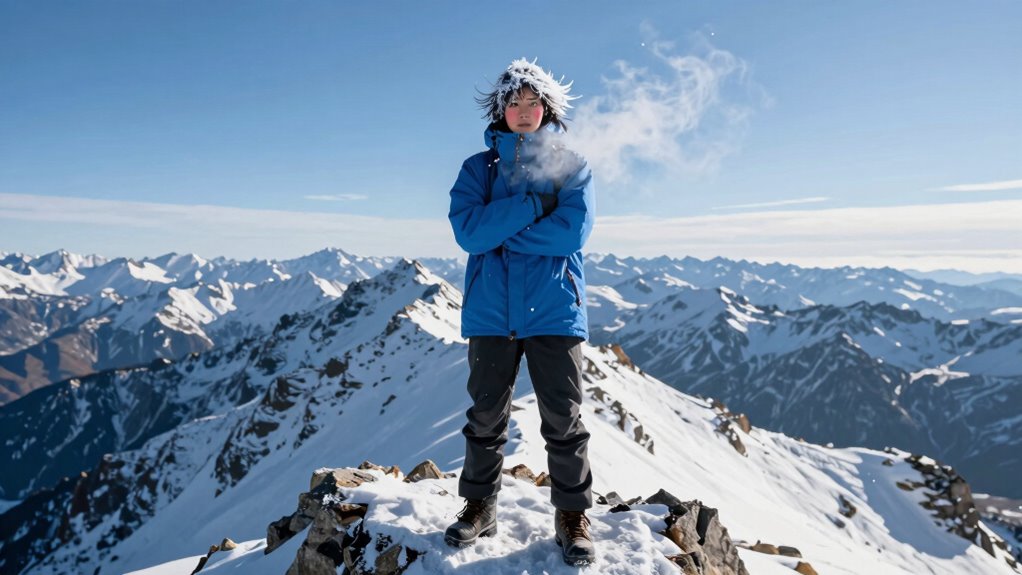

Cold exposure boosts your confidence by rewiring your mind and body to see discomfort as strength and growth. It challenges your limiting beliefs, prompting you to view fear as a challenge rather than a threat. Physiologically, it activates your fight-or-flight response, increasing resilience and alertness. Over time, this builds a mindset rooted in endurance and empowerment. Continuing this practice can open deeper insights into how discomfort can become your greatest asset.
Key Takeaways
- Cold exposure shifts mindset from fear to challenge, fostering resilience and reinforcing self-belief through overcoming discomfort.
- Physiological activation of the nervous system builds stress tolerance and signals capacity to handle adversity, boosting confidence.
- Neurotransmitter release during cold exposure enhances mood and alertness, associating discomfort with growth rather than failure.
- Consistent cold challenges provide tangible proof of resilience, reinforcing a resilient, empowered outlook over time.
- The process rewires emotional responses positively, promoting a mindset rooted in strength and confidence beyond cold exposure.
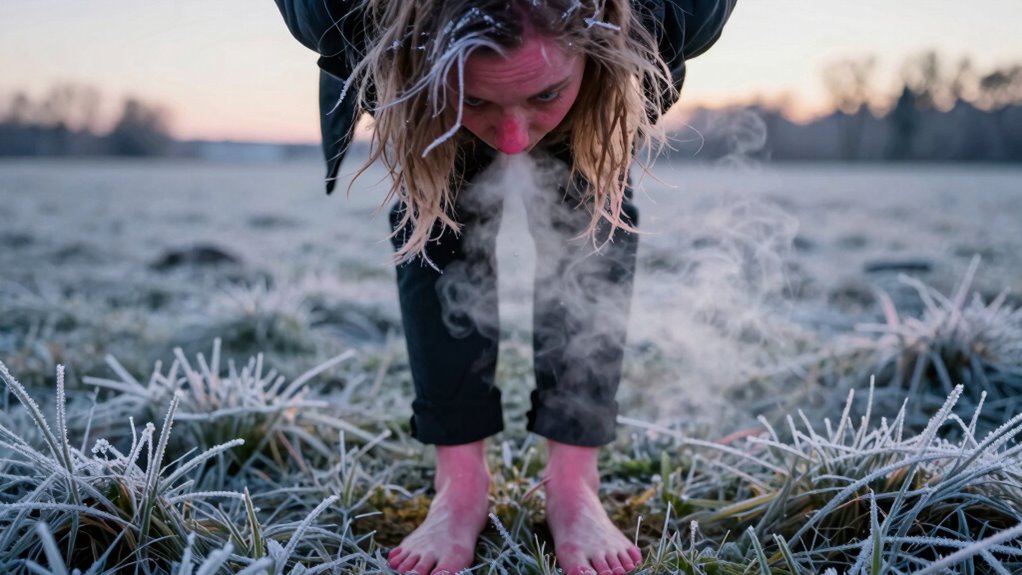
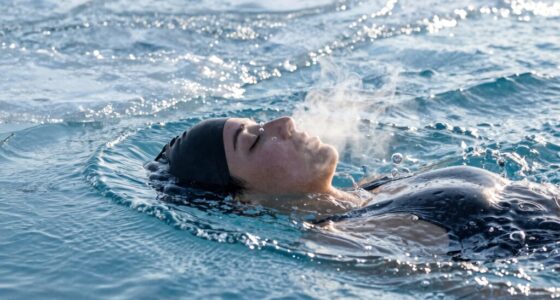
If you’re looking to boost your confidence, cold exposure might be a surprisingly effective strategy. When you intentionally expose yourself to cold temperatures—whether through cold showers, ice baths, or outdoor dips—you initiate a series of mindset shifts and physiological responses that can transform how you see yourself. At first, the thought of stepping into icy water might trigger fear or discomfort, but as you persist, you start to reframe that feeling. Instead of perceiving cold as a threat, you learn to see it as an opportunity for growth. This mental adjustment is a core aspect of mindset shifts, where you begin to challenge limiting beliefs and develop resilience. Recognizing that you can withstand discomfort and adapt to it boosts your confidence in your ability to face other challenges.
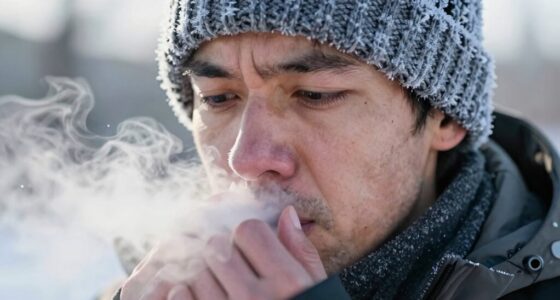
Physiologically, cold exposure prompts your body to respond in powerful ways. When you plunge into cold water, your sympathetic nervous system kicks into gear, activating the fight-or-flight response. This response causes your heart rate to increase, blood vessels to constrict, and your muscles to tense up. These reactions are your body’s way of protecting and preparing itself, but over time, they can also lead to a decrease in overall stress levels. As you repeatedly expose yourself to cold, your nervous system becomes more efficient at managing these responses, which can translate into feeling calmer and more in control in everyday situations. The sensation of overcoming a cold challenge sends a signal to your brain that you’re capable of handling adversity, reinforcing your self-belief and resilience. Projector contrast ratio is also a factor that can influence your overall confidence in creating a home cinema environment, as higher contrast ratios improve perceived image quality and immersion.
Moreover, cold exposure stimulates the release of neurotransmitters like norepinephrine, which enhances alertness and mood. This biochemical shift can make you feel more energized and positive—an immediate confidence boost. As you continue with cold exposure routines, you start to associate discomfort with personal growth rather than failure. The act of enduring cold becomes a tangible reminder that you’re capable of pushing through difficult moments, fostering a mindset rooted in strength and perseverance. Over time, these physiological responses and mindset shifts work synergistically, rewiring your emotional landscape. You become more accustomed to discomfort and uncertainty, which naturally elevates your confidence levels. This process isn’t instant, but with consistency, cold exposure can help you develop a resilient, empowered outlook—one that extends beyond the icy water into other areas of life.

XXL Ice Bath Tub for Athletes, Compatible with Water Chillers, 216-Gallon Inflatable Cold Plunge Tub with Insulated Lid, Thermometer, Water-Absorbent Mat, Portable for Outdoor & Indoor Recovery
COMPATIBLE WITH CHILLERS: With the AudaciaGo cold plunge tub, you can easily connect to a water chiller through...
As an affiliate, we earn on qualifying purchases.
Frequently Asked Questions
Can Cold Exposure Improve Mental Health Over the Long Term?
Yes, cold exposure can improve your mental health over the long term. It helps build mental resilience by challenging your comfort zone, making you more adaptable to stress. Additionally, it enhances emotional regulation, allowing you to manage your emotions better during difficult times. Regular cold exposure can boost your mood and reduce anxiety, fostering a stronger, more balanced mindset that benefits your overall mental well-being.
How Quickly Can I See Confidence Benefits From Cold Exposure?
You can start noticing confidence benefits from cold exposure within just a few sessions, often after a week or two. This quick shift occurs because cold exposure triggers a physiological response that boosts your mood and resilience, fostering a mindset shift. As your body adapts, you’ll feel more empowered and confident. Consistency is key; the more regularly you expose yourself, the faster you’ll see these positive psychological and physical effects.
Are There Any Risks for People With Anxiety or Depression?
Like Icarus flying too close to the sun, you should be cautious with cold exposure if you have anxiety or depression. It can pose mental health risks, as sudden cold shocks might trigger panic or worsen symptoms. Always consult a healthcare professional before trying extreme cold methods, especially if your mental health is a concern. Moderation and proper guidance help guarantee you gain benefits safely without risking your well-being.
Does Cold Exposure Impact Sleep Quality or Patterns?
Cold exposure can impact your sleep quality by causing sleep disruption and melatonin suppression. When you’re exposed to cold, your body works harder to maintain its core temperature, which may interfere with your sleep cycle. Additionally, cold exposure can reduce melatonin production, making it harder to fall asleep and stay asleep. To minimize these effects, consider timing your cold exposure earlier in the day and maintaining a warm, comfortable sleep environment.
How Does Cold Exposure Compare to Other Confidence-Boosting Methods?
Cold exposure often boosts confidence quickly by triggering a rush of adrenaline, unlike mindfulness practice or physical exercise, which build confidence gradually. While mindfulness enhances self-awareness and reduces anxiety, and exercise improves mood over time, cold exposure offers an immediate confidence lift through a sense of achievement and resilience. Combining these methods maximizes your confidence, with cold exposure providing instant boosts and mindfulness and exercise fostering long-term growth.

Wxtkkom New Upgrade XL 139-Gallon Oval Ice Bath Tub - 6 Layered Portable Bathtub, Drop-In Bathtubs Foldable with Cover Cold Plunge Tub for Athletes, Home Gym, Outdoor Recovery Use
【Upgraded 139-Gallon Capacity】:Spacious enough for full-body immersion, with dimensions of 46"L x 23"W x 23"H. This generous size...
As an affiliate, we earn on qualifying purchases.
Conclusion
Embracing the cold is like standing at the edge of a storm—you face the chill head-on and emerge stronger, braver, more alive. It’s in those icy moments that your confidence blooms like a phoenix rising from the ashes, fiery and unstoppable. So next time you shiver at the thought, remember: the cold isn’t your enemy, but a fierce ally forging resilience within you. Step into the frost and ignite your inner fire.

Upgrade XL Ice Bath Tub for Athletes, 119 Gallons Hot & Cold Plunge Tub with Cover for Recovery, Cold Water Therapy, Multiple Layered Portable Whirlpool Bathtubs for for Home, Gym & Outdoor
【Enhance Muscle Recovery】Ice baths present a natural, efficient method for expediting recovery following intense workouts or competitions. Our...
As an affiliate, we earn on qualifying purchases.

Bubplay Ice Bath Cold Plunge Tub with Cover for Indoor Outdoor for Recovery, Cold Water Therapy, Athletes & Adults -105 Gallons, Black, XL
【XL Full-Body Cold Plunge for Most Adults】 Designed for an immersive ice bath / cold plunge experience with...
As an affiliate, we earn on qualifying purchases.