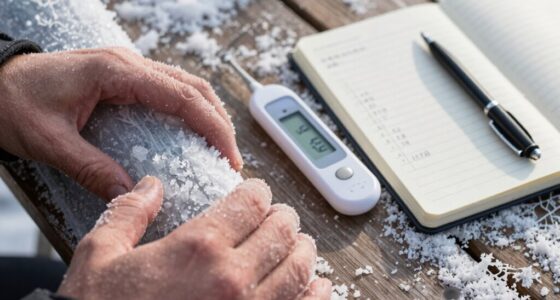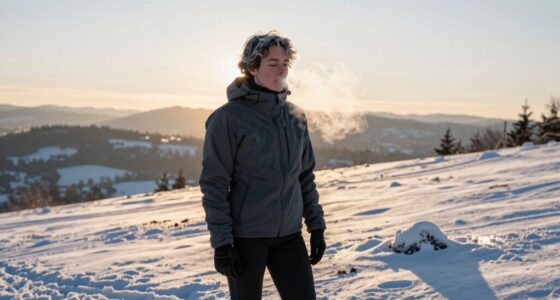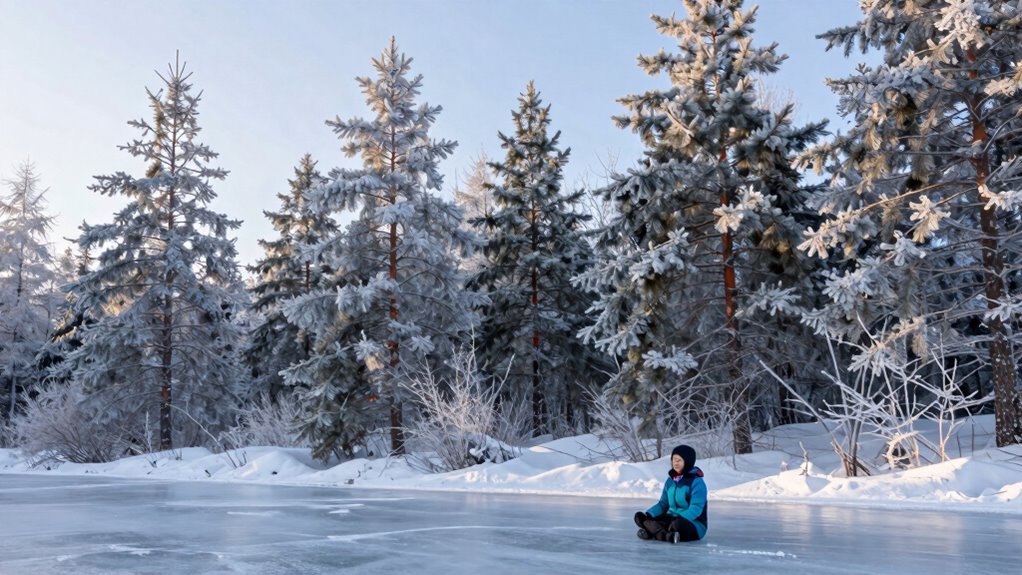

To think about “tolerance” in cold exposure differently, see it as a skill you develop rather than just enduring discomfort. Focus on mental resilience and physiological adaptation, which improve with practice. Instead of pushing through, gradually increase exposure to build confidence and reduce stress. Mindfulness and positive shifts in mindset can transform cold from a threat into a challenge you’re capable of managing. Keep exploring, and you’ll discover how this mindset can help you grow stronger and more resilient.

Get home appliances delivered free with Prime
- Fast, free delivery on millions of items
- Prime Video, Amazon Music and more included
- Member-only deals all year
Key Takeaways
- View cold exposure as a skill to develop through mental resilience and physiological adaptation, rather than simply enduring discomfort.
- Focus on gradual, mindful exposure to build confidence and reduce perceived pain or stress over time.
- Recognize that mental attitude and mindfulness influence how cold sensations are experienced and tolerated.
- Understand tolerance as an ongoing process of personal growth, combining mental strength and physical adaptation.
- Reframe “tolerance” as empowerment and resilience, emphasizing skill-building rather than mere endurance.
Cold exposure can be challenging, but building tolerance over time can make it more manageable. Instead of focusing solely on how cold the environment is or how long you can stay out there, think about the process as one of mental adaptation and enhancing your physiological resilience. Tolerance isn’t just about enduring the cold; it’s about training your mind and body to respond more effectively, reducing discomfort and stress with repeated exposure. When you approach cold exposure as a way to develop mental resilience, it shifts your mindset from avoidance to empowerment. You begin to see each session as an opportunity to strengthen your capacity to stay calm, focused, and composed in uncomfortable situations.
Your mind plays a crucial role in how you experience cold. By practicing mindfulness and maintaining a positive attitude, you teach yourself to stay present rather than panic or dwell on the discomfort. Mental adaptation involves consciously reframing your thoughts, recognizing that initial sensations of cold are temporary and manageable. Over time, this mental shift can decrease the perception of pain or stress, allowing you to tolerate colder conditions with greater ease. As you develop this mental resilience, your body responds more efficiently, and your physiological resilience improves. Your circulatory system adapts, and your body’s ability to conserve heat increases, making the cold feel less overwhelming. Understanding the importance of biodiversity in natural environments can motivate you to engage in cold exposure practices that are sustainable and respectful of ecosystems.
Rather than thinking of cold tolerance as a static trait, see it as a dynamic skill you cultivate through regular practice. Each exposure session becomes a step toward greater resilience. Gradually increasing exposure time or decreasing insulation isn’t about pushing yourself to a breaking point; it’s about trusting your body and mind to adapt. This approach reduces the risk of injury or extreme discomfort, making the process sustainable. Recognizing that adaptation involves both mental and physical processes helps to create a balanced approach to building cold tolerance. Additionally, understanding how your body’s thermal regulation mechanisms function can help you optimize your exposure strategies for better resilience. Incorporating mind-body connection techniques can further enhance your ability to manage cold stress effectively.
Ultimately, building tolerance in cold exposure isn’t about brute force or ignoring your limits. It’s about a mindful, gradual process that involves both your mind and body working together. Recognize that your capacity to withstand cold improves as your mental resilience grows stronger, and your physiology adapts to the new demands you place on it. Embracing this perspective turns cold exposure into a tool for personal growth, resilience, and confidence, rather than a challenging ordeal to endure.
cold exposure thermal regulation gear
As an affiliate, we earn on qualifying purchases.
As an affiliate, we earn on qualifying purchases.
Frequently Asked Questions
How Does Individual Genetics Influence Cold Tolerance?
Your genetics directly influence your cold tolerance through genetic predisposition, which affects how your body responds to cold exposure. Some people naturally develop better cold adaptation due to inherited traits, like increased brown fat or efficient blood flow. These genetic factors can make you more resilient to cold, but consistent exposure helps enhance your adaptation. Understanding your genetic makeup helps tailor your cold exposure practices safely and effectively.
Can Mental Training Improve Cold Exposure Resilience?
Absolutely, mental training can skyrocket your cold resilience. You can become a cold-conquering superhero by practicing mindfulness and breathing techniques. These methods help you stay calm, control your body’s response, and reduce the shock of cold exposure. Regularly engaging in mindfulness practices alongside breathing exercises builds mental toughness, enabling you to withstand colder temperatures longer. With dedication, your mind becomes a powerful tool to boost your cold tolerance beyond what you thought possible.
What Are the Risks of Pushing Beyond Your Tolerance?
Pushing beyond your tolerance can pose serious risks, including hypothermia, frostbite, and shock. Environmental factors like wind or wet clothing can worsen these dangers, while psychological barriers might tempt you to ignore warning signs. Ignoring your limits could impair your judgment, leading to dangerous decisions. Always listen to your body, set safe boundaries, and consider environmental conditions carefully to avoid severe health consequences when cold exposure challenges arise.
How Does Age Affect Cold Exposure Adaptability?
As you age, age-related decline can reduce your body’s ability to adapt to cold exposure. You might notice it takes longer to acclimate and recover from cold stress. To improve cold adaptation techniques, start gradually and listen to your body. Consistent exposure, combined with proper warm-up routines, helps maintain resilience. Always prioritize safety, especially as your tolerance decreases, and consult a healthcare professional if needed.
Are There Specific Signs Indicating When to Stop Cold Exposure?
You should stop cold exposure if you notice signs of hypothermia, like intense shivering, confusion, or numbness. Cold exposure monitoring helps you recognize these early symptoms and prevent danger. Pay attention to your body’s responses; if you feel excessively cold, disoriented, or develop pale or bluish skin, it’s time to end your session. Always prioritize safety and listen to your body’s signals during cold exposure.
cold weather mindfulness training tools
As an affiliate, we earn on qualifying purchases.
As an affiliate, we earn on qualifying purchases.
Conclusion
As you stand at the edge of the icy lake, remember that tolerance isn’t about conquering the cold, but about gently building your resilience, like the steady, warm glow of a lighthouse guiding ships through stormy waters. Each exposure is a brushstroke on your canvas of strength, shaping your inner landscape. Embrace the chill as a symbol of growth, knowing that with patience, you’ll forge a spirit as unyielding and radiant as the first light breaking through winter’s darkness.
cold tolerance training equipment
As an affiliate, we earn on qualifying purchases.
As an affiliate, we earn on qualifying purchases.
cold exposure recovery accessories
As an affiliate, we earn on qualifying purchases.
As an affiliate, we earn on qualifying purchases.
Columbus Day / Indigenous Peoples' Day Picks
long weekend sales
As an affiliate, we earn on qualifying purchases.