

To safely incorporate cold exposure without making training harder, start gradually by exposing your body to colder conditions to build resilience over time. Wear proper clothing that wicks sweat and keeps you warm, and always warm up before heading outside. Listen to your body’s signals for signs of cold stress, and adjust your pace or stop if needed. By following these strategies, you’ll feel more comfortable and adapt better—discover more ways to optimize your cold training approach.
Key Takeaways
- Gradually introduce cold exposure during warm-up routines to build resilience without increasing overall training difficulty.
- Dress in proper layers to maintain core temperature and prevent cold stress during runs.
- Start with shorter, less intense cold runs and increase duration gradually over time.
- Monitor body signals carefully, and adjust intensity or stop if experiencing signs of cold stress.
- Incorporate indoor or warm environments for warm-up to prepare muscles before cold outdoor runs.

Running in cold weather can be invigorating, but it also poses unique challenges that you need to be prepared for. Cold exposure can put stress on your body, increasing the risk of injury if you’re not careful. To enjoy the benefits of running in lower temperatures without making your training harder, you need to focus on cold adaptation and injury prevention. By gradually exposing yourself to colder conditions, your body learns to handle the chill more efficiently, reducing the shock of sudden temperature drops. This process helps your muscles and respiratory system adapt, making cold runs feel less strenuous over time. It’s all about building resilience safely, so you don’t push yourself into fatigue or injury.
Layering is your best tool for cold adaptation and injury prevention. Start with moisture-wicking base layers that keep sweat away from your skin, preventing chills and reducing the risk of skin irritation. Add insulating layers to retain body heat, and top it off with a windproof, waterproof shell if necessary. Proper clothing allows you to maintain a consistent core temperature, which is essential for safe cold weather running. If you begin to feel cold or numb, it’s a sign to slow down or cut your run short before hypothermia or frostbite set in. Always listen to your body’s signals and dress accordingly. Proper clothing is crucial because it helps regulate your temperature and prevents cold-related injuries. Incorporating cold adaptation strategies gradually can also improve your overall resilience and comfort during winter runs. Additionally, understanding body signals can help you respond promptly to signs of cold stress, ensuring safer training sessions.
Warm-up routines are indispensable in this scenario—they prepare your muscles for the cold and help prevent injuries such as strains or pulls. Instead of rushing into your run, spend extra time doing dynamic stretches and light jogging indoors or in a warm space. This process not only facilitates cold adaptation but also enhances injury prevention. Once outside, start at a slower pace to gradually increase blood flow and body temperature. This approach minimizes the shock to your system and reduces the risk of muscle strains caused by cold muscles that are less flexible. Incorporating cold exposure gradually into your routine can also help your body learn to handle lower temperatures more effectively over time. Familiarity with cold conditions can improve your mental resilience and overall performance.

3 Pack Long Sleeve Shirts for Men – Quick Dry Moisture Wicking UV Sun Protection T-Shirts for Fishing Workout Athletic Gym
- Comfortable & Flexible Fit: Made from 4-way stretch polyester
- Quick-Drying & Lightweight: Moisture-wicking fabric keeps you dry
- UV Sun Protection: UPF 50+ shields against UVA and UVB
As an affiliate, we earn on qualifying purchases.
As an affiliate, we earn on qualifying purchases.
Frequently Asked Questions
Can Cold Exposure Improve Long-Term Running Performance?
Cold exposure can improve your long-term running performance by promoting cold adaptation and enhancing your body’s ability to regulate temperature. Incorporate thermogenic training, like cold showers or brief outdoor exposures, to boost your metabolism and recovery. Over time, this can lead to better endurance, reduced inflammation, and increased resilience against cold weather, making your runs more efficient and less taxing, without adding extra strain to your training routine.
What Are the Risks of Cold Exposure for Runners?
You might stumble upon cold exposure and think, “Is this safe?” Be aware of the risks like cold shock, which can cause rapid breathing or heart issues if you’re not careful, and frostbite, especially if you linger in freezing temps. Pushing too hard or ignoring your body’s signals can lead to injury. Always start gradually, monitor how you feel, and avoid prolonged exposure to minimize these dangers.
How Should Beginners Start Incorporating Cold Exposure Safely?
To start incorporating cold exposure safely, begin with cold showers to enjoy their benefits like improved circulation and mental clarity. Gradually lower the water temperature and limit your cold shower duration. When ready for an ice bath, prepare by filling a tub with cold water and ice, starting with short sessions. Always listen to your body and consult a professional if unsure, ensuring you gain benefits without risking overexposure.
Does Cold Exposure Affect Recovery After Runs?
Imagine stepping into a brisk breeze after a long run—cold exposure can indeed impact recovery. It promotes cold adaptation, helping your muscles reduce inflammation and soreness faster. This recovery enhancement aids in quicker healing, so you’re ready for your next run. However, if not timed right, it might temporarily slow blood flow. Use cold exposure wisely, ideally post-recovery, to maximize benefits without hindering muscle repair.
Are There Specific Cold Exposure Techniques for Different Climates?
Yes, you should tailor cold exposure techniques to your climate. In cold climates, gradually adapt with climate-specific strategies like layered clothing and shorter sessions to prevent shock. In milder regions, use cold immersion or showers post-run to boost recovery. Seasonal training strategies involve adjusting exposure duration and intensity, ensuring you benefit from cold without risking hypothermia or overtraining. Always listen to your body and modify techniques based on seasonal changes.

baleaf Women's Running Jacket Winter Lightweight Puffer Coat Purple Rose M
- Premium Cotton Fabric: Breathable, lightweight, insulating thermal fabric
- Flexible Movement: Stretch spandex sides and back for ease of movement
- Water-Resistant & Warm: Water-resistant fabric with stand collar for full protection
As an affiliate, we earn on qualifying purchases.
As an affiliate, we earn on qualifying purchases.
Conclusion
Think of cold exposure as adding a new brushstroke to your training masterpiece—carefully and intentionally. When you listen to your body and adapt your sessions, you can harness the benefits without letting the cold turn your routine into a frozen battlefield. Embrace the chill like a trusted partner, not an adversary, and it’ll help sharpen your edge rather than dull your progress. Stay smart, stay safe, and keep moving forward—your best run is still ahead.

33,000ft Men's Packable Rain Jacket Waterproof Raincoat with Hood
- Waterproof Level: 10,000mm H2O waterproof protection
- Seam-Sealed Construction: Full heat-sealed for waterproofing
- Water-Resistant Zippers: All outside zippers are water resistant
As an affiliate, we earn on qualifying purchases.
As an affiliate, we earn on qualifying purchases.
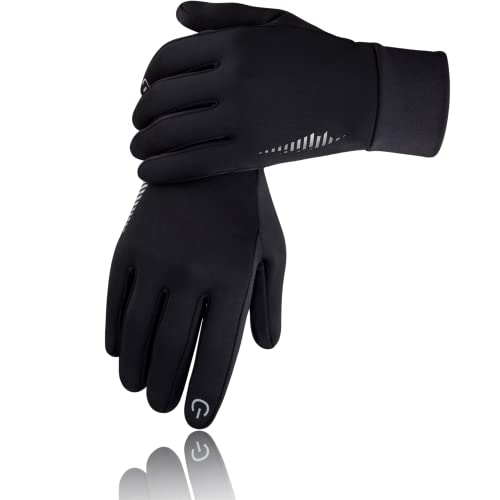
SIMARI Winter Gloves Women Men Ski Snow Gloves Liner Thermal Warm Touch Screen, Suit for Running, Cycling, Biking, Hiking, Driving, Walking, Typing, Freezer Work, Sports, Soccer, Shooting, Gaming 102
- Touch Screen Compatibility: Compatible with smartphones and tablets
- Warm and Comfortable: Made of polyester, spandex, with fleece lining
- Enhanced Grip and Safety: Silicone grip on palms and reflective patterns
As an affiliate, we earn on qualifying purchases.
As an affiliate, we earn on qualifying purchases.