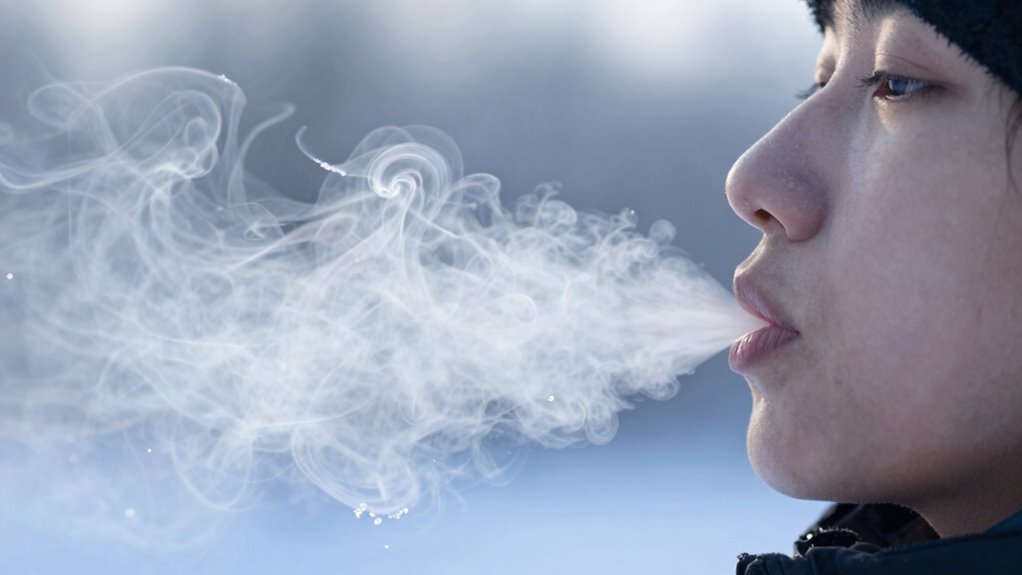
When cold water hits your skin, your body reacts instantly by forcing rapid, deep breaths to protect essential functions and regulate your internal temperature. This response is controlled by your nervous system, which triggers a gasp reflex, increases breathing rate, and causes vasoconstriction to conserve heat. These automatic reactions help you stay alive in cold conditions. If you want to understand the detailed processes behind this sudden response, keep exploring the science involved.
Key Takeaways
- Cold water triggers a rapid gasp reflex to quickly intake oxygen and stabilize internal temperature.
- Vasoconstriction from cold exposure prompts increased breathing to maintain core heat.
- Activation of the sympathetic nervous system causes a fight-or-flight response, including rapid breathing.
- Sudden cold stimuli stimulate the body’s stress response, accelerating respiratory rate for survival.
- Hyperventilation helps produce internal heat and supports metabolic processes during cold exposure.
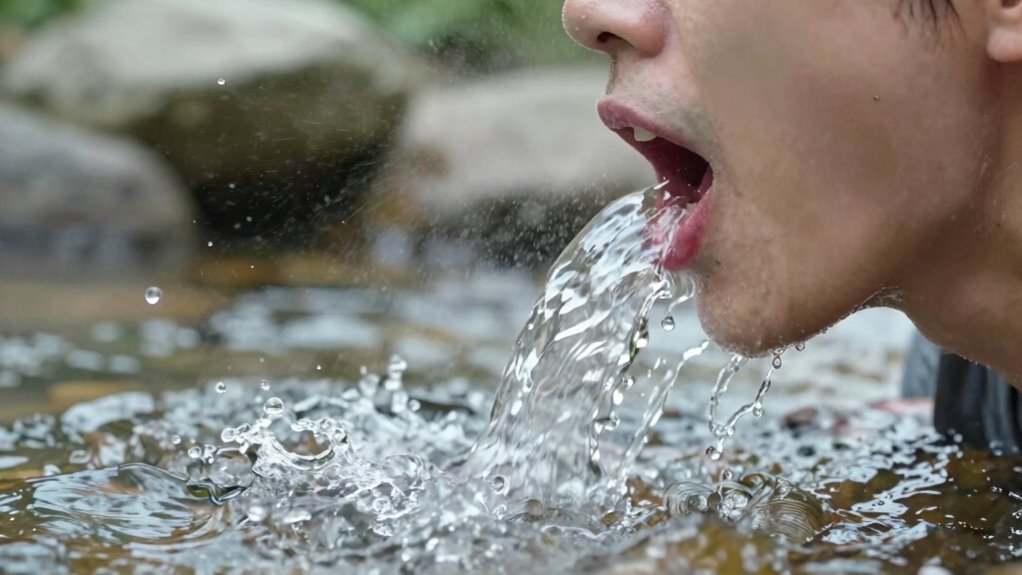
When cold water hits your skin or enters your body, it triggers an immediate and powerful response in your respiratory system. You might notice yourself gasping or taking quick, deep breaths—this is your body’s way of reacting to the sudden temperature change. Cold water prompts a rapid activation of the body’s defense mechanisms, especially those involved in thermal regulation and hydration effects. Your body perceives the cold as a threat to its internal temperature, prompting a swift reflex to protect vital organs and maintain stability.
Cold water triggers rapid breathing and body defenses to protect internal temperature and maintain stability.
The moment cold water contacts your skin, your body’s natural response is to try and preserve heat by constricting blood vessels near the surface of your skin. This vasoconstriction helps reduce heat loss but also impacts how your respiratory system reacts. When your core temperature drops slightly due to the cold, your brain signals your lungs to increase ventilation. This results in rapid, shallow breaths as your body attempts to generate warmth and stabilize internal temperature. This reflexive hyperventilation explains why you feel so out of breath after immersing yourself in cold water.
Your body’s focus on thermal regulation is tightly linked to your breathing response. Cold water challenges your body’s ability to keep your temperature steady, which is why your breathing rate accelerates so quickly. The increased breathing helps generate heat internally through faster oxygen intake and supports the activation of your metabolic processes. This response is an automatic effort to balance the body’s hydration effects—since cold water can temporarily dehydrate tissues by pulling water away from cells—and to maintain homeostasis. Additionally, your body’s metabolic response is activated to produce heat more efficiently during cold exposure, further influencing your breathing rate. Moreover, this rapid response can also be influenced by individual differences in nervous system sensitivity and adaptation to cold.
Furthermore, your respiratory system’s swift response is also influenced by the shock of sudden cold exposure. The shock triggers a cascade of nervous system reactions, including the activation of the sympathetic nervous system, which prepares your body for ‘fight or flight.’ This activation causes your breathing to speed up, along with other physiological changes like increased heart rate and heightened alertness. Your body perceives the cold as a stressor, and rapid breathing is part of its immediate strategy to cope with it.
In addition, thermal regulation is a crucial process that directly influences how quickly your breathing reacts to cold stimuli. In essence, the reason cold water hits your breathing so fast lies in your body’s instinctive effort to protect and regulate itself. By accelerating your breathing, your body is working to counteract the cooling effects, maintain hydration balance, and stabilize your core temperature. That quick gasp or shallow breathing isn’t just a reflex—it’s a vital part of your body’s complex response to sudden cold exposure.

Mustang Neoprene Cold Water Immersion Suit w/Harness – Red – Adult Oversized
- Compliance with IMO/SOLAS standards: Meets IMO RES.MSC.207(81) standards
- Easy donning in stormy weather: Simple to put on in rough conditions
- Insulated five-finger gloves: Provides warmth and dexterity
As an affiliate, we earn on qualifying purchases.
As an affiliate, we earn on qualifying purchases.
Frequently Asked Questions
How Does Cold Water Affect Lung Capacity Temporarily?
Cold water temporarily decreases your lung capacity because it causes your lung elasticity to tighten, making it harder to breathe deeply. Your body triggers a respiratory reflex, leading to rapid, shallow breaths to conserve heat and oxygen. This reflex sharpens your breathing pattern, reducing total lung volume temporarily. Once you warm up, your lung elasticity and respiratory reflex return to normal, restoring your usual lung capacity.
Can Cold Water Immersion Improve Respiratory Health Long-Term?
Cold water immersion can potentially improve respiratory health long-term by strengthening your respiratory reflexes. The cold shock initially triggers rapid breathing, but over time, your body adapts, enhancing lung capacity and breathing efficiency. Regular exposure may condition your respiratory system to respond better during cold stress, reducing the intensity of the cold shock. However, always practice safely and consult a healthcare professional before starting cold water immersion routines.
Does Breathing Faster in Cold Water Increase Oxygen Intake?
Breathing faster in cold water can temporarily boost oxygen intake because your body reacts to the sudden temperature drop by activating your natural stress response. This rapid breathing, driven by temperature regulation needs and an increased heart rate, helps you quickly oxygenate your blood. However, it’s a short-term effect; sustained cold exposure may eventually improve your respiratory efficiency, but initially, your body’s main focus is on adapting to the cold.
Are Certain Individuals More Sensitive to Cold Water-Induced Breathing Changes?
Think of your body as a thermostat, and cold sensitivity as a dimmer switch. Some people have a more reactive Breathing response to cold water, making them more sensitive. This heightened response can be due to genetic factors or past experiences with cold. If you’re more sensitive, your breathing changes quicker and more intensely, showing how your unique physiology influences your Cold sensitivity and how your body reacts to sudden cold exposure.
What Role Does Adrenaline Play During Cold Water Exposure?
During cold water exposure, adrenaline triggers your body’s fight-or-flight response. This adrenaline response initiates a hormonal cascade, releasing stress hormones that cause your breathing to accelerate rapidly. You might feel your heart pounding and breaths becoming deeper as adrenaline prepares you to react to the cold. This hormonal surge sharpens your alertness and increases oxygen intake, helping you momentarily cope with the sudden shock of cold water.

YOTLAN Migraine Relief Cap with Water Circulation & Programmable Timer, Reusable Cold Therapy Head Wrap, USB Powered Portable Ice Mask for Tension, Stress & Migraines
- Continuous Cooling System: Maintains consistent cold temperature longer
- Full-Coverage Fit: Fits all head sizes with adjustable straps
- Targeted Migraine Relief: Covers forehead, temples, and eye area
As an affiliate, we earn on qualifying purchases.
As an affiliate, we earn on qualifying purchases.
Conclusion
Next time you splash cold water on your face, remember it’s like a lightning bolt to your senses, triggering an immediate response. Your body reacts swiftly, much like a reflexive jump, to protect itself from the shock. Just as a quick jolt can wake you up, cold water prompts your breathing to accelerate rapidly—keeping you alert and ready. Embrace that icy splash; it’s nature’s way of giving your body a swift wake-up call.

Hevto Men Wetsuits 3/2mm Neoprene Front Zip Full Wet Suit Keep Warm for Surfing Swimming SUP Snorkeling Diving (M2-Black, L)
- Insulating for Warmth: Keeps you warm in cold water
- Versatile Water Activities: Suitable for surfing, swimming, diving, and more
- Comfortable 3/2mm Neoprene: Provides flexibility and comfort in water
As an affiliate, we earn on qualifying purchases.
As an affiliate, we earn on qualifying purchases.
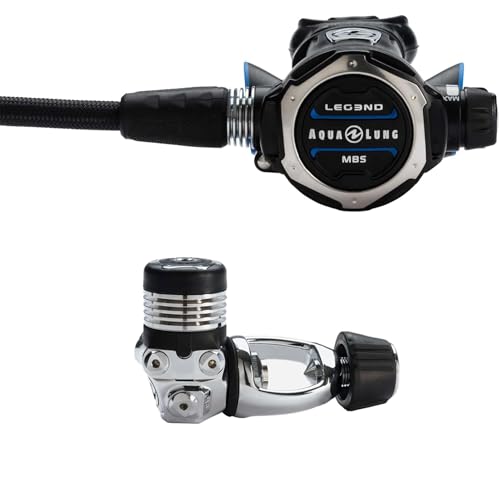
Aqualung Leg3nd MBS Dive Regulator | Cold Water Ready Scuba Diving Regulator w/Master Breathing System, Venturi & Inhalation Adjustment, ACD & Comfobite Mouthpiece, w/Yoke Connector
- Master Breathing System: Adjusts Venturi and inhalation effort
- Auto Closure Device: Protects inlet from debris and water
- Cold Water Resistance: Dry chamber and de-ice technology
As an affiliate, we earn on qualifying purchases.
As an affiliate, we earn on qualifying purchases.