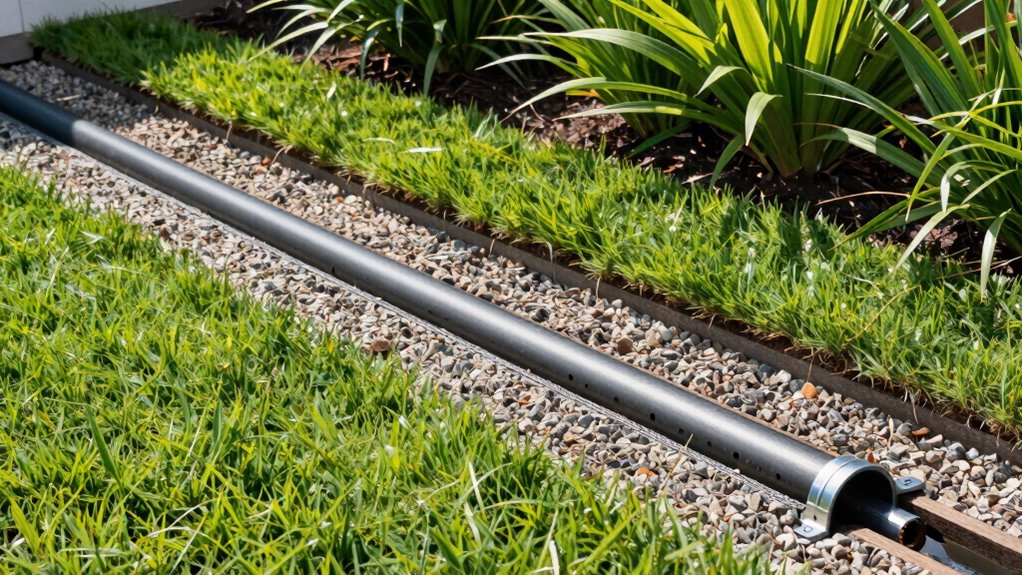

Proper drainage is essential because it protects your investment by preventing water pooling, erosion, and structural damage. It maintains soil stability and keeps your landscape healthy and attractive. Good drainage also controls stormwater, reduces pests, and lowers your repair costs in the long run. Without it, your project could face serious issues that compromise its success. Keep exploring to discover how proper drainage can make a real difference in your landscape or construction plans.

Get home appliances delivered free with Prime
- Fast, free delivery on millions of items
- Prime Video, Amazon Music and more included
- Member-only deals all year
Key Takeaways
- Proper drainage prevents water pooling, erosion, and structural damage, ensuring long-term project stability.
- It maintains soil integrity, reducing risks of soil saturation, shifting, and collapse.
- Effective drainage directs stormwater away, minimizing flooding and foundation issues.
- It protects landscape health by preventing pests, mold, and topsoil loss.
- Integrating drainage early enhances overall site resilience and reduces costly repairs.
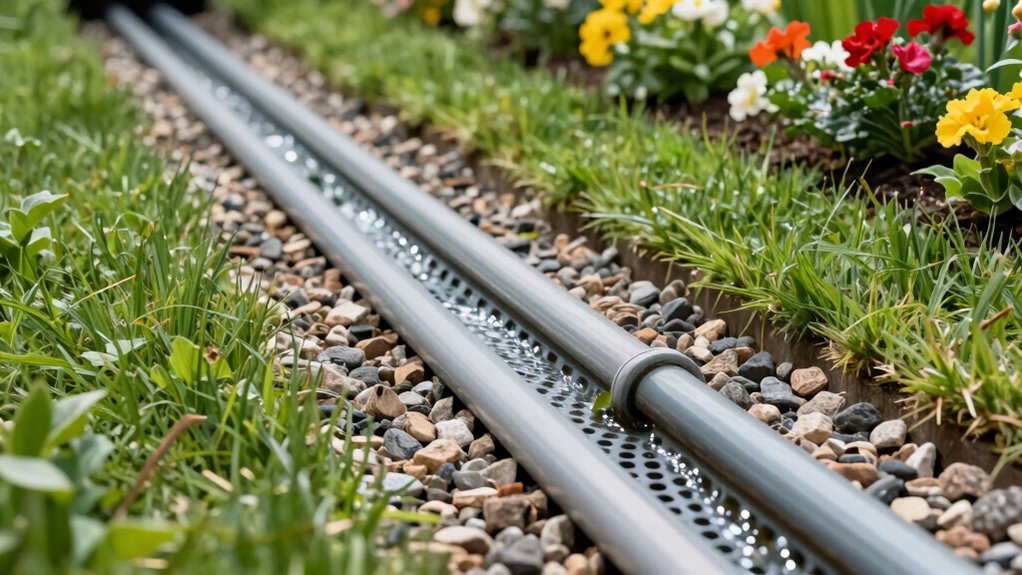
Have you ever considered how essential proper drainage is when setting up a new landscape or construction project? It might seem like a minor detail, but effective drainage is fundamental to long-term success. Without it, you risk facing serious issues like water pooling, erosion, and even structural damage. One of the core reasons drainage is so important is its role in stormwater management. Properly directing rainwater away from your property prevents excess water from pooling and flooding, which could otherwise compromise the integrity of your landscape and buildings. Good stormwater management involves designing a system that channels runoff efficiently, reducing the risk of unexpected water accumulation that can damage foundations, pathways, and landscaping. Proper drainage design is crucial, as it requires understanding how water moves across your site and implementing strategies to manage it effectively.
Proper drainage prevents water pooling, flooding, and protects your landscape’s long-term health.
Beyond managing stormwater, drainage directly impacts soil stability. When water isn’t properly directed away, it seeps into the soil, weakening its structure over time. Saturated soil becomes unstable, increasing the chances of shifting or collapsing, especially in areas with loose or clay-rich soil. By ensuring effective drainage, you help maintain soil integrity, which provides a stable base for planting beds, walkways, and foundations. This stability is indispensable for minimizing settlement and preventing future costly repairs. When water drains properly, it reduces erosion and prevents the loss of valuable topsoil, preserving the landscape’s overall health and appearance. Proper drainage solutions can also help you manage excess water in areas prone to flooding, further protecting your property. Additionally, understanding soil properties can help you tailor drainage solutions to your specific site conditions. Incorporating stormwater management practices early in your planning process can also enhance the overall resilience of your landscape against weather events. Recognizing the importance of site evaluation ensures that drainage systems are effectively integrated into your overall project design.
Designing a thorough drainage plan isn’t just about installing pipes or ditches; it’s about understanding how water moves across your site. You need to evaluate natural slopes, existing drainage patterns, and the types of soil present. When you prioritize drainage, you’re actively controlling water flow, reducing the likelihood of standing water that can lead to pests or mold growth. Additionally, good drainage protects your investment by prolonging the lifespan of your structures and landscaping features. It’s a proactive approach that saves you time and money in the long run, preventing issues before they start rather than fixing them afterward.
Incorporating effective stormwater management and ensuring soil stability through proper drainage setup shows foresight and planning. It’s the foundation for a healthy, resilient landscape or construction project. When you pay attention to these details early on, you set yourself up for success, avoiding headaches caused by water-related problems later. Proper drainage isn’t just a technical aspect; it’s a crucial part of creating a durable, sustainable, and functional environment that can withstand weather challenges and stand the test of time.
drainage pipe system for landscape
As an affiliate, we earn on qualifying purchases.
As an affiliate, we earn on qualifying purchases.
Frequently Asked Questions
How Deep Should Drainage Pipes Be Installed?
You should install drainage pipes at a depth that considers soil permeability, typically 18 to 24 inches deep for most applications. Proper pipe alignment ensures effective water flow, preventing clogging or back-up. If your soil has low permeability, go deeper to facilitate drainage. Always follow local codes and recommendations, and guarantee the pipes are laid with a slight slope to promote efficient water movement away from structures.
What Materials Are Best for Effective Drainage Systems?
Did you know that using permeable materials can reduce runoff by up to 90%? For effective drainage systems, you should select materials like drainage gravel and permeable pavers. Gravel offers excellent permeability and stability, while permeable materials allow water to flow through easily, preventing pooling. Combining these materials guarantees efficient water management, protects your property from flooding, and promotes healthier soil conditions.
How Often Should Drainage Systems Be Inspected?
You should inspect your drainage system at least twice a year, ideally in spring and fall, to prevent issues like soil erosion and water pooling. Regular checks help you spot clogs, leaks, or damage early, ensuring water flows properly. After heavy storms or extreme weather, inspect again to confirm everything remains functional. Consistent maintenance keeps your system effective, protecting your property from erosion and pooling problems.
Can Drainage Issues Cause Foundation Problems?
Yes, drainage issues can cause foundation problems. When water doesn’t drain properly, it leads to water infiltration around your foundation, which weakens the soil and compromises foundation stability. Over time, this can result in cracks, settling, or shifting. Proper drainage prevents excess water buildup, protecting your foundation and ensuring long-term structural integrity. Regular inspections and maintenance are essential to keep your drainage system functioning effectively.
What Are Common Signs of Poor Drainage?
You’ll notice signs of poor drainage like soil erosion around your foundation and water pooling in your yard after heavy rains. These issues indicate water isn’t flowing away properly, risking damage to your property. Look for muddy patches, uneven ground, or soggy areas, which all point to drainage problems. Addressing these early helps prevent foundation issues and maintains the stability of your landscape.
stormwater management drainage solutions
As an affiliate, we earn on qualifying purchases.
As an affiliate, we earn on qualifying purchases.
Conclusion
Think of drainage as the silent guardian of your setup, quietly guiding water away like a vigilant river guide steering its boat through twists and turns. When you prioritize good drainage, you’re building a fortress that keeps your space dry and healthy, preventing chaos from flooding or puddles. Without it, your project risks sinking in a sea of trouble. So, treat drainage like a trusted friend—essential, dependable, and always working behind the scenes to keep everything afloat.
As an affiliate, we earn on qualifying purchases.
As an affiliate, we earn on qualifying purchases.
NFL season / tailgating Picks
team gear
As an affiliate, we earn on qualifying purchases.