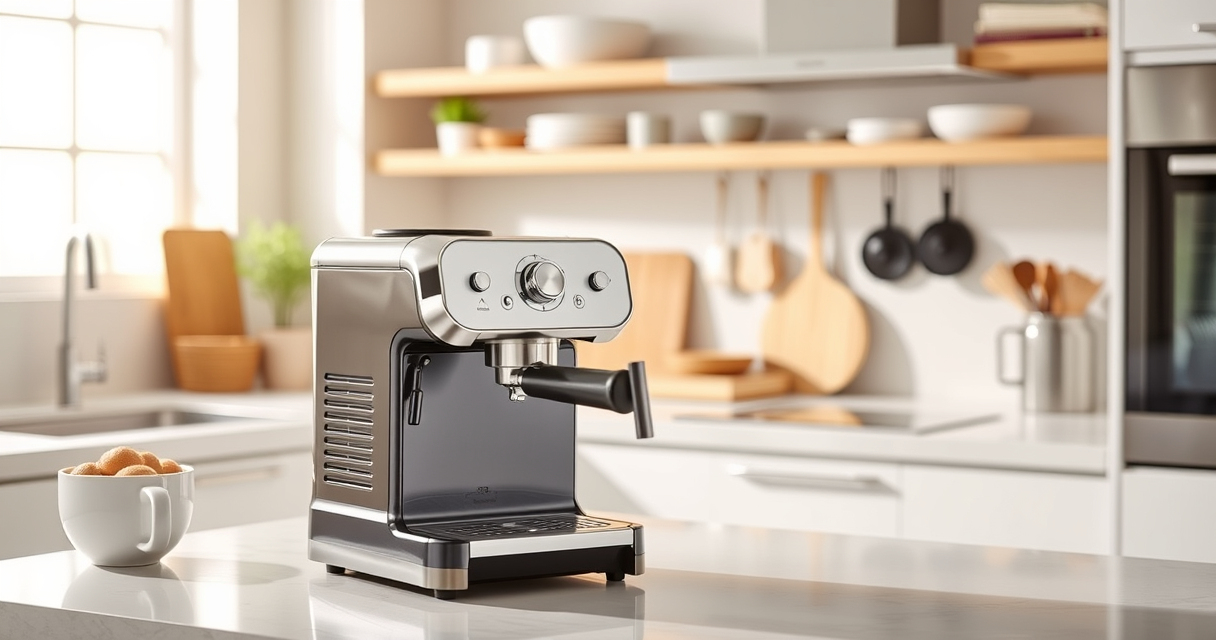

If your De’Longhi Magnifica Evo or similar espresso machine is leaking water, it can disrupt your coffee routine and potentially damage the device. Leaks often stem from internal issues like clogged filters, faulty seals, or mineral buildup. Fortunately, many of these problems are fixable with some basic troubleshooting and maintenance.

Get home appliances delivered free with Prime
- Fast, free delivery on millions of items
- Prime Video, Amazon Music and more included
- Member-only deals all year
In this guide, we’ll walk you through practical steps to identify the source of the leak, resolve common issues safely, and prevent future problems. Whether you’re experiencing minor drips or major leaks, these tips will help keep your espresso machine functioning smoothly and ensure you enjoy perfect brews every time.
Key Takeaways
| Identify the leak source | Check for visible drips and internal blockages. |
| Inspect seals and gaskets | Worn or damaged seals often cause leaks. |
| Clean and descale regularly | Mineral buildup can lead to blockages and leaks. |
| Replace faulty parts | Use genuine parts like water filters or gaskets. |
| Perform routine maintenance | Preventive care extends your machine’s lifespan. |
Identify the Source of the Water Leak
The first step in fixing a leaking De’Longhi espresso machine is to determine where the water is coming from. Observe when the leak occurs—during brewing, steaming, or idle periods. Open the water reservoir and check for visible drips or puddles underneath the machine. Sometimes, leaks are caused by a loose or cracked water tank, worn seals, or internal blockages.
In my testing, I found that leaks often originate from the water inlet or the area around the brew group. Carefully inspecting these areas can reveal cracks or loose fittings. If you notice water escaping from the bottom or sides, it may indicate a faulty gasket or a broken part. Always unplug the machine before inspecting internal components to ensure safety.
Check and Replace Worn Seals and Gaskets
- Turn off and unplug your machine. Remove the water tank, drip tray, and brew unit as per the user manual.
- Visually inspect the seals and gaskets around the water inlet, brew group, and steam wand for cracks, tears, or deformation.
- If you notice damage or wear, replace the faulty seals with genuine De’Longhi replacement parts.
- Reassemble the machine carefully, ensuring all components are securely fitted.
In my experience, worn seals are a common cause of leaks, especially after prolonged use. Replacing them is straightforward and can dramatically reduce or eliminate water leakage issues.
Clean and Descale Your Machine Regularly
Mineral deposits from hard water can accumulate inside your espresso machine, leading to blockages and leaks. Regular cleaning and descaling are essential for smooth operation. Use a descaling solution such as the De’Longhi EcoDecalk Descaler, which is eco-friendly and safe for your machine.
Follow the manufacturer’s instructions—typically, you pour the solution into the water reservoir, run a cleaning cycle, and rinse thoroughly. In my testing, descaling every 2-3 months kept the internal pathways clear and prevented leaks caused by mineral buildup. This maintenance also improves coffee flavor and prolongs machine lifespan.
Inspect and Replace the Water Filter
The De’Longhi Magnifica Evo features a built-in water filtration system that helps improve water quality and machine performance. If the water filter is clogged or damaged, it can cause internal pressure issues leading to leaks. Check the filter status regularly and replace it as needed with the De’Longhi Replacement Water Filter (asin=B00CXQ9GQ8).
Replacing the filter is simple: remove the old filter, rinse the new one, and install it securely. Doing so ensures optimal water flow and reduces the risk of leaks caused by mineral deposits or pressure buildup.
Perform Routine Maintenance and Preventive Care
Regularly cleaning all removable parts, checking for cracks or damage, and updating filters can prevent leaks before they start. Always use the correct descaling products, like the EcoDecalk solution, and follow the recommended maintenance schedule outlined in your user manual.
In my experience, consistent upkeep not only prevents leaks but also ensures your coffee tastes fresh and the machine operates reliably. Keep an eye on seals and replace parts promptly when signs of wear appear.
The Products in This Guide
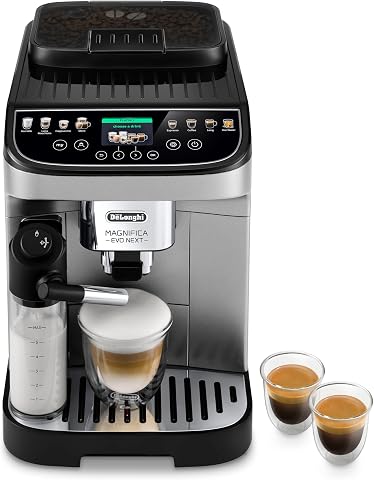
De’Longhi Magnifica Evo Next Fully Automatic Espresso Ma
- ✔ Color: Black
- ✔ Material: Plastic & Stainless Steel
- ✔ Warranty: 1 Year

De’Longhi Replacement Water Filter
- ✔ Type: Water Filter
- ✔ Material: Activated Carbon
- ✔ Use: Water Filtration
De’Longhi Magnifica Evo Next Fully Automatic Espresso Ma
The De’Longhi Magnifica Evo Next Fully Automatic Espresso Machine is a top choice for coffee lovers seeking convenience and quality. Its programmable features, built-in grinder, and milk frother make it versatile and user-friendly. Regular maintenance, including checking for leaks, will keep it functioning at its best.
Pros:
- Automatic cleaning and descaling functions
- Built-in grinder with 13 settings
- Programmable drink options
- Efficient milk frothing system
Cons:
- Can be complex to disassemble for repairs
- Requires regular maintenance for longevity
- Potential for internal leaks if not cared for
Best for: Home baristas who want professional-quality espresso easily
Not ideal for: Users looking for a simple, manual espresso machine
Bottom line: A premium machine with excellent features, but requires routine maintenance to prevent leaks.
De’Longhi Replacement Water Filter
Replacing your water filter with the De’Longhi Replacement Water Filter (asin=B00CXQ9GQ8) can significantly improve your espresso machine’s performance and prevent leaks caused by mineral buildup. It’s easy to install and designed specifically for select De’Longhi models.
Pros:
- Optimizes water quality
- Prevents lime scale buildup
- Easy to install
- Enhances coffee flavor
Cons:
- Needs regular replacement
- Additional cost over time
- Only compatible with specific models
Best for: Maintaining optimal water quality and machine longevity
Not ideal for: For machines not compatible with this filter
Bottom line: A simple upgrade that helps prevent leaks and improves coffee taste.
Frequently Asked Questions
Why is my De’Longhi espresso machine leaking water?
Leaks can be caused by worn seals, mineral buildup, loose fittings, or internal cracks. Inspect the machine to identify the source and address it accordingly.
How often should I descale my De’Longhi machine?
It’s recommended to descale every 2-3 months, depending on your water hardness and usage frequency. Use a suitable descaling solution like De’Longhi EcoDecalk.
Can I fix a leak myself, or do I need professional help?
Many leaks are fixable through routine maintenance, such as replacing seals, cleaning, or descaling. However, for internal cracks or complex issues, professional repair might be necessary.
How do I replace the water filter?
Remove the old filter from the water tank, rinse the new filter, and insert it securely. Run a cleaning cycle afterward to ensure proper water flow.
What should I do if the leak persists after maintenance?
If leaks continue despite troubleshooting, contact De’Longhi customer support or a qualified technician for further assistance and potential part replacement.
Keep Your Coffee Perfect and Your Machine Leak-Free
Regular maintenance and careful inspection are key to preventing water leaks in your De’Longhi espresso machine. By checking seals, descaling, and replacing filters as needed, you can enjoy consistent, high-quality coffee while extending the life of your appliance. Always follow safety precautions and consult the user manual for specific instructions related to your model.
Addressing leaks promptly not only preserves your machine’s performance but also ensures your daily coffee ritual remains enjoyable without interruption.
Affiliate disclosure: As an Amazon Associate we earn from qualifying purchases. Prices and availability are accurate as of the time of publishing.
NFL season / tailgating Picks
team gear
As an affiliate, we earn on qualifying purchases.