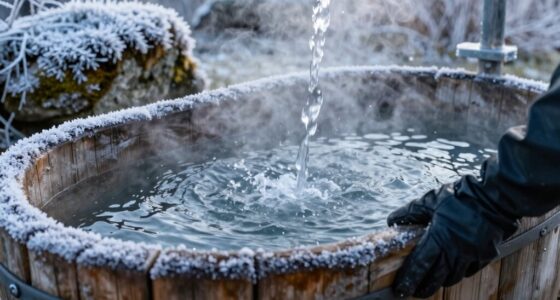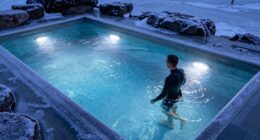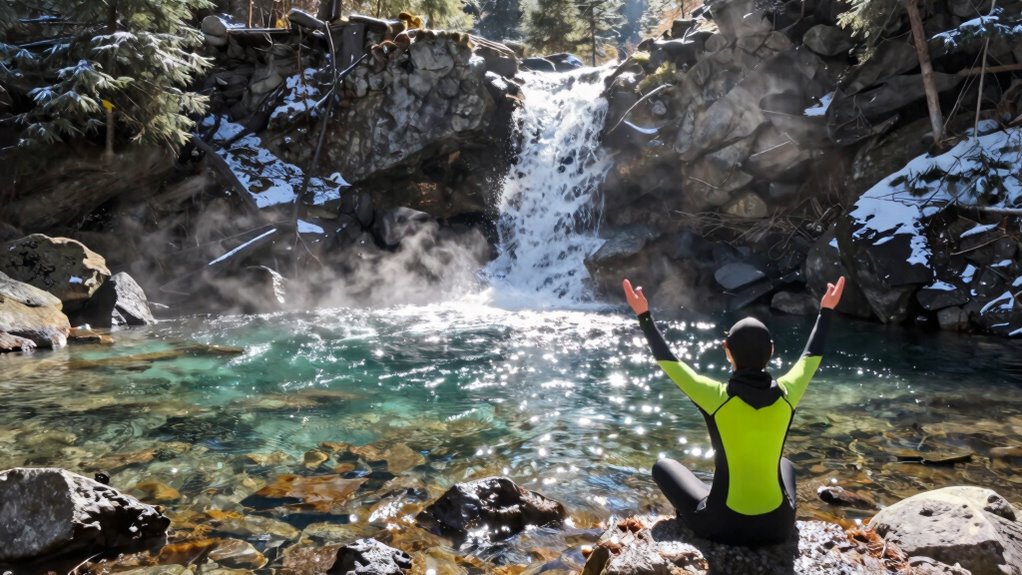

Meditating in cold water can boost your mental resilience, improve focus, and promote relaxation through controlled breathing. However, it also risks shock or panic if you’re unprepared, so gradual acclimatization and proper safety measures are essential. Be aware of your health and start slowly to avoid hyperventilation or hyperthermia. If you keep exploring, you’ll discover how to enjoy cold water meditation safely while reaping its full benefits.
Key Takeaways
- Cold water meditation can boost mental resilience and mindfulness when practiced safely with proper techniques.
- It may trigger initial shock responses, so gradual acclimatization and controlled breathing are essential.
- Proper breathing techniques help manage physical discomfort and prevent hyperventilation or panic.
- Individuals with certain health conditions should consult a professional before attempting cold water meditation.
- Regular practice can enhance stress management, emotional stability, and overall mental clarity over time.
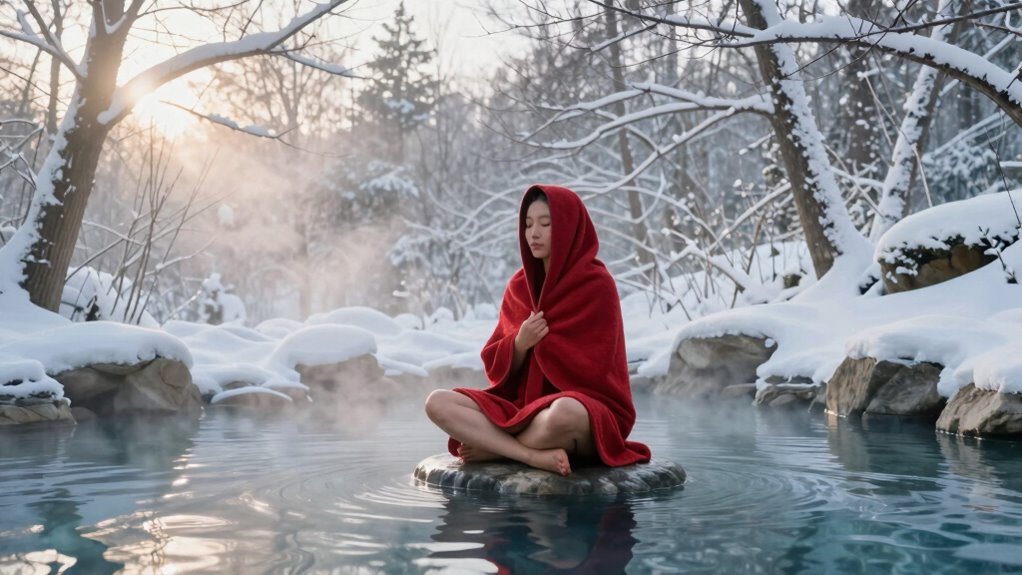
Have you ever wondered what it’s like to meditate in freezing water? It’s an intense experience that pushes your limits and challenges your mind and body. When you plunge into cold water, your natural reaction is to gasp and hyperventilate, but with proper breathing techniques, you can turn this shock into a powerful tool for mental clarity. Deep, controlled breaths help regulate your nervous system, reducing the initial panic and allowing you to settle into a focused state. As you breathe deliberately, you start to notice how your mind clears, distractions fade, and a sense of calm begins to emerge. This practice isn’t just about enduring cold; it’s about harnessing that discomfort to enhance your mental resilience. Additionally, integrating cold water practices into your routine can help improve your mental resilience, making you more adaptable to stress in daily life.
Mastering breathing techniques is essential if you want to meditate in cold water. Techniques like diaphragmatic breathing or box breathing can help you stay composed, making the experience more manageable and even beneficial. When you consciously slow your breath, you activate your parasympathetic nervous system, which promotes relaxation and mental clarity. Instead of reacting instinctively to the cold with rapid, shallow breaths, you learn to control your breathing, anchoring yourself in the present moment. This focus sharpens your mental state, helping you detach from worries and mental clutter. Over time, practicing these breathing techniques in cold water can boost your overall mindfulness, making everyday stress feel less overwhelming.
Frequently Asked Questions
Can Cold Water Meditation Improve Mental Health?
Cold water meditation can improve your mental health by enhancing mindfulness practices and reducing stress. Immersing yourself in cold water activates your nervous system, helping you stay present and focused. This practice may boost mood, decrease anxiety, and promote relaxation. However, it’s essential to approach cold water meditation safely and gradually, listening to your body’s signals to avoid any health risks. With consistency, it can be a powerful tool for mental well-being.
What Are the Long-Term Effects of Cold Water Meditation?
Imagine your body as a resilient tree, strengthening roots over time. Long-term cold water meditation can lead to physiological adaptations, making you more resilient to stress, and hormonal responses that boost mood. You might notice improved immune function and mental clarity. These effects build gradually, like a sturdy oak, but consistency is key. Over time, you develop a calmer, more balanced state, weathering life’s storms with greater ease.
How Does Cold Water Meditation Compare to Traditional Meditation?
Cold water meditation offers a more intense experience compared to traditional meditation, heightening mindfulness benefits through physical sensations. While traditional meditation focuses on calmness and mental clarity, cold water meditation emphasizes resilience and awareness of water temperature. You actively engage your body and mind, which can deepen your mindfulness. However, it requires caution, as the water temperature can be challenging, so make certain safety measures are in place to avoid risk.
Is Cold Water Meditation Suitable for Beginners?
Cold water meditation isn’t ideal for beginners, as only about 20% of newcomers stick with cold exposure practices long-term. If you’re new to mindfulness practices, starting with traditional meditation helps build mental resilience first. Cold water meditation requires significant physical endurance and can be overwhelming without proper guidance. It’s best to gradually introduce cold exposure, ensuring safety and comfort, before diving into cold water meditation.
Are There Any Specific Breathing Techniques for Cold Water Meditation?
Yes, there are specific breathing techniques for cold water meditation. You should focus on steady breathing patterns, like deep inhalation techniques, to help manage your body’s response to the cold. Practice slow, controlled inhalations through your nose, followed by gentle exhalations. This helps calm your nervous system, enhances your focus, and maintains your composure during cold water meditation. Consistent practice improves your ability to stay relaxed and centered.
Conclusion
Meditating in cold water can invigorate your mind, sharpen your focus, and boost your resilience. It challenges your body, awakens your senses, and deepens your awareness. But it also demands caution, respect, and preparation. If you approach it wisely, you can experience growth, clarity, and energy. If you rush into it blindly, you risk harm, discomfort, and setbacks. So, meditate in cold water with mindfulness, with safety, and with intention. Your well-being depends on it.