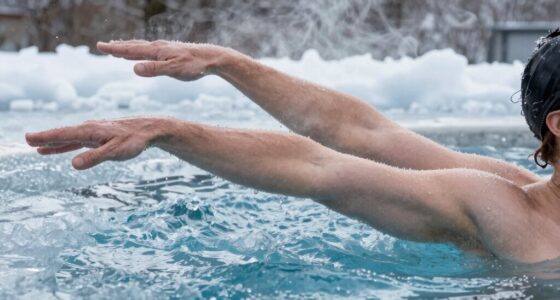


A cold exposure glossary explains key terms like cold shock response, vasoconstriction, and brown fat that help you understand how your body reacts to cold. It covers techniques such as cold plunges, ice baths, and cryotherapy, along with tools like thermometers and insulated gear. Knowing these terms helps you practice safely and effectively, building resilience over time. Keep exploring to learn more about how cold exposure can benefit your body and mind.

Get home appliances delivered free with Prime
- Fast, free delivery on millions of items
- Prime Video, Amazon Music and more included
- Member-only deals all year
Key Takeaways
- Cold exposure involves deliberately exposing the body to cold environments to boost immunity, mood, and resilience.
- Key terms include vasoconstriction (blood vessel narrowing), cold shock response, and thermogenesis (heat production).
- Techniques include cold plunges, ice baths, cryotherapy, and breath control methods like Wim Hof.
- Safety tips emphasize gradual exposure, monitoring for hypothermia, and proper clothing to prevent cold-related injuries.
- Building tolerance requires consistent practice, patience, and understanding that cold exposure alone doesn’t automatically improve immunity or cause weight loss.
As an affiliate, we earn on qualifying purchases.
What Is Cold Exposure and Why Do People Do It?
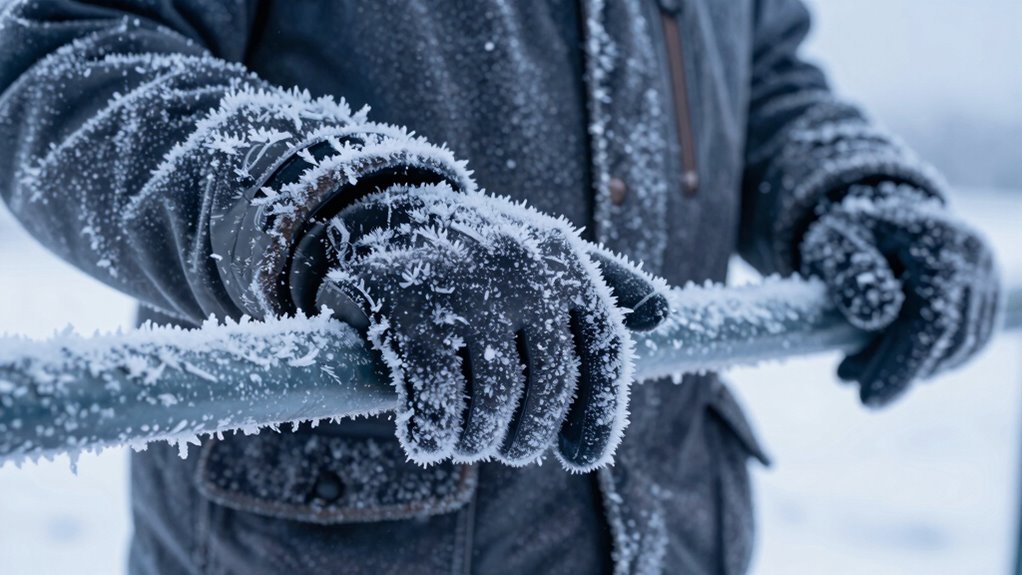
Have you ever wondered why people willingly expose themselves to cold temperatures? Cold exposure involves intentionally subjecting your body to cold weather or cold environments. Many do it to boost their immune system, improve mood, or challenge their body’s thermal regulation. When you face cold conditions, your body activates mechanisms to maintain a stable internal temperature, like shivering or constricting blood vessels. This process helps you adapt and strengthen your ability to handle temperature fluctuations. Some believe that regular cold exposure can promote health benefits, increase resilience, and even support recovery. While it can be uncomfortable initially, many find that over time, their body adapts, making cold exposure a powerful tool for enhancing overall well-being. Thermal regulation is a key process involved in how your body responds to cold exposure. Additionally, understanding the body’s response to cold can help you approach cold exposure safely and effectively, which is supported by research in homeostasis and human physiology. Incorporating knowledge about the body’s adaptation mechanisms can further improve your cold exposure practices and outcomes.
As an affiliate, we earn on qualifying purchases.
How Does Cold Shock Affect Your Body?

When your body is suddenly exposed to cold shock, it responds rapidly to protect itself. You might notice an immediate muscle contraction, as your muscles tighten to generate heat and prevent further heat loss. Nerve signaling speeds up, sending urgent messages to your brain about the sudden temperature change. This sharp response triggers the “cold shock response,” leading to rapid breathing and increased heart rate. Your body’s reflexes try to conserve warmth, but the sudden nerve activity can also cause discomfort or panic. Over time, these reactions help you adapt to cold environments, but initially, they can feel overwhelming. Understanding this process helps you recognize how your body reacts during cold exposure and why it’s important to manage these responses safely. Additionally, consistent exposure can improve your cold tolerance, allowing your body to adapt more efficiently over time. Furthermore, awareness of these reactions can help prevent cold-related injuries by promoting proper safety measures during cold exposure. Recognizing these natural responses can also assist in developing effective cold acclimatization strategies for safer cold exposure.
As an affiliate, we earn on qualifying purchases.
Cold Exposure Techniques: Cold Plunges, Ice Baths, and Cryotherapy
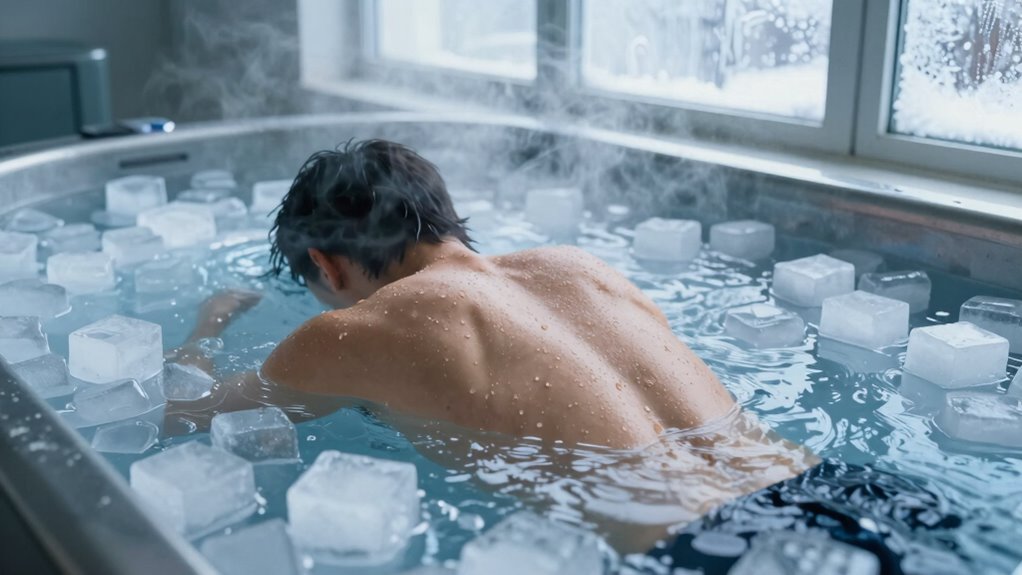
Cold exposure techniques such as cold plunges, ice baths, and cryotherapy are popular methods to harness the benefits of cold therapy. These methods expose your body to cold temperatures quickly, promoting recovery, reducing inflammation, and boosting mental clarity. To maximize benefits, focus on your breathing techniques; slow, controlled breaths help manage the shock and keep your mind calm. Maintaining mental focus during cold exposure is vital, as it allows you to stay present and avoid panic. Whether you submerge yourself in an ice bath or step into a cryotherapy chamber, your ability to control your breath and stay mentally focused determines how well you tolerate the cold and reap its advantages. These techniques are simple tools to enhance both physical and mental resilience. Understanding your body’s response to cold can improve your overall safety and effectiveness.
As an affiliate, we earn on qualifying purchases.
Essential Terms and Tools for Cold Exposure

Understanding the essential terms and tools for cold exposure helps you navigate and optimize your cold therapy routine. When dealing with cold weather, your body works to maintain thermal regulation, keeping core temperature steady. Key tools include insulated gear like thermal gloves, hats, and wetsuits that prevent heat loss during exposure. A thermometer helps monitor water or air temperature, ensuring safe and effective cold sessions. Terms like “cold shock response” describe your body’s immediate reaction, while “vasoconstriction” refers to blood vessels narrowing to conserve heat. Recognizing these physical responses allows you to better prepare and adapt your routine accordingly. Knowing these tools and terms lets you better prepare, stay safe, and maximize the benefits of cold exposure. Proper understanding of thermal regulation ensures you can adapt your routine as needed, making cold therapy both effective and safe. Additionally, understanding the role of free floating in temperature regulation can enhance your overall approach to cold exposure. Recognizing how thermoregulation functions across different environments enables more precise control of your cold exposure sessions. Being aware of the key traits of successful practitioners can also help you develop a disciplined and effective cold exposure practice. Developing an understanding of metabolic responses can further improve your ability to manage your body’s reactions during cold exposure sessions.
What Are the Benefits of Cold Exposure for Your Body and Mind?
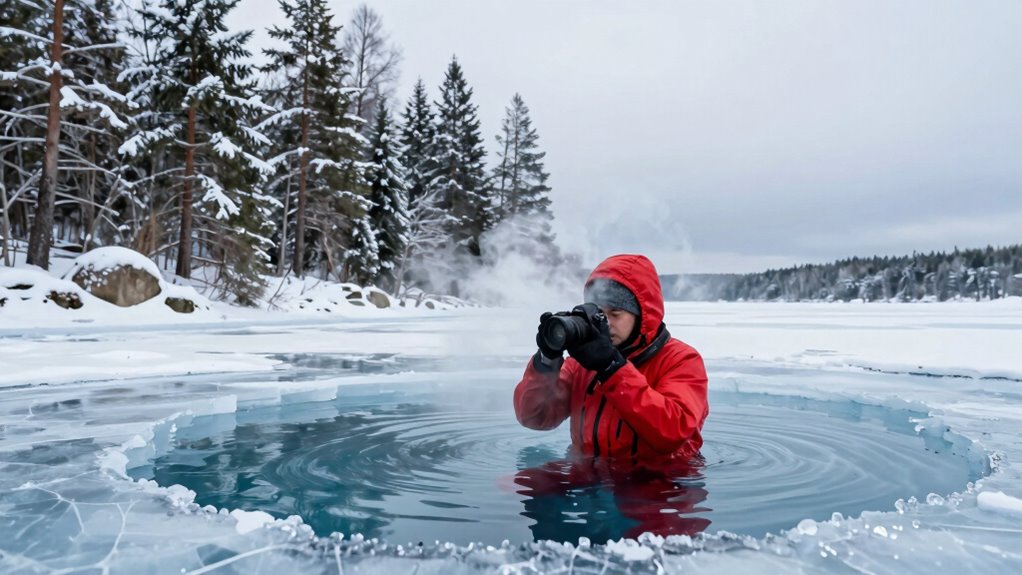
Cold exposure can lift your mood and sharpen your mental clarity, helping you feel more focused and energized. It also strengthens your body’s resilience, making it easier to handle stress and physical challenges. Exploring these benefits can motivate you to incorporate cold practices into your routine. Additionally, understanding Deaf Vibes techniques can help improve your overall sensory processing and communication skills. Incorporating cold exposure into your lifestyle can also enhance your mental toughness, making you more adaptable to various stressors. Recognizing the effectiveness and results timeline of these practices can encourage persistence and long-term commitment. Learning about resilience-building techniques can further support your ability to adapt and thrive through consistent cold exposure. Developing a home renovation mindset can help you approach challenges with patience and resourcefulness, similar to building resilience through cold exposure.
Enhanced Mood and Mental Clarity
Exposure to cold temperatures can markedly boost your mood and mental clarity by triggering the release of endorphins and neurotransmitters like norepinephrine. This chemical response sharpens your mental alertness, helping you think more clearly and focus better. As your body adapts to the cold, you may notice increased emotional stability, making it easier to handle stress and stay calm. Cold exposure also reduces inflammation and fatigue, which supports cognitive function and overall mental well-being. By regularly integrating cold exposure into your routine, you can experience a more balanced mood and heightened mental clarity, empowering you to stay attentive and composed throughout your day. It’s a simple yet effective way to enhance your body and mind simultaneously. Additionally, understanding the benefits of cold exposure can help you tailor your routines for maximum mental and physical health improvements. Incorporating cold exposure may also improve your immune response, further supporting your overall health and resilience. Regular cold exposure can also stimulate neurotransmitter release, boosting your brain’s capacity to process information effectively and enhance cognitive function, leading to better mental performance.
Boosted Physical Resilience
When you regularly expose your body to cold conditions, you activate your body’s natural defenses, which enhances your physical resilience. Cold exposure boosts your immune defense, making you less susceptible to illnesses. It also helps with injury prevention by reducing inflammation and speeding up recovery. Over time, your body adapts, increasing your ability to handle physical stress and recover faster from injuries. This resilience isn’t just physical—it strengthens your mental toughness too. Additionally, consistent cold exposure can improve your physical toughness, helping you endure challenging situations more effectively. Engaging in cold exposure can also promote mental clarity, enhancing your focus and decision-making skills during stressful circumstances. Studies have shown that cold exposure can influence hormonal responses, leading to increased alertness and mood stability. Developing a regular cold exposure routine can also enhance your resilience by gradually increasing your tolerance to stress.
Staying Safe: Safety Tips and Precautions When Cold Exposing

To stay safe during cold exposure, it’s essential to take proactive precautions that prevent hypothermia and frostbite. Start by dressing in layered, moisture-wicking clothing that insulates and shields you from wind and wetness. Keep moving to maintain circulation, but avoid overexertion that can cause sweating and increase risks. Stay dry, as moisture accelerates heat loss, and limit your exposure time in extreme cold. Always monitor your body for signs of hypothermia prevention, like shivering or confusion, and be aware of frostbite symptoms such as numbness or skin whiteness. Carry emergency supplies like blankets and warm drinks. By practicing frostbite awareness and taking these precautions, you markedly reduce your chances of cold-related injuries and stay safe during cold exposure.
How Your Body Adapts to Cold and Builds Tolerance
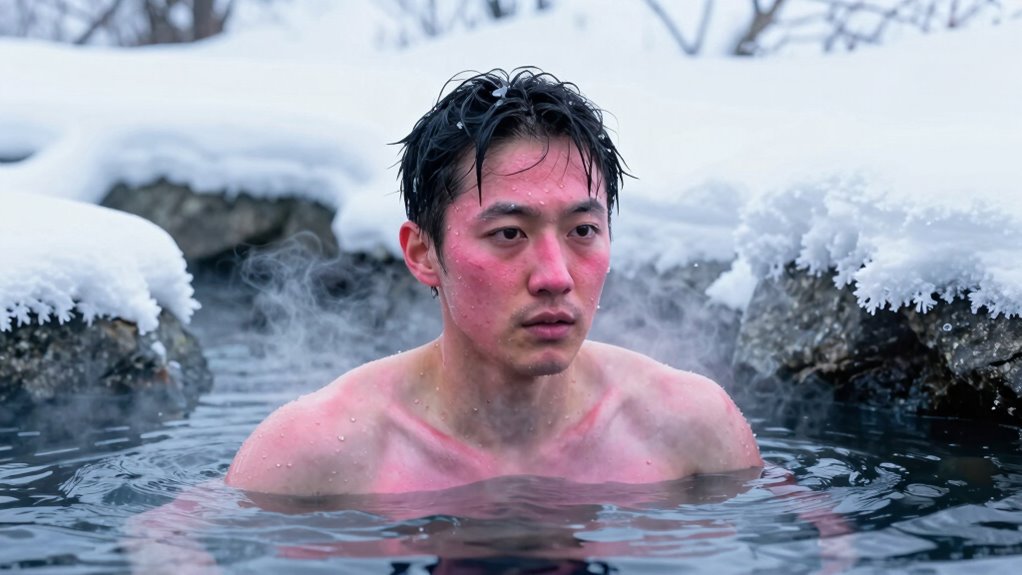
Your body can adapt to cold over time by gradually developing mechanisms that improve its tolerance. This process, known as tolerance development, involves your body becoming more efficient at handling low temperatures. As you expose yourself consistently, your body initiates several changes:
- Enhanced blood flow – your circulatory system becomes better at distributing heat, reducing cold extremities.
- Increased brown fat – your body produces more brown adipose tissue, which generates heat through metabolism.
- Improved insulation – your body adapts by improving circulation and skin responses, keeping core temperature stable.
These body adaptations help you better withstand cold conditions, making cold exposure safer and more effective over time. Building tolerance develops gradually, so patience and consistency are key.
Popular Cold Exposure Practices and Their Jargon
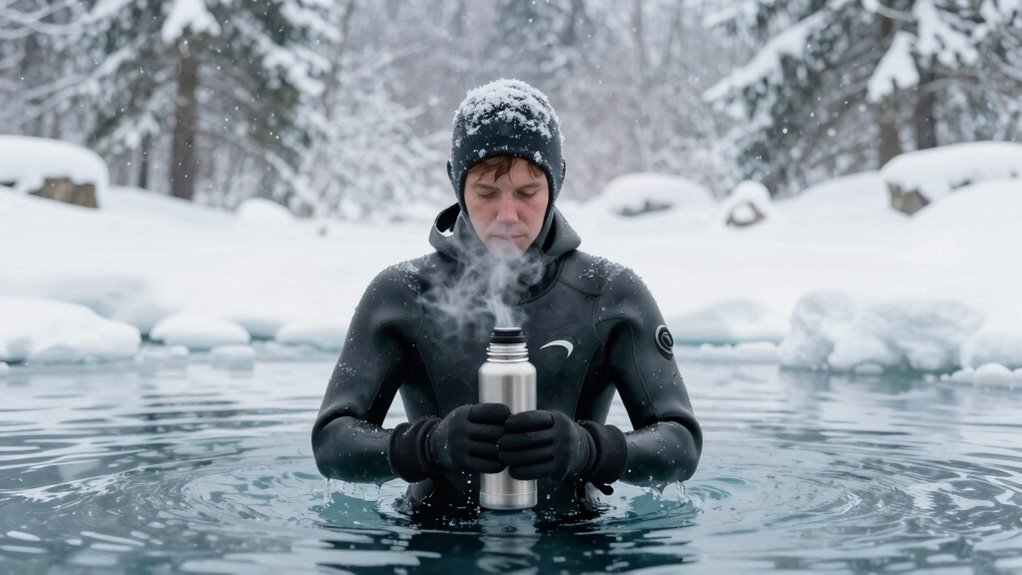
You’ve probably heard of cold plunges and baths, where immersing yourself in cold water is the main focus. The Wim Hof Method introduces specific terms like “power breathing” and “cold exposure,” which are essential to the practice. Cryotherapy jargon, such as “partial-body” and “whole-body,” explains the different types of cold treatments available.
Cold Plunges and Baths
Ever wondered why cold plunges and baths have gained popularity among wellness enthusiasts? These practices expose you to cold water, triggering a cold shock that activates your body’s thermogenic response. This response helps generate heat and burn calories, boosting metabolism. When you immerse yourself in cold water, your body reacts quickly, increasing adrenaline and alertness. To get the most benefits, try these tips:
- Keep your immersion brief, around 2-5 minutes, to avoid overstressing your body.
- Gradually lower water temperature to build tolerance and enhance the cold shock response.
- Focus on steady breathing to manage discomfort and maximize thermogenic effects.
Cold plunges and baths are simple yet powerful tools to stimulate your body’s natural responses and improve resilience.
Wim Hof Method Terms
The Wim Hof Method has popularized a set of specific terms and jargon that help practitioners understand and communicate their cold exposure techniques. Central to this method are breathing techniques, which involve controlled, deep breaths to increase oxygen levels and enhance focus. These breathing exercises are designed to help you maintain mental focus, especially during intense cold exposure, enabling you to stay calm and resilient. Mental focus is a core component, as it helps you override the body’s natural response to cold and maintain composure. You might hear terms like “power breathing” or “controlled hyperventilation” when discussing these techniques. Mastering these terms helps you understand how breathing and mental focus work together to improve your cold exposure experience and overall well-being.
Cryotherapy Jargon
Have you ever wondered what people mean when they mention “cold plunge” or “cryosauna” in the context of cold exposure? These terms refer to specific cryotherapy practices designed to deliver rapid cold exposure.
- Cold plunge: Immersing your body in cold water, leveraging thermal conductivity to transfer heat away quickly, causing vasoconstriction effects that reduce inflammation and numb pain.
- Cryosauna: A chamber that exposes you to extremely cold air (around -110°C to -140°C), promoting vasoconstriction and boosting recovery.
- Localized cryotherapy: Targeting specific areas with cold packs or devices to induce vasoconstriction effects directly, aiding in injury recovery.
These practices harness thermal conductivity and vasoconstriction effects to maximize benefits in cold therapy routines.
Debunking Common Cold Exposure Myths
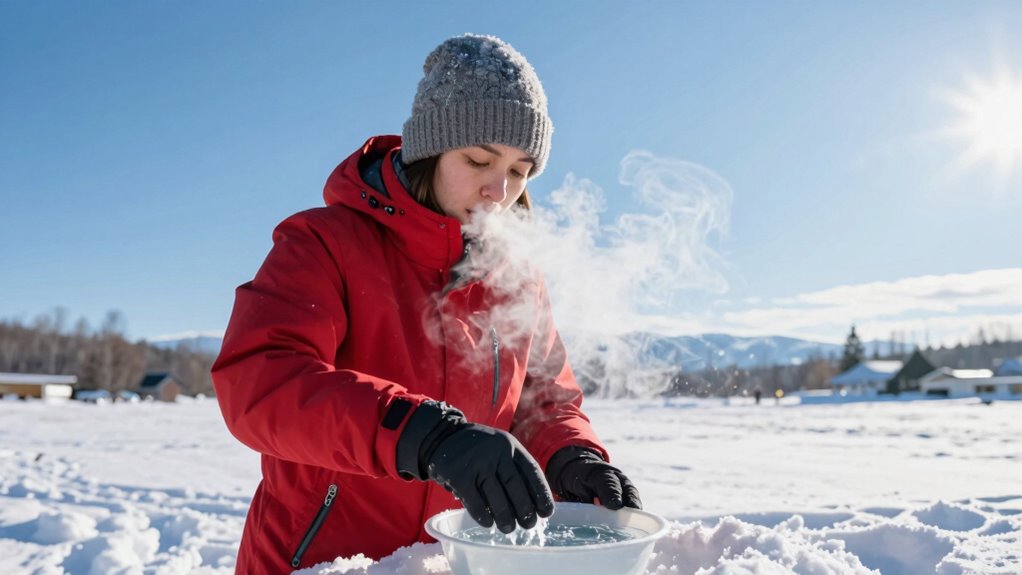
Many common beliefs about cold exposure simply don’t hold up under scientific scrutiny. This is where myth busting and fact checking become essential. For example, many think that exposing yourself to cold will automatically boost your immune system or help you lose weight. However, research shows that cold exposure alone isn’t a magic solution. Similarly, some believe you’ll catch a cold just by being outside in cold weather, but colds are caused by viruses, not the temperature. Understanding these myths helps you make smarter choices about cold exposure. Instead of spreading false information, focus on evidence-based facts. This way, you can safely incorporate cold exposure into your routine—without falling for misconceptions or risking health. Clear, accurate information is key to making informed decisions.
How to Get Started With Cold Exposure: a Beginner’s Guide
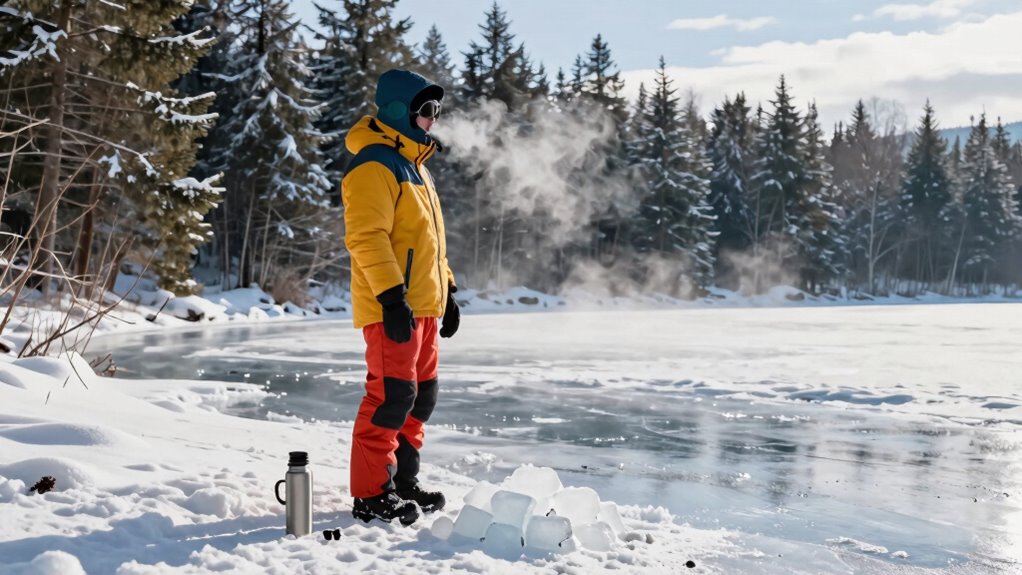
Starting cold exposure can seem intimidating at first, but you don’t need to plunge into extreme practices right away. Ease into it gradually to build your tolerance. Here are three tips to get started:
- Choose appropriate clothing choices: Wear layers that can be easily removed as you warm up, and focus on moisture-wicking fabrics to stay dry.
- Follow hydration strategies: Drink water before and after exposure to help your body adapt and prevent dehydration.
- Start with short durations: Begin with 1-3 minutes in cool water or cold air, gradually increasing as your comfort level improves.
Frequently Asked Questions
What Are the Potential Long-Term Health Effects of Regular Cold Exposure?
Regular cold exposure can boost your long-term immunity by strengthening your immune response and reducing illness frequency. It also promotes metabolic adaptation, helping your body become more efficient at burning fat and regulating temperature. Over time, this can improve your overall health and resilience. However, it’s crucial to start gradually and listen to your body to avoid potential risks like hypothermia or frostbite.
How Does Cold Exposure Influence Athletic Performance and Recovery?
Cold exposure can boost your athletic performance by promoting faster muscle recovery and enhancing endurance. When you face the chill, blood flow improves, reducing soreness and speeding up healing. This cool technique can sharpen stamina and strengthen resilience, helping you push through barriers. Embracing cold exposure not only optimizes recovery but also fortifies your fitness foundation, making you more prepared for intense activities and improving overall athletic achievements.
Can Cold Exposure Help Manage Mental Health Conditions Like Depression?
Cold therapy can help manage mental health conditions like depression by boosting your mental resilience and releasing endorphins. When you incorporate cold exposure, you challenge your mind and body, which can improve your mood and reduce symptoms over time. It’s a simple way to build mental strength, helping you better cope with stress and emotional lows. Regular cold therapy sessions may support your overall mental well-being and resilience.
Are There Specific Cold Exposure Protocols Tailored for Different Age Groups?
Yes, age-specific protocols tailor cold exposure to suit different needs. For youth, cold exposure is gentler and shorter, focusing on safety and gradual adaptation to prevent shock. In older adults, protocols emphasize slower, controlled exposure to avoid health risks. You should always consult a healthcare professional before starting any cold exposure routine, especially for different age groups, to guarantee safety and effectiveness tailored to individual needs.
How Does Ambient Temperature Impact the Effectiveness of Cold Exposure Techniques?
Ambient temperature directly impacts how effective your cold exposure techniques are. When the environment is colder, your body’s thermal adaptation happens more quickly, enhancing benefits like improved circulation and resilience. Conversely, higher ambient temperatures make it harder to trigger these responses. To maximize results, you should adjust your exposure duration and intensity based on the ambient temperature, allowing your body to adapt gradually and safely.
Conclusion
Getting into cold exposure can boost your resilience and overall well-being. Did you know that studies show just 11 minutes of cold exposure a week can improve your immune response? With the right knowledge of terms and techniques, you can safely incorporate cold exposure into your routine. Start slow, listen to your body, and enjoy the mental clarity and physical benefits waiting for you. Embrace the chill—you might just enjoy it more than you think!
Fall yard work Picks
leaf blowers
As an affiliate, we earn on qualifying purchases.