
TL;DR

Get home appliances delivered free — and shop member deals
- Fast, free delivery on millions of items
- Access to Prime Big Deal Days deals on October 6–7
- Prime Video, Amazon Music and more included
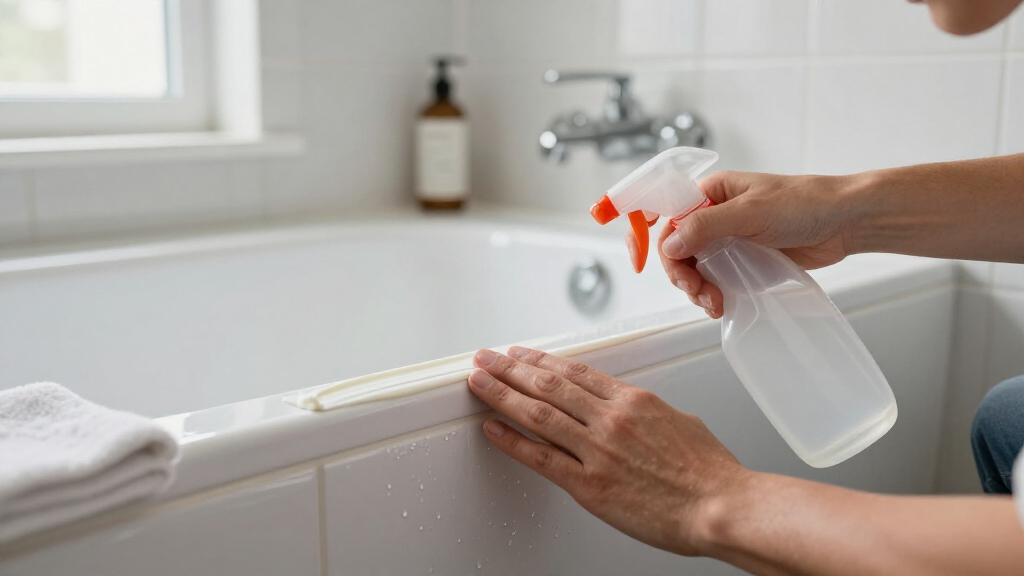
A Hunker report describes a DIY technique: lightly spray ammonia-free Windex on freshly applied silicone caulk, or on the smoothing tool, before tooling the bead. The cleaner can reduce sticking, but it does not improve adhesion and may interfere if it reaches a spot where caulk still needs to be applied.
A Hunker report describes a caulking technique in which DIYers lightly spray ammonia-free Windex on a freshly applied silicone bead before smoothing it. The glass cleaner can help a finger or finishing tool glide over sticky silicone, but it is not a cleaner for the joint and does not make caulk adhere better.
Silicone caulk can cling to a finger or tool during finishing, which may leave an uneven bead. According to Hunker, a light mist of ammonia-free Windex can provide a slippery surface for the smoothing pass. The report also suggests spraying the tool instead of the caulk as an alternative, reducing the chance of cleaner reaching a section where silicone still needs to bond.
The order of work matters: apply the bead first, then lightly mist and smooth it promptly. Silicone begins to form a skin as it cures, so the report advises working quickly and splitting a long joint into smaller sections. Windex is not meant to clean the joint or prepare it for caulk; cleaner on an uncaulked spot may interfere with adhesion when silicone is later applied there.
The tip is aimed mainly at silicone caulk, which the report describes as more difficult to tool than acrylic latex. Acrylic latex is generally easier to smooth and can be cleaned up with water, so the report says there is less need for the glass-cleaner method with that type. Hunker also recommends removing old caulk and residue, then cleaning and drying the joint before applying a new bead.
A Smoother Bead Without Bonding Benefits
The method addresses a practical finishing problem: sticky silicone can drag or cling while a bead is being shaped. Used carefully, the glass cleaner’s slip may make it easier to form a neater line, particularly for someone who finds silicone harder to tool than other caulks. That can reduce smearing and the need to rework a fresh bead.
But the distinction between tooling and adhesion matters. A smooth appearance does not establish that the seal has bonded properly, and Windex is not an adhesive aid. If it gets onto a surface that has not yet received caulk, the source warns that it could compromise the bond at that spot. Spraying the tool rather than the joint is one way the report says DIYers can limit that risk.
As an affiliate, we earn on qualifying purchases.
Preparation Comes Before the Spray
Hunker’s instructions place the Windex technique within a broader caulking process rather than treating it as a substitute for preparation. The report says to remove old silicone with mineral spirits or rubbing alcohol, clear away remaining paint, dirt, grease and debris, and leave the joint clean and dry before applying fresh caulk. It also recommends cutting the nozzle at a 45-degree angle and moving steadily with consistent pressure to lay an even bead.
Only after the silicone is applied does the suggested spray-and-smooth step come in. The report says painter’s tape along the edges can help control where caulk goes and reduce cleanup. These are recommendations from the Hunker article, not evidence that every product or surface will respond identically; the source does not provide product testing or a comparison of finished bonds.
““the natural slip of the glass cleaner helps keep the silicone from sticking to your finger or tool””
— Hunker report
As an affiliate, we earn on qualifying purchases.
Product Compatibility Is Not Established
The source presents this as a DIY recommendation, but does not cite controlled tests showing how well it works across different Windex formulations, silicone products, or surfaces. It does not establish that the technique is approved by every caulk manufacturer. The report favors ammonia-free glass cleaner because it says it has a lower chance of compromising caulk, but does not quantify that risk or specify a product formulation beyond that description.
It is also unclear from the source how much cleaner is appropriate beyond a light spray, or how outcomes vary with application conditions. Readers should not treat the technique as a guarantee of a durable seal. The source’s specific caution is that cleaner can interfere with adhesion if it gets onto an area before caulk is applied.
As an affiliate, we earn on qualifying purchases.
Check the Caulk Maker’s Instructions
Anyone considering the method should first check the instructions for the specific caulk and glass cleaner they plan to use, especially where the seal’s performance matters. Follow the caulk maker’s guidance on surface preparation, application and curing. If using the reported technique, apply the silicone bead first, use only a light mist on the bead or tool, and smooth it promptly while avoiding areas that have not yet been caulked. For a long joint, work in manageable sections rather than letting the silicone skin over before tooling.
The source does not report a new product test, manufacturer ruling or change in building guidance. The immediate takeaway remains a limited finishing tip: Windex may help with smoothing, but careful preparation and product-specific directions govern the caulk’s bond.
As an affiliate, we earn on qualifying purchases.
Key Questions
Why do some DIYers spray Windex on silicone caulk?
Hunker says a light spray of ammonia-free Windex can help a finger or finishing tool glide over fresh silicone, which may make the bead easier to smooth.
Does Windex help caulk stick?
No. The technique is described as a smoothing aid, not an adhesion treatment. The source warns that cleaner on a spot where caulk still needs to be applied could interfere with bonding.
Should Windex go on the caulk or the tool?
The report describes lightly spraying the fresh bead, but also suggests spraying the tool instead to help avoid getting cleaner on areas that still need caulk.
Is this technique useful for acrylic latex caulk?
Hunker says acrylic latex is generally easier to tool and cleans up with water, so the Windex technique may be less necessary. Check the caulk product’s own instructions before using a cleaner.
What should be done before applying new caulk?
Remove old caulk and residue, then clean and dry the joint, according to the report. Apply the fresh bead before using any spray for smoothing.
Source: rss
NFL season / tailgating Picks
team gear
As an affiliate, we earn on qualifying purchases.