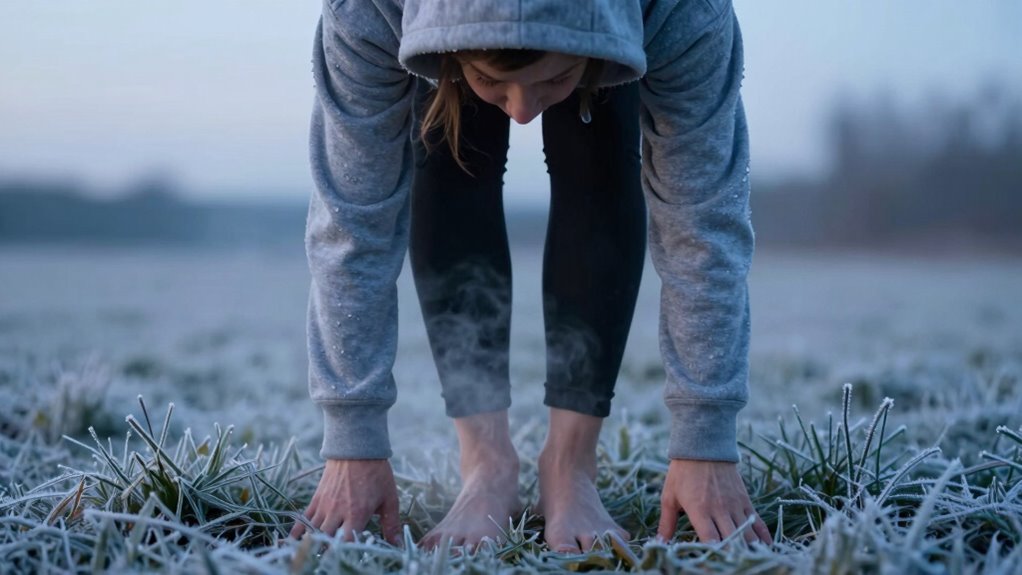

Cold exposure can help reduce anxiety by boosting mood, increasing mental clarity, and strengthening resilience when done safely. To be helpful, start with short sessions, focus on your breath, and listen to your body’s signals. Too much cold or prolonged exposure can cause hypothermia, frostbite, or heightened stress. Monitoring your reactions helps make certain of safe practice. If you’re curious about balancing benefits and risks, there’s more to know about how to incorporate cold exposure effectively.

Get home appliances delivered free — and shop member deals
- Fast, free delivery on millions of items
- Access to Prime Big Deal Days deals on October 6–7
- Prime Video, Amazon Music and more included
Key Takeaways
- Cold exposure can reduce anxiety by releasing endorphins and lowering cortisol levels, promoting emotional stability.
- Start with short, gradual sessions (2-3 minutes) to build tolerance without overexposure or hypothermia risk.
- Monitor physical and mental responses; stop immediately if experiencing severe shivering, numbness, dizziness, or chest discomfort.
- Combine cold exposure with deep breathing and mindfulness to enhance relaxation and prevent overstimulation.
- Consult healthcare professionals if cold exposure triggers panic, severe discomfort, or underlying health conditions.
As an affiliate, we earn on qualifying purchases.
How Cold Exposure Affects Anxiety and Mental Health
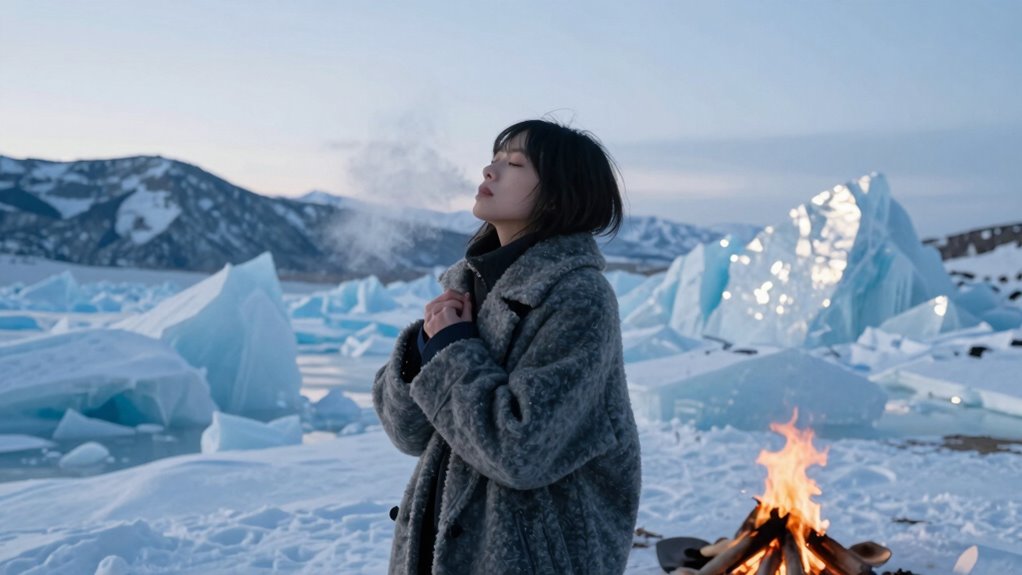
While cold exposure has gained popularity for its potential health benefits, it also has a notable impact on anxiety and mental health. Regular exposure encourages cold adaptation, which helps your body respond better to stress. Over time, you may notice increased mental resilience, making it easier to handle daily challenges. Cold exposure triggers the release of endorphins, boosting your mood and reducing feelings of anxiety. It also trains your nervous system to become more adaptable, improving your overall mental toughness. By gradually exposing yourself to cold, you build a sense of mastery and control that can diminish anxiety symptoms. Additionally, incorporating proper sleep hygiene practices can enhance your recovery and mental health benefits. Consistent cold exposure can also improve nervous system regulation, further supporting emotional stability. Recognizing the importance of stress management techniques can optimize these benefits and promote long-term mental wellness. Understanding the physiological responses involved in cold adaptation can help you tailor your exposure for maximum mental health gains. Developing a consistent routine can lead to more sustainable improvements in mental health over time. While not a cure-all, consistent cold exposure can strengthen your mental health foundation and support better emotional regulation.
As an affiliate, we earn on qualifying purchases.
The Science-Backed Benefits of Cold Exposure for Your Mood
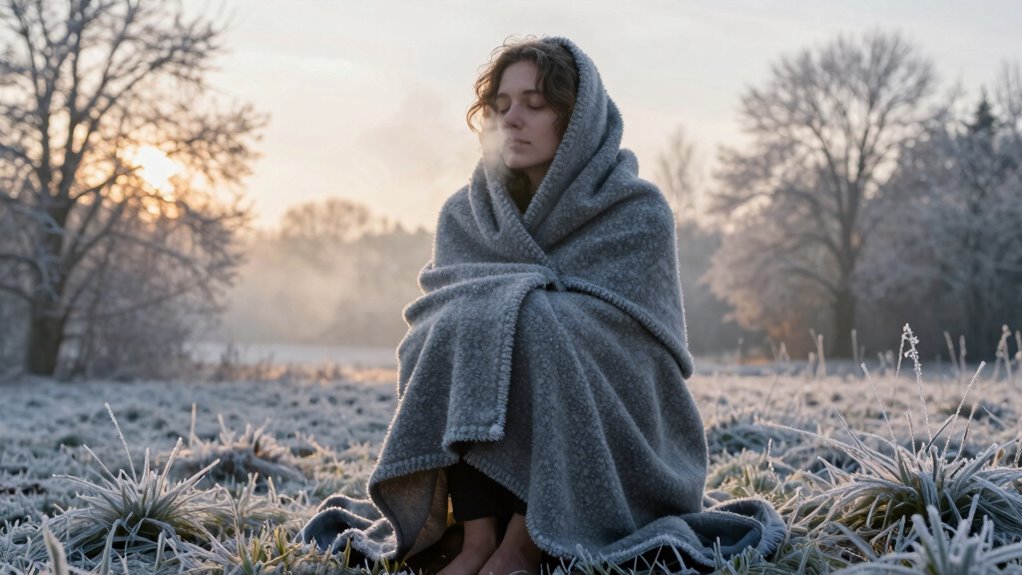
Scientific research supports the idea that cold exposure can considerably improve your mood through measurable physiological effects. Ice baths, for example, trigger the release of endorphins, boosting feelings of well-being. Cold exposure also increases blood flow and stimulates the production of norepinephrine, helping sharpen mental clarity. These effects can lead to reduced stress and a more positive outlook. To illustrate, consider this table showing benefits:
| Benefit | How It Works | Impact |
|---|---|---|
| Elevated mood | Endorphin release | Feel happier and calmer |
| Improved focus | Increased mental clarity | Better concentration |
| Stress reduction | Lower cortisol levels | Less anxiety |
| Enhanced resilience | Adaptation to cold | Better coping mechanisms |
Embracing cold exposure can be a practical way to support your mental health naturally, especially when combined with an understanding of physiological effects. Incorporating immune system benefits may further enhance overall well-being. Additionally, understanding the diverse ethnic backgrounds of individuals practicing cold exposure can help tailor approaches for different populations. Recognizing individual differences in cold tolerance can optimize the benefits and safety of cold exposure practices.
As an affiliate, we earn on qualifying purchases.
How to Tell If Cold Exposure Is Helping Your Anxiety
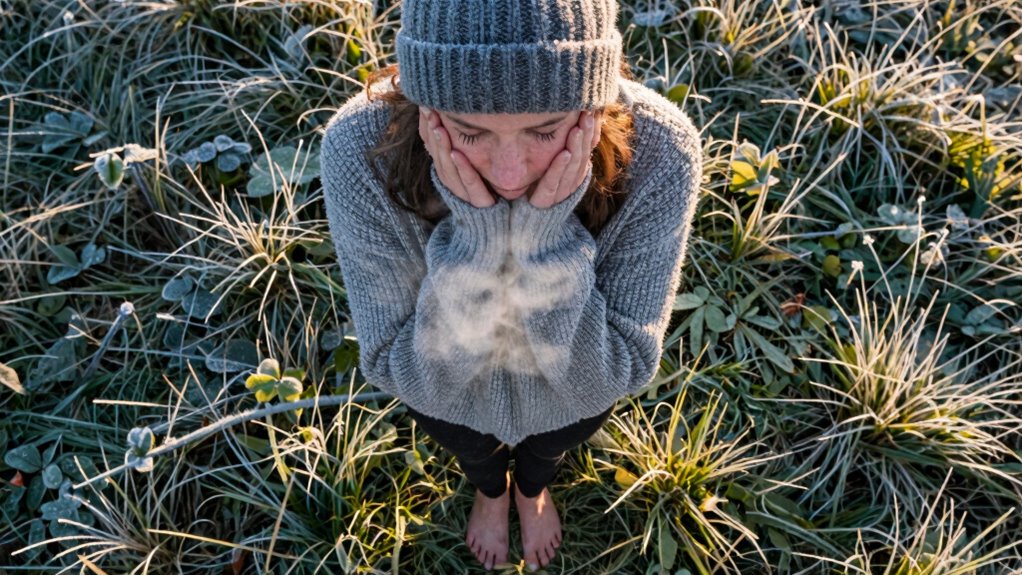
To determine if cold exposure is effectively easing your anxiety, pay attention to changes in your mood and physical responses over time. Notice if you feel calmer or more centered after exposure sessions. Incorporate breathing techniques and mindfulness exercises to help assess your progress. If you notice your breath becoming steadier and your mind quieter, it’s a good sign the cold exposure is benefiting you. Track your reactions—improved mood, reduced physical tension, or less anxious thoughts indicate positive effects. Conversely, if you feel more stressed or your heart races excessively, it might mean you’re overdoing it. Regularly check in with yourself, using these techniques as tools to gauge whether cold exposure is helping or if adjustments are needed. Monitoring your physical responses can also guide you in finding the right balance for your anxiety management, ensuring you stay within a safe and effective range. Recognizing individual differences in how your body reacts can help personalize your approach and maximize benefits. Additionally, understanding your tolerance levels can prevent adverse reactions and optimize your overall experience. Being aware of your body’s signals can further assist in tailoring your cold exposure routine to fit your unique needs.
As an affiliate, we earn on qualifying purchases.
Risks and Warning Signs of Cold Exposure to Watch For
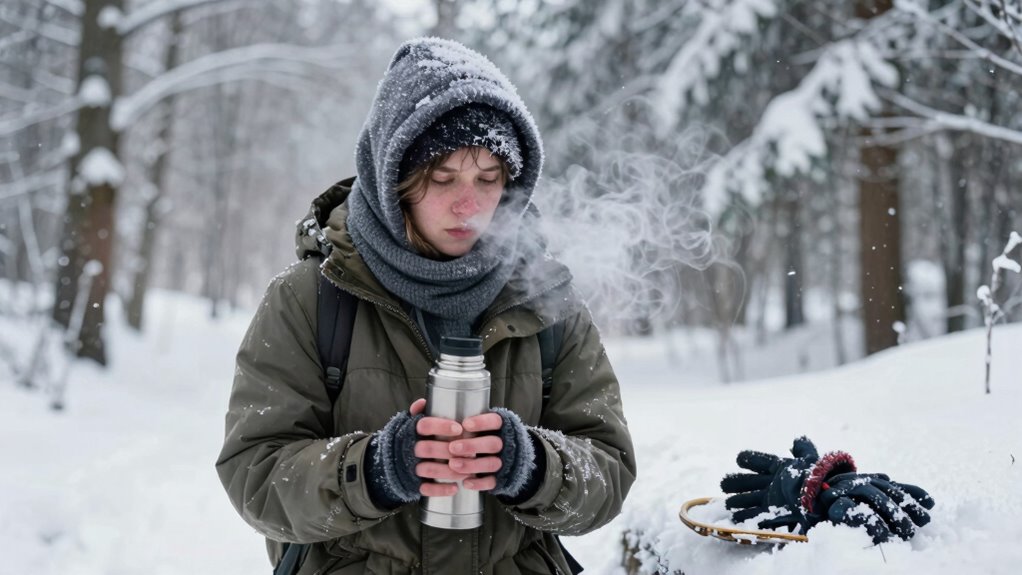
Cold exposure can offer benefits, but it also carries risks if not approached carefully. Knowing the warning signs is essential. Watch for:
- Hypothermia symptoms such as shivering, confusion, fatigue, and slurred speech.
- Frostbite signs like numbness, pale or waxy skin, and tingling sensations.
- Extreme shivering that doesn’t stop, indicating your body is struggling to stay warm.
- Skin that appears unusually white or gray, especially on extremities.
- Proper skin care routines are vital for those exposed to cold conditions, especially for breeds with unique skin needs.
If you notice any of these signs, immediately warm up and seek medical help if symptoms worsen. Overexposure can damage tissue or impair core body temperature, making it critical to recognize these risks early. Always listen to your body and prioritize safety during cold exposure.
How to Safely Incorporate Cold Exposure Into Your Routine
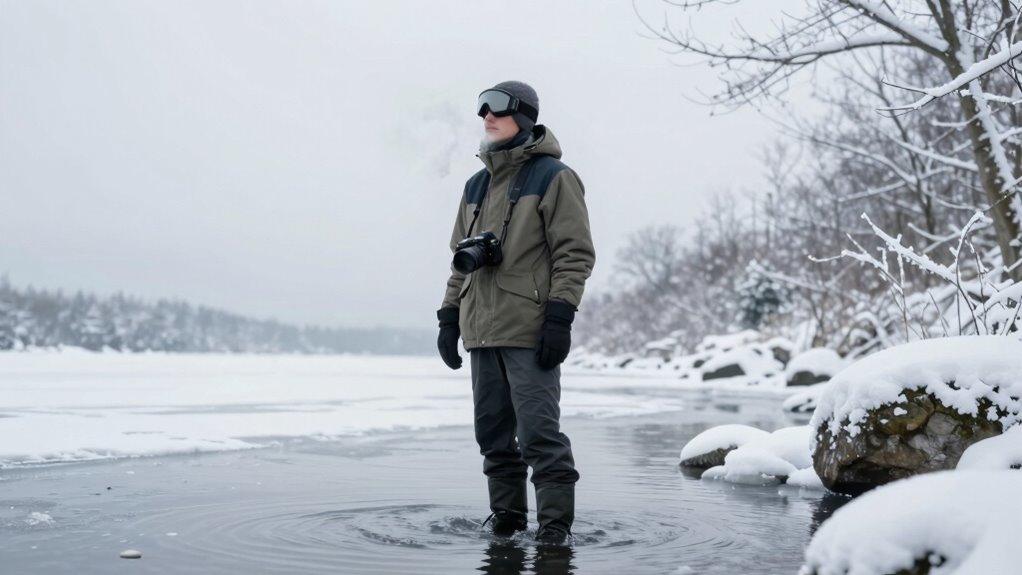
To safely add cold exposure to your routine, start slowly and pay attention to how your body reacts. Always monitor your responses and stop if you feel uncomfortable or unwell. Before beginning, consider consulting a healthcare professional to make sure it’s appropriate for you. Incorporating gradual progression can help your body adapt safely while minimizing risks. Additionally, understanding body responses to cold can guide you in recognizing safe versus excessive exposure. Recognizing the importance of safety considerations ensures you approach cold exposure in a mindful and effective way. Embracing traditional wellness practices can also offer culturally grounded strategies for integrating cold exposure mindfully.
Start Gradually and Safely
Starting cold exposure gradually guarantees your body adapts safely and effectively. To do this, follow these steps:
- Begin with short sessions, like 30 seconds, and slowly increase as your comfort grows.
- Incorporate breathing techniques and meditation practices to stay calm and centered during cold exposure.
- Pay attention to your body’s signals—if you feel dizzy or numb, stop immediately.
- Track your progress to make certain you’re advancing at a safe, manageable pace.
Monitoring Your Body’s Response
Because your body’s response to cold exposure can vary, monitoring how you feel during each session is vital. Pay attention to your breathing techniques; if you find yourself gasping or holding your breath, it’s a sign to slow down. Notice changes in your sleep quality afterward—if you wake up feeling refreshed, that’s a positive indicator. Conversely, if cold exposure causes anxiety, jitters, or disrupts your rest, it’s a sign to reduce intensity or duration. Keep track of your sensations, noting any discomfort or relaxation, and adjust accordingly. Incorporating body awareness into your routine can enhance your safety and effectiveness. Recognizing individual tolerance levels helps you find the right balance, ensuring cold exposure benefits your mental health without becoming overwhelming. Listening to your body helps you find the right balance, ensuring cold exposure benefits your mental health without becoming overwhelming. Regularly assessing your physical and mental responses supports safe, effective incorporation into your routine. Additionally, understanding your personal limits can prevent overexposure and help maintain a positive experience. Incorporating smart home technology such as temperature sensors or automated controls can also help you monitor your environment for optimal safety.
Consulting Professionals First
Before adding cold exposure to your routine, consulting with healthcare professionals who can provide personalized guidance is vital. They can assess your health status and help you develop a safe plan to enhance cold adaptation and build mental resilience. Here’s how professionals can help: 1. Evaluate your medical history to identify any risks. 2. Recommend gradual exposure techniques tailored to your needs. 3. Monitor your body’s response to prevent overexposure. 4. Offer strategies to integrate cold exposure safely into your routine. Understanding safety protocols is essential for effective and secure practice. Additionally, professionals can help you understand individual variability in responses to cold exposure, ensuring your approach is both safe and effective.
How Often and How Long Should You Practice Cold Exposure?
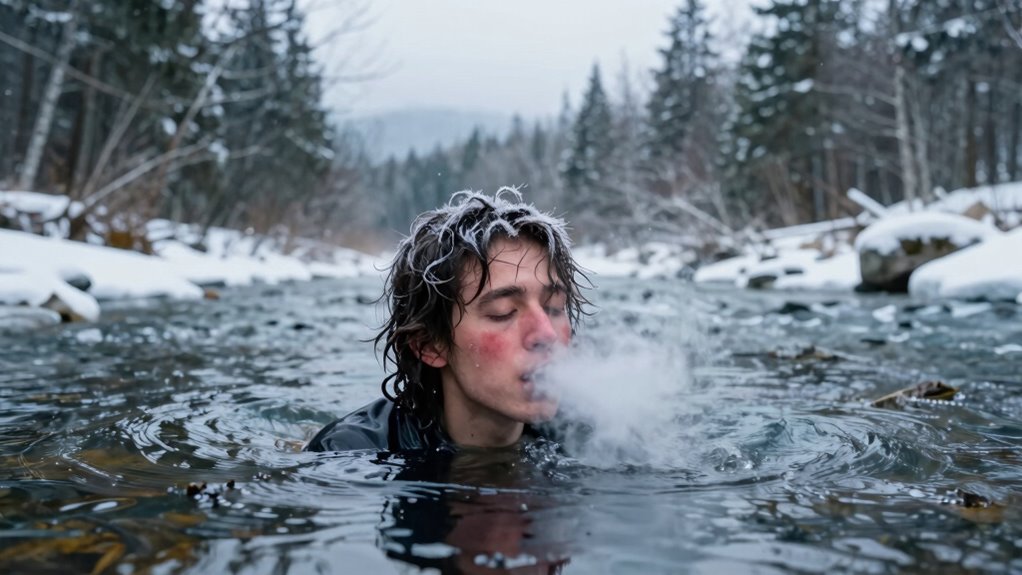
To get the benefits without overdoing it, you should start with short, manageable cold exposure sessions a few times a week. As your body adapts, you can gradually increase both the frequency and duration. Finding the right balance is key to maximizing mental health benefits while avoiding discomfort.
Frequency of Practice
Determining how often and how long to practice cold exposure depends on your experience level and goals. To optimize benefits, start slowly and gradually increase frequency. Consider these guidelines:
- Practice 3-4 times per week to build tolerance without overdoing it.
- Limit initial sessions to 2-3 minutes, focusing on controlled breathing techniques.
- As you progress, extend sessions by 30 seconds to a minute, always listening to your body.
- Consistency is key—regular cold exposure can improve sleep quality and reduce anxiety symptoms over time.
Balancing frequency helps prevent overstimulation and ensures you maintain calm during sessions. Incorporate mindful breathing techniques to enhance relaxation, and remember that consistent practice often yields better results than sporadic, intense sessions.
Optimal Session Duration
Finding the right balance for cold exposure sessions involves selecting both appropriate duration and frequency. To enhance temperature regulation and build mental resilience, start with short sessions, around 2-3 minutes, and gradually increase as your body adapts. Longer exposures can improve your tolerance but may also cause unnecessary stress if overdone. Aim for 3-4 sessions per week, allowing your body sufficient recovery time. Pay attention to how your body responds—if you feel excessively chilled or anxious afterward, scale back. Consistency is key to developing resilience without overtaxing your system. Ultimately, the most suitable session duration varies based on individual tolerance, so listen to your body and adjust accordingly to support mental resilience without risking overwhelm.
Adjusting Cold Exposure to Fit Your Body and Anxiety Levels
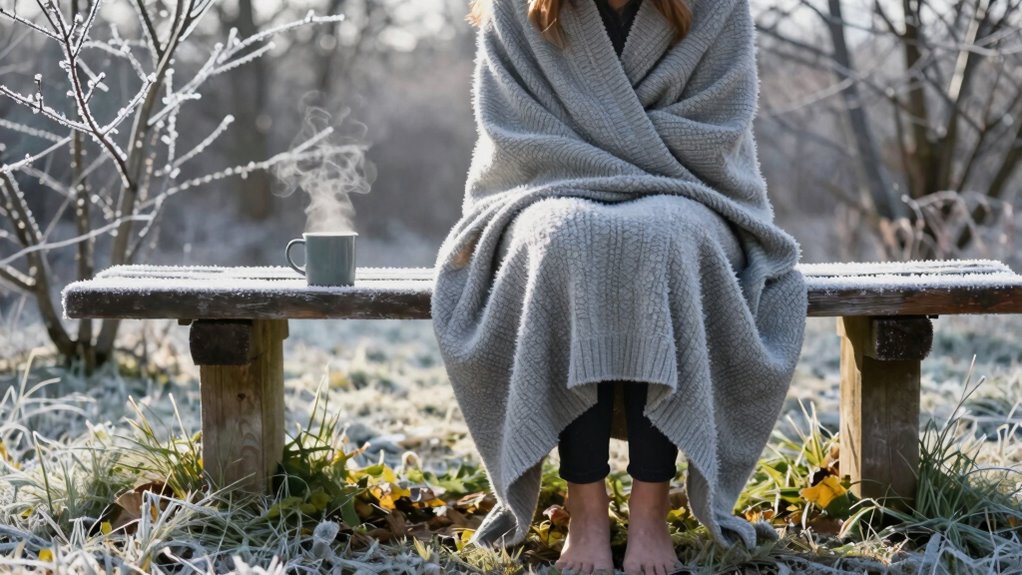
Since everyone’s body and anxiety levels respond differently to cold exposure, it’s important to tailor your approach rather than following a one-size-fits-all routine. To do this effectively:
- Start with shorter sessions and gradually increase duration based on your comfort.
- Focus on breath control to stay calm and prevent panic during cold exposure.
- Use mindset shifts to reframe cold as a challenge rather than a threat.
- Pay attention to your body signals and adjust exposure if you feel overwhelmed or anxious.
Combining Cold Exposure With Other Anxiety-Reducing Strategies
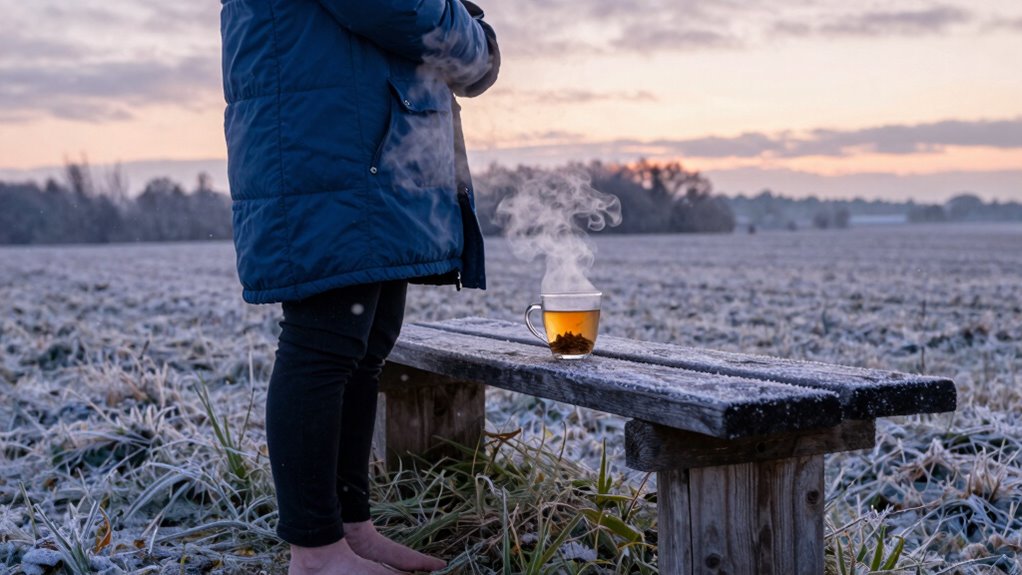
Combining cold exposure with other anxiety-reducing strategies can amplify their calming effects and help you build resilience more effectively. Integrate breathwork techniques, such as deep diaphragmatic breathing or box breathing, to enhance relaxation during or after cold exposure sessions. This breathwork integration can deepen your sense of calm and improve your ability to manage stress. Additionally, pairing cold exposure with sleep improvement strategies, like maintaining a consistent bedtime and creating a relaxing bedtime routine, can boost your overall well-being. Cold exposure may help regulate your nervous system, making it easier to fall asleep and stay asleep. When used together, these strategies reinforce each other, creating a holistic approach to reducing anxiety and strengthening your mental resilience.
When to Seek Professional Advice About Cold Exposure and Anxiety
If you notice persistent anxiety symptoms or experience adverse physical reactions during cold exposure, it’s important to seek professional advice promptly. Recognizing when your cold adaptation or mental resilience is compromised helps prevent potential health risks. Consider consulting a professional if:
- Anxiety worsens or persists despite adjustments
- Physical symptoms like dizziness, chest pain, or extreme fatigue occur
- Cold exposure triggers panic attacks or severe discomfort
- You’re unsure about safe cold exposure practices or have underlying health issues
A healthcare provider can evaluate your response, guide safe cold adaptation, and help you develop strategies to manage anxiety effectively. Prioritizing expert advice ensures you build mental resilience safely and avoid pushing beyond healthy limits.
Frequently Asked Questions
Can Cold Exposure Replace Traditional Anxiety Treatments?
Cold therapy can support anxiety reduction, but it shouldn’t replace traditional treatments. You might find cold exposure helpful as a complementary method to manage stress, improve mood, or boost resilience. However, relying solely on cold therapy isn’t enough for everyone. You need an all-encompassing approach that includes therapy, medication, or other evidence-based strategies. Always talk to a healthcare professional before making significant changes to your anxiety treatment plan.
Are There Specific Cold Exposure Methods Best for Anxiety?
You might find that cold showers combined with breathing techniques work best for anxiety. This method helps you control your breath and calm your mind during cold exposure. Research suggests that gradual immersion and focusing on deep, steady breathing can reduce stress responses. Start with short cold showers, then incorporate mindful breathing to enhance relaxation. This approach can be effective, but listen to your body and avoid overdoing it.
How Quickly Can I Expect Anxiety Relief From Cold Exposure?
You might notice anxiety relief within minutes of cold exposure. When you plunge into cold water, you experience a cold shock that triggers an adrenaline rush, which can help calm your nervous system over time. This immediate response can reduce anxiety symptoms quickly, especially if you practice regularly. However, individual experiences vary, so stay mindful of your body’s reactions and avoid overdoing it to prevent discomfort or adverse effects.
Is Cold Exposure Safe for People With Certain Health Conditions?
Have you ever wondered if cold exposure is safe for your health conditions? If you have cold sensitivity or a compromised immune response, it’s best to consult your doctor first. Cold exposure can strain your body and trigger adverse reactions, especially if you have underlying issues like cardiovascular problems. Always start slowly, listen to your body, and seek medical advice to guarantee it’s safe for you.
What Are the Long-Term Effects of Regular Cold Exposure on Mental Health?
Regular cold exposure can boost your psychological resilience, helping you manage stress better over time. It stimulates hormonal regulation, which may improve your mood and reduce symptoms of anxiety and depression. However, too much cold can cause adverse effects, so balance is key. When practiced safely, consistent cold exposure may support your mental health by strengthening your ability to cope with daily stressors and enhancing overall emotional stability.
Conclusion
Remember, cold exposure is like walking a tightrope—balance is key. When done safely, it can lift your mood and ease anxiety, turning icy waters into an invigorating breeze for your mind. But push too far, and you risk tipping into discomfort or harm. Listen to your body, adjust gradually, and know when to seek help. Embrace this chill journey wisely, and watch how it transforms your mental landscape—like dawn breaking after a long, cold night.
NFL season / tailgating Picks
team gear
As an affiliate, we earn on qualifying purchases.