TL;DR

Get home appliances delivered free with Prime
- Fast, free delivery on millions of items
- Prime Video, Amazon Music and more included
- Member-only deals all year
A Hunker report describes DIYers using wallpaper to make electrical panel covers blend with nearby walls or look like small decorative features. The report also cautions that panels must remain accessible, labels visible and doors able to close properly; local code requirements may apply.
DIYers are using wallpaper to make visible electrical panel covers less conspicuous, according to a Hunker report describing examples shared on social media. The approach can help a metal cover blend into a room, but the report stresses that the panel must remain easy to find and open, and that covering it must not interfere with the door, labels or local electrical rules.
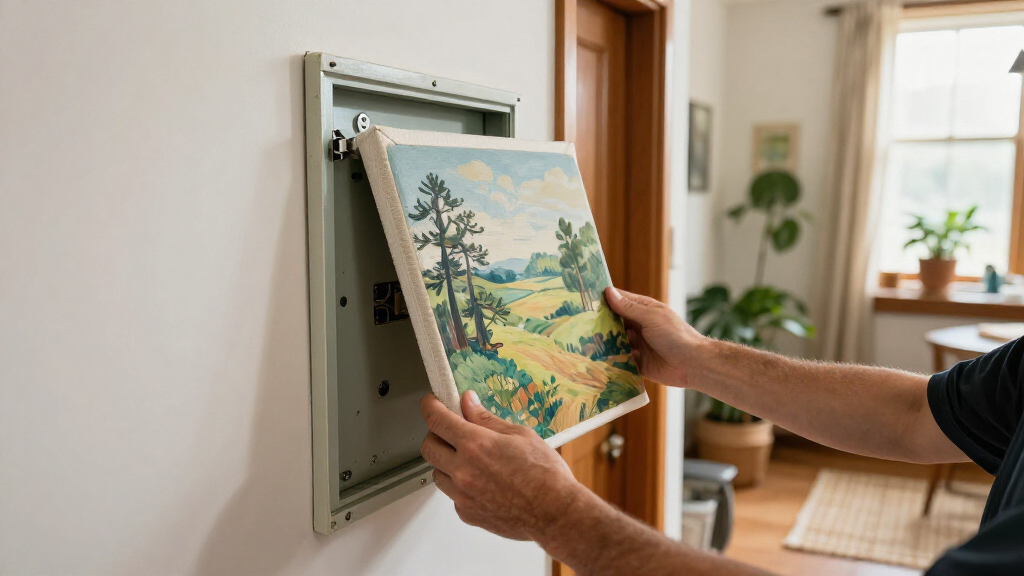
The report describes two approaches: matching paper to wallpaper already on the surrounding wall, or applying a small, patterned piece to a painted wall so the panel reads more like a decorative feature. It cites social media examples, including work by TikTok user cowapocalypses, whose project uses patterned paper on a painted wall. Hunker contrasts the idea with hanging artwork over a panel, which it says may look out of place in some rooms.
For a panel in a wallpapered room, the report suggests aligning a separate piece of paper with the surrounding pattern. It also describes peel-and-stick wallpaper as an option for a smaller application. In one method, the paper is placed over the closed panel door and trimmed around the door seam so it does not fold into the opening. Another method applies cut pieces to the outside of the door and the surrounding cover edges.
Hunker advises leaving the handle visible or cutting around it so the panel can be opened quickly. It also warns against putting adhesive on the back of the door or inside the electrical box, covering required exterior labels, or preventing the door from closing and sealing properly. The article does not establish that any particular wallpaper product or application method is approved for every panel or jurisdiction.
Aesthetic Changes Must Preserve Panel Access
Electrical panels serve a safety function, not just a visual one. Hunker says the metal covers are designed to contain heat if a problem occurs, making it important not to alter the cover in a way that compromises its fit or operation. A decorative treatment that hides the handle or makes the panel difficult to locate could also delay access when someone needs to shut off a circuit or respond to an emergency.
The practical distinction is between changing the appearance of the exterior and obstructing the equipment. Wallpaper may offer a less bulky alternative to a framed picture or cabinet, but the finished panel still needs to be identifiable, reachable and operable. That matters to household members and potentially to emergency responders, as the report notes.
Homeowners should also account for rules that apply to their property. Because the Hunker article does not identify a single code standard covering all locations, it directs readers to check local requirements rather than assuming that a visually neat covering is permitted. If the panel’s condition, clearance or safe operation is uncertain, a qualified electrician can advise before any alteration.
peel and stick wallpaper removable patterned
As an affiliate, we earn on qualifying purchases.
As an affiliate, we earn on qualifying purchases.
From Visible Metal Door to Wall Detail
Electrical panels are sometimes placed in basements or utility areas, but they can also be located in living rooms, bedrooms and hallways. In those more visible locations, a plain metal door may stand out against a finished wall. Hunker’s report frames wallpaper as a small-scale decorating response to that problem, rather than a proposal to conceal the panel behind a permanent structure.
The examples described range from matching a panel to existing wallpaper to using a contrasting pattern as a deliberate accent. On a painted wall, the report says, a small paper panel can be treated like a picture or given a frame-like appearance. These are design suggestions drawn from the report; it does not provide testing, building-code findings or evidence comparing the safety of different wallpaper materials.
The application details matter because the electrical cover has moving edges and a door that must still function. Hunker describes trimming paper at the seam and around the handle, while cautioning that no material or adhesive should extend into the box. Its guidance is limited to the exterior cover and should not be read as instructions for working on electrical components.
““Wallpaper can be a creative way to hide your breaker box or electrical panel and maintain the aesthetic of your space.””
— Hunker report
wallpaper sample swatches for pattern matching
As an affiliate, we earn on qualifying purchases.
As an affiliate, we earn on qualifying purchases.
Local Rules and Material Suitability Vary
The supplied report does not name the locations where the social-media projects were completed, identify the applicable electrical codes, or confirm whether local authorities approved the coverings. It also does not assess the fire performance of specific wallpaper, adhesives or peel-and-stick products when used on panel covers. Those details may affect whether a particular method is suitable.
It is also unclear whether each example keeps all required markings visible or maintains the panel’s original clearances. The report’s general cautions do not replace an inspection of an individual installation. Homeowners should check local rules and the panel manufacturer’s instructions, and should not apply material if it interferes with the door, handle, labels or enclosure.
wallpaper smoothing tool and precision trimming kit
As an affiliate, we earn on qualifying purchases.
As an affiliate, we earn on qualifying purchases.
Check the Panel Before Decorating
For anyone considering the idea, the next step is to confirm that local code and any applicable manufacturer instructions allow an exterior decorative covering. The panel should remain easy to spot and reach; its handle and required labels should stay visible, and its door must close and seal as designed. Wallpaper and adhesive should remain on the outside only, with nothing entering the enclosure.
This report describes a decorating trend, not a newly announced safety standard or a tested product recommendation. It provides no follow-up findings on how the cited projects performed over time. If a panel is damaged, unusually warm, difficult to open or otherwise concerning, do not cover it; contact a licensed electrician. Any work involving the panel’s electrical components should be handled by a qualified professional, not treated as a wallpaper project.
Key Questions
Can wallpaper be used to disguise an electrical panel?
Hunker describes DIYers applying wallpaper to the exterior of panel covers. Whether a specific material and installation are acceptable depends on the panel, product instructions and local rules.
How can the panel stay accessible?
Keep the panel easy to find and open. Hunker advises leaving the handle visible, preserving required labels and making sure the door still closes and seals properly.
Can wallpaper or adhesive go inside the electrical box?
No. The report cautions against getting adhesive on the back of the door or inside the enclosure. Its suggestions concern the exterior cover only.
Do local codes allow electrical panels to be covered?
Requirements may vary by location. Hunker advises checking local codes; the report does not establish a universal rule for every home or jurisdiction.
Should a homeowner alter a panel that is damaged or difficult to open?
No. Do not conceal a panel with a safety or operating problem. Contact a licensed electrician to assess it before making decorative changes.
Source: rss
NFL season / tailgating Picks
team gear
As an affiliate, we earn on qualifying purchases.