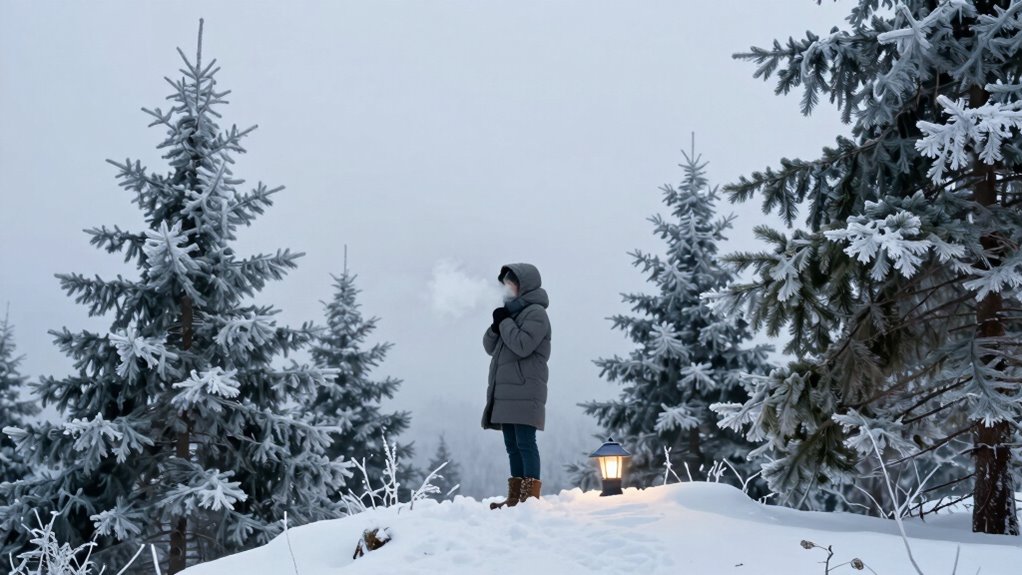

Sustainable cold exposure means gradually building your body’s resilience through consistent, safe practices like cold showers or outdoor walks. Start small, listen to your signals, and increase intensity or duration gradually over time. Focus on creating a routine that’s manageable and enjoyable, rather than extreme. This approach boosts your physical and mental toughness, helping you adapt to real-life temperature swings. Keep exploring, and you’ll discover more ways to incorporate cold exposure into everyday life safely.

Get home appliances delivered free with Prime
- Fast, free delivery on millions of items
- Prime Video, Amazon Music and more included
- Member-only deals all year
Key Takeaways
- Begin with manageable exposures like cold showers and gradually increase duration to build tolerance safely.
- Prioritize consistency over intensity to create sustainable, long-term cold exposure habits.
- Listen to your body’s signals to avoid overexertion and prevent injury or burnout.
- Incorporate mindfulness techniques to enhance mental resilience during cold experiences.
- Focus on gradual adaptation, integrating cold exposure into overall wellness routines for lasting benefits.
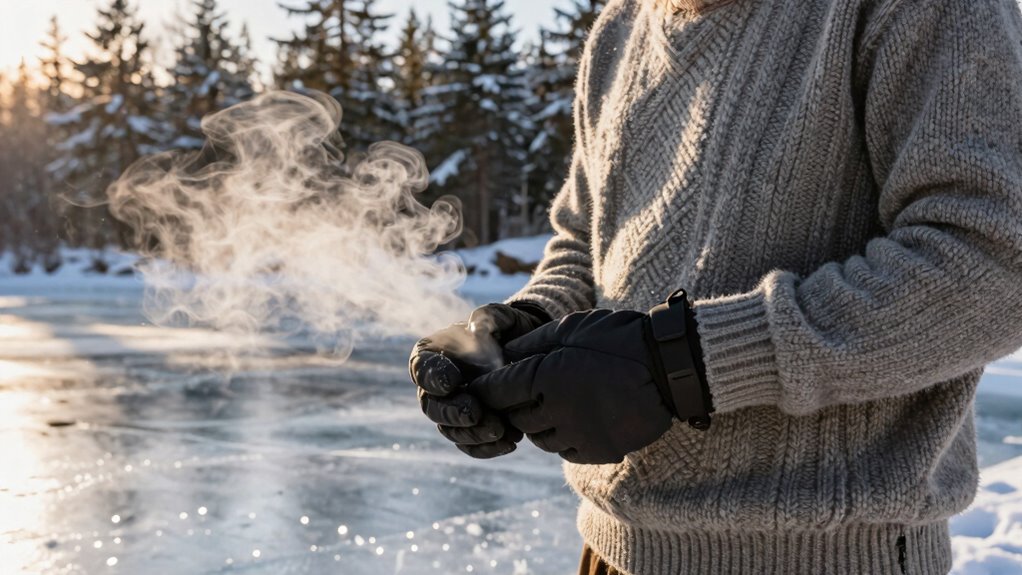
Cold exposure is gaining popularity as a practical way to boost health and resilience in everyday life. When you deliberately expose yourself to cold temperatures, you’re tapping into your body’s natural ability to adapt, which can lead to improved thermal regulation. This process helps your body become more efficient at maintaining its core temperature, even when faced with sudden shifts in the environment. Over time, regular cold exposure trains your nervous system to respond more effectively, making you less vulnerable to the stress of temperature fluctuations. As you get used to colder conditions, your body learns to conserve heat better, reducing the energy it expends to stay warm. This not only enhances your physical resilience but also makes you more comfortable in varied climates, whether you’re outdoors in winter or in unheated spaces. Additionally, cold exposure can stimulate brown fat activation, which is a natural mechanism for increasing energy expenditure and heat production in the body. Beyond physical benefits, cold exposure also plays a significant role in strengthening your mental resilience. The initial shock of cold water or air can be intense, but by consistently facing this discomfort, you develop mental toughness. You learn to manage your reactions and stay calm amidst stress, which translates into a broader capacity to handle life’s challenges. Developing this skill can also help you improve your stress management in other areas of your life. The mental discipline you build through cold exposure fosters a sense of control and confidence, helping you approach difficulties with greater emotional health. Incorporating gradual adaptation techniques ensures that your body adjusts safely and sustainably over time. Using mindfulness practices during cold exposure can further enhance your mental resilience, helping you stay present and focused. Sustainable cold exposure involves integrating it into your routine thoughtfully, without overdoing it. You don’t need to plunge into freezing water every day; instead, start with manageable exposures, such as cold showers or brief outdoor walks in cooler weather. Over time, you can gradually increase the duration or intensity, always listening to your body’s signals. The goal is consistency rather than extremes. This approach ensures you benefit from improved thermal regulation and mental resilience without risking burnout or injury. It’s about creating a habit that fits your lifestyle, making cold exposure a sustainable part of your wellness routine.
As an affiliate, we earn on qualifying purchases.
Frequently Asked Questions
How Often Should I Practice Cold Exposure for Sustainable Benefits?
You should practice cold exposure 3 to 4 times a week to support sustainable benefits. This frequency helps your body develop cold adaptation while improving thermal regulation over time. Consistency is key, so listen to your body and gradually increase exposure as you feel comfortable. Regular practice boosts your resilience, enhances circulation, and promotes overall well-being, making cold exposure a practical, long-lasting part of your wellness routine.
Are There Specific Health Conditions That Contraindicate Cold Exposure?
If you have a cold allergy or Raynaud’s phenomenon, cold exposure might not be safe for you. These conditions cause abnormal blood vessel responses, making cold exposure risky by increasing discomfort or triggering symptoms. You should consult your healthcare provider before trying cold exposure, especially if you experience numbness, color changes in fingers or toes, or other unusual reactions to cold. Safety always comes first with these health conditions.
What Are the Long-Term Effects of Regular Cold Exposure?
You might wonder about the long-term effects of regular cold exposure. It can lead to thermal adaptation, making your body more efficient at handling cold, and trigger hormonal responses that boost your resilience. Over time, these changes could improve your immune system and mental clarity. But, stay cautious—prolonged exposure may also have risks. Keep a balance, listen to your body, and enjoy the subtle yet powerful shifts happening beneath the surface.
Can Cold Exposure Improve Mental Health or Cognitive Function?
Cold therapy can boost your mental health and cognitive function by increasing mental resilience. When you regularly expose yourself to cold, you train your mind to handle stress better, which can reduce anxiety and improve mood. Plus, cold exposure stimulates the release of endorphins and norepinephrine, enhancing focus and alertness. Over time, this practice helps you build resilience and mental clarity, making daily challenges feel more manageable.
What Are the Best Clothing Options for Cold Exposure Practices?
Think of your clothing as a fortress against the cold. You should start with moisture-wicking base layers that keep sweat away, then add insulating mid-layers for warmth, and finish with a waterproof outer shell to block wind and moisture. Layering strategies help you adapt to changing conditions, so choose breathable, quick-drying fabrics that trap heat without overheating. This combination keeps you comfortable, safe, and ready to embrace cold exposure practices.
As an affiliate, we earn on qualifying purchases.
Conclusion
So, are you ready to embrace cold exposure as part of your sustainable lifestyle? It’s about small, consistent steps that boost your resilience and well-being without harm to the planet. By listening to your body and respecting your limits, you can make cold exposure a safe, effective practice. Why not take that first chill today and see how it transforms your life—won’t you feel more empowered to handle whatever comes your way?
As an affiliate, we earn on qualifying purchases.
As an affiliate, we earn on qualifying purchases.
Columbus Day / Indigenous Peoples' Day Picks
long weekend sales
As an affiliate, we earn on qualifying purchases.