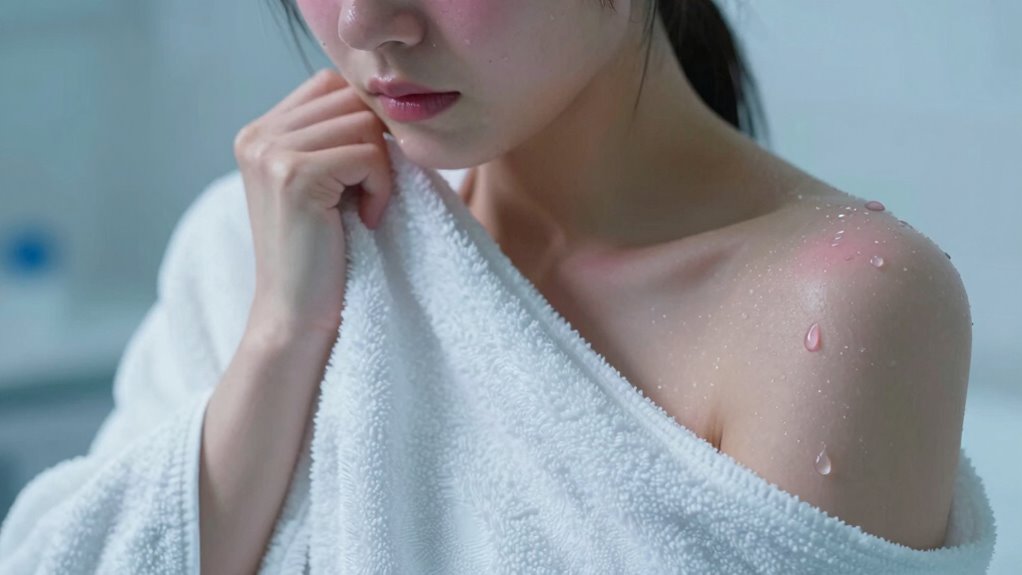

The “afterdrop” effect happens when your core temperature keeps dropping even after you switch from cold to warm treatments. This occurs because blood vessels temporarily constrict then suddenly dilate, causing heat to escape from your core and making you feel cold longer. Rapid temperature shifts and circulation lag contribute to this sensation. To better understand how to minimize discomfort and stay safe, keep exploring how contrast therapy influences your body’s response.
Open a free Amazon Business account
Business pricing, bulk buying and tax-exempt orders.
As an affiliate, we earn on qualifying purchases.
Key Takeaways
- Afterdrop occurs when vasoconstriction rebound causes core body temperature to continue dropping after warm treatments.
- Rapid blood vessel changes during contrast therapy can trigger cold sensations despite stable core temperatures.
- The effect results from delayed heat redistribution and sluggish circulatory responses.
- Maintaining gradual temperature shifts and gentle movement helps reduce afterdrop and improve comfort.
- Persistent cold feelings may indicate underlying thermoregulation issues needing medical evaluation.
As an affiliate, we earn on qualifying purchases.
What Is the Afterdrop Effect During Contrast Therapy?
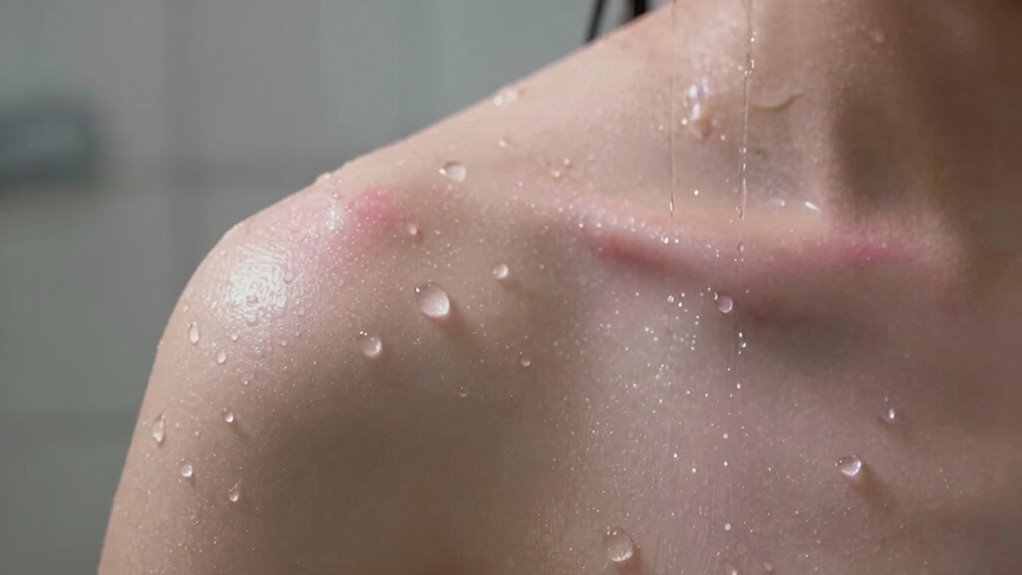
The afterdrop effect occurs when, during contrast therapy, your core body temperature continues to drop even after switching from cold to warm treatments. This happens because your body experiences vasoconstriction rebound, where blood vessels that constricted in response to cold suddenly dilate. This rapid change can cause heat to escape from your core, leading to a continued temperature decrease. Additionally, contrast therapy can disrupt your body’s thermoregulation processes, making it harder to stabilize your internal temperature. Instead of quickly warming up, your body might respond sluggishly, prolonging the feeling of cold. Understanding this effect helps you recognize why you might still feel chilly even after switching to warm treatments, and it highlights the importance of controlling the timing and intensity of contrast therapy. Proper regulation of temperature is essential to prevent excessive heat loss and ensure safe recovery during the process. Recognizing the vasoconstriction rebound phenomenon can help tailor your therapy sessions to minimize discomfort and improve overall effectiveness. Being aware of the thermoregulation disruption can also guide you in adjusting treatment parameters to enhance comfort and safety.
As an affiliate, we earn on qualifying purchases.
Why Does Cold Linger After Alternating Hot and Cold Treatments?

Have you ever noticed how cold can stick around even after switching from hot to cold treatments? This lingering cold happens because your body’s thermoregulation issues and circulatory response don’t reset instantly. When you alternate between hot and cold, your blood vessels expand and contract rapidly, but your body needs time to stabilize. If your circulatory response is sluggish or your thermoregulation system is out of balance, heat distribution becomes uneven. This causes residual coldness in certain areas, even after the temperature change. Your body continues to adjust, trying to restore equilibrium, but it can take longer for your core temperature to normalize. That’s why the cold persists, making you feel chilly long after the treatment switches. Additionally, vasodilation and vasoconstriction play crucial roles in how your body manages rapid temperature shifts, affecting the duration of the afterdrop effect. Moreover, thermoregulatory mechanisms may be delayed or impaired in some individuals, prolonging the sensation of coldness.
cold therapy circulation devices
As an affiliate, we earn on qualifying purchases.
As an affiliate, we earn on qualifying purchases.
How Contrast Therapy Affects Your Body’s Temperature and Causes Cold Feelings

Contrast therapy influences your body’s temperature by rapidly shifting blood flow and heat distribution, which can lead to sensations of cold even when you’ve just switched to a warmer environment. When you alternate between hot and cold, your blood flow changes quickly, causing blood vessels to constrict and dilate. This process affects the nerve response, signaling to your brain that you’re cold, even if your core temperature hasn’t dropped markedly. The rapid adjustments in blood flow can cause your skin and muscles to feel chilled as blood moves away from or toward the surface. These temperature fluctuations are a natural response to contrast therapy, but they can also trigger the feeling of coldness, especially if your nervous system is sensitive to these quick changes in heat and blood flow. Additionally, this phenomenon is sometimes referred to as the “afterdrop” effect, which explains why the cold sensation persists even after returning to a warm environment. The blood vessel response during contrast therapy is a key factor in understanding this lingering cold feeling. Furthermore, individual differences in vasomotor regulation can influence how strongly someone experiences this effect. In some cases, the body’s thermal regulation mechanisms may take time to stabilize after such rapid temperature shifts. A better understanding of these temperature regulation processes can help individuals manage their responses more effectively.
As an affiliate, we earn on qualifying purchases.
Simple Strategies to Minimize the Afterdrop and Stay Comfortable
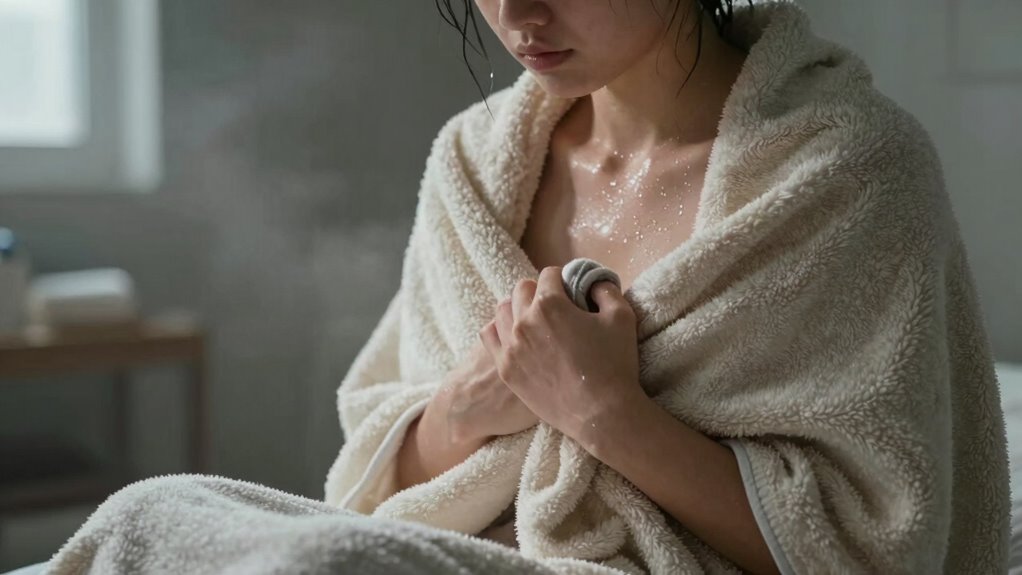
To minimize the afterdrop and stay comfortable during contrast therapy, focus on maintaining gentle, consistent movements and gradual temperature changes. This helps your body’s thermal regulation adapt smoothly, reducing sudden chills. Incorporate simple comfort strategies like staying active between sessions, which encourages blood flow, or keeping warm clothing nearby for quick adjustments. Hydrate well, as proper hydration supports your body’s ability to regulate temperature effectively. Also, listen to your body and avoid overstimulation from rapid temperature shifts. Paying attention to pool chemistry can also prevent unexpected reactions and enhance your comfort during therapy. Ensuring proper biological responses can optimize your experience and safety. Additionally, monitoring your core temperature can help prevent overexposure to cold or heat, promoting safer contrast sessions. Being aware of thermal regulation processes can further help you manage your body’s response and improve overall comfort during the therapy. Incorporating techniques that support circulatory health can further aid in maintaining a balanced body temperature throughout the process.
When to Seek Medical Advice for Persistent Cold After Contrast Therapy
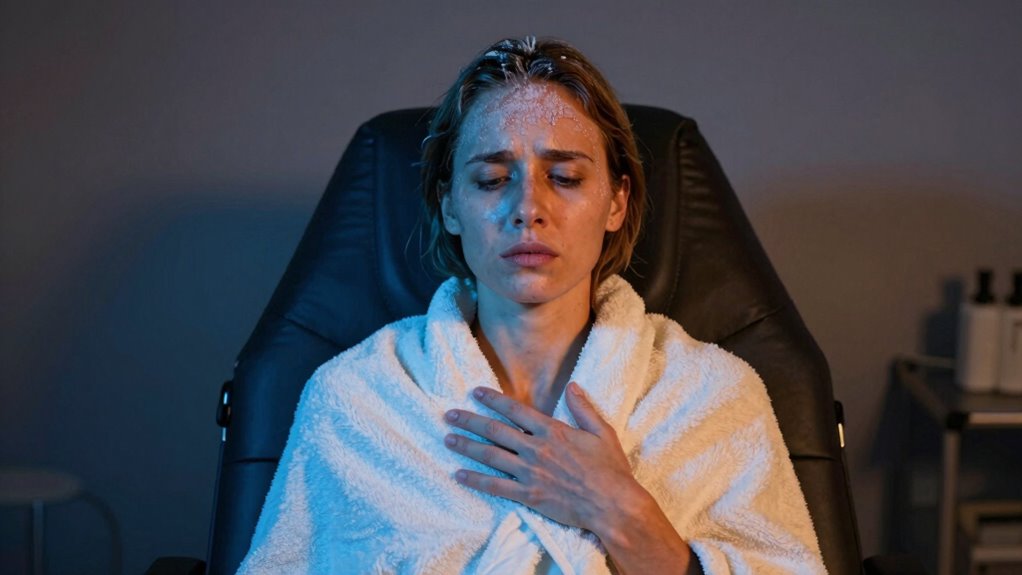
While gentle movements and gradual temperature changes help prevent discomfort during contrast therapy, persistent cold sensations after a session may signal a problem. If you continue to feel unusually cold or experience symptoms like dizziness, numbness, or weakness, it’s time to seek medical advice. These signs could indicate issues with your body’s temperature regulation or underlying health concerns. Relying solely on home remedies, such as warming blankets or hot drinks, isn’t enough if symptoms persist. A healthcare professional can assess if there’s a deeper issue and recommend appropriate treatment. Additionally, understanding the importance of contrast ratio and how it affects the quality of your experience can help you better recognize when something is amiss. Proper cables and hardware ensure safe and effective contrast therapy sessions. Maintaining awareness of body temperature regulation mechanisms can help prevent complications associated with the “afterdrop” effect. Recognizing the symptoms of hypothermia early can be crucial in preventing serious health risks. Being informed about thermal regulation processes can further aid in understanding your body’s response to temperature changes. Don’t ignore ongoing cold sensations; prompt medical attention ensures your safety and helps prevent complications related to the “afterdrop” effect or other health risks.
Frequently Asked Questions
Can the Afterdrop Effect Cause Any Health Complications?
The afterdrop effect can cause health complications if temperature fluctuations are extreme or prolonged. When your core temperature drops due to circulation impact, you might experience symptoms like shivering, dizziness, or even hypothermia in severe cases. If you have underlying health conditions or feel unusually cold for too long, it’s essential to seek medical attention. Managing contrast therapy carefully helps prevent these risks and maintains safe circulation and temperature balance.
How Long Does the Afterdrop Typically Last?
The afterdrop typically lasts between 10 to 20 minutes, though it can vary based on individual factors. During this time, you’ll feel a persistent cold sensation due to the temperature rebound effect, where your body’s core temperature continues to drop even after warming treatments. To reduce discomfort, keep moving gently and stay warm. If the cold sensation persists beyond this period, consult a healthcare professional for guidance.
Does Age Influence the Severity of the Afterdrop?
Age can turn the afterdrop into a more stubborn shadow, especially if you’re in the elderly circle. Your age-related sensitivity and slower circulation make it harder for your body to bounce back from temperature shifts. As you grow older, your blood flow struggles to distribute warmth evenly, intensifying the cold sensation. So, yes, age influences the severity of the afterdrop, making it feel longer and more pronounced for seniors.
Are Certain Medical Conditions More Affected by Contrast Therapy?
Certain medical conditions can be more affected by contrast therapy. If you have cardiovascular issues, circulation problems, or nerve disorders, contrast therapy might pose risks or exacerbate symptoms. Always consult your healthcare provider before starting contrast therapy, especially if you have underlying medical conditions. They can help determine whether this treatment is safe for you and guarantee you avoid potential adverse effects like increased discomfort or complications.
Can Hydration Levels Impact the Afterdrop Sensation?
Ironically, staying hydrated might not stop that persistent chill. Your hydration status and electrolyte balance directly influence your body’s ability to regulate temperature. When you’re dehydrated, your blood flow diminishes, making you more prone to feeling cold after contrast therapy. Proper hydration helps maintain electrolyte balance, supporting blood circulation and warmth. So, yes, drinking enough fluids could lessen the afterdrop sensation, but neglecting it might just prolong that icy feeling.
Conclusion
Understanding the afterdrop effect helps you stay comfortable during contrast therapy, preventing that relentless, icy grip from taking over. By following simple tips, you can outsmart the cold and enjoy the benefits without feeling like you’re trapped in an Arctic blast. Remember, if the cold persists longer than expected or feels unbearable, don’t hesitate to seek medical advice—your body’s signals are louder than a thunderclap. Stay warm, stay safe, and conquer that chill!
Fall Picks
fall essentials
As an affiliate, we earn on qualifying purchases.