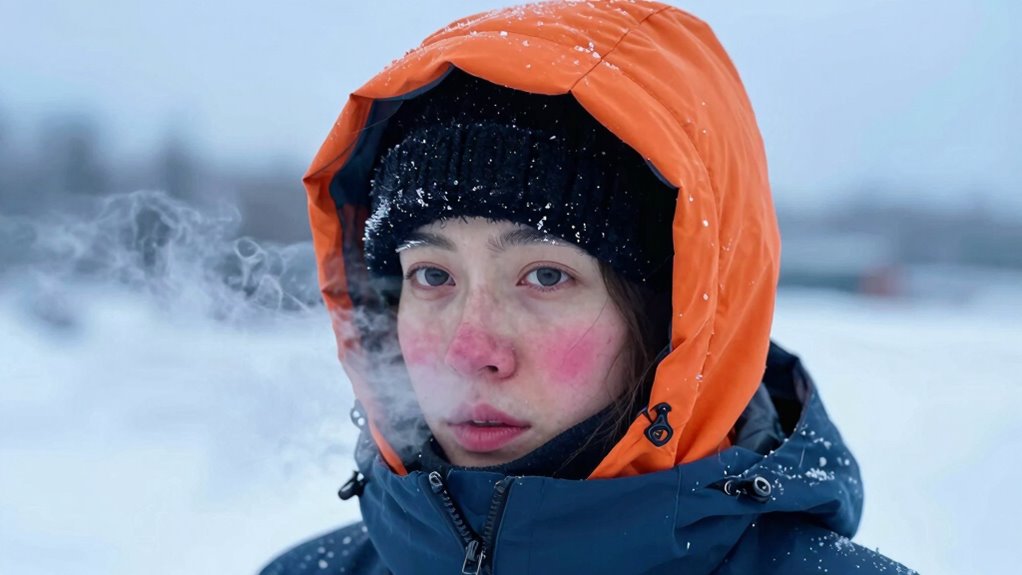

Cold exposure activates your body’s stress response, boosting the release of hormones like adrenaline and norepinephrine, which sharpen your focus and increase alertness. It triggers thermogenesis and neural activity that make you feel more awake and attentive quickly. Over time, repeated exposure can improve these effects, enhancing resilience and mood. Curious about how these processes work together to boost mental energy? Keep exploring to discover more about the science behind these benefits.

Get home appliances delivered free — and shop member deals
- Fast, free delivery on millions of items
- Access to Prime Big Deal Days deals on October 6–7
- Prime Video, Amazon Music and more included
Key Takeaways
- Cold exposure activates the neuroendocrine system, releasing hormones like norepinephrine that boost alertness and focus.
- It increases metabolic activity and thermogenesis, leading to heightened energy levels and mental wakefulness.
- Activation of brain regions involved in vigilance enhances attention and mental clarity after cold exposure.
- Repeated exposure may improve baseline alertness through neuroplasticity and stress resilience.
- The physiological stress response from cold stimulates neurotransmitter release, promoting a more alert and focused mental state.

Cold exposure has a powerful effect on your alertness levels by triggering physiological responses that boost focus and energy. When you step into a cold environment, your body reacts by activating processes studied extensively in thermogenesis research. This process involves generating heat to maintain your core temperature, which requires your body to ramp up metabolic activity. As your metabolism accelerates, your body produces more heat, and this increase in energy expenditure can lead to heightened alertness. The science suggests that this thermogenic response isn’t just about keeping warm—it also influences your mental state, making you feel more awake and attentive.
Cold exposure boosts alertness by activating thermogenesis, increasing metabolism, and enhancing focus and mental energy.
At the core of this response is your neuroendocrine system, which plays a crucial role in how your body reacts to cold. When exposed to low temperatures, your brain signals the release of hormones such as noradrenaline and adrenaline. These hormones are part of the neuroendocrine response that prepares your body for action. They increase heart rate, elevate blood flow, and stimulate your nervous system, sharpening your mental focus. This heightened state of arousal explains why many people report feeling more alert after cold exposure. Your body perceives the cold as a stressor, and in turn, it boosts alertness as part of its survival mechanism.
Scientific research supports these observations, showing that cold exposure activates parts of your brain involved in vigilance and attention. The neuroendocrine response helps you stay alert by increasing the availability of neurotransmitters associated with focus, like norepinephrine. This neurotransmitter is a key player in the body’s fight-or-flight response, and when released in response to cold, it enhances alertness, concentration, and even mood. As a result, you may find yourself more attentive and energized after a brief cold shower or exposure to cold environments. Additionally, some studies suggest that repeated cold exposure may lead to long-term improvements in neuroplasticity, potentially enhancing overall cognitive resilience. Research also indicates that cold exposure can influence hormonal regulation, further supporting its benefits for mental clarity.
Moreover, regular cold exposure might even improve your baseline alertness over time, as your body adapts through ongoing thermogenesis and neuroendocrine adjustments. This adaptation can make you more resilient to stress and better equipped to stay focused during demanding tasks. Understanding thermogenesis helps explain how cold exposure can be a natural way to enhance mental clarity and energy levels. Interestingly, this ongoing adaptation process demonstrates how physiological pathways activated by cold exposure can influence your overall mental state. Additionally, some evidence suggests that these adaptations may also contribute to improved mood and reduced stress levels through hormonal balance. Ultimately, the science shows that this natural, physiological response can be a powerful tool for enhancing your alertness, making cold exposure a simple yet effective way to boost your mental clarity and energy levels.
As an affiliate, we earn on qualifying purchases.
Frequently Asked Questions
How Long Should I Stay in Cold Exposure for Optimal Alertness?
You should stay in cold exposure for about 2 to 5 minutes to optimize alertness, allowing your body to build cold adaptation and experience hormetic stress benefits. Longer durations may lead to discomfort or hypothermia, so keep it brief. This moderate exposure stimulates your nervous system, boosting alertness without risking adverse effects. Always listen to your body and gradually increase exposure time as your tolerance improves.
Are There Any Risks Associated With Frequent Cold Exposure?
Cold exposure is like walking a tightrope—you need balance. Frequent exposure can increase your cold shock risk and, if not careful, lead to hypothermia. Overdoing it might weaken your immune system or cause skin damage. Always listen to your body, limit your time in cold water, and gradually build tolerance. Consulting a healthcare professional helps minimize risks and guarantees safe cold exposure practices.
Does Cold Exposure Benefit Everyone Equally?
Cold exposure doesn’t benefit everyone equally because individual variability and genetic factors play significant roles. Some people may experience heightened alertness and improved mood, while others might feel uncomfortable or even stressed. Your unique physiology influences how your body responds, so you might see positive effects, but it’s not guaranteed for everyone. Pay attention to your body’s signals, and consult a healthcare professional if you’re unsure about incorporating cold exposure into your routine.
Can Cold Exposure Improve Mental Focus Temporarily or Permanently?
Think of cold exposure as sharpening your mental compass. It can boost your focus temporarily by triggering thermal adaptation and a spike in cortisol response, sharpening alertness like a lighthouse beam. While this heightened state may fade, regular cold exposure could help you build resilience, possibly contributing to long-term mental clarity. So, yes, it can improve focus both temporarily and, with consistency, over time.
What Are the Best Methods to Safely Practice Cold Exposure?
To safely practice cold exposure, start gradually to build cold adaptation and prevent hypothermia. Use methods like cold showers and brief ice baths, and always set a safe time limit. Focus on hypothermia prevention by monitoring your body’s signals and keeping core temperature stable. Gradually increase exposure duration as your body adapts, ensuring you stay safe and avoid risks while reaping the mental and physical benefits of cold exposure.
As an affiliate, we earn on qualifying purchases.
Conclusion
So, next time you dip into the icy unknown, remember it’s not just a thrill—it’s a jolt to your alertness. Cold exposure tricks your body into a state of heightened awareness, much like the frantic energy of a Victorian street scene. While it’s no magic elixir, embracing these chilly moments can sharpen your mind and invigorate your day. Don’t be a laggard—step into the cold and awaken your senses, just like the pioneers before you.
thermal regulation wearable devices
As an affiliate, we earn on qualifying purchases.
As an affiliate, we earn on qualifying purchases.
neuroplasticity cognitive training tools
As an affiliate, we earn on qualifying purchases.
As an affiliate, we earn on qualifying purchases.
Halloween Picks
halloween
As an affiliate, we earn on qualifying purchases.