
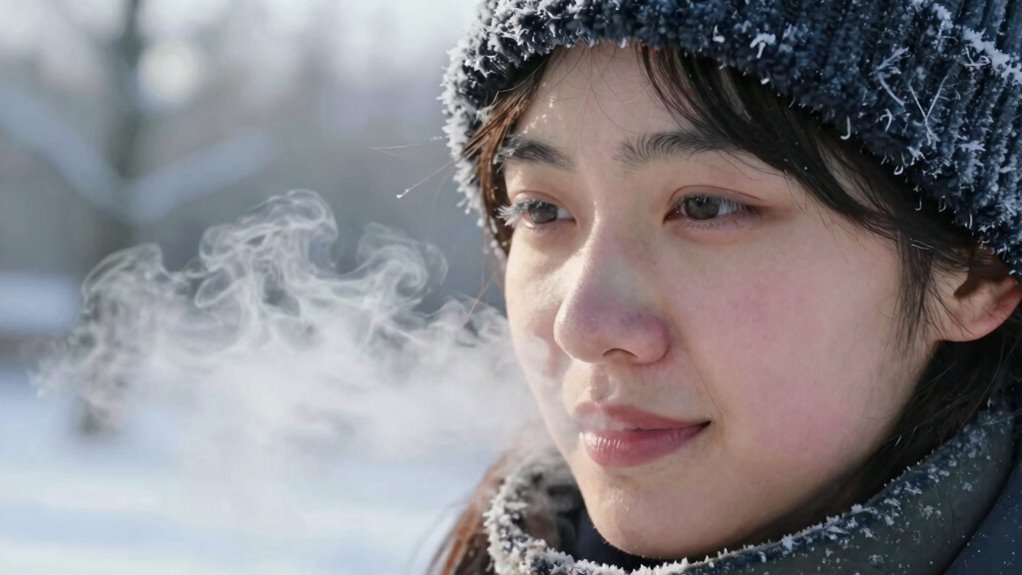

Cold exposure makes you feel mentally sharp because it triggers your body’s fight-or-flight response, releasing adrenaline that boosts alertness and focus. It stimulates your nervous system, increasing metabolic activity and clearing mental fog. Over time, your body adapts, improving thermoregulation and resilience, which keeps you feeling energized and clear-headed. This natural stimulant helps reduce fatigue and sharpens your thoughts. Keep exploring to understand how these physiological reactions can work even better for you.

Get home appliances delivered free with Prime
- Fast, free delivery on millions of items
- Prime Video, Amazon Music and more included
- Member-only deals all year
Key Takeaways
- Cold exposure activates the sympathetic nervous system, increasing adrenaline and enhancing mental alertness.
- It stimulates metabolic activity, clearing mental fog and sharpening cognitive focus.
- The physiological stress triggers a surge in mental resilience and clarity over time.
- Cold exposure boosts thermoregulation, leading to quicker adaptation and sustained mental sharpness.
- The natural stimulant effect of cold enhances concentration, decision-making, and mental stamina.
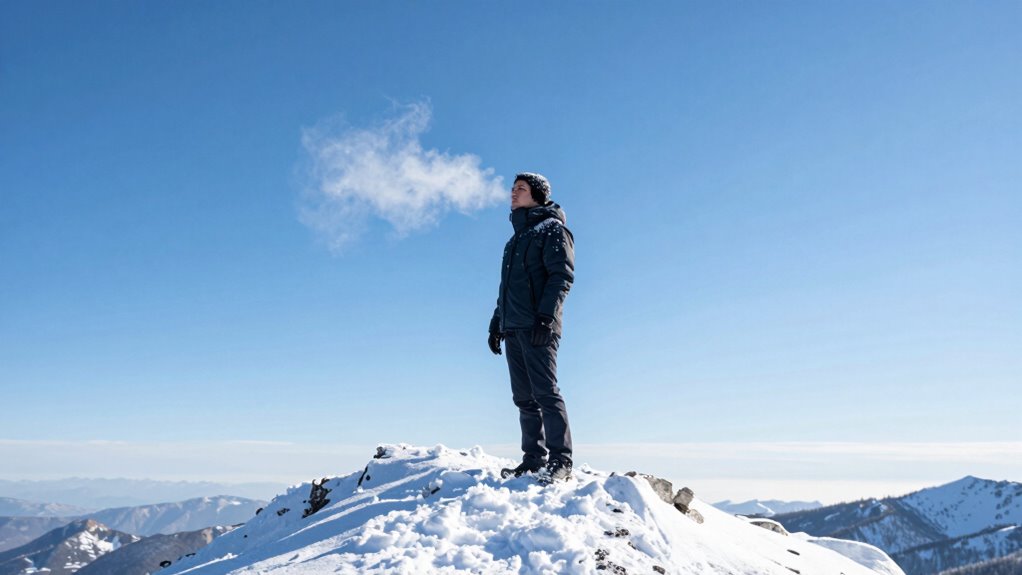
Many people find that brief exposure to cold can boost mental clarity and focus. When you step into a cold environment or take a cold shower, your body rapidly reacts to the sudden temperature change. This reaction isn’t just about physical sensations; it’s deeply connected to how your body manages thermoregulation efficiency and your adrenaline response. Your body’s ability to regulate its core temperature becomes more active, prompting a series of physiological changes that can sharpen your mind.
As you expose yourself to cold, your thermoregulation efficiency kicks in. Your body works harder to maintain a stable internal temperature, which requires increased metabolic activity and energy expenditure. This process stimulates your nervous system and can help clear mental fog, making your thoughts feel more alert and precise. The more efficient your thermoregulation, the quicker your body adapts to the cold, which can lead to a heightened sense of mental acuity. Over time, habitual cold exposure may even improve your body’s ability to respond to temperature fluctuations, further enhancing your overall mental resilience. Incorporating cold exposure into your routine can also promote a healthy stress response, which benefits mental health. Engaging in consistent cold exposure can also help your body develop a more resilient thermoregulatory system, making future cold challenges easier to handle. Additionally, these physiological adaptations can contribute to a long-term boost in mental clarity.
Simultaneously, cold exposure triggers a significant adrenaline response. When you’re suddenly cold, your sympathetic nervous system activates, releasing adrenaline into your bloodstream. This hormone acts swiftly, increasing heart rate, blood flow, and alertness. The surge of adrenaline heightens your senses and sharpens your focus, giving you that “wired” feeling that many associate with mental clarity. The response is an evolutionary survival mechanism, priming you to react quickly to danger, but it also has the side effect of making you feel more alert and cognitively sharp. Additionally, regular cold exposure can promote adrenaline regulation, helping to balance these responses over time.
Many people find that these combined effects—improved thermoregulation efficiency and a spike in adrenaline—create a mental state that feels invigorating. The cold acts as a natural stimulant, clearing away fatigue and mental sluggishness. If you’re accustomed to cold exposure, you might notice an increased ability to concentrate, better decision-making, and enhanced mental stamina throughout the day. The key lies in your body’s ability to adapt; as your thermoregulation becomes more efficient and your adrenaline response becomes more controlled, you’ll likely experience even greater mental benefits from cold exposure. Thermoregulation efficiency plays a crucial role in this process.
As an affiliate, we earn on qualifying purchases.
Frequently Asked Questions
Can Cold Exposure Improve Overall Cognitive Function Long-Term?
Cold exposure can boost your long-term cognitive function by promoting cold adaptation and enhancing neuroplasticity. Regular exposure may strengthen your brain’s ability to adapt, improve focus, and increase mental resilience. As your body adjusts to the cold, it triggers beneficial neural changes, supporting better memory and learning. Over time, these effects can contribute to sharper thinking, greater mental clarity, and overall cognitive health.
How Does Cold Exposure Affect Brain Chemistry?
Think of cold exposure as a spark igniting your brain’s chemistry. It triggers neurotransmitter modulation, boosting dopamine and norepinephrine, which sharpen your focus. Simultaneously, it activates your stress response, releasing endorphins that improve mood and resilience. This combination rewires your brain’s chemistry, making you feel mentally sharper and more alert. So, the cold acts like a catalyst, fueling your mental clarity and emotional stability.
Are There Risks Associated With Frequent Cold Exposure?
Yes, frequent cold exposure can carry risks, especially if you haven’t built up your cold tolerance. Sudden or extreme cold can cause hypothermia, frostbite, or cardiovascular stress. Your body needs time for thermal adaptation, improving cold tolerance gradually. Overdoing it without proper preparation might strain your heart or lead to other health issues. Always listen to your body and increase exposure cautiously to avoid these risks.
Does Age Influence Mental Response to Cold Exposure?
Yes, age influences your mental response to cold exposure. As you age, age-related changes can reduce your body’s cooling adaptation, making cold exposure feel more intense or uncomfortable. Younger individuals typically adapt more quickly and may experience sharper mental benefits, like increased alertness. However, older adults might need to ease into cold exposure gradually, as their bodies respond differently, and their mental resilience to cold stress can decline with age.
Can Cold Exposure Help With Mental Health Conditions?
Cold exposure can help with mental health conditions by boosting your mental resilience through cold adaptation. When you regularly face cold, your body and mind learn to handle stress better, releasing endorphins that improve mood. This practice may reduce symptoms of anxiety and depression, helping you build mental strength. However, it’s essential to approach cold exposure safely and consult a healthcare professional if you have underlying health issues.
As an affiliate, we earn on qualifying purchases.
Conclusion
So, next time you step into the cold, remember it’s not just your skin that shivers—your mind might just wake up too. Cold exposure acts like a wake-up call, sharpening your mental edges and boosting alertness. It’s as if the chill whispers secrets to your brain, urging you to focus and feel alive. Embrace the frost; your mind might thank you for the invigorating awakening, turning cold into a catalyst for clarity.
As an affiliate, we earn on qualifying purchases.
As an affiliate, we earn on qualifying purchases.
Halloween Picks
halloween
As an affiliate, we earn on qualifying purchases.