Vibration plates feel harder than they look because the high-frequency vibrations cause your muscles to work harder to stabilize and maintain balance. The rapid oscillations create dynamic resistance, forcing your muscles to constantly adjust, which increases effort and fatigue quickly. Small stabilizing muscles activate more often, making the workout more intense. The vibration frequency also influences how challenging the exercises become. Keep exploring to uncover more about why these plates boost your workout intensity.

Get home appliances delivered free with Prime
- Fast, free delivery on millions of items
- Prime Video, Amazon Music and more included
- Member-only deals all year
Key Takeaways
- Vibration plates increase muscle activation through high-frequency oscillations, making exercises feel more intense.
- Dynamic surface resistance requires continuous muscle adjustments, adding to workout difficulty.
- Rapid vibrations cause involuntary muscle engagement, leading to quicker fatigue.
- Higher vibration frequencies intensify effort and muscle activation during exercises.
- The combination of instability and surface resistance heightens perceived exertion beyond visual expectations.
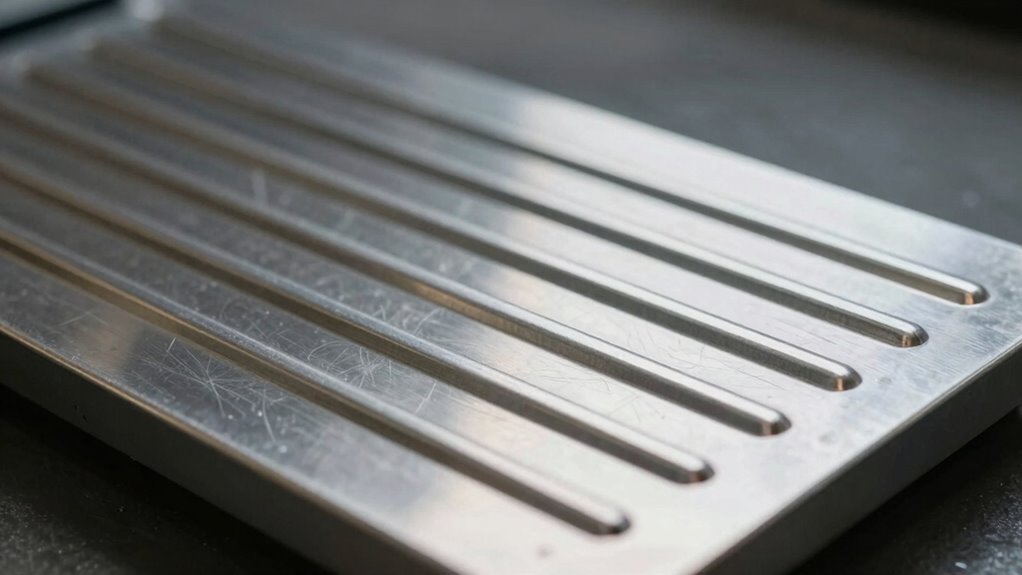
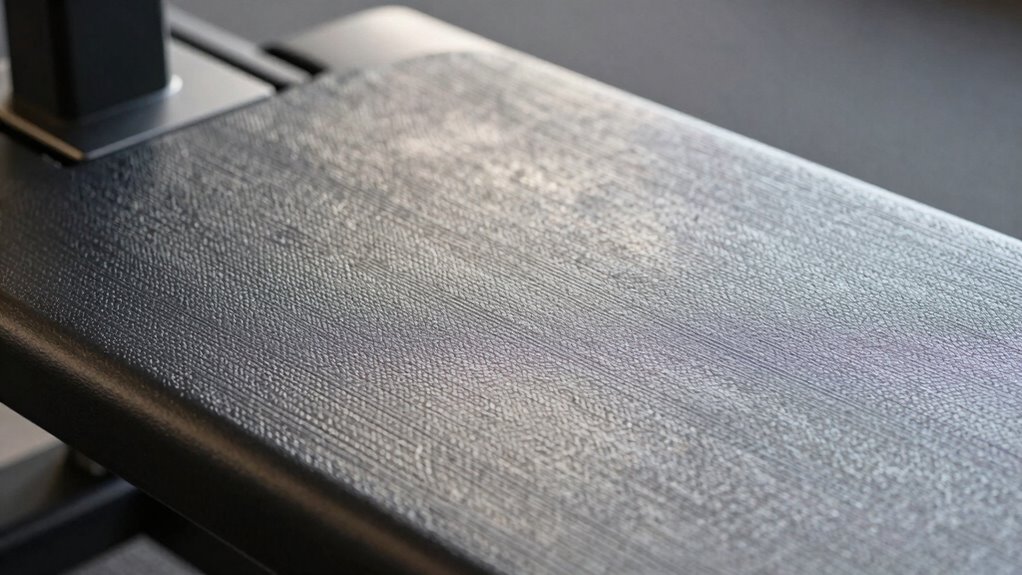
Vibration plates might look like simple, fun workout tools, but don’t be fooled—using them can be unexpectedly tough. When you stand or perform exercises on these platforms, your body responds in ways that can surprise you. One of the main reasons vibration plates feel more challenging than they appear is their ability to increase muscle activation. As the platform vibrates at high frequencies, your muscles have to work harder to stabilize your body and maintain balance. This involuntary engagement means more muscle fibers are recruited during each movement, making even basic exercises more intense. You’ll notice that small, stabilizing muscles activate more frequently, which you might not usually engage during traditional workouts.
Another factor that makes vibration plates feel harder is the surface resistance created by the vibrations. The rapid oscillations generate a form of dynamic resistance that your muscles must constantly counteract. Unlike lifting weights, where resistance is fixed, the surface resistance on a vibration plate fluctuates quickly, demanding continuous muscle adjustment. This constant effort not only boosts muscle activation but also increases fatigue faster than you might expect. As you try to hold a squat or balance on one leg, the vibrations challenge your stability, forcing your muscles to adapt almost instantaneously. This heightened surface resistance makes every movement feel more demanding, even if you’re doing bodyweight exercises. Additionally, the muscle activation caused by these vibrations can lead to quicker muscle fatigue, making even short sessions feel more intense. Incorporating proper technique and posture can help you maximize the benefits and reduce the risk of strain. Furthermore, the frequency of vibrations can influence how strenuous the workout feels, with higher frequencies generally amplifying the effort required.
Products Worth Considering

Dyson Cyclone V10 Origin Cordless Vacuum
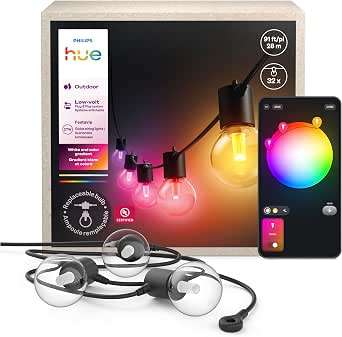
Philips Hue Festavia Globe Outdoor String Lights, 32 Bulbs, 91 ft

Philips Hue Bridge Pro Smart Lighting Hub
As an affiliate, we earn on qualifying purchases.
Frequently Asked Questions
Can Vibration Plates Cause Muscle Soreness or Injury?
Yes, vibration plates can cause muscle soreness or injury if you push too hard or don’t follow safety precautions. You might experience muscle fatigue, especially after intense sessions. To stay safe, start with shorter, less intense workouts and gradually increase duration. Listen to your body, stay hydrated, and consult a professional if you’re unsure. Proper safety precautions help prevent injuries and guarantee you get benefits without harm.
Do Vibration Plates Work Equally Well for Everyone?
Vibration plates don’t work equally well for everyone because your user experience varies based on factors like fitness level, health conditions, and goals. Some people may see quicker results, while others might need longer or different routines. Also, equipment durability affects how consistently you can use the plate over time. To maximize benefits, start slow, listen to your body, and choose a machine suited to your needs and safety.
How Long Should I Use a Vibration Plate per Session?
You should use a vibration plate for about 15-20 minutes per session. For example, a beginner might start with 10-minute workouts and gradually increase to 20 minutes as their workout intensity improves. Keep in mind, session duration depends on your fitness level and goals. Too long, and you risk fatigue; too short, and you might not see benefits. Listen to your body and adjust accordingly.
Are Vibration Plates Safe for People With Medical Conditions?
Vibration plates can be safe for people with medical conditions if you follow proper safety precautions and consult your healthcare provider first. Medical considerations vary depending on your condition, so get personalized advice. Always start with low intensity and short sessions, and listen to your body. Avoid using the machine if you experience discomfort, dizziness, or pain. Prioritizing safety precautions guarantees you benefit without risking your health.
What Are the Long-Term Benefits of Using Vibration Plates?
Like a modern-day Hercules, you’ll strengthen your body over time with vibration plates. Long-term use boosts muscle activation, helping you build strength and endurance. It also enhances bone density, reducing fracture risks. As you consistently challenge yourself on the plate, you’ll notice improved posture and balance. These benefits make vibration plates a valuable addition to your fitness routine, supporting your health and wellness for years to come.
Conclusion
Next time you hop onto a vibration plate, remember it’s like stepping onto a tiny, powerful storm. Even if it looks gentle, that rapid shaking works your muscles harder than it seems—kind of like a quiet lion lying in wait. That’s why those plates feel so tough. Embrace the challenge, knowing that beneath the surface, they’re delivering a surprisingly fierce workout, turning a simple machine into a secret weapon for your fitness journey.