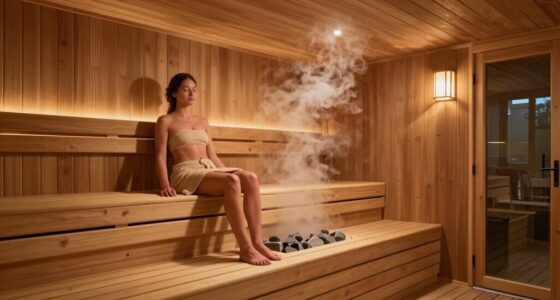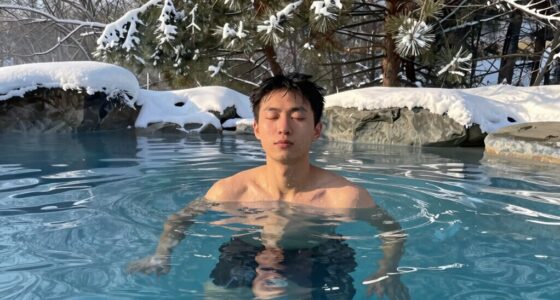

To start cold plunging without burning out, begin with short 1-2 minute sessions in water around 50-60°F, gradually increasing time as your body adapts. Focus on deep, steady breathing to stay relaxed and avoid shock. Pay attention to your body signals, and warm up immediately if you feel discomfort. Consistency, not intensity, builds tolerance safely. Stick with this approach, and you’ll develop resilience without overwhelm—if you keep exploring, you’ll discover how to optimize your cold plunge routine further.

Get home appliances delivered free with Prime
- Fast, free delivery on millions of items
- Prime Video, Amazon Music and more included
- Member-only deals all year
Key Takeaways
- Start with brief 1-2 minute sessions in 50-60°F water, gradually increasing duration as tolerated.
- Use controlled, deep breathing to stay calm and manage discomfort during cold exposure.
- Pay attention to your body’s signals; stop immediately if you experience numbness, dizziness, or excessive discomfort.
- Focus on consistency over intensity to allow safe adaptation and build cold tolerance over time.
- Educate yourself on safe practices and recovery techniques to prevent burnout and enhance benefits.
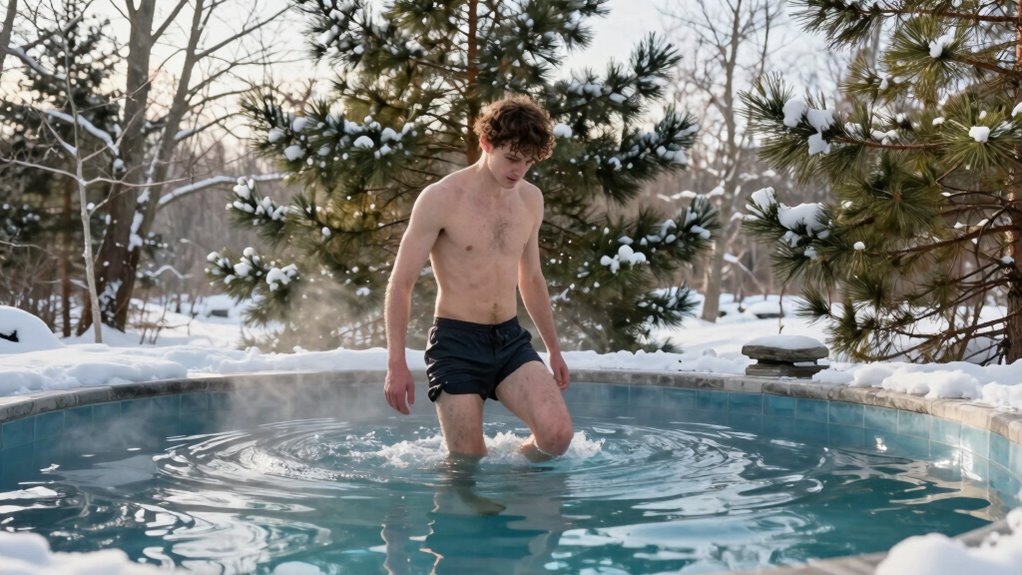
Are you curious about how to safely introduce cold plunges into your routine? If so, you’re taking a great step toward harnessing the benefits of hydrotherapy. Cold exposure safety is essential, especially if you’re new to this practice. The goal isn’t to shock your system but to gradually adapt so you can enjoy the many hydrotherapy benefits without feeling overwhelmed or exhausted. Starting slow allows your body to adjust, making the experience both effective and enjoyable.
Begin by setting realistic expectations. You don’t need to plunge into icy water for a long time right away. Start with short sessions—just one to two minutes—in a temperature that’s comfortably cold, around 50-60°F (10-15°C). As you become more accustomed to the sensation, you can extend your time gradually, but don’t push yourself beyond your comfort zone. Remember, cold exposure safety is about listening to your body. If you start feeling numb, dizzy, or excessively uncomfortable, it’s time to step out and warm up.
Incorporate deep, controlled breathing during your cold plunge. This helps regulate your heart rate and keeps you calm, making the experience more manageable. Focus on slow, steady inhales and exhales. This breathing technique not only enhances your cold exposure safety but also amplifies the hydrotherapy benefits, such as reduced inflammation, improved circulation, and boosted mental clarity. Over time, you’ll notice your cold tolerance increases, and your body adapts, making each session more comfortable and advantageous. Additionally, understanding and respecting your body’s signals is crucial for maintaining cold exposure safety. Staying informed about hydrotherapy practices can help you optimize your routine safely. Incorporating proper recovery techniques further supports your progress and safety. Remember that gradual adaptation is key to preventing any adverse effects and ensuring long-term benefits.
As an affiliate, we earn on qualifying purchases.
Frequently Asked Questions
Can I Start Cold Plunging if I Have Heart Conditions?
If you have heart conditions, you should consult your doctor before starting cold plunging. Cold water immersion can impact heart health, potentially causing rapid changes in blood pressure or heart rate. For safety, follow precautions like starting with short sessions, monitoring how you feel, and avoiding plunges if you experience discomfort. Always prioritize your safety and get medical advice to guarantee cold plunging benefits your heart health without risks.
What Should I Do if I Feel Dizzy During the Plunge?
If you feel dizzy during your cold plunge, stop immediately—dizziness affects about 15% of beginners. Prioritize safety precautions by exiting the water slowly, taking deep breaths, and staying calm. To manage dizziness, focus on gradual immersion and listen to your body. Always have a buddy nearby, and consult a healthcare professional if dizziness persists. Your safety is the top priority to enjoy cold plunging without risks.
How Long Should I Gradually Increase My Cold Exposure?
You should gradually increase your cold exposure over several weeks to allow your cold tolerance to build safely. Start with short dips and slowly extend the duration as you experience comfort and confidence. This process promotes gradual adaptation, helping your body adjust without shock or fatigue. Listen to your body, and if you feel dizzy or uncomfortable, reduce the exposure time. Consistency is key for safe, effective cold tolerance development.
Are There Specific Times of Day Best for Cold Plunging?
Imagine a fresh dawn, where cold plunging awakens your senses like a splash of ice water. The ideal timing is in the morning, offering morning benefits like increased alertness and mood boosts. Early-day cold plunges jump-start your metabolism, energize your mind, and set a positive tone. Embrace these invigorating moments to maximize benefits, making cold plunging a revitalizing ritual that transforms your day from the very first splash.
Can Cold Plunging Replace Other Recovery Methods?
Cold plunging can complement your recovery routines but shouldn’t fully replace other methods. Cold therapy helps reduce inflammation, speed up muscle recovery, and improve circulation. However, integrating it with stretching, rest, and proper nutrition ensures well-rounded recovery. You’ll get the best results by balancing cold plunges with other recovery techniques, creating an all-encompassing approach that supports your fitness goals without over-relying on just cold therapy.
50-60°F cold water immersion bucket
As an affiliate, we earn on qualifying purchases.
As an affiliate, we earn on qualifying purchases.
Conclusion
By following this beginner cold plunge plan, you’ll gradually build resilience without feeling overwhelmed. Think of it like warming up before a run—you ease into the discomfort and strengthen your body over time. As you consistently dip into the cold, you’ll notice increased energy and mental clarity, proving that slow, steady progress wins the race. Remember, it’s not about pushing too hard but about nurturing your body’s natural ability to adapt and thrive.
As an affiliate, we earn on qualifying purchases.
hydrotherapy cold plunge accessories
As an affiliate, we earn on qualifying purchases.
As an affiliate, we earn on qualifying purchases.
Halloween Picks
halloween
As an affiliate, we earn on qualifying purchases.