
Contrast therapy safely uses alternating cold and heat treatments to boost recovery, reduce inflammation, and improve circulation. By switching between the two, you promote muscle relaxation, accelerate healing, and flush out toxins. Proper timing, temperature control, and monitoring your body’s responses are key to avoiding risks. If you want simple tips on how to apply cold and heat effectively and safely, knowing more will help you get the best results.
Key Takeaways
- Contrast therapy involves alternating between heat and cold to promote muscle relaxation, reduce inflammation, and improve circulation.
- Proper timing (10-20 minutes per session) and safety precautions are essential to prevent skin damage and adverse effects.
- Cold reduces inflammation and numbs pain, while heat increases blood flow, relaxes muscles, and supports healing.
- Methods include contrast baths, showers, or packs, with cycles typically starting with warm, then cold, ending with cold.
- Monitoring body responses and avoiding extreme temperatures ensure safe, effective therapy tailored to individual needs.
What Is Contrast Therapy and How Does It Work?
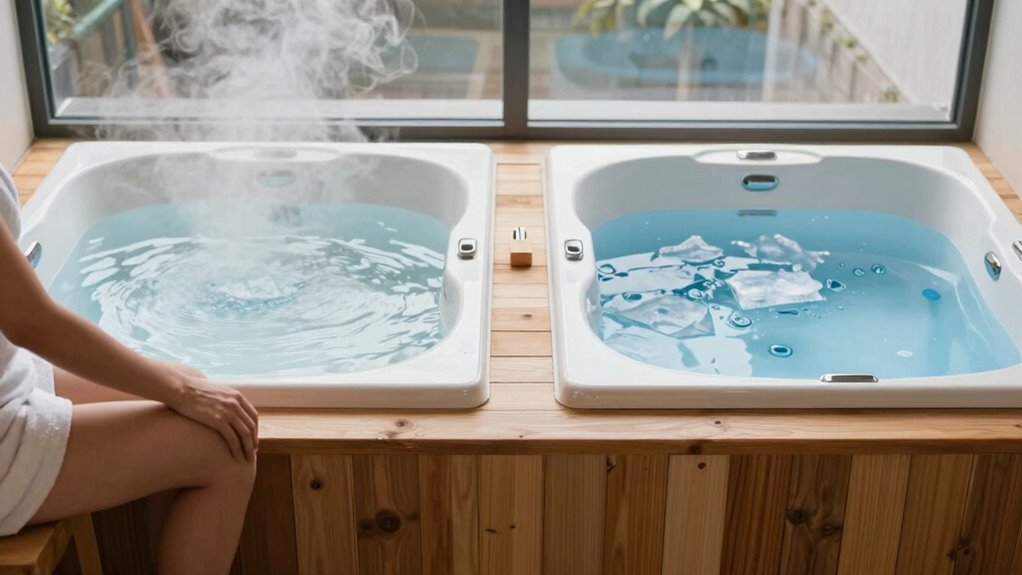
Have you ever wondered how alternating hot and cold treatments can aid recovery? Contrast therapy involves switching between heat and cold to promote muscle relaxation and stress relief. When you apply heat, it increases blood flow, loosening tight muscles and easing tension. Cold therapy, on the other hand, reduces inflammation and numbs pain. Alternating between the two creates a pumping effect that helps flush out toxins and improve circulation. This process not only accelerates recovery but also provides a calming effect on your nervous system. Temperature regulation techniques play a key role in maximizing the benefits of contrast therapy safely at home. Incorporating proper temperature control methods ensures you can enjoy the advantages without risking skin damage or discomfort. Understanding safe application practices is essential for preventing adverse effects and ensuring effective treatment. Additionally, being mindful of body response signals helps prevent overexposure and ensures a safe, comfortable experience. Maintaining awareness of temperature thresholds can further enhance safe and effective contrast therapy sessions.
Why Use Cold and Heat Treatments for Recovery?
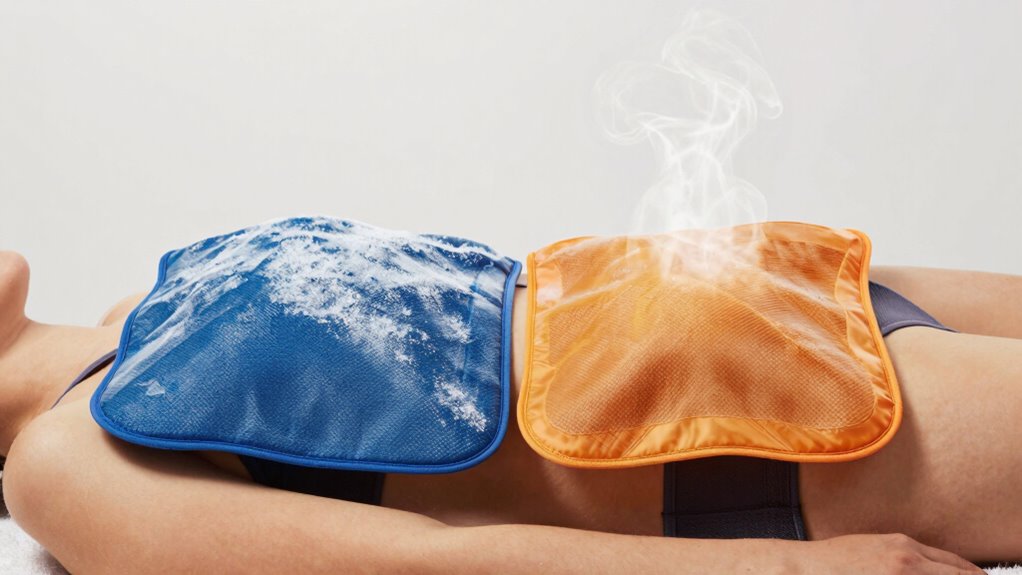
Using cold and heat treatments speeds up recovery by reducing inflammation quickly and easing muscle soreness. They also improve circulation, helping your body deliver nutrients and remove waste more efficiently. This combination supports your overall circulatory health and gets you back on track faster. Incorporating proper styling techniques can further optimize recovery by preventing future injuries and maintaining muscle health. Additionally, understanding temperature regulation can help you tailor treatments for optimal results, especially since different therapies may require specific temperature adjustments based on your individual needs. Recognizing the importance of contrast therapy protocols can enhance the effectiveness of combining cold and heat treatments for maximum benefit. Moreover, applying proper timing between treatments can prevent overstressing tissues and promote better outcomes.
Reduces Inflammation Quickly
Cold and heat treatments can quickly reduce inflammation by directly affecting blood flow and nerve activity. Applying cold constricts blood vessels, decreasing swelling and muscle soreness, which helps prevent injury. Conversely, heat dilates blood vessels, increasing circulation to promote faster healing. Using these therapies together accelerates inflammation reduction, easing discomfort and preventing further damage. Incorporating temperature therapy techniques can optimize recovery processes and improve overall outcomes. Here’s a quick overview:
| Treatment | Effect on Blood Flow | Best For |
|---|---|---|
| Cold | Decreases blood flow | Swelling, muscle soreness |
| Heat | Increases blood flow | Promoting healing |
| Both | Rapid inflammation control | Injury prevention |
| Duration | Short sessions | Safety and effectiveness |
| Application | Alternating or separate | Targeted relief |
These methods keep inflammation in check, supporting quicker recovery and reducing the risk of ongoing injury. Proper application techniques are essential to maximize benefits and ensure safety during treatment. Incorporating therapeutic approaches that utilize temperature variations can enhance recovery outcomes and help manage pain more effectively. Additionally, understanding free floating techniques can aid in customizing treatment plans for individual needs.
Enhances Muscle Recovery
Applying cold and heat treatments after exercise can markedly speed up muscle recovery by boosting circulation and reducing soreness. Cold therapy helps decrease inflammation, which supports muscle repair and minimizes damage. Meanwhile, heat therapy relaxes tight muscles, improving flexibility and blood flow. This combination encourages efficient removal of metabolic waste, accelerating healing. Regular use can also aid injury prevention by keeping muscles more resilient and less prone to strains. Incorporating contrast therapy can further enhance these benefits by systematically alternating between cold and heat to stimulate more effective circulation and healing. Additionally, understanding the benefits of temperature therapy can help optimize your recovery routine for better results. Utilizing modern recovery techniques that integrate cold and heat treatments can maximize your results and promote overall muscle health. Exploring evidence-based methods ensures that your recovery practices are both safe and effective.
Promotes Circulatory Health
When you alternate cold and heat treatments, you stimulate your circulatory system to work more effectively. This boosts circulatory benefits and enhances vascular health by encouraging blood flow and oxygen delivery to tissues. Here’s how it helps:
- Opens blood vessels, improving circulation efficiency.
- Flushes out metabolic waste products from muscles.
- Promotes faster healing by increasing nutrient delivery.
- Reduces swelling and inflammation through improved blood flow.
- Supporting the body’s thermoregulation process, which helps maintain optimal internal temperature during recovery.
How Can You Safely Use Cold and Heat in Your Routine?
To use cold and heat safely, start with gradual temperature changes to avoid shock. Keep each treatment on your body for a limited time and listen to how your body responds. Monitoring your reactions helps make certain you get the benefits without risking injury. Understanding body piercing healing can also help you better manage your therapy sessions and ensure safe practices. Additionally, being aware of proper safety procedures when applying these therapies can prevent accidents and enhance effectiveness.
Gradual Temperature Transitions
Using cold and heat therapies safely involves gradually shifting between temperatures to prevent skin damage or discomfort. This process supports effective temperature regulation and allows your sensory adaptation to adjust smoothly. To do this safely:
- Start with a mild temperature change, avoiding sudden jumps that shock your skin.
- Alternate between cold and heat in short, controlled sessions.
- Allow your body time to adapt, increasing exposure gradually over sessions.
- Pay attention to how your skin and body respond, stopping if you experience pain or excessive discomfort.
Additionally, understanding your skin’s response helps prevent adverse reactions and ensures a safe experience.
Limit Exposure Duration
Limiting the duration of cold and heat application is essential to guarantee skin protection and ascertain safety. Proper duration management helps prevent burns, frostbite, or skin irritation. Typically, apply cold for 10-15 minutes and heat for 15-20 minutes, with breaks in between. Use this table to visualize your routine:
| Cold Therapy | Heat Therapy |
|---|---|
| 10-15 minutes | 15-20 minutes |
| Use a cloth barrier | Limit direct contact |
| Rest between sessions | Avoid prolonged use |
Always follow safety precautions, such as checking skin response and avoiding extreme temperatures. Monitoring your body’s reactions helps prevent adverse effects. Consistent, safe timing ensures you benefit from contrast therapy without risking skin damage. Incorporating proper timing and safety practices can make your routines more effective and safe.
Monitor Body Responses
Monitoring your body’s responses during contrast therapy is essential to guarantee safety and effectiveness. Pay close attention to your body temperature and sensory response to avoid overstimulation or injury. Here’s how to do it:
- Check for unusual sensations like numbness, tingling, or burning, which signal overexposure.
- Notice changes in your body temperature, ensuring it stays within a comfortable range.
- Observe your skin color and texture for signs of irritation or discoloration.
- Listen to your body’s feedback—if you feel dizzy, faint, or excessively uncomfortable, stop immediately.
- Be aware of your safety precautions and follow guidelines to prevent accidents or adverse effects during therapy. Additionally, it’s important to monitor your reactions closely, especially when first starting contrast routines, to adapt your exposure times accordingly.
What Are the Main Types of Contrast Therapy Methods?
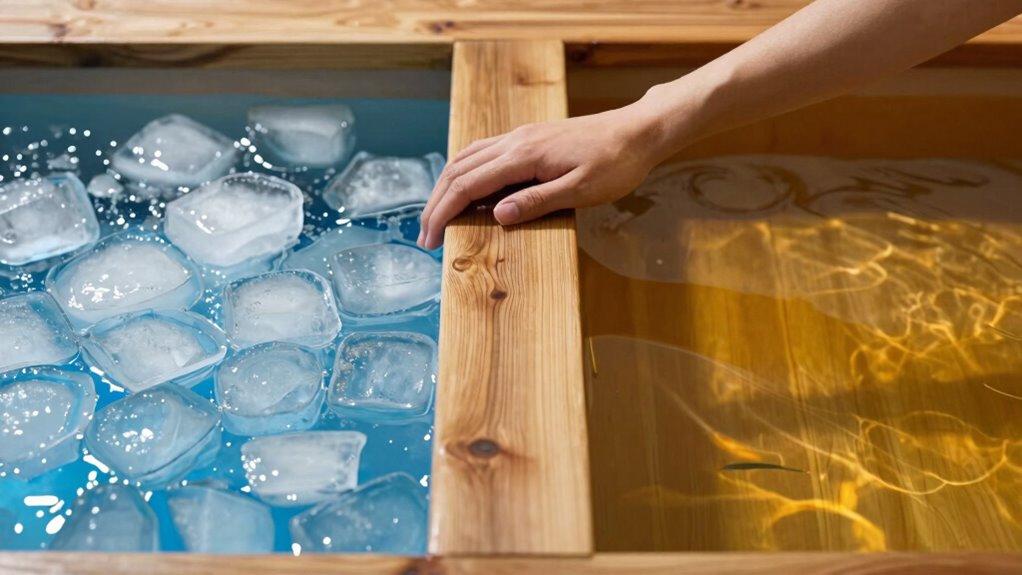
Contrast therapy primarily involves alternating between hot and cold treatments to promote healing and reduce inflammation. The main types include contrast baths, where you immerse the affected area in hot and cold water, and contrast showers, which involve switching between hot and cold water in quick succession. These methods focus on temperature regulation to stimulate blood flow and decrease swelling. Ice packs or cold compresses are also common for cold therapy, often combined with heat packs or warm towels for heat therapy. Some protocols use alternating hot and cold packs or compresses on larger muscle groups. The goal is to follow specific therapy protocols that optimize circulation, reduce pain, and support recovery efficiently. Knowing the types helps you choose the right method for your needs.
How Do You Perform Contrast Therapy at Home? (A Step-by-Step Guide)
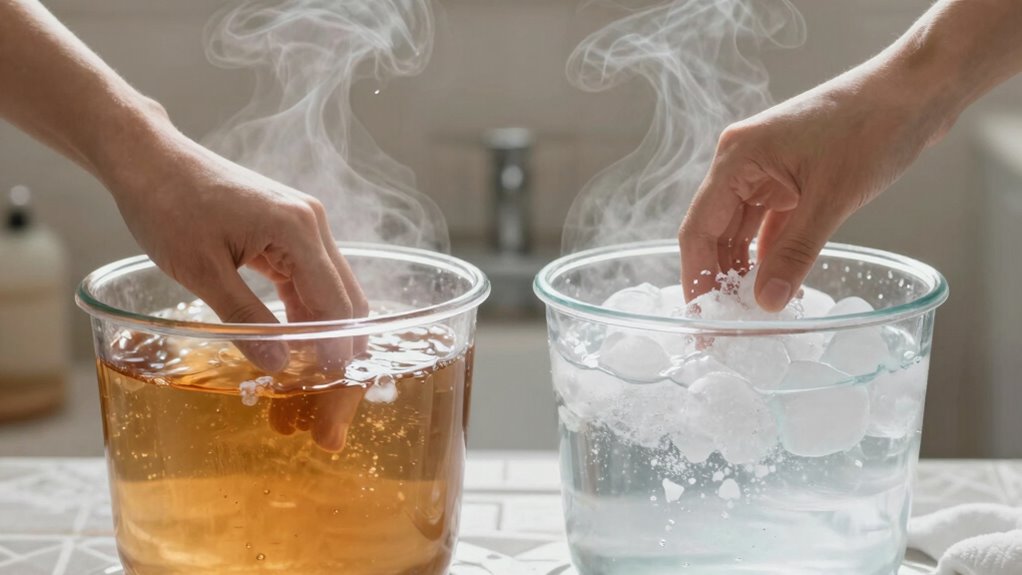
Performing contrast therapy at home is simple and effective when you follow a clear step-by-step process. Using home remedies and DIY techniques, you can safely boost recovery. Here’s how:
Contrast therapy at home is easy and safe with simple step-by-step DIY methods.
- Fill one basin with cold water or ice, and another with warm (not hot) water.
- Start with the warm soak for 3-4 minutes to relax muscles.
- Switch to the cold plunge for 30 seconds to 1 minute to reduce inflammation.
- Repeat the cycle 3-4 times, ending with cold therapy for best results.
Remember to listen to your body, avoid extreme temperatures, and never submerge for too long. This straightforward method makes contrast therapy accessible and safe, even without professional equipment. Follow these steps for effective relief using simple DIY techniques.
What Common Mistakes Should You Avoid?

While following a step-by-step guide makes it easy to try contrast therapy at home, there are common mistakes that can undermine its effectiveness or even cause harm. One key error is neglecting proper temperature regulation, which can lead to burns or frostbite. Always guarantee the hot and cold sources are at safe, controlled temperatures, and never use extreme heat or cold. Skipping safety precautions, like limiting the duration of each session, increases the risk of skin damage or circulatory issues. Also, avoid switching between hot and cold too quickly, as it can strain your body. Listening to your body and respecting your comfort levels is essential. Proper temperature regulation and safety precautions are crucial to reap benefits without risking injury.
How Do You Choose the Right Devices and Settings?
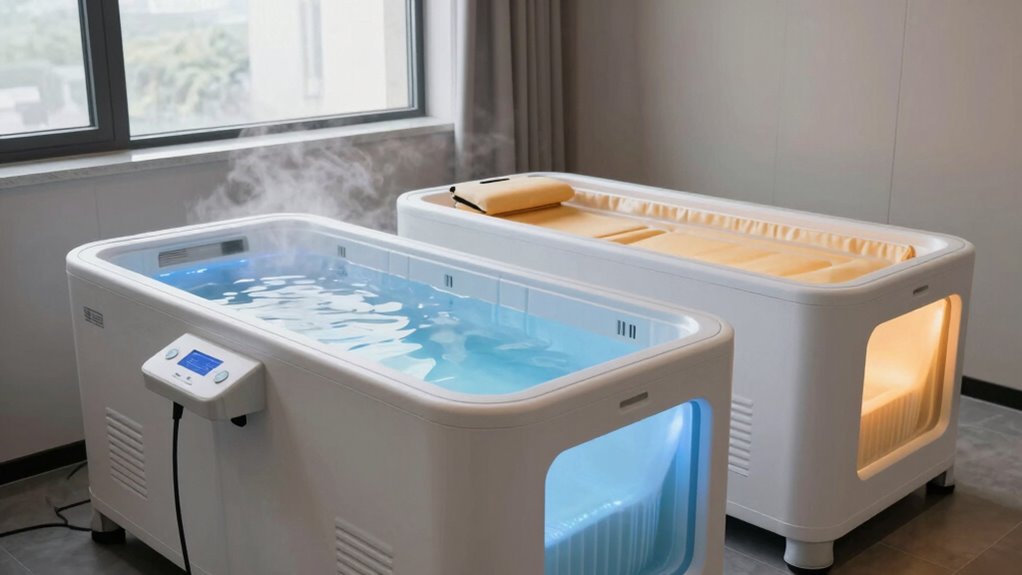
Choosing the right devices and settings is essential to maximize the benefits of contrast therapy safely. Start by considering device selection; opt for reputable models designed for temperature control, whether for cold or heat. When adjusting settings, focus on the following:
- Set precise temperature ranges suitable for your comfort and safety.
- Choose appropriate duration for each temperature cycle—typically 1-3 minutes.
- Adjust intensity levels based on your tolerance and specific needs.
- Guarantee consistent application by monitoring device performance throughout the session.
When Should You Talk to a Professional About Contrast Therapy?
You should consult a healthcare professional before starting contrast therapy if you have any underlying health conditions, such as cardiovascular issues, diabetes, or circulation problems. A professional consultation guarantees your safety and helps determine if contrast therapy is appropriate for you. If you’ve experienced an injury or have ongoing pain, an injury assessment by a specialist can identify any underlying issues that might worsen with temperature changes. It’s especially important to seek advice if you’re unsure about how your body will respond or if you’re pregnant. A healthcare provider can guide you on proper techniques, duration, and frequency, reducing the risk of adverse effects. When in doubt, consulting a professional is the best way to ensure contrast therapy benefits your health without unnecessary risks.
Frequently Asked Questions
Can Contrast Therapy Be Used for Chronic Pain Management?
Yes, contrast therapy can help with chronic pain management. You might find relief by alternating cold and heat to reduce inflammation and soothe sore muscles. This process promotes blood flow and speeds up muscle recovery, which can alleviate ongoing discomfort. Consistently using contrast therapy could improve your pain relief routine, especially if muscle tension or inflammation contributes to your chronic pain. Always consult a healthcare professional before starting new treatment options.
How Long Should Each Cold and Heat Session Last?
You should aim for cold and heat sessions lasting about 15 to 20 minutes each, following the general duration guidelines. It’s best to alternate these treatments every 1 to 2 hours, depending on your comfort and response. Keep an eye on how your body reacts, and don’t overdo it. Consistent session frequency, like daily or every other day, can help you maximize benefits without overstressing your tissues.
Are There Any Health Conditions That Contraindicate Contrast Therapy?
Think of contrast therapy as a delicate dance—you need to know your partner’s limits. If you have certain health conditions like cardiovascular issues, hypertension, or nerve sensitivities, contraindications could pose health risks. Always consult your healthcare provider before starting, especially if you’re pregnant or have circulation problems. Ignoring these risks might lead to complications, so listen to your body and prioritize safety over the allure of relief.
What Are the Signs of Overdoing Contrast Therapy?
If you overdo contrast therapy, you might notice signs like skin irritation, dizziness, or feeling unusually fatigued. Your skin could become red or irritated, and you may experience lightheadedness or dizziness from temperature extremes. Pay attention to how your body responds, and if you notice these signs, reduce the frequency or duration of sessions. Always listen to your body to avoid adverse effects.
Can Athletes Incorporate Contrast Therapy Into Their Training Schedules?
You can definitely incorporate contrast therapy into your training schedule, as it’s a valuable recovery strategy and aids in injury prevention. When used properly, alternating cold and heat helps reduce soreness and enhances circulation. Just remember, timing and moderation matter. Use contrast therapy after intense workouts or competitions, but avoid overdoing it to prevent setbacks. Integrating it thoughtfully supports your overall training and keeps you performing at your best.
Conclusion
Remember, when it comes to contrast therapy, safety comes first—think of it as tending a delicate flame. By understanding the basics and listening to your body, you can harness cold and heat to boost recovery without the confusion. As with any tool, proper use makes all the difference. So, stay informed, avoid common mistakes, and consult a professional if needed. With patience and care, you’ll find your balance and reap the benefits—like a gardener nurturing a thriving plant.