

To test if a recovery tool is worth keeping, track your performance metrics like soreness, fatigue, and recovery time consistently. Pay attention to how you feel during and after each session and compare how you recover using the tool versus other methods. Seek feedback from trainers or athletes, and make sure you use it regularly in the same way. If you’re curious about additional ways to evaluate its effectiveness, there’s more to explore below.
Key Takeaways
- Track specific recovery metrics (soreness, fatigue, performance) before and after using the tool to identify tangible improvements.
- Gather subjective feedback on comfort, energy levels, and sleep quality to assess personal benefits.
- Use the tool consistently over a set period, maintaining similar activity levels to isolate its effects.
- Compare recovery speed and comfort with other methods to determine relative effectiveness.
- Seek professional advice or external input to validate results and decide if the tool provides meaningful value.
When you add a new recovery tool to your routine, it’s vital to determine whether it genuinely benefits your well-being or simply takes up space. The key is to assess its effectiveness objectively. Start by tracking performance metrics related to your recovery goals. For example, if the tool claims to reduce muscle soreness, monitor your recovery times, soreness levels, and overall fatigue before and after using it. Keeping consistent records helps you see tangible changes over time, making it easier to judge whether the tool delivers real results or if the benefits are negligible. Performance metrics serve as concrete evidence, removing guesswork from your evaluation process.
Track performance metrics and stay consistent to objectively evaluate your recovery tools’ true benefits.
User feedback is equally valuable. Pay attention to how you feel during and after using the recovery tool. Do you notice a decrease in soreness? Is your energy level higher? Do you sleep better or recover faster? These subjective experiences, when combined with measurable data, provide a fuller picture of the tool’s impact. Be honest with yourself—sometimes what seems effective in the moment might not hold up over the long term. Conversely, a tool that initially feels unhelpful might show benefits after sustained use, so give yourself enough time to evaluate it thoroughly. Incorporating biodiversity principles, such as varied recovery methods, can also contribute to a more balanced approach.
Try to incorporate the recovery tool into your routine consistently, using the same intensity and frequency. This consistency ensures that any changes in your performance metrics or user feedback are directly related to the tool itself, rather than variations in your activity levels or other factors. It’s also helpful to compare its effects with other recovery methods you’ve used. For instance, if you’ve previously relied on stretching or foam rolling, see how this new tool stacks up in terms of speed of recovery, soreness reduction, and overall comfort.
Finally, don’t hesitate to seek external input. Sometimes, professional advice from trainers, physiotherapists, or fellow athletes can shed light on whether the tool is genuinely effective or if it’s just marketing hype. They might suggest specific metrics to track or point out overlooked benefits. Remember, your goal isn’t just to try new gadgets but to find what genuinely enhances your recovery process. By combining objective performance metrics with honest user feedback, you can make informed decisions about whether a recovery tool is worth keeping in your routine or if it’s time to move on.
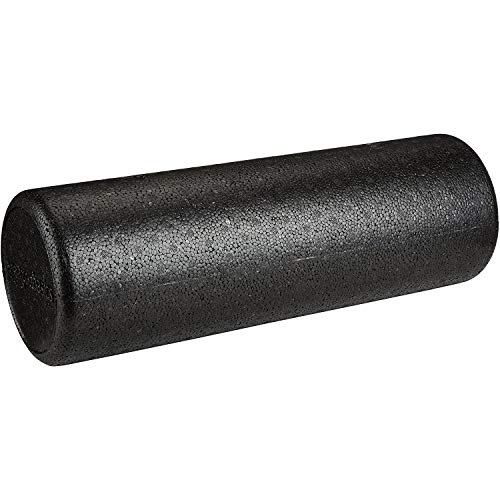
Amazon Basics High-Density Foam Roller for Exercise and Recovery, 18 Inches, Black
High-density foam roller in Black
As an affiliate, we earn on qualifying purchases.
As an affiliate, we earn on qualifying purchases.
Frequently Asked Questions
Can Recovery Tools Prevent Future Data Loss?
Recovery tools alone can’t completely prevent future data loss, but they greatly reduce the risk. Using cloud backups guarantees your data stays safe even if hardware fails or gets damaged. Also, check hardware compatibility to make sure the recovery tool works seamlessly with your system. Regularly updating your recovery tools and backups helps maintain data integrity, giving you peace of mind knowing you’re prepared for unexpected data loss situations.
Are Free Recovery Tools as Effective as Paid Ones?
Free recovery tools can be effective, but they often lack advanced features like robust data encryption and a user-friendly interface found in paid options. You might find free tools sufficient for basic recovery needs, but if you handle sensitive data or prefer a smoother experience, investing in paid tools is wise. Always evaluate their effectiveness based on how well they recover your data and protect your privacy.
How Often Should I Test My Recovery Tools?
You should test your recovery tools at least once a month to guarantee reliability. Regular frequency validation helps catch issues early, preventing unexpected data loss. Incorporate backup verification into your routine to confirm that your backups restore correctly. Studies show that 60% of data recoveries fail due to unnoticed backup errors. By routinely testing and verifying, you stay prepared and confident that your recovery tools will work when needed most.
Do Recovery Tools Work Across Different Operating Systems?
Recovery tools can work across different operating systems if they prioritize cross-platform compatibility. Check if the tool supports Windows, macOS, and Linux before testing. Also, consider its user interface design—an intuitive, consistent interface makes it easier to navigate regardless of OS. By testing these aspects, you’ll determine if the recovery tool seamlessly integrates into your routine, providing reliable support across all your devices.
What Are Common Signs a Recovery Tool Is Failing?
Ever wondered if your recovery tool is failing? Signs include slow data encryption processes, or a confusing user interface that hampers recovery efforts. If backups become incomplete or recovery times extend unexpectedly, it’s a red flag. A reliable tool should handle your data securely and offer a straightforward user interface. If these issues persist, it’s time to reconsider whether your recovery tool is truly effective or needs replacing.

TOLOCO Massage Gun Deep Tissue, Percussion Massage Gun with 10 Replacement Heads, Super Quiet Portable Electric Massager for Athletes, Relax, Fathers Day Dad Gifts, Black
Deep Tissue Massager, TOLOCO Massage Gun relieves muscle tension, relax your body.
As an affiliate, we earn on qualifying purchases.
As an affiliate, we earn on qualifying purchases.
Conclusion
If you don’t rigorously test your recovery tools, you risk turning your routine into a disaster waiting to happen—like relying on a broken compass in a storm. Only by truly putting these tools through their paces can you avoid the chaos of wasted time, lost data, or worse. Make testing your secret weapon; otherwise, you might as well be sailing blind into the perfect storm. Keep testing, keep safe, and never settle for less than the best.
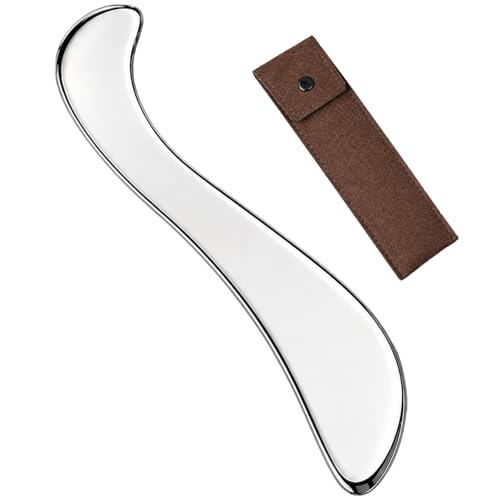
Muscle Scraper Tools, Stainless Steel Guasha Tool for Body, Scraping Tool Physical Therapy, Myofascial Release Tool, Massage Tools for Deep Tissue
Efficient Physical Therapy Tools: By locally pressing the muscles, IASTM tool achieves muscle repair relieve muscle pressure, reduce…
As an affiliate, we earn on qualifying purchases.
As an affiliate, we earn on qualifying purchases.

APHERMA Massage Gun, Muscle Massage Gun for Athletes Handheld Electric Deep Tissue Back Massager, Percussion Massage Device for Pain Relief with 30 Speed Levels 9 Heads
Beat soreness, back pain, and stress: For those who don't want muscle soreness to slow them down, our…
As an affiliate, we earn on qualifying purchases.
As an affiliate, we earn on qualifying purchases.