
Cold plunges can be risky if you have high blood pressure or heart issues, as sudden cold exposure causes blood vessels to constrict and can spike your blood pressure temporarily. If you’re considering cold water therapy, ask your doctor about safety precautions, how to monitor your response, and whether it’s suitable for your condition. To learn how to stay safe and explore alternatives, keep exploring the important questions to ask your healthcare provider.
Key Takeaways
- Cold plunges can cause temporary blood pressure spikes due to vasoconstriction and the Cold Shock Response.
- Individuals with high blood pressure or heart conditions face increased risks like arrhythmias or stroke during cold exposure.
- Ask healthcare professionals about safety, especially if you have existing cardiovascular issues or hypertension.
- Inquire about safe protocols, including gradual acclimation, duration, water temperature, and monitoring during cold plunges.
- Discuss symptoms to watch for and whether alternative therapies like contrast showers may be safer for your condition.

Bath Thermometer – Digital Ice Plunge Gauge, Cold Water Timer, Floating Waterproof Alarm | Electronic Temperature Monitor for Recovery Tubs, Ideal Tool for Sports and Home Wellness
Intelligent Monitoring Tool: Featuring a smart timer function and convenient immersion mode, it provides precise cold timing with…
As an affiliate, we earn on qualifying purchases.
As an affiliate, we earn on qualifying purchases.
What Are Cold Plunges, and How Do They Affect Blood Pressure?

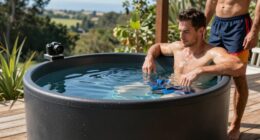
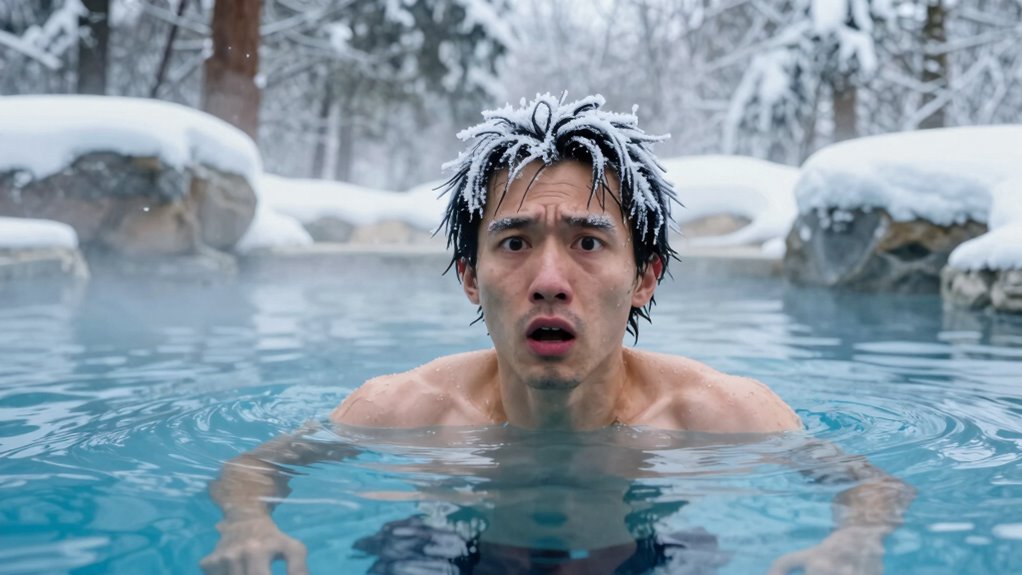
Cold plunges involve immersing your body in very cold water, typically between 50°F (10°C) and 59°F (15°C), for a short period. This practice is a form of cold therapy, known for its potential benefits, including reducing inflammation and boosting recovery. Many people also find that cold exposure positively impacts mental health, helping to reduce stress, improve mood, and increase mental clarity. When you submerge yourself in cold water, your body reacts by constricting blood vessels and releasing endorphins, which can create a sense of well-being. However, it’s essential to understand how cold plunges influence blood pressure, as the rapid changes in circulation can pose risks, especially if you have underlying health conditions. Always consult a professional before starting cold therapy routines.
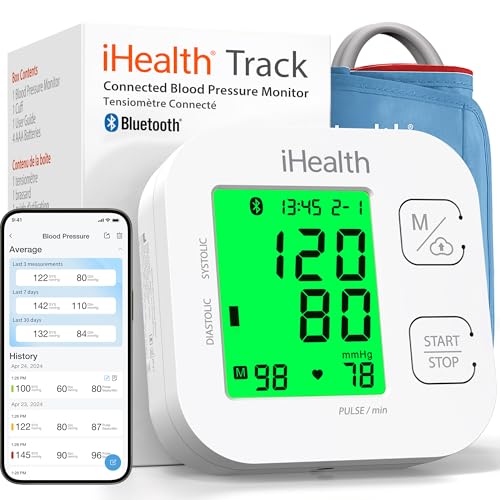
iHealth Track Smart Upper Arm Blood Pressure Monitor with Wide Range Cuff that fits Standard to Large Adult Arms, Bluetooth Compatible for iOS & Android Devices
Clinically Accurate: Easy Operation by two buttons, Advanced Accuracy, No Calibration required.
As an affiliate, we earn on qualifying purchases.
As an affiliate, we earn on qualifying purchases.
How Does Cold Exposure Impact Heart and Circulation?
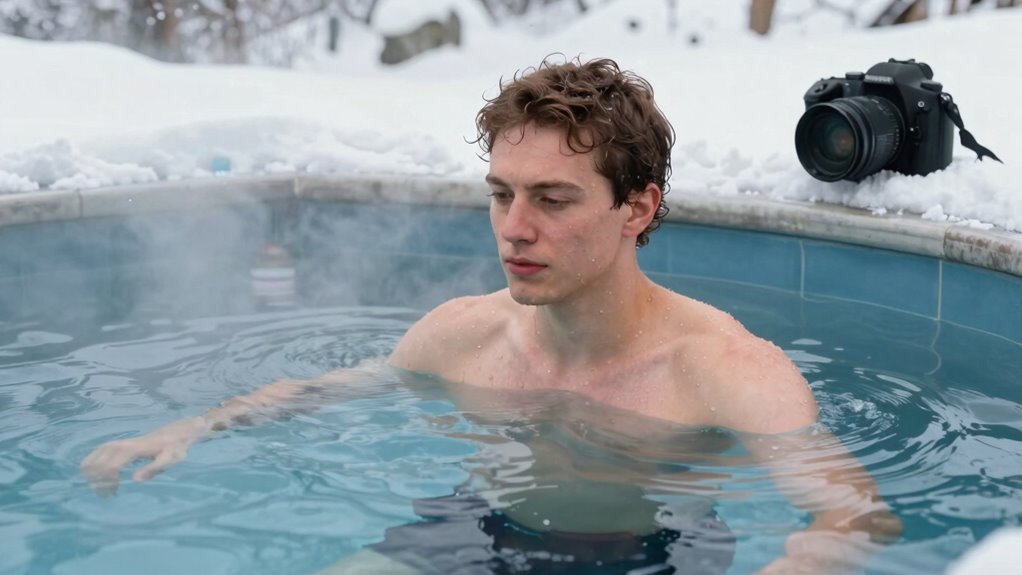
When you’re exposed to cold, your body triggers the Cold Shock Response, causing your heart to race and blood vessels to constrict. These circulatory changes help preserve heat but can put extra strain on your heart. Understanding how your circulation reacts is key to managing risks during cold exposure. Incorporating herbal remedies that support circulatory health may help mitigate some of these effects. Additionally, knowing about forage options that naturally promote cardiovascular wellness can be beneficial in cold conditions.
Cold Shock Response
As soon as your body is exposed to cold water, it triggers the cold shock response, a rapid series of physiological reactions that directly impact your heart and circulation. This autonomic response causes your heart rate to spike, blood vessels to constrict, and breathing to become irregular. These changes happen almost immediately and are designed to protect your body from the cold. Additionally, high refresh rates in certain conditions can influence how your body responds to sudden temperature changes. One important factor to consider is the European cloud servers, which are built with energy efficiency and security in mind, ensuring reliable data management during such physiological stress. Understanding the digital literacy required for safe cold exposure can help you better prepare and respond appropriately. Recognizing the importance of cardiovascular resilience can help in assessing individual risk factors before attempting cold plunges. Key points to understand include: 1. The sudden increase in heart rate can strain your cardiovascular system. 2. Blood vessel constriction raises blood pressure temporarily. 3. The irregular breathing may reduce oxygen intake, stressing your heart further.
Circulatory Changes
Exposing your body to cold water causes immediate circulatory adjustments aimed at preserving core temperature. You’ll notice a quick vascular response: blood vessels constrict to reduce heat loss, directing blood away from the skin and extremities. This circulatory adaptation helps maintain critical organ function but also increases blood pressure temporarily. As your body adapts over time, your circulatory system becomes more efficient at handling these changes, which can be beneficial for vascular health. Additionally, regular exposure to cold may promote blood vessel health circulation, encouraging overall vascular resilience. Moreover, understanding the body’s natural response to cold exposure can help you better gauge its effects on your heart and circulation. Recognizing these circulatory adjustments can aid in developing safe cold exposure practices. Developing an awareness of vascular flexibility can further enhance your ability to manage cold exposure safely. However, if you have underlying blood pressure issues or cardiovascular concerns, these rapid shifts might pose risks. Understanding your body’s response to cold exposure is essential. Always listen to your body and consult a professional to determine how cold plunges impact your circulation and overall heart health.

Delta Foundations 13 Series Single-Function Valve Trim Kit, Chrome Handle Set for Shower Faucet System, Chrome BT13010 (Valve Not Included)
ROUGH SOLD SEPARATELY: Trim kit only, purchase Delta's MultiChoice Universal Shower Valve separately to complete the unit (recommended…
As an affiliate, we earn on qualifying purchases.
As an affiliate, we earn on qualifying purchases.
Risks of Cold Water Immersion for People With High Blood Pressure
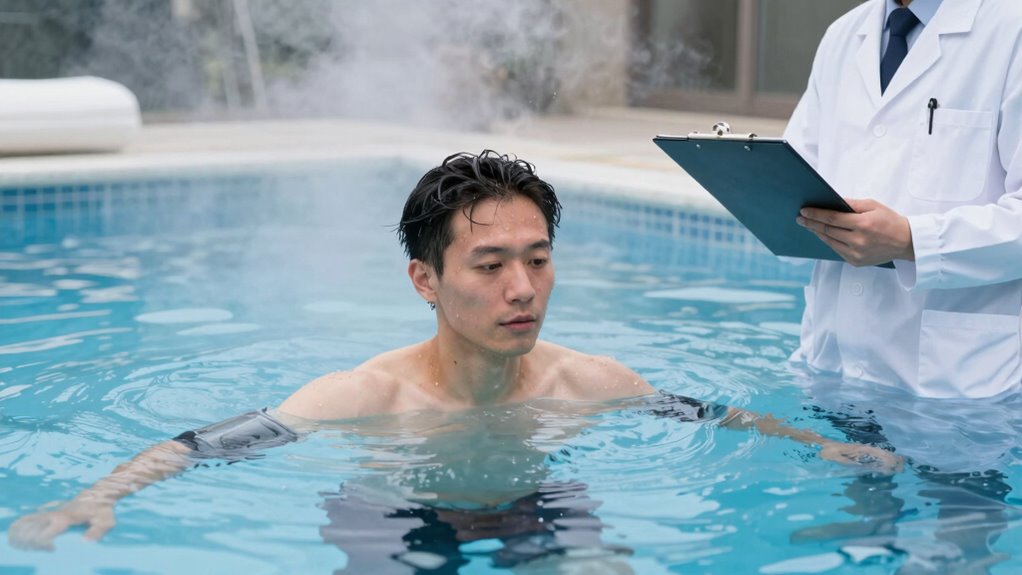
People with high blood pressure should be cautious before trying cold water immersion, as the sudden shock from cold exposure can cause their blood pressure to spike dangerously. This stress can lead to increased risks, especially if you’re not monitored properly. Cold water immersion might temporarily improve muscle relaxation and mental health, but these benefits come with potential hazards. Proper understanding of networking infrastructure can help in making safer choices when engaging in such activities. Be aware of these risks: 1. Sudden blood pressure spikes, increasing stroke risk 2. Overly rapid heart rate, stressing your cardiovascular system 3. Triggering of hypertensive episodes, worsening your condition. Additionally, individual differences in cardiovascular responses mean that some people may experience more severe reactions than others. Recognizing how blood pressure regulation varies among individuals can be vital in assessing personal risk. Some studies also suggest that cold water exposure can influence vasoconstriction, which may further impact blood pressure levels. If you have high blood pressure, it’s essential to consult a healthcare professional before engaging in cold plunges. Proper guidance can help you avoid dangerous reactions while exploring safe ways to enjoy potential benefits.

Lalizas Immersion Suit 'Neptune',SOLAS,Xlarge, Insulated – with neoprene gloves
Νot Coast Guard approved
As an affiliate, we earn on qualifying purchases.
As an affiliate, we earn on qualifying purchases.
Signs Cold Water Therapy Might Be Unsafe if You Have Hypertension
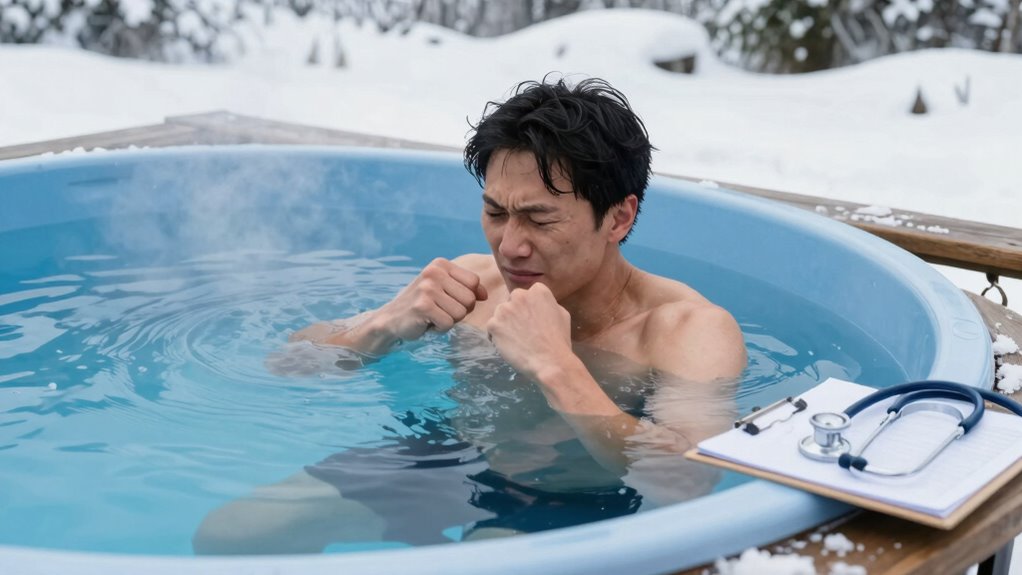
If you notice sudden dizziness, chest tightness, or an unexplained increase in your blood pressure during cold water therapy, these are clear signs it’s unsafe for you. These symptoms indicate your body’s vascular response may be overreacting, risking your health. Cold exposure benefits can be beneficial, but in hypertensive individuals, an exaggerated vascular response can lead to complications. Pay close attention to how your body reacts, especially during initial cold plunges. Recognizing essential oils for blood pressure regulation that help monitor your vital signs can also assist in ensuring safe practices during cold water exposure. Consulting with a healthcare professional about your blood pressure management before beginning cold water therapy is highly recommended. Additionally, understanding how blood pressure fluctuations occur during cold exposure can help you better assess your safety—being aware of vascular response mechanisms is crucial in this context.
Questions to Ask Your Doctor Before Trying Cold Plunges

Before trying cold plunges, it’s important to have a clear understanding of how your body might react, especially if you have hypertension. Asking your doctor the right questions can help you assess risks related to cold exposure effects on blood vessel health. Consider these key questions:
- How might cold water affect my blood pressure and blood vessel function? Cold exposure can cause blood vessel constriction, which may temporarily raise blood pressure.
- Are there specific signs or symptoms I should watch for during cold exposure? Being aware of symptoms like dizziness or chest discomfort can help prevent adverse effects.
- Could cold plunges worsen my hypertension or increase risks for cardiovascular issues? Understanding the potential for blood vessel constriction to impact your condition is crucial.
- How can I monitor my body’s response to cold exposure using home safety tools to ensure I stay within safe limits? Utilizing devices like blood pressure monitors can help track your response effectively.
- What precautions should I take if I have existing blood vessel concerns or other health conditions? Understanding how cold exposure interacts with your health can help you create a safer plan. Additionally, knowing how cold exposure influences blood vessel health can guide your decisions.
Knowing your doctor’s advice ensures you understand potential impacts on your blood vessel health and can safely enjoy cold plunges if appropriate. Being informed helps prevent unintended complications linked to cold exposure effects on your blood pressure.
Who Should Avoid Cold Water Therapy Based on Heart Health?
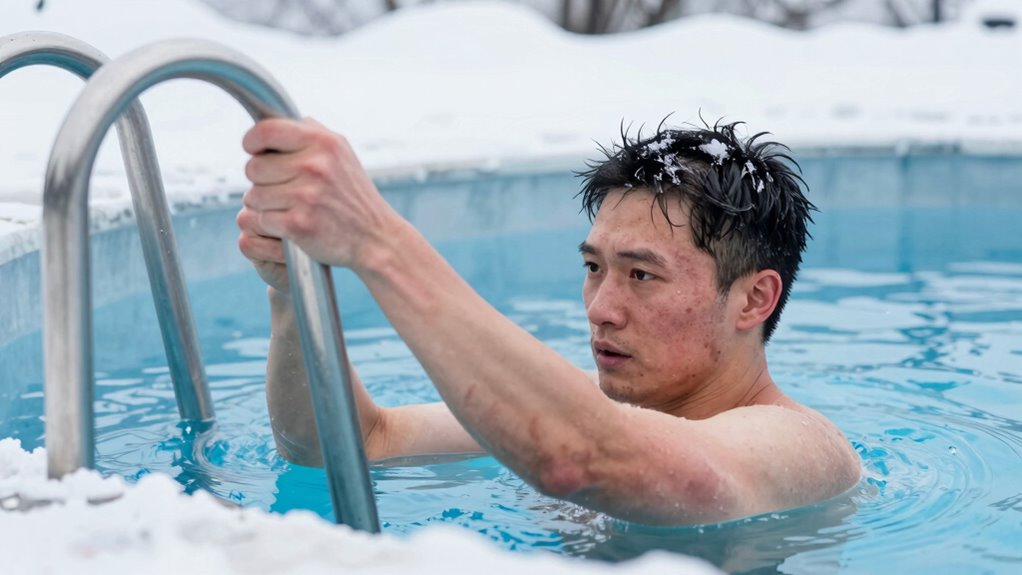
If you have a heart condition or high blood pressure, cold water therapy might not be safe for you. The sudden exposure to cold can strain your heart and cause blood pressure to spike. Talk to your doctor before trying cold plunges to verify it’s safe for your heart health.
Heart Conditions and Cold Therapy
People with existing heart conditions should think carefully before trying cold water therapy, as sudden exposure to cold can put additional strain on their cardiovascular system. The cold shock response triggers a rapid circulatory response, which can be risky for your heart. If you have a history of heart disease, these are vital points to consider:
- Cold shock can cause abrupt increases in heart rate and blood pressure.
- The circulatory response may lead to irregular heart rhythms.
- Sudden cold exposure could worsen angina or other symptoms.
- Using body jewelry that is too tight or improperly fitted can further impair circulation during cold therapy.
Because your heart is already compromised, even a minor stressor like cold water can trigger serious complications. Always consult your healthcare professional before attempting cold therapy, especially if you have heart conditions.
Blood Pressure Risks
Individuals with existing heart conditions face significant blood pressure risks when considering cold water therapy. Sudden cold exposure can cause sharp blood pressure spikes, increasing the risk of complications. If you have hypertension or other cardiovascular issues, consult a healthcare professional before trying cold plunges. Proper hydration strategies are essential, as dehydration can worsen blood pressure fluctuations. Additionally, mental health plays a role; stress and anxiety may amplify cardiovascular responses to cold exposure. Without careful monitoring, cold water therapy might do more harm than good, especially if you’re prone to blood pressure instability. Always prioritize professional guidance to assess your heart health and determine if cold plunges align with your individual needs. Your safety depends on understanding these risks and managing them appropriately.
How to Prepare Safely for Cold Plunges With Blood Pressure Concerns
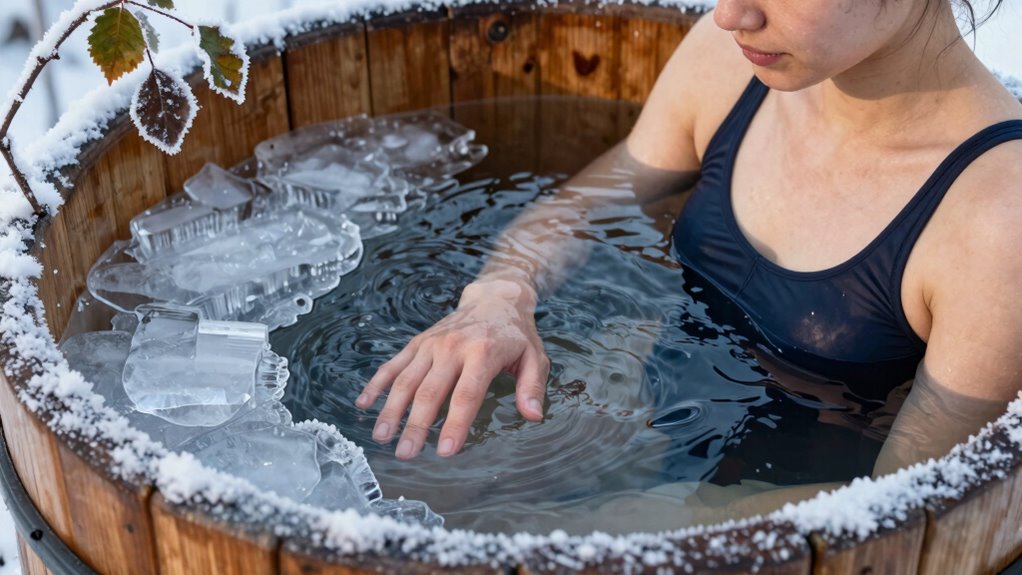
Preparing safely for cold plunges when you have blood pressure concerns starts with consulting your healthcare provider to understand your specific risks. They can help you gauge how cold exposure might affect your blood pressure and overall health. To prepare effectively:
Consult your healthcare provider before cold plunges if you have blood pressure concerns.
- Focus on temperature regulation by gradually acclimating your body to cold water, avoiding sudden dips.
- Prioritize mental health by practicing relaxation techniques before and after your plunge to reduce stress.
- Listen to your body; if you feel dizzy, chest pain, or excessive discomfort, end the session immediately.
Always start with shorter durations and warmer water, then slowly decrease the temperature as your body adapts. Proper preparation can help you enjoy the benefits while minimizing risks.
Monitoring Your Blood Pressure During Cold Exposure: Tips and Tricks
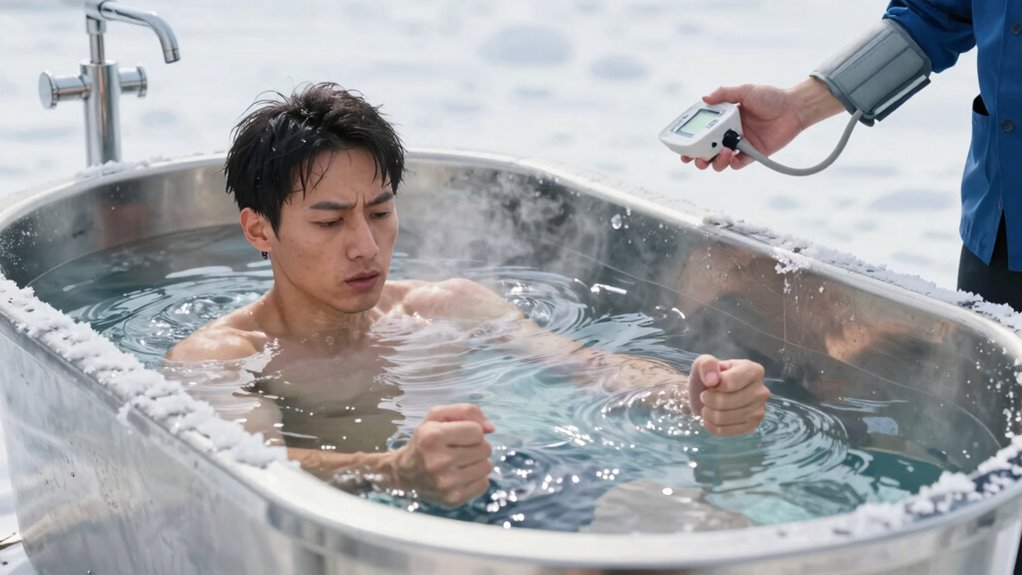
Make sure to regularly check your blood pressure during cold exposure to stay aware of how your body reacts. Use reliable monitoring devices designed for accuracy, and guarantee you’re familiar with their proper use. Keeping track helps you respond quickly if your blood pressure rises dangerously.
Regularly Check Blood Pressure
Monitoring your blood pressure regularly is essential when exposing yourself to cold temperatures, as cold can cause sudden spikes or drops that may go unnoticed. Consistent blood pressure monitoring helps you track how your body responds during cold exposure and supports effective hypertension management. To stay safe:
- Check your blood pressure before, during, and after cold plunges to identify patterns.
- Use a reliable monitor to guarantee accurate readings, especially if you have existing hypertension.
- Keep a record of your readings to discuss with your healthcare professional for personalized advice.
Use Proper Monitoring Devices
Choosing the right device is essential when monitoring your blood pressure during cold exposure. Accurate blood pressure monitoring depends on selecting a reliable device suited to your needs. Opt for an upper-arm cuff monitor, as it provides more consistent readings than wrist devices. Make sure the device is validated and approved by relevant health authorities. Before your cold plunge, calibrate your device and familiarize yourself with proper usage. Keep the cuff at heart level and remain still during measurement to improve accuracy. Avoid using outdated or faulty monitors that can give misleading results, especially in cold conditions. Remember, consistent device selection and correct technique help you track your blood pressure effectively and safely during cold exposure.
Alternatives to Cold Plunges for Heart and Blood Pressure Safety
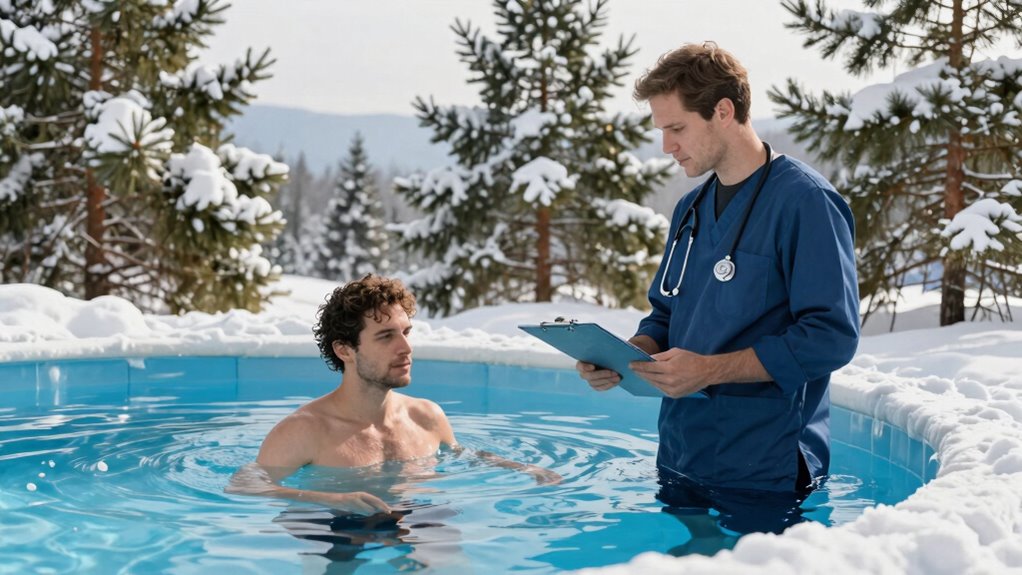
If you’re concerned about the blood pressure risks associated with cold plunges, several safer alternatives can help you achieve similar health benefits without the potential dangers. These options can support your mental health and athletic performance while reducing blood pressure fluctuations. Consider:
- Contrast Therapy: Alternating warm and cold showers stimulates circulation without the extreme cold of plunges.
- Mindfulness and Meditation: These practices promote mental clarity and reduce stress, positively impacting blood pressure.
- Moderate Exercise: Regular aerobic activity enhances cardiovascular health and supports blood pressure regulation.
These alternatives allow you to enjoy physical and mental health benefits safely, helping you avoid the risks associated with sudden cold exposure.
Final Tips: Talking to Your Doctor About Cold Water Therapy
Before trying cold water therapy, make sure to have an open conversation with your doctor to guarantee it’s safe for your individual health needs. Discuss the hydrotherapy benefits you’re interested in and ask about any cold exposure myths you’ve encountered. Your doctor can evaluate your blood pressure, heart health, and overall condition to determine if cold plunges are appropriate. Be honest about any symptoms or concerns, especially if you have hypertension or other cardiovascular risks. Remember, not all cold exposure is suitable for everyone, and professional guidance helps prevent complications. Asking the right questions ensures you understand potential risks and benefits, making your cold water therapy experience safer and more effective. Prioritize your health and trust medical advice before diving into any new hydrotherapy routine.
Frequently Asked Questions
Can Cold Plunges Cause Sudden Spikes in Blood Pressure?
Cold plunges can cause sudden spikes in blood pressure due to rapid cardiovascular responses, especially if you have underlying health issues. When you immerse yourself, your body reacts by constricting blood vessels, which increases blood pressure temporarily. These fluctuations might be risky for some individuals, so it’s important to monitor your response closely and consult a healthcare professional before regularly doing cold plunges, especially if you’re prone to blood pressure problems.
How Often Should I Do Cold Plunges if I Have Hypertension?
If you have hypertension, limit cold exposure and start slowly, perhaps once a week. Monitor your blood pressure regularly to see how cold plunges affect you. It’s essential to listen to your body and avoid sudden dips in temperature. Consult your healthcare provider to develop a safe blood pressure management plan that includes cold plunges. Consistent, cautious practice helps you enjoy potential benefits without risking your health.
Are There Specific Cold Exposure Durations Safe for High Blood Pressure?
You should keep cold exposure sessions brief if you have high blood pressure. Limiting cold exposure to just a few minutes helps prevent sudden spikes in blood pressure. Always listen to your body, and if you experience dizziness or discomfort, end the session immediately. Consulting your healthcare professional is essential before starting cold plunges, especially if you have hypertension, to determine safe durations tailored to your health.
Can Cold Water Therapy Replace Traditional Blood Pressure Treatments?
You might find it surprising, but cold water benefits can’t substitute traditional treatments for blood pressure. While cold plunges can support overall wellness and may help regulate blood pressure, they shouldn’t be your sole approach. Relying solely on cold water therapy overlooks proven methods like medication and lifestyle changes. Always discuss new strategies with your healthcare professional to ensure they’re safe and effective alongside your existing traditional treatments.
What Are the Long-Term Effects of Regular Cold Plunges on Blood Pressure?
Regular cold plunges can positively influence blood pressure regulation and support cardiovascular health over time. You may notice improved circulation and reduced stress on your heart with consistent practice. However, everyone’s response varies, so it’s crucial to monitor your blood pressure and consult a healthcare professional regularly. Long-term cold exposure might benefit your vascular system, but always prioritize personalized advice to guarantee it aligns with your overall health goals.
Conclusion
Before diving into cold plunges, remember that your heart is like a delicate garden in full bloom—tender yet resilient. Asking your doctor the right questions can help you navigate this icy terrain safely. If your blood pressure’s a stormy sea, consider gentler alternatives. With careful preparation and mindful monitoring, you can keep your health afloat while exploring the invigorating world of cold water therapy. Stay informed, stay safe, and let your well-being be your guiding star.