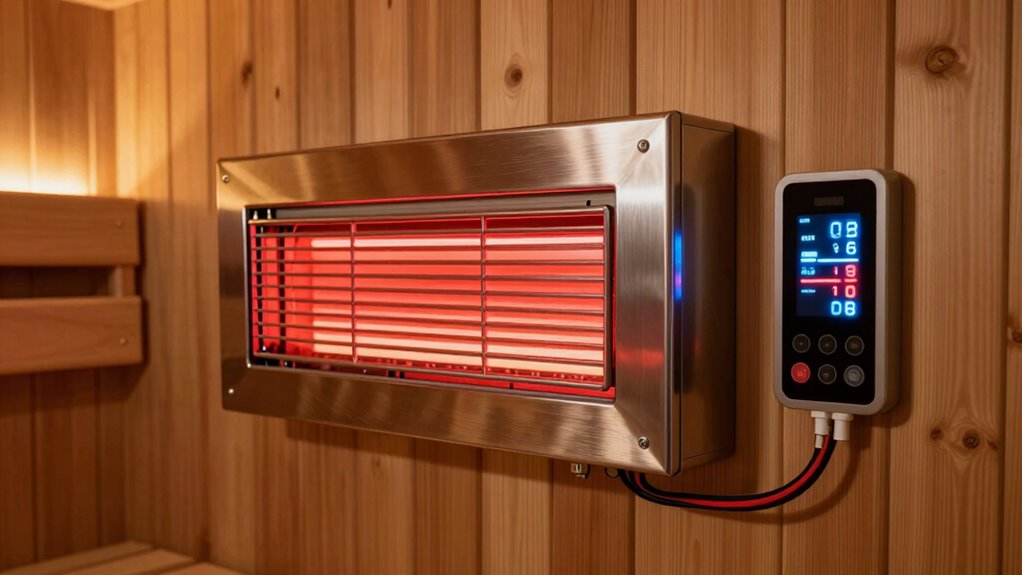
To guarantee your electric sauna heater operates safely and effectively, you need to understand its wattage, circuit support, and safety measures. Calculate the correct wattage based on your sauna’s size, choose a circuit with enough capacity and proper wiring, and install necessary safety devices like breakers and grounding. Proper support prevents electrical issues and guarantees efficient heating. Keep learning how to match your heater with the right setup for safe, pleasant sauna experiences.
Key Takeaways
- Determine sauna size and insulation to select the appropriate wattage, typically 1 kW per 45-50 cubic feet.
- Match circuit capacity and breaker ratings to the heater’s wattage, including safety margins, to prevent overloads.
- Use proper wiring gauges, secure connections, and grounding following electrical codes for safe and efficient operation.
- Incorporate overcurrent protection devices like circuit breakers or GFCIs, and regularly test safety features for reliability.
- Follow manufacturer instructions, ensure proper ventilation, and conduct routine inspections to maintain safety and compliance.
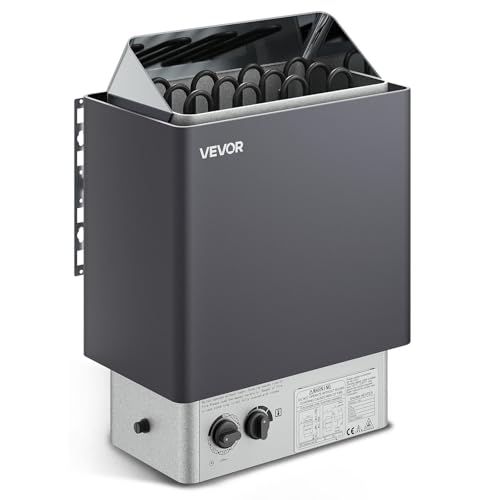
VEVOR Sauna Heater,220V Electric Sauna Stove, Steam Bath Sauna Heate 3h Timer and Adjustable Temp for Max. 176-318 Cubic Feet, Home Hotel Spa Shower Use (6KW) FCC Certification
Fast Heating: This heater is 220-240V AC, a special voltage. The site conditions need to be evaluated before…
As an affiliate, we earn on qualifying purchases.
As an affiliate, we earn on qualifying purchases.
How to Choose the Right Wattage for Your Sauna

Choosing the right wattage for your sauna heater is essential to guarantee it heats efficiently without wasting energy. Start by considering your sauna’s size and insulation. Good sauna insulation helps retain heat, so you won’t need an excessively powerful heater. Measure your sauna’s volume accurately to determine the appropriate wattage; typically, about 1 kilowatt (kW) heats 45-50 cubic feet. Proper heater placement is also vital—install it where heat can circulate evenly and avoid obstructing airflow. An undersized heater won’t reach your desired temperature, while an oversized one wastes energy and may damage the sauna. Assess your sauna’s insulation quality and size carefully, then select a heater wattage that matches these factors for maximum performance. Additionally, consulting wattage guidelines can help ensure you choose a heater that provides reliable and safe operation. Keep in mind that power safety is crucial when selecting and installing your sauna heater to prevent electrical hazards and ensure long-term reliability. Considering the energy efficiency of your heater can also contribute to reducing overall energy consumption and operating costs over time. Incorporating proper circuit wiring ensures your heater operates safely and avoids electrical overloads, which is vital for long-term durability. Selecting an appropriately rated heater with advanced safety features can further enhance your sauna experience by minimizing potential risks.

Littversions 2 Packs of Ultimate 48 Circuits Bidirectional Breaker Directory Label Kit with Colored Icons & Panel Markers for All Electrical Panel Durable Vinyl
ULTIMATE PANEL KIT LABELS: Kit includes 48 circuit directory, 53 Circuit Identification labels with colored icons, 48 Round…
As an affiliate, we earn on qualifying purchases.
As an affiliate, we earn on qualifying purchases.
How Electrical Circuits Support Your Sauna Heater
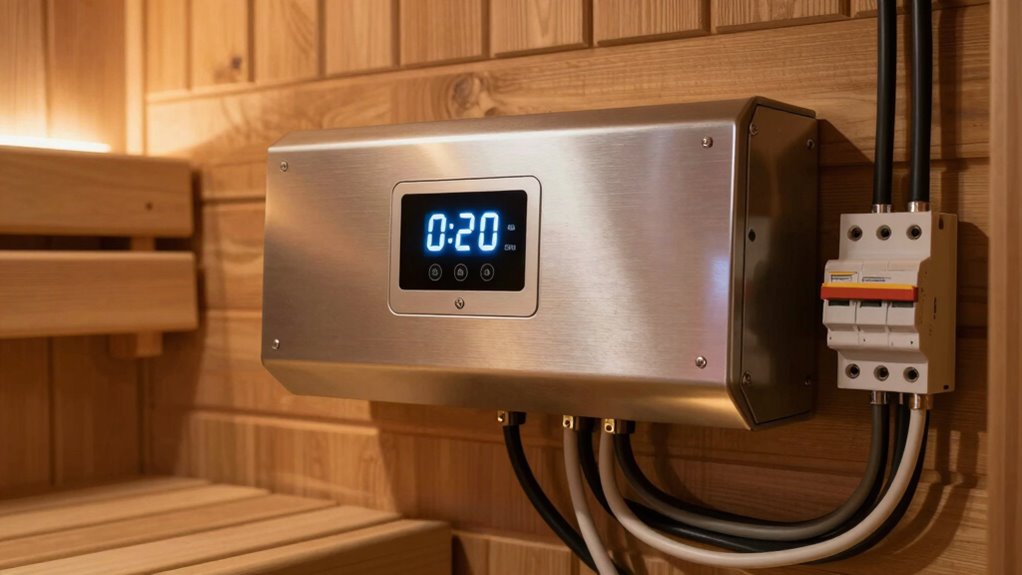
Your sauna heater relies on the right electrical circuit to operate safely and efficiently. Ensuring the circuit has sufficient capacity, proper wiring, and safety breakers is essential. These elements protect your system and keep your sauna running smoothly. Proper mount, OTA, and camera setup concepts from deep-sky imaging can serve as useful analogies for understanding electrical configurations and safety measures. Additionally, understanding power ratings helps in selecting the appropriate circuit and components for your sauna heater. Knowing the importance of wave and wind considerations can also influence the placement and protection of your electrical system to withstand environmental factors. Considering circuit protection devices can further enhance safety and prevent electrical overloads or faults. Staying informed about AI detector advancements can aid in maintaining the integrity of your electrical system by preventing potential faults.
Circuit Capacity Requirements
Ensuring your electrical circuit can handle the sauna heater’s power demands is essential for safe and reliable operation. Proper circuit capacity prevents overloads and potential hazards. To determine the right circuit capacity, consider these key points:
- Match the circuit’s amperage to the sauna heater’s electrical load, usually indicated in watts and converted to amps. Electrical load calculations are fundamental for accurate sizing.
- Add a safety margin of at least 25% to handle startup surges and future upgrades.
- Verify the circuit breaker’s rating aligns with the circuit capacity needed for your heater.
- Avoid sharing circuits with high-power appliances to prevent overloading.
- Understanding your electrical system’s Vetted standards ensures compliance and safety.
- Consulting a qualified electrician can help ensure your setup meets all safety requirements and local codes, especially when dealing with electrical system capacity.
- Proper wiring and adherence to electrical codes are crucial for safe sauna heater operation and to prevent potential fire hazards.
Proper Wiring Standards
Proper wiring standards are essential to support your sauna heater’s electrical demands safely. Following correct wiring color codes helps guarantee clear identification of live, neutral, and ground wires, reducing the risk of errors during installation or maintenance. Grounding safety is critical; a proper ground connection prevents electrical shock if a fault occurs. Use appropriately rated wires that match your heater’s wattage and circuit requirements, and ensure connections are secure and insulated. Adhering to local electrical codes guarantees your wiring meets safety standards and reduces potential hazards. Always verify that the wiring setup accommodates your sauna heater’s power needs and incorporates proper grounding. Proper wiring standards not only protect you and your property but also ensure your sauna functions reliably over time. Additionally, understanding the power requirements of your sauna heater helps prevent overloads and ensures efficient operation. Paying attention to circuit capacity ensures your electrical system can handle the load without tripping or overheating. Ensuring compatibility with body electrical systems can further enhance safety and performance. Using proper wiring techniques can help maintain the longevity and safety of your electrical installation.
Safety Circuit Breakers
Safety circuit breakers play a pivotal role in protecting both your sauna heater and your electrical system by quickly shutting off power if an overload or short circuit occurs. They prevent electrical fires and equipment damage, guaranteeing safe operation. When installing or maintaining your system, consider these key components:
- GFCI outlets help prevent electrical shock by cutting power if a ground fault is detected.
- Surge protectors shield your sauna heater from voltage spikes caused by lightning or power surges.
- Proper circuit breakers are rated for the specific wattage and amperage of your heater, preventing overloads.
- Regular testing of circuit breakers ensures they function correctly, providing ongoing safety.
- Incorporating holistic SEO principles can help ensure your safety information reaches a broader audience, promoting awareness and proper usage.
- Understanding electrical safety measures and filtration and pump protection together can enhance your preparedness for diverse emergencies.
Using these safety devices in conjunction with circuit breakers guarantees a safer sauna experience.
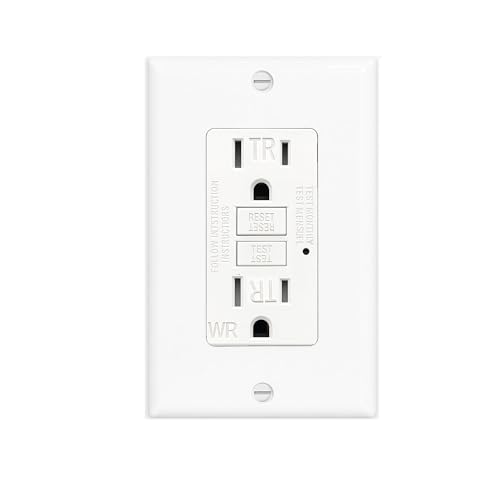
(15 AMP – 1 Pack) GFCI Outlet WR White – Tamper Resistant, Weather Resistant GFI Receptacle with Self-Test, LED Indicator,UL Listed, Easy Install – Ground Fault Outlet for Outdoor Use & Bathroom
✅1. Smart Protection, Anywhere You Need It Keep your home safe from electrical hazards with our GFCI outlet…
As an affiliate, we earn on qualifying purchases.
As an affiliate, we earn on qualifying purchases.
Wiring Requirements and Safety Tips for Your Sauna Heater
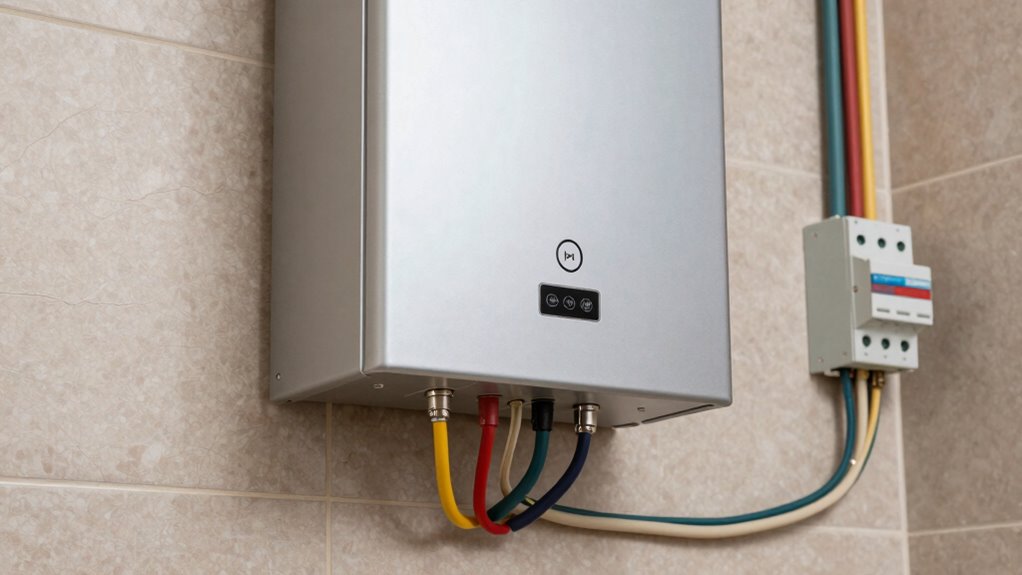
When wiring your sauna heater, it’s essential to follow proper standards to guarantee safe operation. You should also prioritize safety precautions to prevent electrical hazards. Let’s explore the key wiring requirements and safety tips to keep your sauna setup secure and reliable.
Proper Wiring Standards
Making certain your sauna heater is wired correctly is essential for safe and reliable operation. Proper wiring standards involve adhering to grounding requirements and selecting the correct wire gauge. To do this effectively:
- Verify grounding requirements to prevent electrical shock and ensure safety.
- Choose the appropriate wire gauge, typically thicker for higher wattage heaters, to handle the current safely.
- Use wiring that meets local electrical codes for sauna installations.
- Ensure all connections are tight, secure, and insulated to prevent short circuits or faults.
Following these standards helps reduce risks and maintains your heater’s efficiency. Always consult a licensed electrician if you’re unsure about wiring specifications or local regulations. Proper wiring standards protect you and your investment, ensuring safe, long-lasting operation.
Safety Precautions to Follow
To protect yourself and your property, it’s essential to follow proper wiring requirements and safety tips when installing and using your sauna heater. Verify the heater is properly grounded with reliable electrical grounding to prevent shock hazards. Always confirm that your circuit includes overcurrent protection, such as a circuit breaker, to prevent wiring damage or fire risks caused by overloads. Use the correct gauge wiring specified for your heater’s wattage and circuit capacity. Regularly inspect connections for signs of wear or corrosion and avoid bypassing safety features. Keep the sauna area dry and away from water sources to reduce electrical shock risks. Following these precautions helps ensure safe operation and longevity of your sauna heater.

Mangoct 2KW 110V Sauna Heater with Plug, Electric Sauna Heater, 3h Timer for Small Sauna Rooms (100 Cu.Ft.), Dry Sauna Heater, No Wiring Needed Sauna Stove
【2KW Rapid-Heating Power】Experience spa-grade warmth in minutes! Our 110V sauna heater delivers robust 2KW performance, efficiently heating 70-100…
As an affiliate, we earn on qualifying purchases.
As an affiliate, we earn on qualifying purchases.
How to Calculate Your Sauna’s Electrical Load
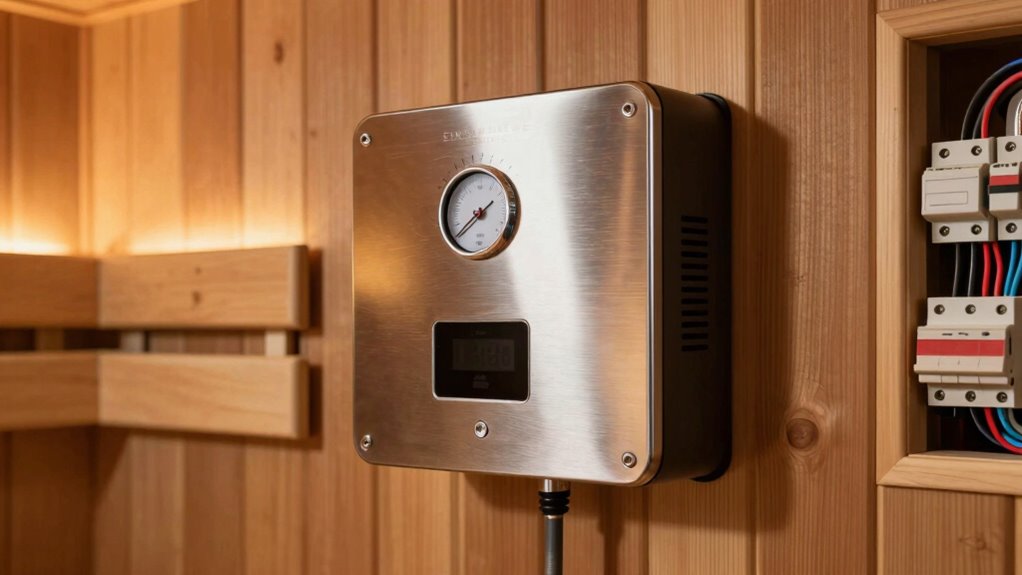
Calculating your sauna’s electrical load is essential to guarantee your heater operates safely and efficiently. Proper load calculation ensures effective temperature control and moisture management, preventing overheating or insufficient heating. To do this:
- Determine the heater’s wattage rating from the manufacturer.
- Measure the sauna’s total volume in cubic feet or meters.
- Calculate the required watts per cubic foot/meter based on your climate and desired temperature.
- Add any additional electrical devices, like lighting or ventilation, to the total load.
Common Installation Mistakes and How to Avoid Them
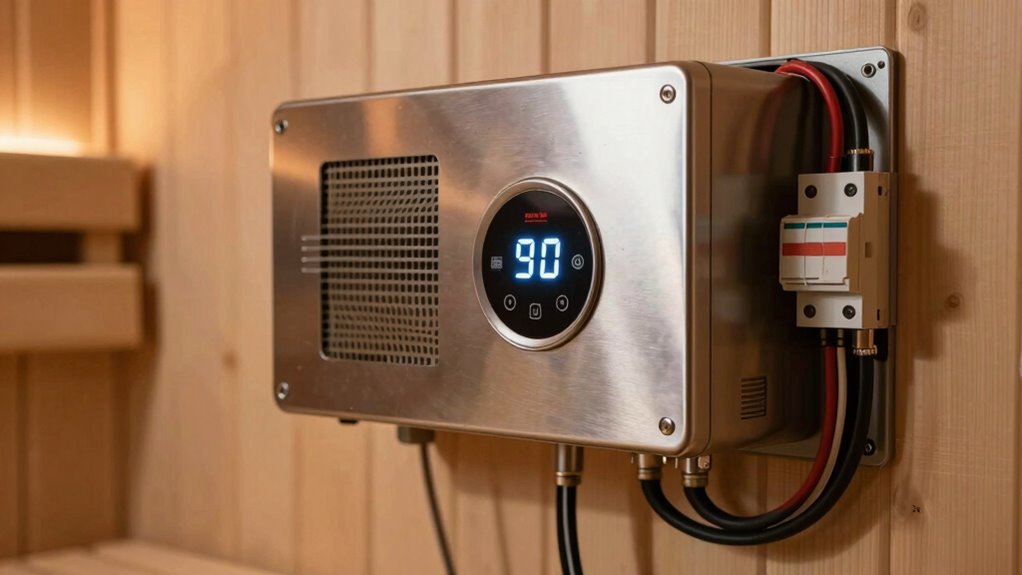
Installing a sauna heater might seem straightforward, but overlooking common mistakes can lead to safety hazards and costly repairs. One frequent error is neglecting grounding issues, which can cause electrical shocks or equipment damage. Always ensure the heater is properly grounded according to local codes. Ventilation concerns are another critical mistake; inadequate airflow can lead to overheating and moisture buildup, risking structural damage or mold growth. Verify that the sauna has sufficient ventilation openings and that they’re unobstructed. Additionally, avoid wiring the heater to an incorrect circuit size or ignoring manufacturer instructions. Properly grounding the system and ensuring proper ventilation not only protects your investment but also guarantees your safety during use. Taking these precautions minimizes risks and ensures a safe, efficient sauna experience.
Why Fuses and Breakers Matter for Sauna Safety
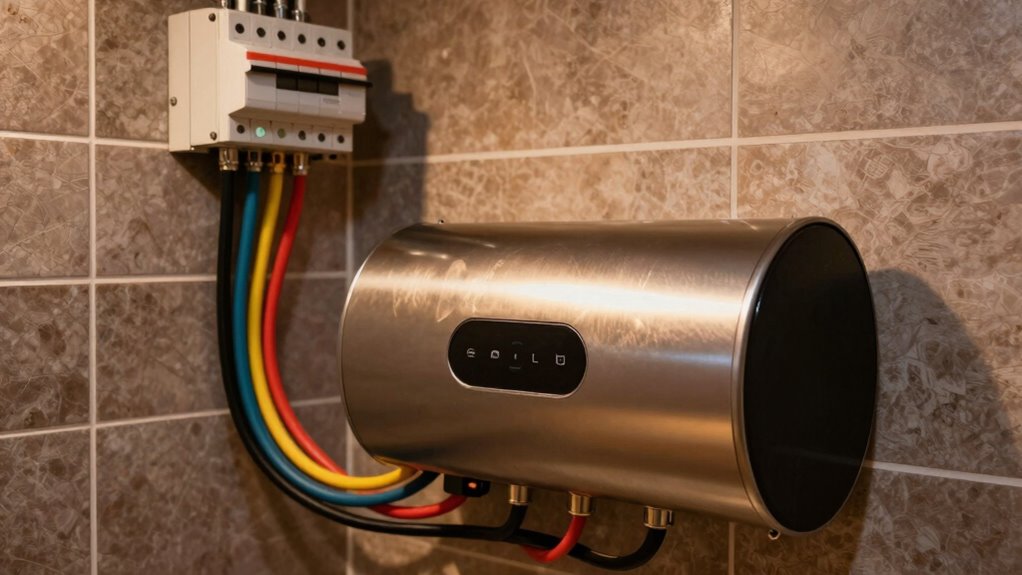
Fuses and circuit breakers are essential safety devices that protect your sauna and electrical system from damage or hazards. They prevent overloads and short circuits by interrupting power when necessary. Understanding fuse ratings helps guarantee you use the correct fuse size for your sauna’s power needs, avoiding unnecessary trips or failures. Similarly, selecting the right breaker types—such as single-pole or GFCI—ensures maximum safety and compatibility. Here are four key points to consider:
Proper fuse and breaker selection ensures safe, reliable sauna operation and electrical protection.
- Use fuses with appropriate ratings to match your sauna’s wattage.
- Choose breaker types that suit the circuit, like GFCI for moisture-prone areas.
- Regularly inspect fuses and breakers for signs of wear or damage.
- Replace faulty devices promptly to maintain safety and prevent electrical fires.
Properly rated fuses and breaker types are vital for safe, reliable sauna operation.
What Safety Features Should Your Sauna Heater Have?
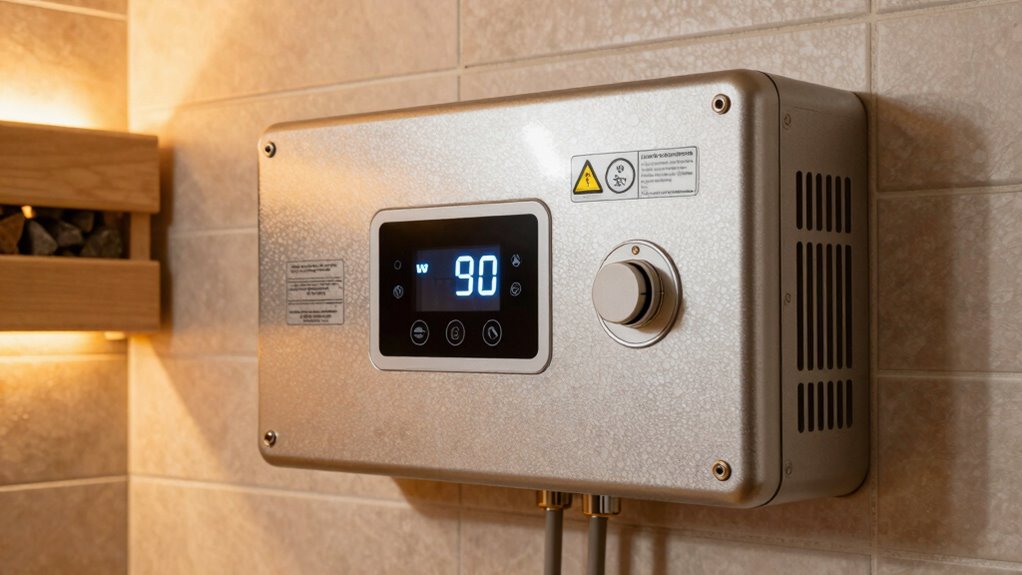
To guarantee safe sauna operation, your heater should be equipped with essential safety features that prevent accidents and damage. Key features include reliable temperature regulation, which prevents overheating, and effective ventilation systems to maintain air quality and dissipate excess heat. These safety elements help you avoid fire hazards and ensure a comfortable experience. Consider the following safety features:
| Safety Feature | Purpose |
|---|---|
| Overheat protection | Shuts heater down if it gets too hot |
| Temperature sensors | Maintain ideal heat levels |
| Ventilation systems | Improve air circulation and safety |
| Emergency shut-off | Allows quick power-off during issues |
Having these features ensures your sauna remains safe and enjoyable.
Tips to Maintain Safe and Efficient Sauna Heating
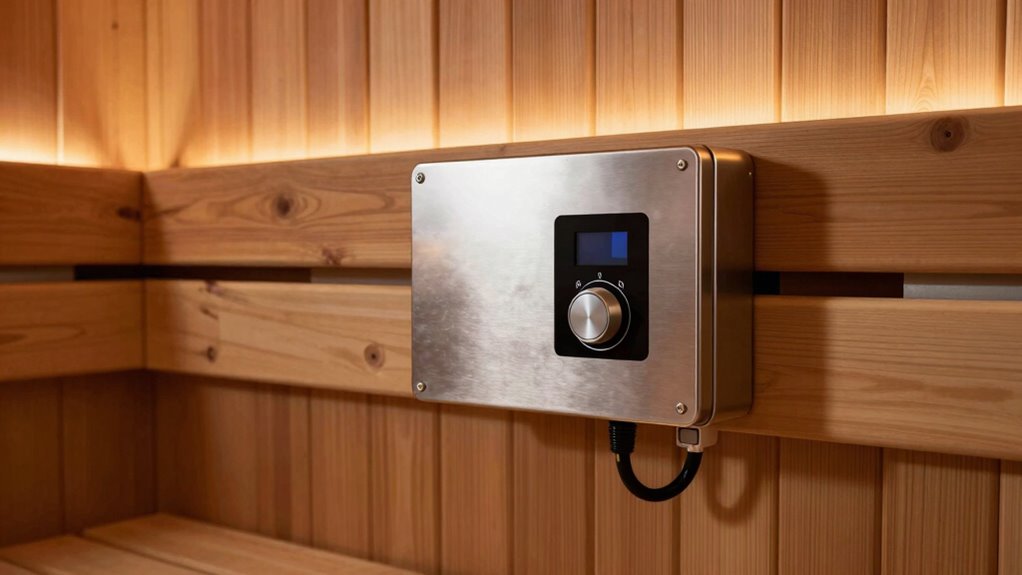
Maintaining your sauna heater properly is key to guaranteeing both safety and efficiency. Regular heater maintenance prevents electrical safety hazards and keeps your system running smoothly. To achieve this, consider these tips:
- Inspect wiring connections for corrosion or damage regularly.
- Clean heating elements and vents to ensure ideal airflow.
- Test safety features like thermal cutoffs and ground-fault interrupters periodically.
- Schedule professional inspections annually to catch issues early.
FAQs: Troubleshooting and Best Practices
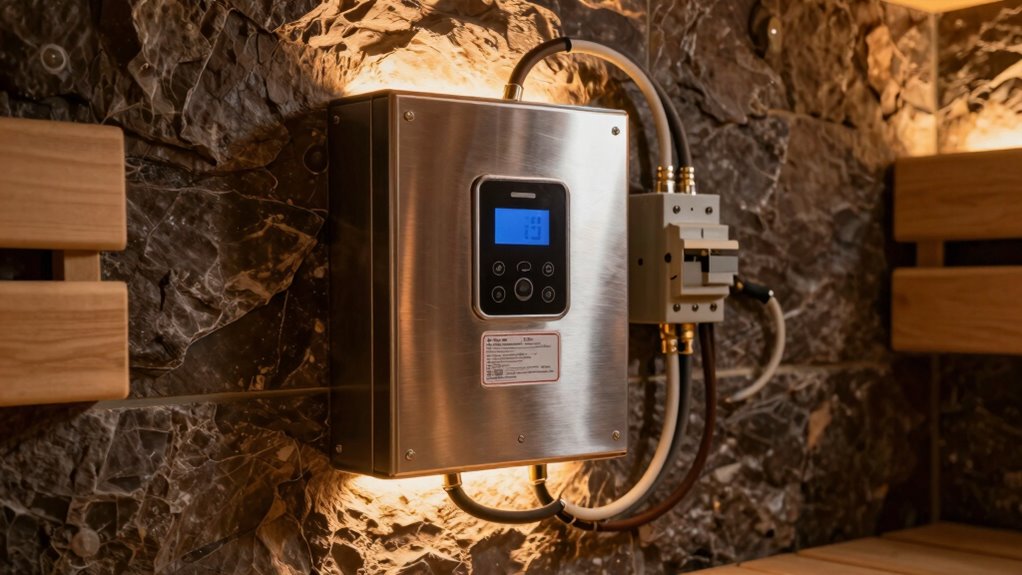
When troubleshooting your electric sauna heater, it’s important to identify common issues quickly and follow best practices to resolve them efficiently. Regular sauna heater maintenance helps prevent problems like inconsistent heating or electrical faults. If your sauna isn’t reaching the desired temperature, check the sauna temperature regulation system to ensure it’s functioning correctly. Sometimes, thermostat miscalibration or loose wiring can cause temperature fluctuations. Always inspect electrical connections for damage or corrosion. Keep the heating elements clean and free of debris. If you notice persistent issues, consult the manufacturer’s troubleshooting guide or consider professional inspection. Proper maintenance and understanding of your sauna heater’s components will help you troubleshoot effectively, ensuring safe operation and ideal sauna experience.
Frequently Asked Questions
What Are the Energy Consumption Costs of Different Sauna Heater Wattages?
Your sauna heater’s energy costs depend on its wattage, electricity rates, and efficiency. A higher wattage heater consumes more electricity, increasing your bills. For example, a 6kW heater running for an hour at average rates can cost around $0.80 to $1.20. Choosing a heater with good efficiency helps lower costs, as it uses energy more effectively. Always compare wattages and check your local electricity rates to estimate expenses accurately.
How Does Ambient Temperature Affect Sauna Heater Performance?
Ambient temperature directly affects your sauna heater’s performance and efficiency. When the surrounding air is cooler, your heater works harder to reach and maintain your desired temperature, which can reduce efficiency and increase energy use. Conversely, in warmer ambient conditions, the heater runs less often, saving energy. To optimize heater performance, guarantee proper insulation and maintain a stable ambient temperature, so your heater operates efficiently and safely.
Can I Upgrade My Sauna Heater to a Higher Wattage Model Safely?
You can upgrade your sauna heater to a higher wattage model, but you must first check heater compatibility with your existing wiring and circuit capacity. Safety considerations are essential; oversizing can overload circuits or cause electrical hazards. Consult a licensed electrician to evaluate your setup, verify proper wiring and circuit breakers are in place, and confirm the new heater meets safety standards. This way, you upgrade safely without risking damage or danger.
Are There Specific Electrical Codes for Outdoor Sauna Installations?
Think of electrical codes for outdoor sauna installations as a safety net catching you when you fall. Yes, there are specific electrical codes you must follow to guarantee your outdoor sauna is safe and compliant. These codes address wiring, grounding, moisture protection, and circuit requirements, so always check local regulations and consult a licensed electrician. Following these rules protects you from hazards and keeps your outdoor retreat enjoyable and secure.
How Do Different Heater Wattages Influence Heating Times and Efficiency?
A larger heater size with higher wattage heats your sauna faster, improving heating speed. If you choose a smaller wattage, it takes longer to reach your desired temperature, which can be less efficient. Your goal is to match the heater size to your sauna’s volume, ensuring ideal heating speed and energy use. Proper wattage selection helps you enjoy quick, efficient warmth without wasting energy or risking safety.
Conclusion
Choosing the right wattage guarantees your sauna heats efficiently and safely. Proper wiring and circuit support prevent overloads, while safety features protect you from hazards. Ignoring these details risks damage or injury, but with careful planning and maintenance, your sauna remains a relaxing retreat. Balance power with safety, efficiency with caution—because a well-maintained sauna offers comfort without compromise. Prioritize these essentials to enjoy your sauna safely today and for years to come.