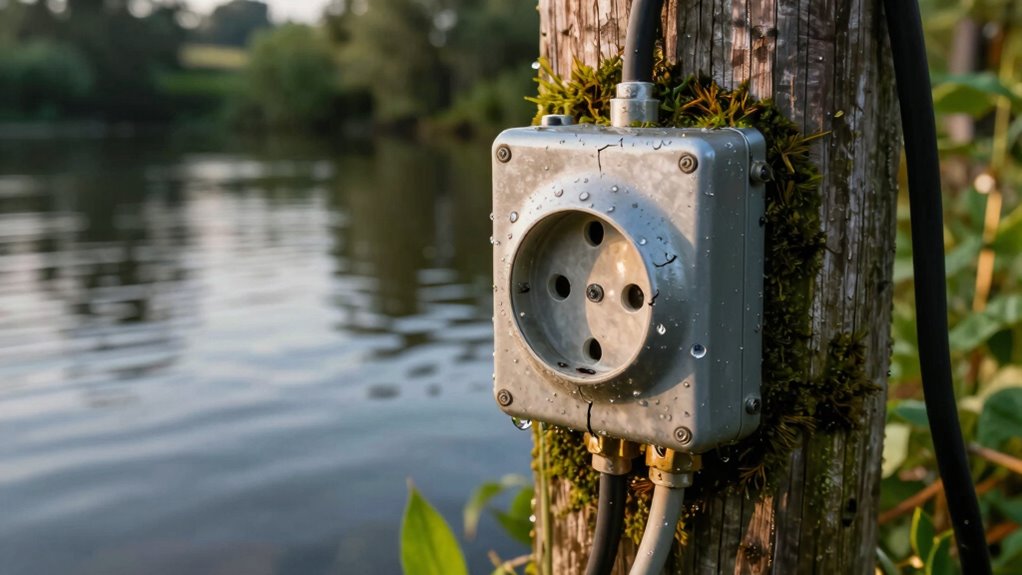

You need to take electrical safety around water more seriously because water conducts electricity, increasing the risk of shocks, shorts, and fires. Even small leaks or moisture can cause dangerous faults in outdoor wiring, generators, or appliances. Proper maintenance, safety devices like GFCIs, and careful installation are essential to avoid injuries or fatalities. Staying vigilant about water-related hazards helps you protect yourself and others—keep going to discover how to stay safer in these conditions.

Get home appliances delivered free — and shop member deals
- Fast, free delivery on millions of items
- Access to Prime Big Deal Days deals on October 6–7
- Prime Video, Amazon Music and more included
Key Takeaways
- Water’s conductivity significantly increases the risk of electrical shocks and shorts, making safety precautions essential.
- Faulty or exposed wiring in moist environments can cause dangerous electrical faults and injuries.
- Regular maintenance and inspection of outdoor electrical equipment prevent water-related hazards.
- Proper use of weatherproof and moisture-resistant electrical devices reduces risk during storms or humidity.
- Increased awareness and adherence to safety devices like GFCIs are vital to prevent electrocution around water.
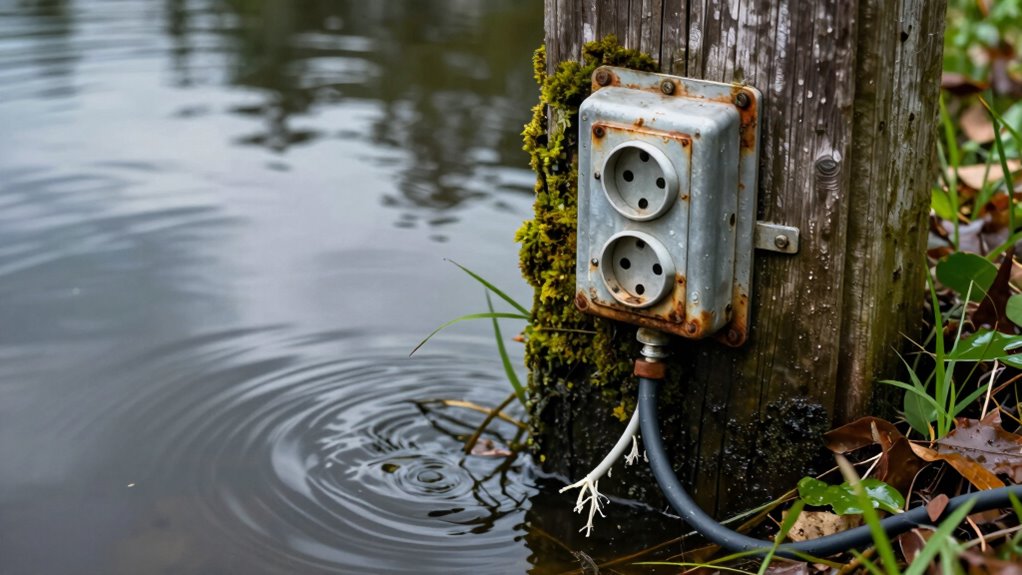
Have you ever wondered what precautions you should take to stay safe when electrical devices are nearby water? Water and electricity are a dangerous mix, and ignoring safety measures can lead to serious injuries or even fatalities. Whether you’re using outdoor wiring for a garden or running a generator during a storm, understanding the risks is key to avoiding accidents. Water conducts electricity, so any exposed wiring or faulty equipment can become a hazard if it comes into contact with moisture. That’s why proper generator maintenance isn’t just about keeping your power source running smoothly; it’s also about ensuring it’s safe to operate in environments where water might be present. Regularly inspecting your generator, checking for leaks, corrosion, or damaged cords, can prevent electrical shorts or shocks. Keep in mind that a well-maintained generator reduces the risk of electrical faults that could be triggered by water exposure. When it comes to outdoor wiring, the stakes are even higher. Outdoor cables must be rated for moisture and weather resistance, and you should always use the correct type of extension cords for outdoor use. Proper insulation and grounding are essential, especially during rainstorms or in damp conditions. If you notice any damage or frayed wires, replace or repair them immediately. Never attempt to fix outdoor wiring or electrical equipment unless you’re qualified—doing so could expose you to dangerous shocks. Also, avoid running extension cords across wet ground or through puddles, as water can seep into the connections and cause shorts or shocks. Installing Ground Fault Circuit Interrupters (GFCIs) on outdoor outlets is another crucial safety step. These devices shut off power quickly if they detect a leak, preventing potential electrocution. Remember, water isn’t just a concern during storms; humidity, rain, and even sprinklers can create hazardous conditions around electrical devices. Always keep electrical equipment elevated and covered to avoid accidental contact with water. Taking these precautions is a simple yet essential way to protect yourself and others. By staying vigilant about generator maintenance and ensuring outdoor wiring is properly installed and maintained, you reduce the risk of electrical accidents caused by water exposure. Safety around water isn’t something to take lightly; it requires ongoing attention and respect for the dangers involved. Properly installing weatherproof wiring can significantly reduce the risk of water-related electrical hazards. When you prioritize these safety measures, you create a safer environment where you can enjoy outdoor activities or use backup power without worry. Remember, electricity and water are a dangerous combination—but with awareness and proper precautions, you can keep yourself safe. Ensuring your electrical safety practices are up to date can significantly minimize the risk of accidents and injuries. Additionally, understanding the importance of proper electrical grounding helps prevent dangerous electrical shocks in wet conditions. Being aware of the potential water damage to electrical components can further enhance your safety efforts. Regularly checking your electrical systems for signs of corrosion and leaks is vital in maintaining a safe environment around water.
As an affiliate, we earn on qualifying purchases.
Frequently Asked Questions
Can Electrical Outlets Be Safely Used Outdoors Near Water?
Yes, you can safely use outdoor outlets near water if you guarantee proper outdoor wiring and ground fault protection. Use Ground Fault Circuit Interrupters (GFCIs) to prevent electrical shocks, especially in damp conditions. Always verify that outlets are weather-resistant and installed at a safe distance from water sources. Regularly inspect and maintain the outlets to prevent hazards, and avoid using damaged or non-rated outdoor wiring.
What Are the Signs of Electrical Hazards Around Water?
They say, “Better safe than sorry,” and that’s true when spotting electrical hazards around water. Look for signs like tingling sensations, sparks, or flickering lights—these can indicate electrical shock risk. A ground fault might cause outlets or appliances to trip or produce a buzzing noise. Always stay alert for these signs, as ignoring them could lead to dangerous electrical shocks. Stay cautious and prioritize safety.
How Often Should Electrical Systems Near Water Be Inspected?
You should have your electrical systems near water inspected at least once a year. Regular inspections guarantee grounding systems are intact and circuit breakers function properly, reducing risks of electrical shock. If you notice any signs of wear or damage, get an inspection immediately. Proper maintenance keeps your electrical safety in check, especially in moisture-prone areas like pools, bathrooms, or kitchens, where water and electricity dangerously intersect.
Are Portable Appliances Safe to Use Near Pools or Baths?
Portable appliances can be safe near pools or baths if they have water resistance and are used carefully. Always check the water resistance rating before plugging them in, and avoid using damaged cords or plugs. Keep appliances away from direct contact with water, and unplug them when not in use. Remember, even water-resistant appliances aren’t completely waterproof, so extra caution is essential to prevent electrical shocks.
What Safety Devices Prevent Electrical Shock in Wet Areas?
You should never underestimate the power of safety devices like Ground Fault Circuit Interrupters (GFCIs) and circuit breakers—they’re your ultimate protectors against electrical shocks in wet areas. GFCIs detect ground faults instantly and cut the power within milliseconds, preventing a dangerous shock. Circuit breakers trip to shut off electricity when overcurrent occurs, which is essential around water. Always install and test these devices regularly to stay safe in wet environments.
weatherproof outdoor extension cord
As an affiliate, we earn on qualifying purchases.
As an affiliate, we earn on qualifying purchases.
Conclusion
Remember, just as Icarus learned the dangers of flying too close to the sun, you must respect the power of electricity around water. Ignoring safety can lead to devastating consequences, but awareness and caution act as your wings, keeping you grounded. Don’t let complacency be your downfall—treat electrical safety around water with the seriousness it deserves. Stay vigilant, stay safe, and safeguard your wings from unnecessary harm.
moisture-resistant generator cover
As an affiliate, we earn on qualifying purchases.
As an affiliate, we earn on qualifying purchases.
electrical safety inspection kit
As an affiliate, we earn on qualifying purchases.
As an affiliate, we earn on qualifying purchases.
NFL season / tailgating Picks
team gear
As an affiliate, we earn on qualifying purchases.