
Ozone safety is crucial for maintaining healthy indoor air quality, especially since ozone generators can off-gas residual ozone that lingers and may harm you if not properly ventilated. This off-gassing interacts with pollutants, potentially creating harmful byproducts, so good ventilation is key to dispersing ozone and preventing buildup. Knowing how to monitor and manage ozone levels, and when to seek professional help, ensures a safer environment. If you continue exploring, you’ll learn essential tips to keep ozone off-gassing in check.
Play games included with Prime
Start a Prime free trial and play with Amazon Luna on your devices.
As an affiliate, we earn on qualifying purchases.
Key Takeaways
- Proper ventilation minimizes ozone buildup and off-gassing, reducing health risks in indoor environments.
- Ozone off-gassing can linger and interact with pollutants, creating harmful byproducts affecting air quality.
- Monitoring indoor ozone levels and signs of odors or respiratory issues helps ensure safety.
- Using ozone generators only in unoccupied, well-ventilated spaces prevents overexposure.
- Consulting professionals is essential for assessing ozone levels and addressing persistent or high concentrations.
As an affiliate, we earn on qualifying purchases.
What Is Ozone and Why Do People Use It Indoors?
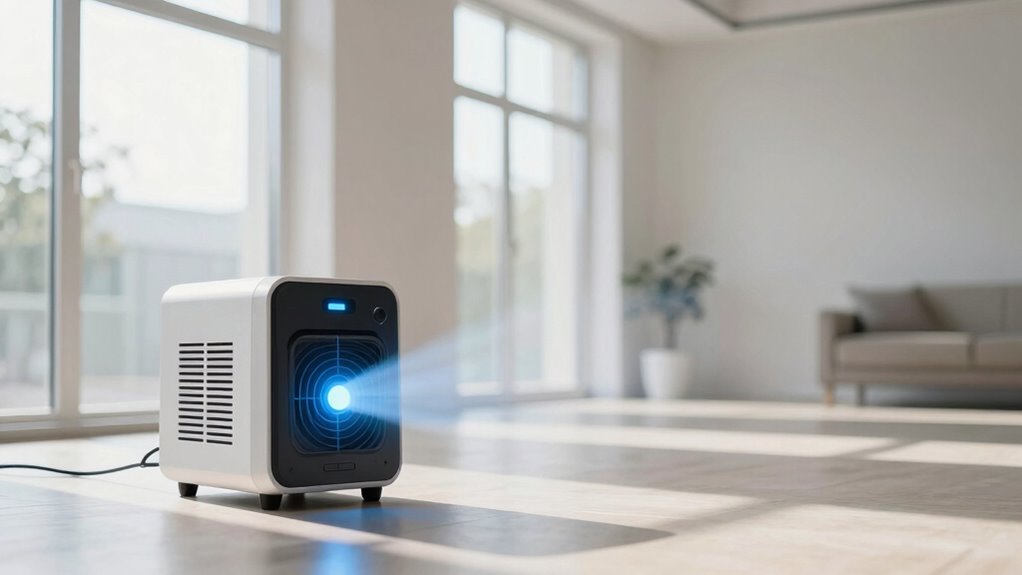
Have you ever wondered what ozone really is and why some people use it indoors? Ozone chemistry involves a molecule made of three oxygen atoms, which makes ozone a powerful oxidizer. This property allows it to neutralize odors and kill bacteria effectively. Many turn to ozone generators because they believe it improves indoor air quality by removing pollutants, smoke, and mold spores. Ozone’s reactivity also means it can break down volatile organic compounds and other airborne contaminants, making it a popular choice for certain air purification needs. Additionally, the chemical properties of ozone influence how it interacts with various indoor pollutants, which can enhance its effectiveness when used properly. It is also crucial to consider air quality standards to prevent overexposure and potential health risks. However, it’s important to understand that while ozone can be beneficial in certain applications, it’s also a reactive gas that can irritate your lungs and mucous membranes. When used indoors, ozone’s ability to alter air quality is a double-edged sword. Proper knowledge of ozone chemistry helps you weigh its advantages against potential health risks, ensuring safer and more effective air purification. Moreover, understanding projector contrast ratio can help you select better visual devices for your home theater setup. In addition, awareness of ozone off-gassing from indoor materials can help prevent unintended health effects from indoor ozone use.
ventilation fan for ozone generators
As an affiliate, we earn on qualifying purchases.
As an affiliate, we earn on qualifying purchases.
How Does Ozone Off-Gas From Generators, and Why Is That a Concern?
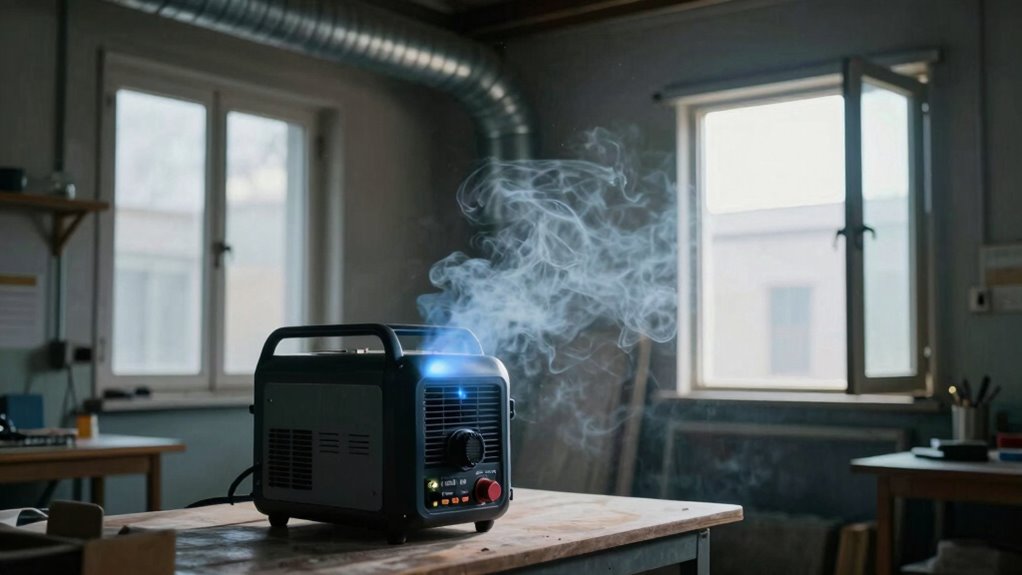
Ozone generators produce ozone molecules that don’t stay contained within the device; instead, they gradually off-gas into your indoor air. This process, known as ozone off-gassing, releases small amounts of ozone into the environment, creating generator emissions. These emissions can linger and accumulate, especially in poorly ventilated spaces, posing health risks. It’s important to understand that even if the generator is turned off, residual ozone may still off-gas. Proper ventilation practices are essential to reduce ozone buildup and protect indoor air quality. Additionally, unanticipated photochemical reactions can occur when ozone interacts with other indoor pollutants, potentially creating harmful byproducts. Recognizing the emission duration of ozone from generators can help in planning effective ventilation strategies. Being aware of the Indoor Air Quality impact emphasizes the importance of monitoring and controlling ozone levels in your home environment. Implementing air quality monitoring devices can provide real-time data to better manage indoor ozone levels and ensure a safer indoor environment.
As an affiliate, we earn on qualifying purchases.
Why Is Proper Ventilation Essential When Using Ozone Devices?

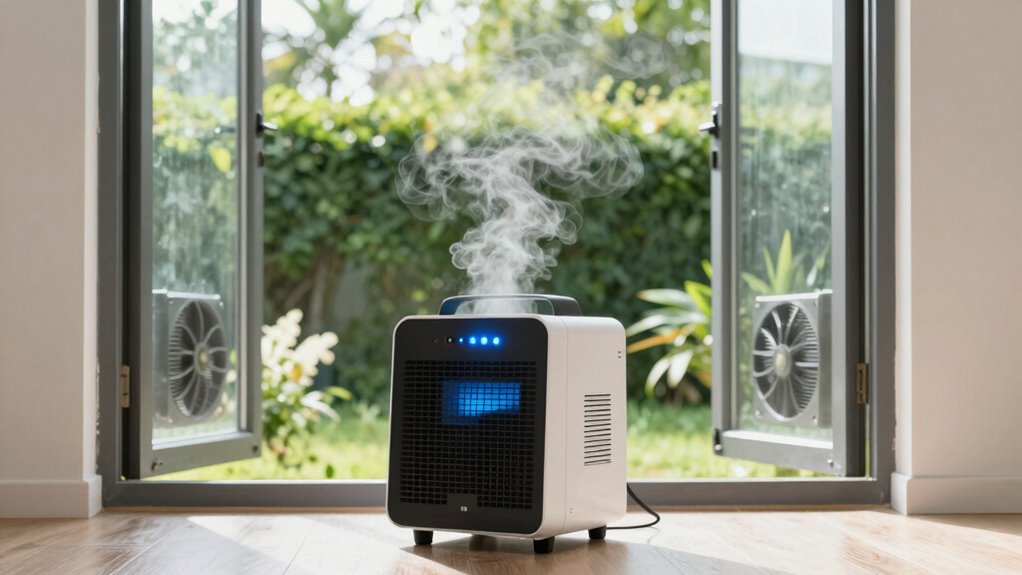
Proper ventilation is essential when using ozone devices because it helps prevent the buildup of harmful ozone levels indoors. Without adequate air exchange, ozone can accumulate to unsafe concentrations, risking health issues. To guarantee safe use, you should focus on improving air filtration and circulation. Additionally, understanding the importance of maximizing your truck bed’s potential can help create a safer environment by ensuring proper airflow and space management during ozone treatments. Ensuring proper filtration and airflow can significantly reduce residual ozone and improve overall safety during and after use. Proper air exchange with fans or open windows is critical for dispersing ozone effectively and preventing dangerous buildup. Creating an effective ventilation system is essential for maintaining safe indoor air quality during ozone use, especially in enclosed spaces. Adequate ventilation not only disperses ozone but also helps in reducing health risks associated with prolonged exposure. Consider these key points: – Increase air exchange with fans or open windows to disperse ozone. – Use air filtration systems to remove residual ozone after treatment. – Avoid confined spaces; ensure continuous airflow during and after ozone use.
As an affiliate, we earn on qualifying purchases.
How Can You Safely Use Ozone Generators?
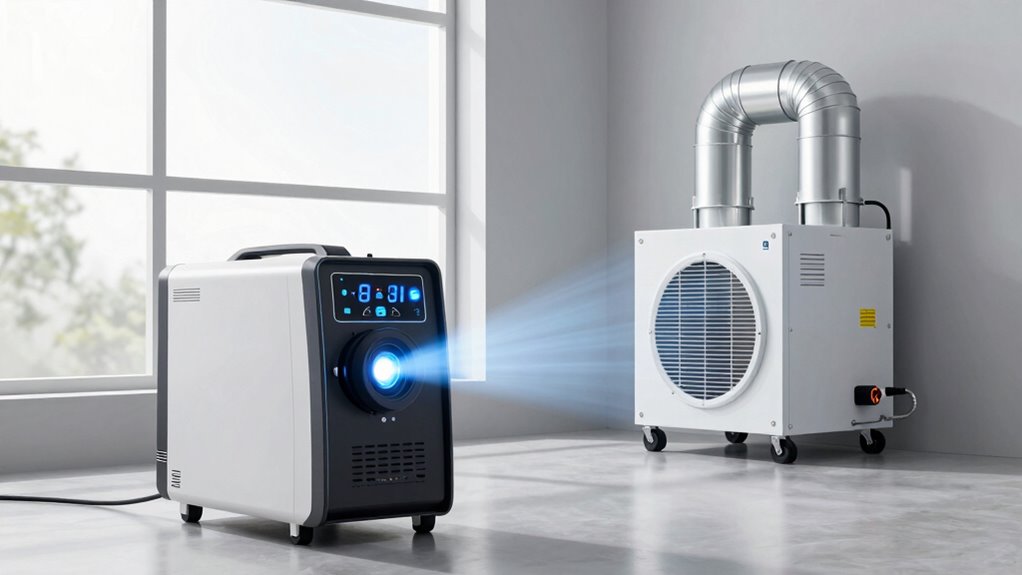
To use ozone generators safely, always operate them in well-ventilated areas and follow manufacturer instructions carefully. Many ozone myths suggest it’s a quick fix for odors, but safety tips emphasize caution due to potential health risks. Never run an ozone generator in occupied spaces or when people or pets are present. Use it only in unoccupied rooms, and ensure thorough ventilation afterward. Keep windows and doors open to disperse ozone and off-gassing residues. Always read the product labels, set timers, and avoid exceeding recommended ozone levels. Remember, safety tips aren’t just guidelines—they’re essential to prevent respiratory irritation or other health issues. Proper use minimizes risks associated with ozone off-gassing and ensures you benefit from its cleaning power without jeopardizing your safety. Understanding air quality and how ozone interacts with indoor environments is also crucial for safe and effective use.
What Signs Indicate Off-Gassing Is Affecting Your Indoor Air Quality?
If you notice persistent, unusual odors in your home, it could be a sign that off-gassing is affecting your indoor air quality. You might also experience respiratory discomfort or irritation that isn’t linked to other causes. Paying attention to these signs can help you identify when indoor air may be compromised. Recognizing vintage materials that emit odors can be especially important in older homes or during renovations.
Unusual Odors Persistently Linger
Unusual odors that persist in your indoor space can be a clear sign that off-gassing is affecting your air quality. If you notice a lingering chemical smell despite ventilation, it may be due to ongoing off-gassing from furniture, paints, or other materials releasing airborne particles. These odors don’t go away easily and can make your environment uncomfortable. To tackle this, focus on effective odor elimination by increasing ventilation and using air purifiers. Be vigilant for signs like:
- Persistent chemical smells despite cleaning
- Unexplained musty or chemical odors
- Odors that worsen when new items are introduced
If these odors linger, it’s time to address the source and improve airflow to reduce airborne particles, ensuring a healthier indoor environment.
Respiratory Discomfort Occurs
Lingering odors from off-gassing can sometimes cause more than just discomfort—they may lead to noticeable respiratory issues. If you start experiencing symptoms like coughing, throat irritation, or shortness of breath, your indoor air quality could be compromised by off-gassing. These signs indicate that airborne chemicals are irritating your respiratory system and pose health risks over time. You might also notice increased asthma symptoms or wheezing, especially in poorly ventilated spaces. Recognizing these signs early helps you address the source of the problem and improve ventilation. Poor air quality resulting from off-gassing isn’t just unpleasant; it can have serious health consequences if left unchecked. Monitoring your environment and taking action ensures your indoor air remains safe and breathable. Proper ventilation plays a crucial role in reducing off-gassing effects and maintaining healthy indoor air quality.
How Can You Keep Your Indoor Environment Healthy and Ozone-Free?
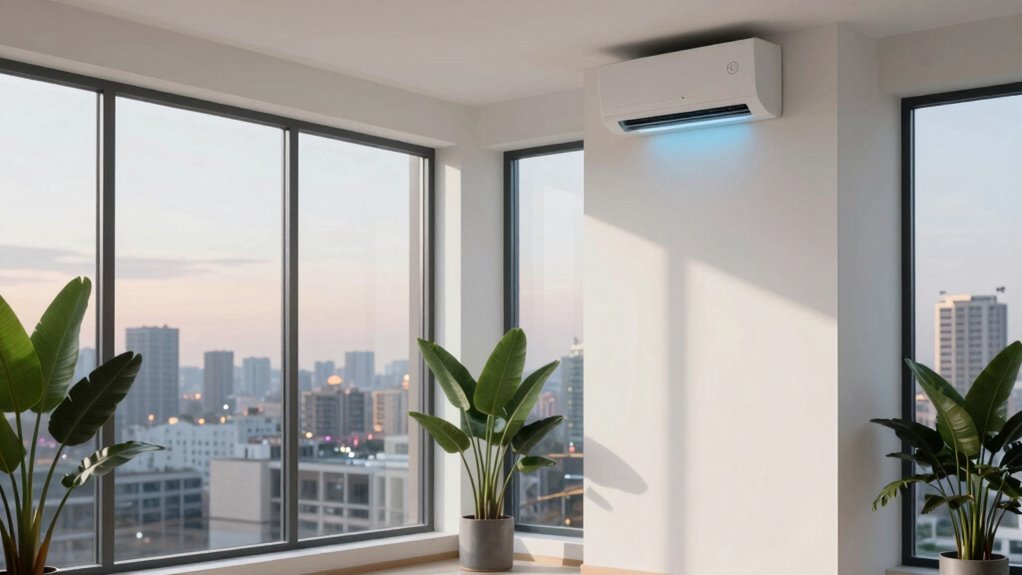
To keep your indoor environment healthy and ozone-free, it’s important to monitor and reduce sources of ozone pollution inside your home. You can do this by improving air purification methods and adding natural air filters. Consider using air purifiers with HEPA filters to remove ozone particles effectively. Indoor plants also help by absorbing pollutants and increasing humidity. Additionally, be mindful of products that emit ozone, like certain cleaning supplies or air fresheners. Using evidence-based guidance can help you make well-informed decisions about maintaining a healthy indoor air quality. For example, selecting air filtration systems that are specifically designed to reduce ozone levels can be especially effective. Here are some simple steps to help:
Maintain a healthy home by reducing indoor ozone with air purifiers, plants, and safe products.
- Use air purification systems designed to reduce ozone levels
- Incorporate indoor plants such as snake plants or pothos
- Avoid using ozone-generating appliances or sprays
- Understanding air quality measurement tools can help you better assess your home’s ozone levels and take appropriate action
When Should You Call a Professional About Ozone Safety?
Knowing when to call a professional about ozone safety is essential for protecting your health and home. If you notice persistent ozone odors, unusual symptoms like coughing or headaches, or if off-gassing continues despite ventilation efforts, it’s time for a professional consultation. Don’t attempt to handle high ozone levels yourself, especially if you suspect significant off-gassing or contamination. In cases of accidental overexposure or symptoms worsening, an emergency response may be necessary. Professionals have the expertise and equipment to assess ozone levels safely, identify sources, and recommend effective remediation. Acting promptly ensures your environment remains safe and reduces health risks. Additionally, proper ventilation techniques can also help locate hidden sources of ozone off-gassing in your home. Trust trained experts to evaluate your situation and guide you through proper safety measures.
Frequently Asked Questions
Can Ozone Exposure Cause Long-Term Health Effects?
Yes, ozone exposure can cause long-term health effects. If you’re regularly exposed to high levels of ozone, you might develop chronic respiratory issues, such as asthma or lung damage, over time. It’s important to minimize your exposure by ensuring proper ventilation and avoiding prolonged contact with ozone-generating sources. Protecting yourself now helps prevent potential long-term health problems associated with ongoing ozone exposure.
Are There Specific Indoor Materials That React Poorly With Ozone?
Some indoor materials, especially certain ozone-sensitive furnishings, can react poorly with ozone, leading to potential off-gassing or damage. Items like rubber, certain plastics, and delicate artwork may be more vulnerable to ozone’s subtle effects. To keep your space safe and preserve your belongings, it’s wise to identify these materials and minimize ozone exposure around them. Proper ventilation and choosing ozone-resistant furnishings can help protect your indoor environment from unseen impacts.
How Long Should Ventilation Be Maintained After Ozone Use?
You should maintain ventilation for at least 30 to 60 minutes after ozone use to guarantee proper ozone clearance. This duration allows the ozone to dissipate safely, reducing the risk of inhalation exposure. Keep windows and doors open, and use fans to speed up the process. Never re-enter the space until you’re confident that ozone levels are below safety thresholds, ensuring a safe environment for everyone.
What Are Safe Ozone Concentration Levels for Indoor Air?
Think of indoor air as a delicate dance floor—you want ozone levels to stay within safe limits to avoid stepping on toes. The EPA recommends indoor ozone limits stay below 0.05 parts per million (ppm), aligning with safe exposure thresholds. Keeping ozone concentrations within these limits guarantees you breathe easy and avoid health risks, maintaining a harmonious environment where everyone can enjoy clean, safe air.
Can Ozone Generators Be Used in Occupied Spaces Safely?
You shouldn’t use ozone generators in occupied spaces for air purification or any ozone applications. Ozone can irritate your lungs and worsen respiratory issues if inhaled at high levels. Always guarantee proper ventilation and follow safety guidelines when using ozone devices. For occupied environments, opt for air purification methods that don’t produce harmful ozone, such as HEPA filters, to keep the air safe and healthy for everyone.
Conclusion
By understanding ozone’s risks and practicing proper ventilation, you can keep your indoor air safe. Always monitor for off-gassing and don’t hesitate to seek professional help if needed. After all, isn’t your health worth the extra caution? Staying informed and vigilant guarantees you enjoy the benefits of ozone without compromising your indoor environment. Protect yourself and your loved ones by making safety a top priority every time you use ozone devices.
NFL season / tailgating Picks
team gear
As an affiliate, we earn on qualifying purchases.