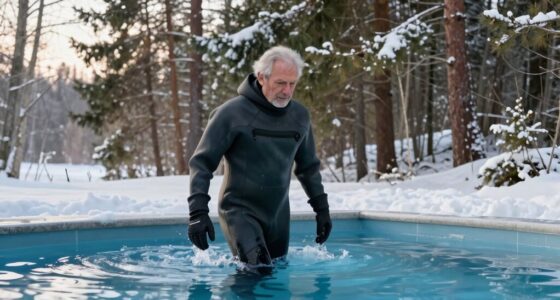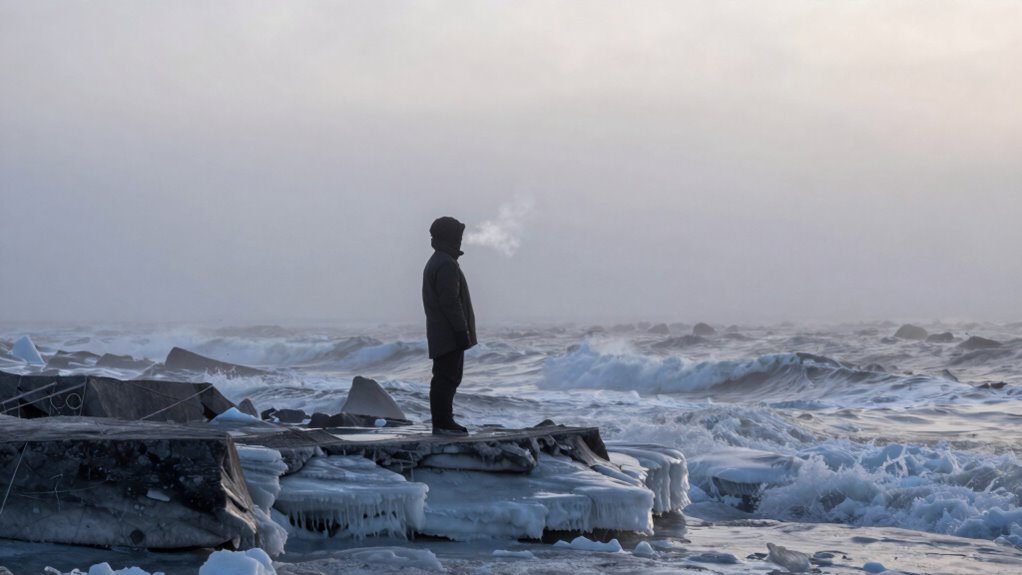

Exposing yourself to cold environments alone can hide serious dangers that threaten both your safety and mental health. Without support, you risk slipping, falling, or developing hypothermia unnoticed. Mental health can worsen if you feel isolated or overwhelmed, leading to heightened anxiety or panic. Unpredictable hazards like icy terrain or sudden weather changes increase your chances of injury. Staying alone amplifies these risks, but there’s more you should know to stay safe in these conditions.

Get home appliances delivered free with Prime
- Fast, free delivery on millions of items
- Prime Video, Amazon Music and more included
- Member-only deals all year
Key Takeaways
- Solo cold exposure can increase mental health risks, such as feelings of isolation and heightened anxiety without support.
- Lack of assistance during emergencies raises the risk of severe injuries or hypothermia.
- Unnoticed signs of fatigue or hypothermia can lead to dangerous health complications.
- Unpredictable environmental hazards become more hazardous without someone to help or alert others.
- Proper precautions and having a support system are essential to mitigate hidden physical and mental dangers.
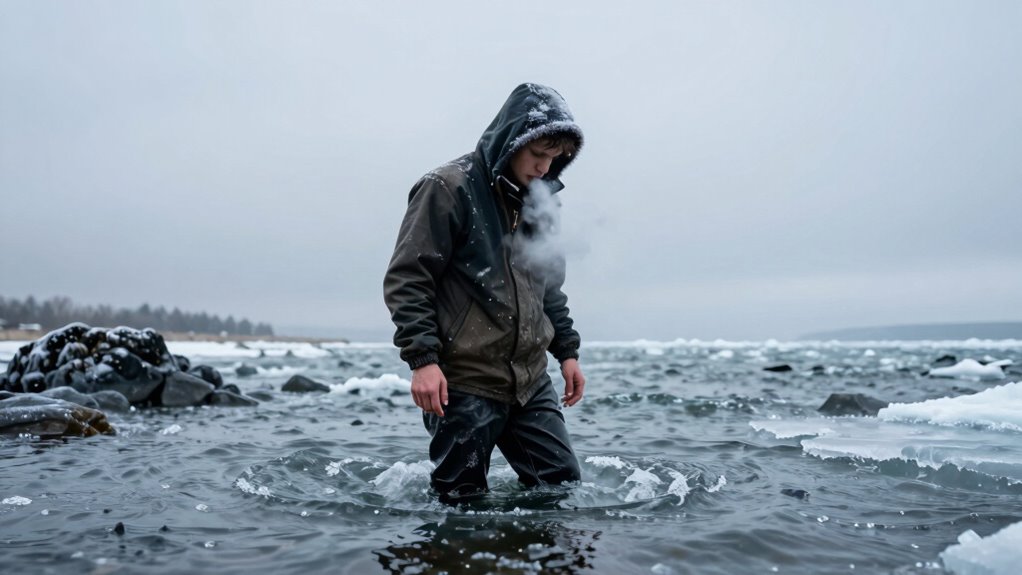
Cold exposure might seem harmless or even invigorating, but beneath its chilly surface lie hidden risks that can catch you off guard. When you venture into cold environments alone, you may underestimate how quickly things can escalate. It’s easy to get caught up in the thrill or the supposed health benefits, but without proper precautions, you risk more than just discomfort. One of the less obvious dangers is its impact on your mental health. While cold exposure can sometimes boost mood temporarily, doing it alone increases the chances of feeling isolated or overwhelmed if something goes wrong. You might experience panic or anxiety if you suddenly find yourself unable to warm up or if your body reacts unexpectedly. Without someone nearby to reassure or assist, these mental health effects can intensify, leading to stress or even panic attacks in extreme situations.
Moreover, cold exposure affects your immune response, and doing it alone can complicate this process. Cold environments can temporarily suppress your immune system, making you more vulnerable to infections if you’re not careful. When you’re alone, you might push yourself beyond safe limits, thinking you’re fine when in reality, your body is struggling to maintain its defenses. This can lead to a higher risk of illness once you finish your cold exposure session. Without a buddy to monitor your condition, you might not notice signs of excessive fatigue, shivering, or numbness that indicate your body is under stress. These symptoms are vital signals that you need to stop and warm up, but if you’re alone, you might ignore or overlook them until it’s too late. Recognizing early warning signs and understanding body response is crucial for safe cold exposure. Additionally, understanding the importance of proper preparation can significantly reduce these risks and enhance safety. Being aware of environmental hazards like ice or slippery surfaces is also essential to prevent accidents during your solo sessions.
Furthermore, the unpredictable nature of cold environments can introduce unexpected dangers that are difficult to anticipate without someone familiar with the terrain. Additionally, doing cold exposure solo increases the likelihood of accidents. Slipping, falling, or losing balance in icy or wet conditions can happen quickly, and without someone to help, the consequences could be severe. You might also underestimate how long you should stay in the cold. Overexposure can lead to hypothermia, and without someone to recognize the signs or call for help, your situation could deteriorate rapidly. The combination of mental strain and physical risk underscores the importance of having a companion when engaging in cold exposure. Not only can they help you stay safe, but they can also provide the emotional support needed to navigate the experience calmly. Overall, while cold exposure can offer benefits, doing it alone amplifies risks that might otherwise be manageable with proper precautions and support.
As an affiliate, we earn on qualifying purchases.
Frequently Asked Questions
Can Cold Exposure Cause Long-Term Health Issues?
Cold exposure can cause long-term health issues if you don’t approach it carefully. It may affect your cold adaptation process and immune response, especially if done excessively or improperly. Overdoing it can lead to hypothermia or weakened immunity, increasing vulnerability to illnesses. To avoid these risks, gradually build your tolerance, pay attention to your body’s signals, and consider doing cold exposure with guidance or supervision.
What Are the Signs of Hypothermia During Cold Exposure?
Imagine a frozen lake silently waiting—your body starts shivering, skin turns pale, and you feel an intense cold shock, signaling hypothermia. You might notice frostbite symptoms like numbness or tingling, especially on extremities. If your lips turn blue, confusion sets in, and your coordination falters, these are critical signs. Recognizing these early warning signs helps prevent severe hypothermia, so stay alert and act fast if you notice them.
How Quickly Should I Warm up After Cold Exposure?
After cold immersion, you should start warming up as soon as possible to prevent hypothermia. Ideally, begin your warm-up within a few minutes of exiting the cold. The warm-up timing is essential—use warm blankets, clothing, or a heater to gradually raise your core temperature. Avoid rapid heating methods, and listen to your body’s signals to guarantee safe recovery. Prompt warming helps restore circulation and minimizes risks.
Is Cold Exposure Safe for People With Heart Conditions?
Cold exposure can be risky for people with heart conditions because it can cause your heart rate and blood pressure to spike unexpectedly. If you have a heart condition, you should talk to your doctor before trying cold exposure. It’s essential to monitor how your body reacts, avoid sudden shocks, and never do it alone. Always prioritize safety and listen to your body’s signals during cold exposure.
Can Cold Exposure Impact Mental Health or Mood?
Cold exposure can boost your mental health by enhancing mental clarity and emotional resilience. When you expose yourself to cold, your body releases endorphins, which lift your mood and reduce stress. Regular cold exposure might help you manage anxiety and improve overall emotional balance. However, it is crucial to do it safely and gradually, especially if you have underlying health issues. Proper practice can make cold exposure a beneficial tool for mental well-being.
personal safety alarm for outdoor activities
As an affiliate, we earn on qualifying purchases.
As an affiliate, we earn on qualifying purchases.
Conclusion
While cold exposure can boost your resilience and health, going solo can be a dangerous gamble—like playing with fire in a snowstorm. Without proper precautions or supervision, you risk hypothermia, frostbite, or worse. Don’t let the thrill blind you to the lurking dangers. Always prioritize safety, go with a buddy, and listen to your body. Remember, even the bravest adventurers know when to call it quits—because sometimes, the cold is more ruthless than you think.
thermal insulated gloves for cold exposure
As an affiliate, we earn on qualifying purchases.
As an affiliate, we earn on qualifying purchases.
emergency first aid kit for outdoor
As an affiliate, we earn on qualifying purchases.
As an affiliate, we earn on qualifying purchases.
Fall Picks
fall essentials
As an affiliate, we earn on qualifying purchases.