If you have circulatory problems like deep vein thrombosis or heart or kidney issues, compression gear might do more harm than good. People with skin sensitivities, allergies, or reduced sensation from conditions like diabetic neuropathy should be cautious, as tightness can cause irritation or skin damage. Improper fit or unsuitable materials can worsen symptoms or cause discomfort. To stay safe, it’s essential to understand when compression gear might be risky—more details will help you make informed choices.

Get home appliances delivered free — and shop member deals
- Fast, free delivery on millions of items
- Access to Prime Big Deal Days deals on October 6–7
- Prime Video, Amazon Music and more included
Key Takeaways
- People with circulatory or heart conditions should avoid compression gear without medical approval.
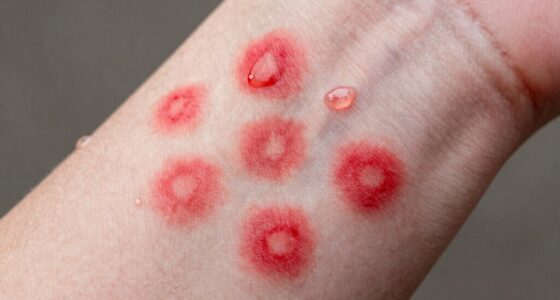
- Individuals with skin allergies or sensitivities risk irritation or rashes from compression materials.
- Those with diabetic neuropathy may not notice improper fit, leading to skin damage or ulcers.
- Improperly fitted compression can worsen symptoms or cause discomfort for vascular health issues.
- Without professional guidance, compression gear may interfere with fluid balance and cardiovascular function.
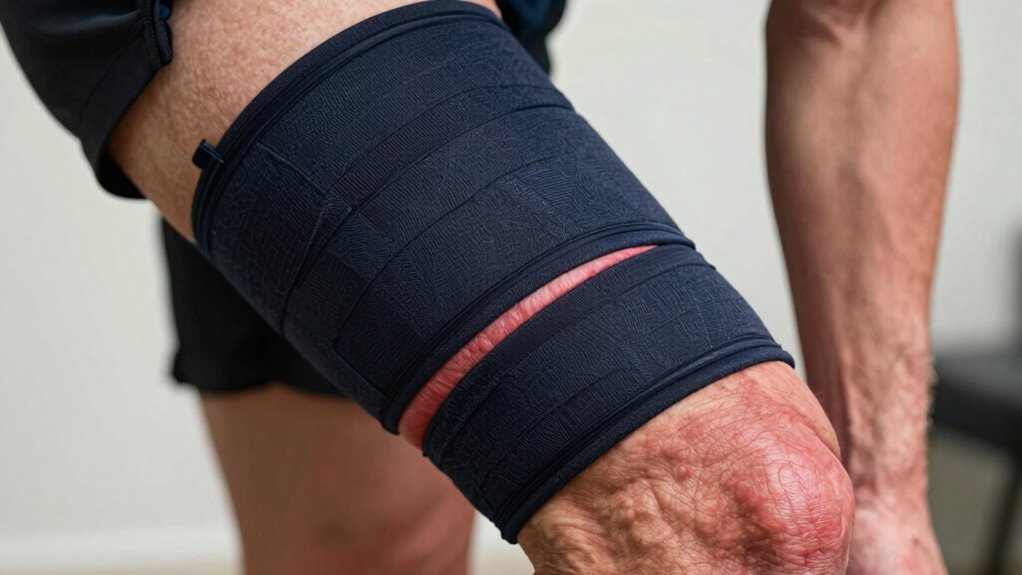
While compression gear can offer benefits like improved circulation and muscle support, it’s not suitable for everyone. If you’re considering wearing compression clothing to boost your sports performance or aid recovery, it’s important to understand who might need to avoid it. For most athletes, compression gear can help reduce muscle soreness and enhance blood flow, leading to better endurance and quicker recovery. However, if you have certain health issues or chronic conditions, wearing compression garments might do more harm than good.
People with circulatory problems, such as peripheral arterial disease or deep vein thrombosis, should be cautious. Compression gear applies pressure to your limbs, which can restrict blood flow further or cause discomfort in those with compromised circulation. If you have vascular issues, wearing tight clothing might worsen symptoms or lead to complications. Similarly, individuals with heart or kidney conditions should consult their healthcare provider before using compression gear. The added pressure might interfere with your body’s fluid balance or cardiovascular function.
People with circulatory, heart, or kidney issues should consult a healthcare provider before using compression gear.
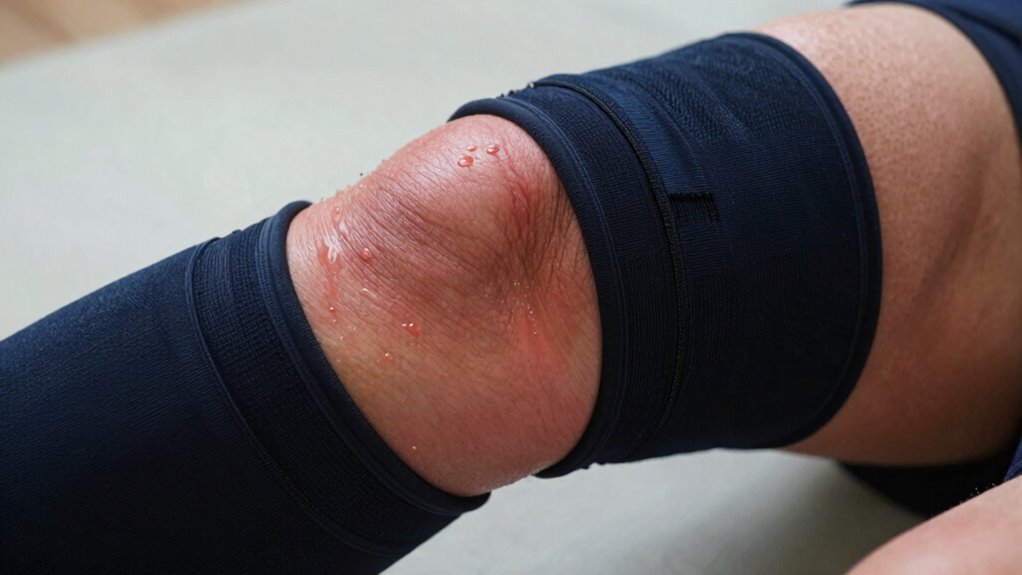
Chronic conditions like diabetes also warrant caution. If you have diabetic neuropathy or poor sensation in your limbs, you might not notice if the compression is too tight or causes irritation. This could increase your risk of skin breakdown or ulcers. People with skin conditions or allergies should also be wary, as compression garments can sometimes cause irritation, itching, or rashes, especially if they’re made from synthetic fabrics that don’t breathe well. Additionally, proper fitting is crucial to prevent discomfort and ensure the gear provides the intended benefits. Ensuring appropriate compression levels can make a significant difference in both comfort and effectiveness.
In some cases, the material composition of compression gear may also impact its suitability, especially for those with sensitive skin or allergies. When it comes to sports performance, compression gear can be beneficial, but it’s not a magic solution for everyone. If you’re recovering from an injury or have a chronic condition, you should speak with a healthcare professional before relying on compression garments. For example, if you have varicose veins or other vascular issues, compression might help, but only if prescribed and fitted properly. Using the wrong size or type can lead to discomfort, numbness, or even worsening symptoms. It’s also important to recognize that individual health status plays a significant role in whether compression gear will be effective or harmful.
In essence, while many healthy individuals find compression gear useful for enhancing their athletic performance or speeding up recovery, it’s not a one-size-fits-all tool. If you have any health concerns, especially chronic conditions affecting your circulatory or nervous system, it’s best to seek advice from a medical professional. Wearing compression gear without proper guidance could interfere with your health or exacerbate existing issues, making it a bad idea for certain users. Additionally, understanding the importance of proper fitting can prevent potential complications and maximize the benefits of compression gear.
medical-grade compression stockings for circulatory issues
As an affiliate, we earn on qualifying purchases.
As an affiliate, we earn on qualifying purchases.
Frequently Asked Questions
Can Compression Gear Cause Blood Clots in Some Users?
Yes, compression gear can increase blood clot risks for some users, especially if worn too tightly or for extended periods. Improper use can impair blood flow and potentially lead to clot formation. To guarantee compression safety, always choose the right size and consult a healthcare professional if you have underlying health conditions like varicose veins or clotting disorders. Monitoring how your body responds helps prevent complications.
Is Compression Gear Safe for People With Skin Allergies?
If you have skin allergies, compression gear might cause skin irritation or allergic reactions. The tight fit can trap sweat and bacteria, worsening irritation, especially if you’re sensitive to certain materials. Before wearing compression gear, check the fabric for hypoallergenic options or try a patch test on a small skin area. If irritation occurs, discontinue use and consult a dermatologist to find suitable alternatives that won’t trigger allergic reactions.
How Does Compression Gear Affect Circulation in Medical Conditions?
Think of compression gear as a gentle traffic cop, directing blood flow smoothly. It can enhance circulation and aid pressure regulation, especially for medical conditions like venous insufficiency or lymphedema. However, if you have circulation issues or compromised blood vessels, it might do more harm than good by restricting blood flow. Always consult your healthcare provider before using compression gear to make sure it benefits your specific condition.
Are There Age Restrictions for Using Compression Apparel?
Yes, there are age restrictions for using compression apparel, primarily to guarantee user safety. Young children and older adults should consult a healthcare professional before wearing compression gear, as improper use can cause discomfort or circulation issues. For minors, especially, professional guidance is essential. Always prioritize safety by following age recommendations and seeking medical advice if you’re unsure, to prevent potential adverse effects on circulation and overall health.
Can Compression Gear Interfere With Medical Devices Like Pacemakers?
You should be cautious, as compression gear might influence some medical devices like pacemakers. While it’s a helpful tool for sports performance and athletic recovery, tight clothing can potentially interfere with device function. Always consult your healthcare provider before wearing compression apparel if you have a medical device. Prioritizing your health guarantees your athletic pursuits support your well-being, rather than compromise it.
hypoallergenic compression sleeves for sensitive skin
As an affiliate, we earn on qualifying purchases.
As an affiliate, we earn on qualifying purchases.
Conclusion
In the end, recognizing your unique needs guarantees you make the best choices for your body. Sometimes, what’s designed to support can inadvertently restrict, making it wise to listen to your comfort and avoid forcing solutions that don’t suit you. Embracing this awareness allows you to find alternatives that truly enhance your wellbeing. After all, a tailored approach often leads to the most graceful and effective path to your goals.
compression gear for diabetic neuropathy
As an affiliate, we earn on qualifying purchases.
As an affiliate, we earn on qualifying purchases.
proper fitting compression clothing for vascular health
As an affiliate, we earn on qualifying purchases.
As an affiliate, we earn on qualifying purchases.
Fall yard work Picks
leaf blowers
As an affiliate, we earn on qualifying purchases.