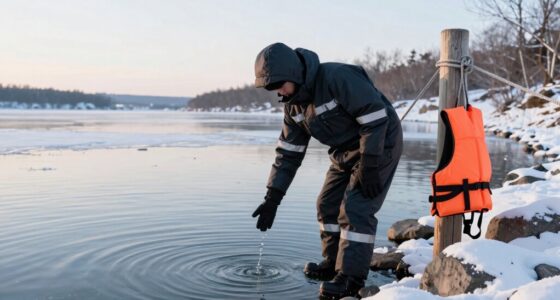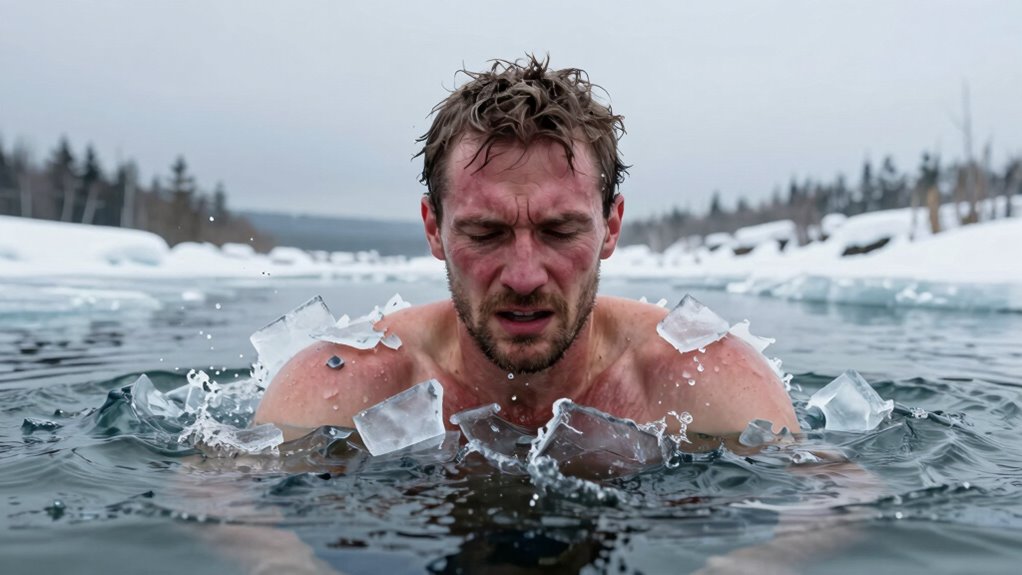

Pushing through cold plunges ignores your body’s signals, which can be dangerous. When you ignore discomfort, you risk hypothermia, injury, or panic, especially since cold water causes blood vessel constriction and muscle tightening. Gradual exposure and listening to your body help you build resilience safely. Rushing undermines progress and may create negative experiences. To develop lasting benefits, it’s better to respect your limits. Keep going, and you’ll discover how smarter approaches protect you while strengthening your endurance.

Get home appliances delivered free — and shop member deals
- Fast, free delivery on millions of items
- Access to Prime Big Deal Days deals on October 6–7
- Prime Video, Amazon Music and more included
Key Takeaways
- Ignoring body signals can lead to hypothermia or injury, making pushing through dangerous.
- Rapid exposure without gradual adaptation increases physical and mental stress.
- “Just push through” disregards individual limits, risking burnout or negative associations.
- Proper cold plunge practice emphasizes patience, safety, and listening to your body’s cues.
- Sustainable resilience develops through incremental exposure, not brute force.
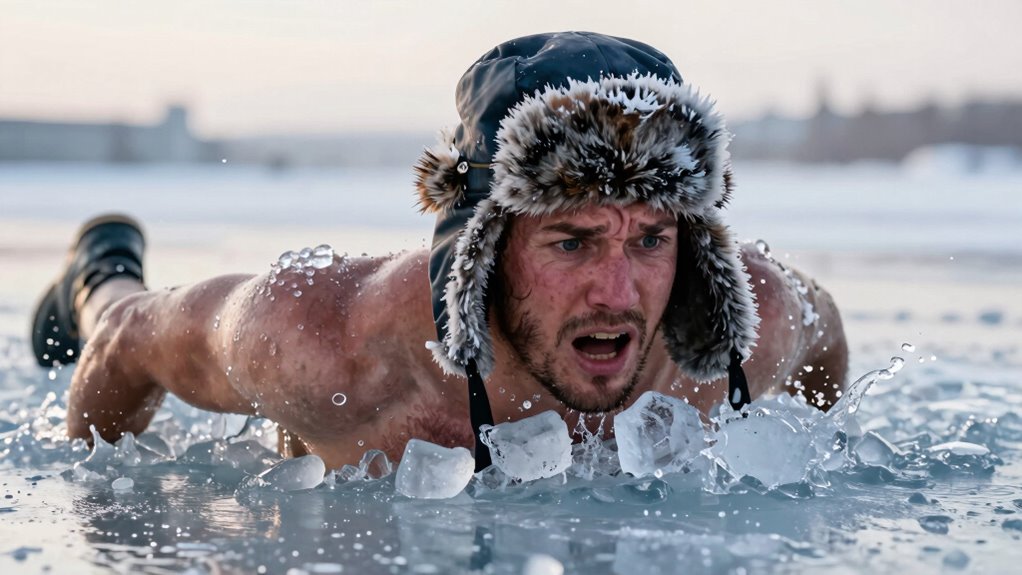
If you’ve ever hesitated before stepping into a cold plunge, you’re not alone. That initial moment of hesitation is natural, but many are told to just push through it—think of it as a test of mental resilience and physical endurance. While this advice might seem straightforward, it’s not always the best approach, especially when it comes to cold exposure. Pushing yourself too hard without understanding your limits can do more harm than good. Cold plunges can be incredibly beneficial for recovery, circulation, and mental clarity, but only if you approach them with care and awareness.
Listening to your body is key to safe, effective cold plunge practice and long-term resilience.
Telling yourself to “just push through” can lead to overlooking your body’s signals. Cold water causes your blood vessels to constrict, and your muscles to tighten, which can be stressful on your body. If you ignore discomfort and push past it, you risk hypothermia or injury. Not every cold plunge is the same—your body needs time to adapt, and rushing into a prolonged, intense exposure can undermine your progress. Instead, focus on listening to how your body responds. Building mental resilience doesn’t mean ignoring pain or distress; it means understanding your boundaries and gradually expanding them.
Physical endurance is important, but it shouldn’t come at the expense of safety. When you try to endure beyond your limits, you might experience lightheadedness, shivering, or even panic. These are signs that your body is under stress and needs a break, not more pressure to endure. Proper cold plunge practice involves gradual exposure, allowing your body to adapt over time. This way, you strengthen your resilience without risking injury. Pushing through blindly can lead to a negative association with cold exposure, making future sessions more intimidating rather than empowering.
Instead of forcing yourself to push through, adopt a mindset of patience and gradual progression. Set small goals, such as staying in the cold water for a few seconds longer each time, and pay attention to your body’s cues. Recognize that mental resilience develops through consistent, mindful exposure—not through stubborn perseverance. Respect your body’s signals and prioritize safety, so you can enjoy the benefits of cold plunges without setbacks. Remember, effective cold plunge practice is about balance—challenging yourself within your limits and allowing your resilience and endurance to grow naturally over time. Developing body awareness and respecting your limits are essential for safe and sustainable cold exposure practices.
Incorporating proper safety measures can help prevent adverse effects and ensure a positive experience as you build your tolerance gradually. Pushing through isn’t about brute force; it’s about smart, safe progress.
As an affiliate, we earn on qualifying purchases.
Frequently Asked Questions
Can Cold Plunges Improve Mental Health Long-Term?
Cold plunges can improve your long-term mental health by boosting mental resilience and enhancing emotional regulation. When you regularly expose yourself to cold water, you train your mind to handle stress better, making you more resilient. It also helps you manage emotions more effectively by fostering a sense of calm and control. Over time, these benefits contribute to improved mental well-being, making cold plunges a valuable addition to your mental health routine.
What Are the Risks of Pushing Through Cold Shock?
Pushing through cold shock can be risky, as it may trigger sudden heart rate increases, hyperventilation, or even fainting. Cold shock response varies per individual, so a risk assessment is essential before diving in blindly. Ignoring warning signs might lead to dangerous consequences like hypothermia or cardiac issues. Always listen to your body, ease into cold water gradually, and seek medical advice if you have health concerns.
How Should Beginners Gradually Adapt to Cold Plunges?
To gradually adapt to cold plunges, start with short sessions in mildly cold water, gradually increasing duration over time. Focus on breathing techniques and listen to your body to guarantee safety. Follow safety precautions like consulting a doctor beforehand, avoiding plunges if you feel unwell, and never pushing past your comfort zone too quickly. Consistent, incremental exposure helps your body adjust safely and builds resilience without risking cold shock.
Is There an Ideal Duration for Cold Immersion?
Research shows that cold shock responses peak within the first two minutes of immersion. For beginners, there’s no one-size-fits-all duration—start with 1-2 minutes and listen to your body. Extending immersion too long can increase risk, while too short offers limited benefits. Focus on gradual adaptation, and remember, a recommended immersion duration balances safety with effectiveness, usually around 3-5 minutes, depending on your comfort and experience.
How Does Individual Health Affect Cold Plunge Safety?
Your personal health considerably impacts cold plunge safety, as risk factors like cardiovascular issues or respiratory conditions can make cold exposure dangerous. If you have underlying health concerns, you should consult a healthcare professional before plunging. Ignoring these risks might lead to hypothermia or heart strain. Always consider your individual health status, listen to your body, and avoid pushing through discomfort to prevent adverse effects.
As an affiliate, we earn on qualifying purchases.
Conclusion
So, next time someone tells you to “just push through” a cold plunge, remember it’s not always the best advice. Listening to your body and respecting your limits can prevent unnecessary stress or injury. Cold exposure isn’t a one-size-fits-all solution; it’s about gradual adaptation and safety. Doesn’t your well-being deserve a smarter approach? Instead of pushing blindly, prioritize your comfort and health—after all, progress is better when it’s safe and sustainable.
As an affiliate, we earn on qualifying purchases.
As an affiliate, we earn on qualifying purchases.
NFL season / tailgating Picks
team gear
As an affiliate, we earn on qualifying purchases.