
To guarantee your backyard recovery setup succeeds, you need to tackle five key issues first. Protect your plants from wildlife like deer and raccoons with fences or repellents, and prevent soil erosion with ground cover or retaining walls. Address these problems early to save time and money, creating a strong foundation for ongoing growth. If you want to discover more tips on how to set up a resilient, thriving space, keep exploring the essential steps ahead.
Key Takeaways
- Address wildlife threats early with fences and repellents to prevent plant destruction and repeated replanting efforts.
- Implement erosion control methods like ground cover or retaining walls to maintain soil stability.
- Tackle wildlife and erosion issues promptly to save time, money, and prevent ongoing setbacks.
- Proper planning anticipates problems, facilitating effective solutions and supporting ecosystem health.
- Solving initial problems ensures a resilient, sustainable backyard that thrives long-term.
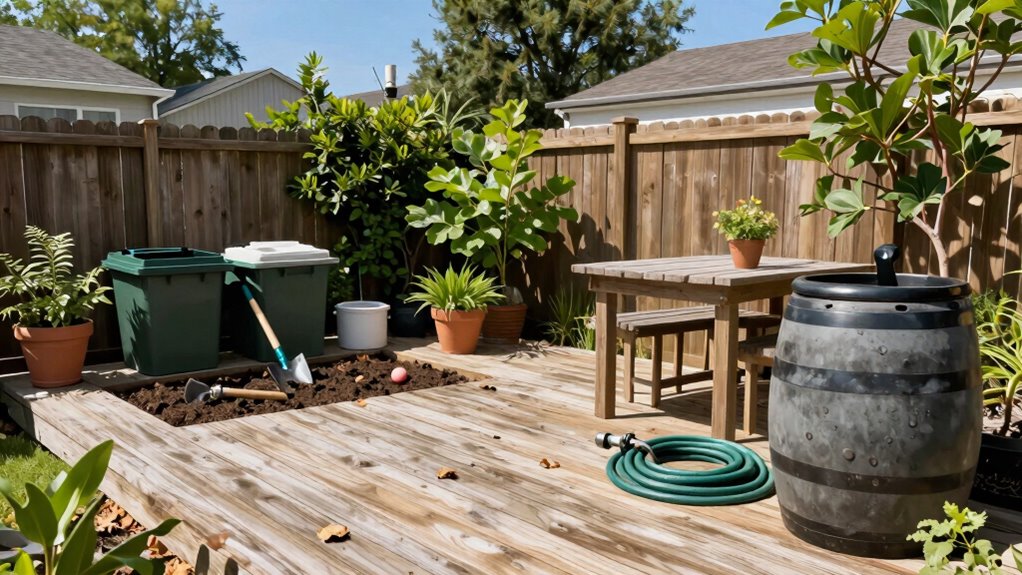
Are you ready to transform your backyard into a recovery oasis? Before diving into the fun parts like planting lush greenery or installing relaxing features, you need to address some pivotal problems that could sabotage your efforts. One of the biggest hurdles is managing wildlife deterrents. If you don’t take steps to keep animals like deer, rabbits, or raccoons out, they’ll quickly turn your carefully cultivated space into their personal buffet, undoing all your hard work. Fences, motion-activated sprinklers, or natural repellents can help keep unwanted visitors at bay. Without these measures, your efforts to restore the area could be wasted, and your plants and soil will suffer. Incorporating wildlife management strategies can help ensure your efforts are sustainable and effective.
Protect your backyard by managing wildlife with fences, repellents, and deterrents to safeguard your hard-earned progress.
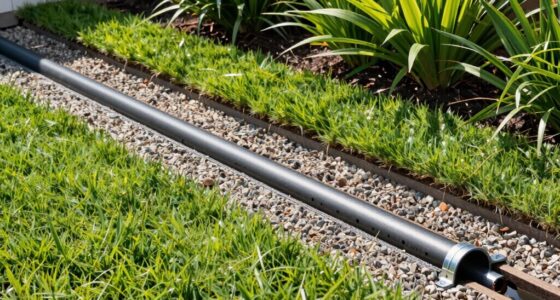
Another major concern is soil erosion, which can destabilize your entire recovery setup. When the soil starts washing away, it exposes roots, weakens plants, and creates unsightly gullies that make your backyard look neglected. To prevent this, you need to implement erosion control methods right from the start. Adding ground cover plants, installing erosion control fabric, or building retaining walls can markedly reduce runoff and soil loss. If you neglect this step, subsequent planting becomes difficult, and your entire recovery plan could be compromised. Soil erosion doesn’t just ruin aesthetics; it also reduces soil fertility and hampers plant growth, making your efforts less effective in the long run. Incorporating native plants can also help stabilize the soil and support local wildlife, creating a more resilient ecosystem. Additionally, understanding the importance of biodiversity can help you select native plants that support local ecosystems and promote resilience.
Addressing these problems upfront saves you time, money, and frustration later. You might think that wildlife deterrents are optional or that soil erosion isn’t a big deal, but overlooking these issues can lead to ongoing setbacks. For example, if animals keep digging up your freshly planted seedlings, you’ll spend more time and resources replanting and protecting your garden. Similarly, if soil erosion continues unchecked, you’ll find yourself constantly battling to stabilize the ground and restore nutrients. Tackling wildlife deterrents and soil erosion early on creates a strong foundation for everything else you want to achieve in your backyard recovery setup. Additionally, proper planning can help you anticipate potential issues and implement effective solutions before they escalate. Once these problems are under control, you can focus on creating a peaceful, thriving space. Plant native species, add pathways, or set up water features—all of which will thrive better when wildlife isn’t causing destruction and soil remains stable. In the end, solving these initial issues makes your entire recovery project more efficient, sustainable, and enjoyable. So, don’t skip these essential steps. Address wildlife deterrents and soil erosion now, and your backyard will truly become the restorative oasis you envision.
As an affiliate, we earn on qualifying purchases.
Frequently Asked Questions
How Do I Choose the Right Location for My Backyard Recovery Setup?
Choose a location with good drainage to prevent water buildup, which can harm plants and attract pests. Make sure the spot gets ample sunlight for healthy landscaping design. Keep it away from dense shrubbery or standing water to minimize pest control issues. Also, pick an area that’s easily accessible for maintenance, but discreet enough to keep your recovery setup private. Balancing these factors helps your backyard recovery thrive effectively.
What Safety Measures Are Essential for a Backyard Recovery Area?
You need to implement hazard prevention by removing sharp objects and securing tools. Establish clear safety protocols, such as wearing protective gear and having a fire extinguisher nearby. Make certain the area is well-lit and accessible, reducing trip hazards. Regularly inspect for potential dangers and educate everyone involved about safety rules. These measures guarantee a safe environment, minimizing risks and keeping everyone protected during recovery activities.
How Can I Maintain Privacy During Recovery Sessions Outdoors?
You can maintain privacy during outdoor recovery sessions by installing privacy barriers like fencing, tall plants, or outdoor curtains to block visibility. Incorporate soundproofing or noise control measures, such as using soft landscaping, outdoor rugs, or white noise machines, to minimize noise disturbances. These strategies help create a secure, quiet environment, allowing you to focus on recovery without concerns about prying eyes or disruptive sounds.
What Equipment Is Necessary for Effective Backyard Recovery?
You need essential equipment like secure storage for your recovery tools to keep everything organized and hidden. Lighting solutions are vital for visibility during evening sessions, so consider battery-powered or solar-powered lights that provide adequate illumination without attracting attention. Additionally, a comfortable outdoor chair, a small table, and perhaps some privacy screens can enhance your setup, ensuring you maintain focus and privacy throughout your recovery process.
How Do Weather Conditions Affect Outdoor Recovery Setups?
Weather conditions greatly impact your outdoor recovery setup. Wind protection is essential to keep equipment stable and prevent debris from interfering with recovery efforts. Rain prevention is equally important to avoid water damage and ensure safety. You should secure a sheltered area or use tarps to shield your equipment from rain and wind. By addressing these weather factors, you guarantee a more effective, safe, and reliable recovery process outdoors.
ground cover plants for erosion control
As an affiliate, we earn on qualifying purchases.
As an affiliate, we earn on qualifying purchases.
Conclusion
To guarantee your backyard recovery setup succeeds, tackle these five problems first. When you do, you’ll create a safe, efficient space that promotes healing and peace. Did you know that studies show outdoor environments can reduce stress by up to 60%? By addressing these key issues, you’re not just setting up a recovery area—you’re boosting your well-being. Take action now, and watch your backyard transform into a truly restorative sanctuary.
retaining wall kits for backyard
As an affiliate, we earn on qualifying purchases.
As an affiliate, we earn on qualifying purchases.
motion-activated sprinkler deterrent
As an affiliate, we earn on qualifying purchases.
As an affiliate, we earn on qualifying purchases.