Proper flooring and drainage might seem unimportant, but they’re key to saving you from costly issues later. You need to plan for good slope, secure drainage points, and suitable materials based on your climate. Installing systems before laying the floor guarantees water flows away correctly and prevents damage. Avoid common mistakes like poor slope grading or sealing errors. To keep everything in top shape, regular maintenance is essential—continue below to learn how these details protect your space long-term.
Key Takeaways
- Proper slope grading ensures effective water runoff, preventing pooling and structural damage over time.
- Installing drainage systems before flooring maintains foundation stability and reduces future water intrusion issues.
- Sealing seams and edges early prevents leaks and costly repairs caused by water seepage.
- Choosing appropriate materials based on climate enhances drainage efficiency and flooring longevity.
- Regular maintenance of drainage components preserves system functionality and extends the lifespan of your flooring.
Why Proper Flooring and Drainage Are Critical for Longevity
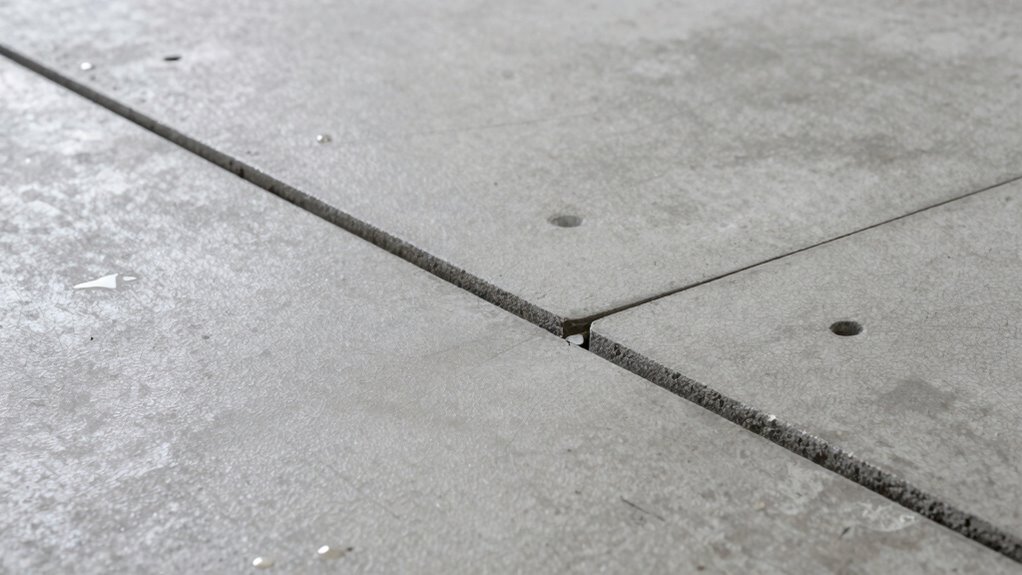
Proper flooring and drainage are essential because they directly impact the durability and lifespan of your space. When you prioritize foundation stability, you prevent shifting or settling that can cause cracks and structural damage. Good drainage ensures moisture control, which is crucial to avoid water buildup that weakens your foundation over time. Without proper drainage, excess water can seep into the ground, leading to erosion and instability beneath your flooring. This not only shortens the lifespan of your flooring but also increases repair costs. Proper foundation stability and effective moisture management are key to creating a stable environment that resists damage caused by water and settling. Additionally, understanding moisture control methods can help you choose appropriate drainage solutions. For example, implementing proper grading directs water away from your foundation, further enhancing long-term stability. Incorporating drainage system maintenance into your upkeep routines can prevent blockages and ensure consistent water flow. Being proactive about water management techniques can significantly extend the life of your flooring and prevent costly repairs later on. Ultimately, investing in proper flooring and drainage safeguards your space’s long-term integrity and value.
What Factors Should You Consider When Planning Your Flooring and Drainage System?
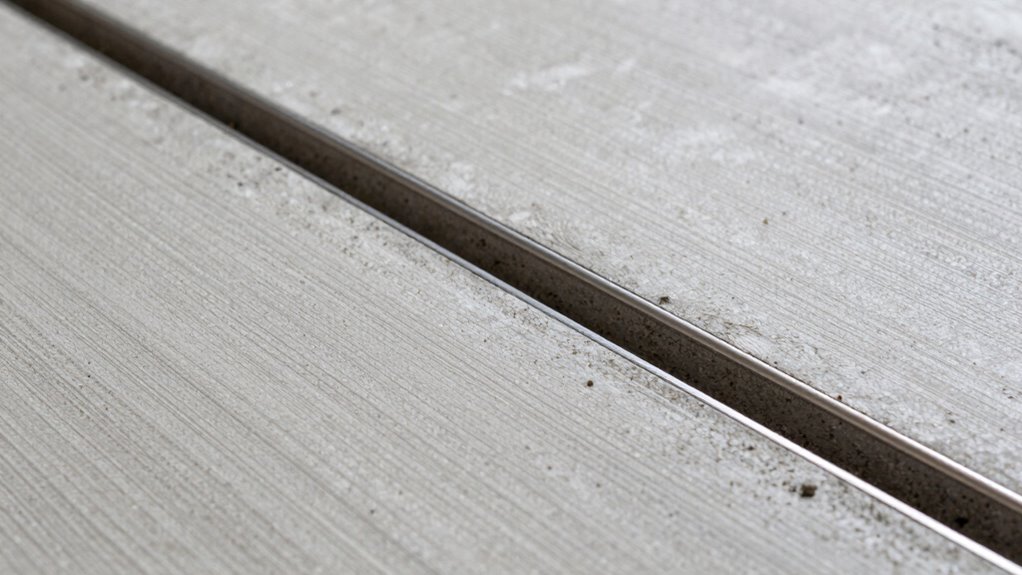
Planning your flooring and drainage system requires careful consideration of several key factors. First, think about the type of decorative finishes you want, as they influence drainage placement and slope. Aesthetically, you’ll want a design that complements your space while ensuring proper water flow. Consider the levelness of the surface to prevent pooling, and choose materials suited for wet areas if necessary. Climate and environmental conditions also matter, affecting drainage capacity and material durability. Don’t forget to account for future maintenance access and ease of cleaning. Proper planning now prevents costly repairs and makes your space safer and more functional later. Additionally, understanding the importance of proper drainage design can significantly impact the effectiveness of your system. Ensuring your drainage system is well integrated with the flooring helps maintain long-term performance and reduces potential water issues.
How to Install Drainage Systems Before Laying Your Floor
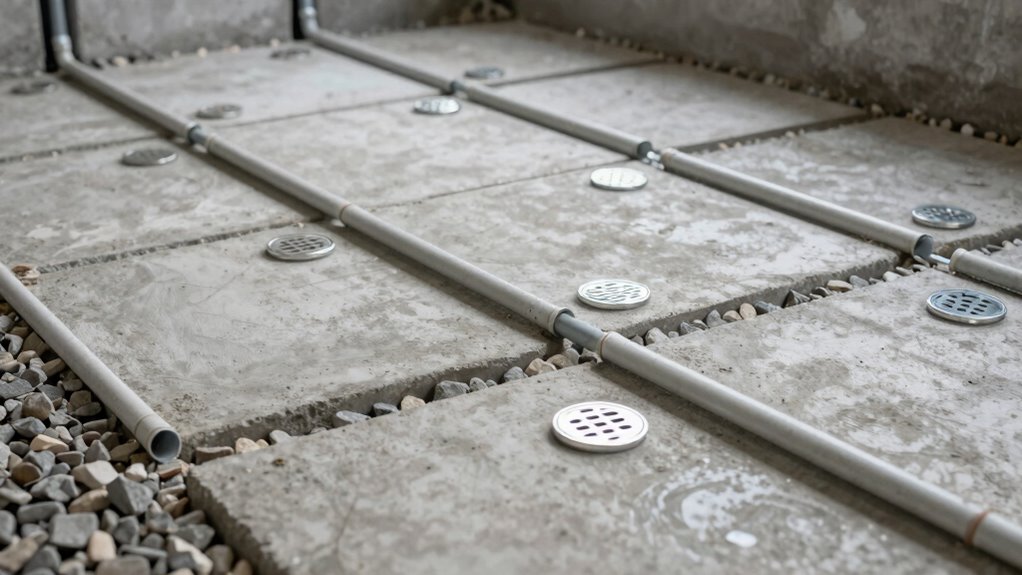
Before laying your floor, you need to install the drainage system to guarantee water flows away efficiently and prevents pooling. Proper planning makes certain water doesn’t disrupt your flooring or cause damage later. Start by marking drainage points based on your space’s layout, considering natural water flow. Use perforated pipes or channels that direct water to an external drain or sump. Keep the drainage system slightly below the planned floor level to allow for proper slope. Remember, even if you’re focused on decorative patterns or color coordination, don’t overlook the drainage setup. Effective water management is essential to protect your investment over time. Additionally, incorporating proper slope design ensures optimal water runoff and minimizes the risk of pooling. Ensuring proper installation techniques can further prevent future issues with drainage. – Ensure slopes are at least 1-2% for effective runoff – Use gravel beds for stability and filtration – Connect pipes securely to prevent leaks – Test the system with water before flooring installation
Common Mistakes During Flooring and Drainage Installation: And How to Avoid Them
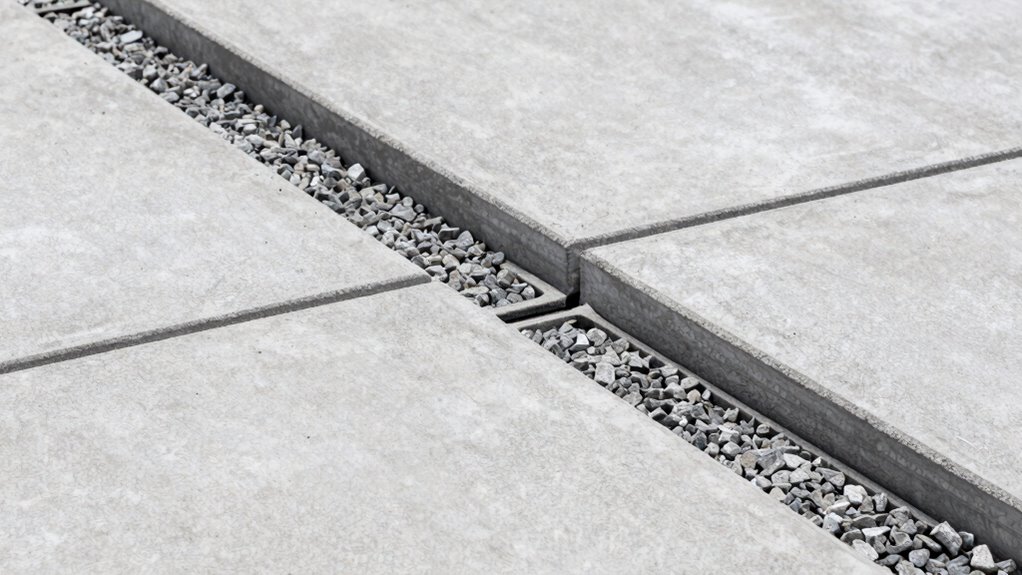
One common mistake is neglecting to guarantee that drainage slopes are accurate, which can lead to water pooling and damage over time. Proper slope grading is vital to ensure water flows away from your space efficiently. Trusted business listings can help you find professionals who specialize in proper grading techniques. Additionally, installing smart drainage solutions can provide ongoing monitoring to prevent issues before they escalate. Proper grading also involves understanding soil composition, which can affect how water drains and should be considered during installation. It’s also important to account for climatic conditions, as weather patterns can influence drainage effectiveness and longevity. Skimp on seam sealing, and you risk leaks where flooring sections meet, causing water intrusion and long-term damage. Failing to check slope grading during installation might result in uneven drainage, leading to standing water or erosion. Always verify slopes with a level or a laser before sealing seams. Properly sealing seams prevents water from seeping through gaps, protecting your flooring and underlying structure. Drainage planning is a crucial step that should not be overlooked to ensure long-term performance. Avoid rushing these steps; precision in slope grading and seam sealing is essential to prevent costly repairs later.
How to Maintain Your Flooring and Drainage to Keep Them Working Well
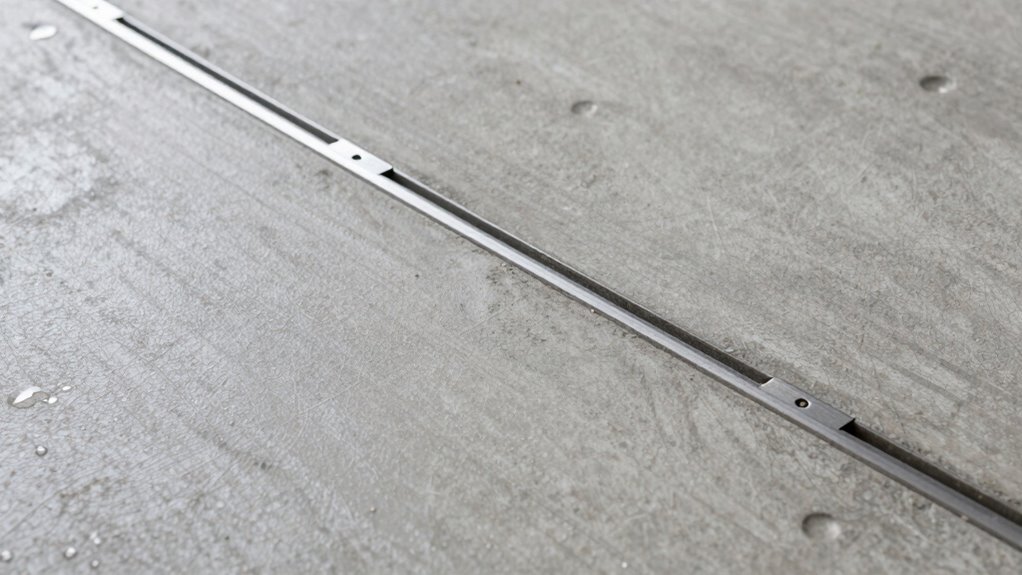
To keep your flooring and drainage systems functioning properly, regular maintenance is essential. Consistent sealing techniques help prevent water infiltration and damage, extending the lifespan of your surfaces. Establish cleaning routines that remove debris, dirt, and grime, ensuring your drainage stays unobstructed. Here are some tips to maintain your setup:
- Regularly inspect and reseal flooring edges and seams
- Clean drainage grates and pipes to prevent clogs
- Use appropriate cleaning solutions to avoid damaging sealed surfaces
- Schedule routine checks for drainage flow and seal integrity
- Incorporate preventive maintenance practices to identify potential issues early and reduce costly repairs over time. Additionally, understanding the air purifier maintenance dos and don’ts can help you optimize your home’s indoor air quality and avoid unnecessary replacements or repairs.
Frequently Asked Questions
What Are the Signs of Poor Drainage Affecting Flooring Longevity?
You’ll notice signs of poor drainage like groundwater intrusion, which causes damp spots or mold on your floors, and uneven settling, leading to cracks or buckling. If your flooring feels soft or shifts unexpectedly, it’s a sign that water isn’t draining properly. These issues often stem from inadequate drainage systems, so addressing them early can prevent costly repairs and extend the lifespan of your flooring.
Which Flooring Materials Are Best for Areas With High Moisture?
Think of your space as a fortress, protecting what matters most. For high moisture areas, you should choose moisture-resistant flooring like vinyl, ceramic tile, or concrete, which act as shields against water damage. Waterproof flooring options provide added security, ensuring your floors stay intact and look great over time. These materials resist mold, mildew, and warping, giving you peace of mind and a durable foundation that withstands even the dampest conditions.
How Often Should Drainage Systems Be Inspected and Maintained?
You should inspect your drainage system at least twice a year, ideally in spring and fall. Regular drainage maintenance is essential to prevent clogs, backups, and water damage. Stick to a consistent inspection schedule, especially after heavy storms or freezing temperatures. Look for debris, sediment buildup, or any signs of leaks. By maintaining your drainage system proactively, you’ll save money and avoid costly repairs down the line.
Can Improper Drainage Cause Structural Damage Over Time?
Improper drainage can cause serious structural damage over time—think of it as a slow, unstoppable wrecking ball. When soil stability is compromised due to poor drainage, water seeps in, weakening foundations. Without proper waterproof membranes, moisture penetrates, eroding the structure from within. You need to guarantee your drainage system is functioning correctly and soil is well-supported to prevent costly, irreversible damage down the line.
What Tools Are Essential for Proper Drainage and Flooring Installation?
To guarantee proper drainage and flooring installation, you need essential tools like a level, tamper, and shovels for grading techniques. A compactor helps create a stable base, while a moisture barrier protects against water damage. Use a trowel or roller to lay barriers smoothly, and a measuring tape ensures correct slopes. These tools help you set up effective drainage, preventing future structural issues and extending your flooring’s lifespan.
Conclusion
Sure, here’s your conclusion with a touch of irony:
So, next time you overlook those boring drainage pipes and unglamorous subfloors, remember—they’re the real heroes preventing costly disasters. It’s funny how the “unsexy” setup details silently save your wallet and peace of mind, while shiny finishes steal all the attention. Ignoring these essentials might make your space look perfect—until it doesn’t. Sometimes, the most unglamorous work really is the smartest investment.