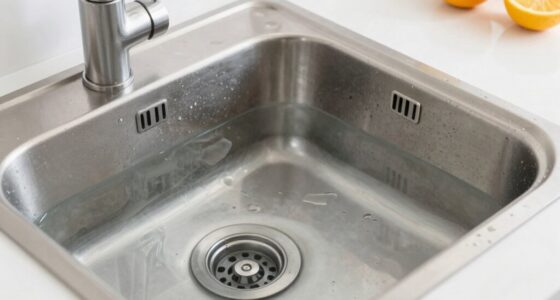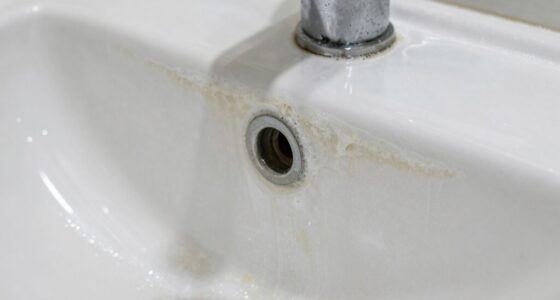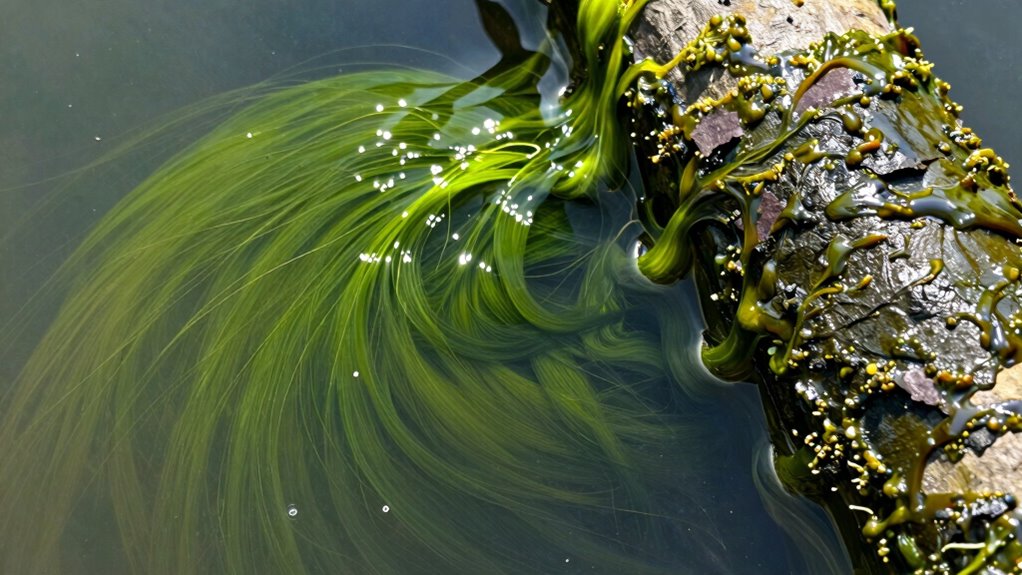

To tell if you’re dealing with algae or biofilm, look at their appearance and location. Algae typically look like slimy green, red, or brown layers with a rough or filamentous texture, mainly in light-exposed areas. Biofilm appears as a dull, sticky, and uniform film on surfaces in darker, moist spaces. Understanding these differences helps you choose the right cleaning method—continue exploring to learn effective strategies for each and prevent future buildup.
Key Takeaways
- Algae typically appear as colorful, slimy, and slightly rough layers, often green, red, or brown; biofilm looks dull, slimy, and sticky.
- Algae thrive in light-rich, nutrient-abundant environments, while biofilm develops in dark, moist, and uneven surfaces.
- Visual cues: algae are vibrant and filamentous; biofilm forms a thin, dull, uniform film with a slick feel.
- Microscopic examination shows algae cells as larger and motile; biofilm contains bacteria and organic matter.
- Use chemical tests or scrubbing to distinguish, and implement targeted cleaning to effectively remove each organism.
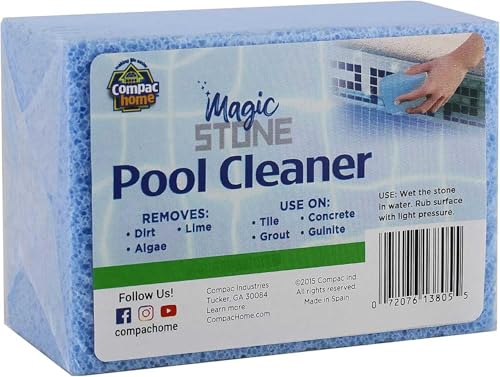
COMPAC Home Magic Stone Pool Cleaner to Easily Remove Dirt, Algae, Lime, and More – Recycled Glass Stone
Fast and easy cleaning of pools, hot tubs, and outdoor aquatic features
As an affiliate, we earn on qualifying purchases.
As an affiliate, we earn on qualifying purchases.
How to Visually Tell Algae Apart From Biofilm
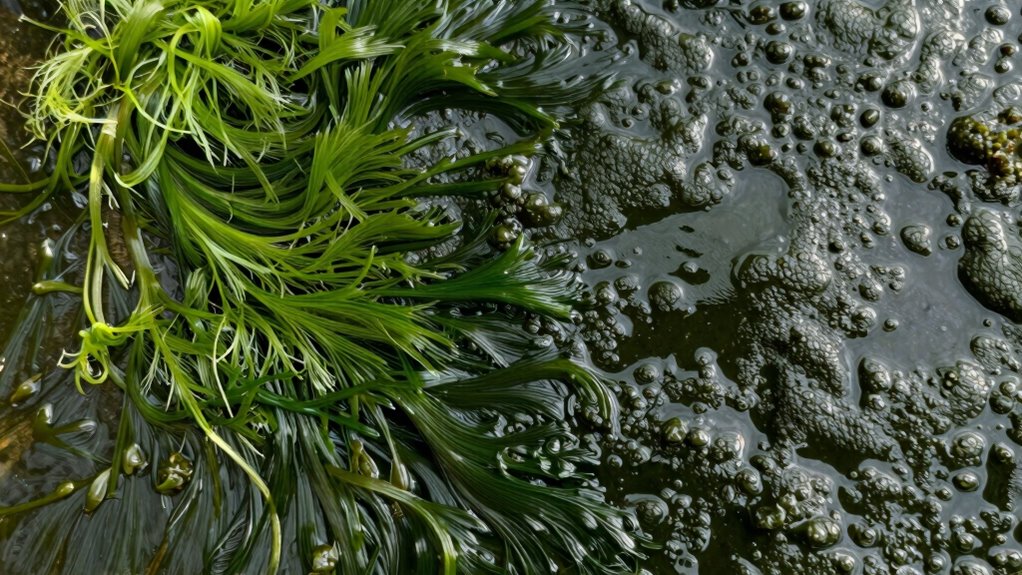
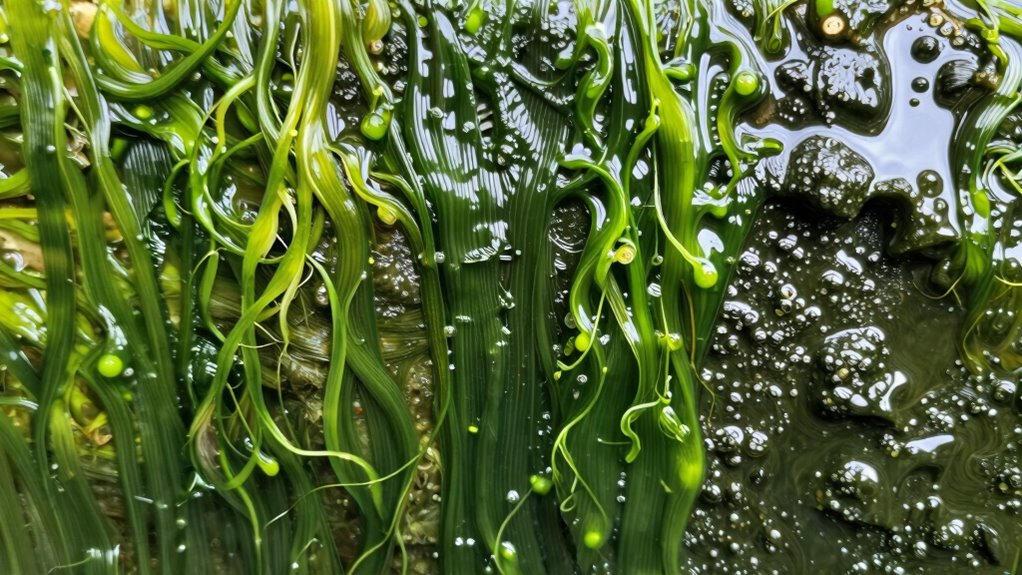
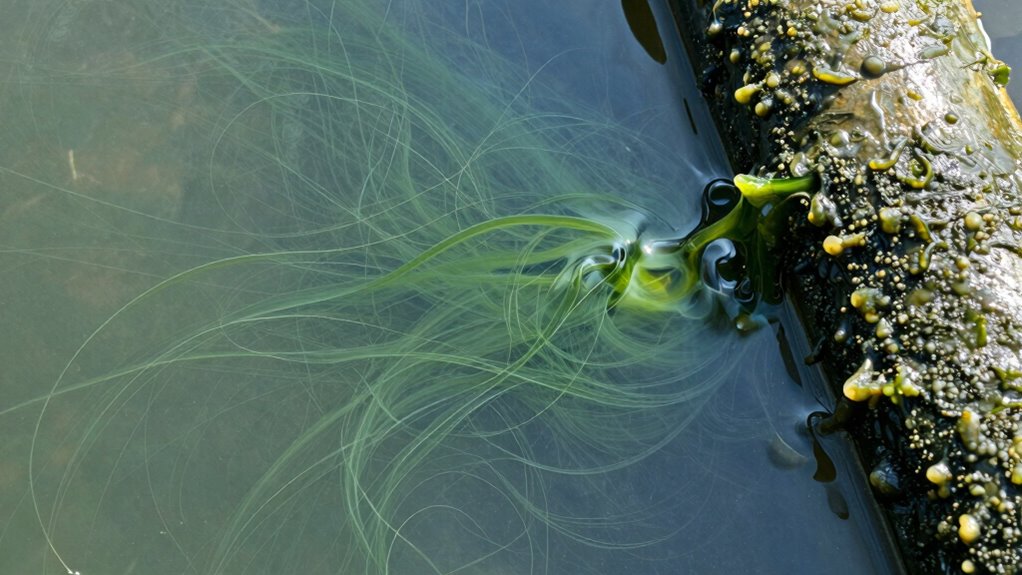
When trying to distinguish algae from biofilm visually, it’s important to observe their appearance and texture carefully. Color differences are a good starting point—algae often display vibrant green, red, or brown hues, while biofilm tends to be more subdued, usually appearing as a slimy, translucent layer. Texture distinctions also help; algae usually have a slightly rough or filamentous surface, giving them a more noticeable presence. Biofilm, on the other hand, feels slick and slimy, forming a thin, often uniform coating. Pay attention to how each feels when touched—algae may feel more granular or fibrous, whereas biofilm is typically sticky and smooth. Recognizing these visual cues makes it easier to identify whether you’re dealing with algae or biofilm, which is essential for home maintenance and safety. Additionally, understanding the conditions that promote growth can help in preventing their buildup in the future. Environmental factors such as nutrients and sunlight can further assist in identifying which organism is likely thriving. It is also helpful to note the presence of certain microorganisms that often coexist with algae or biofilm, providing additional clues for accurate identification.

Biokleen Bac-Out Pet Stain Remover – Enzymatic, Natural, Plant-Based Destroys Stains & Odors, Safe for Surfaces & Fabrics, Carpet Cleaner – Eco-Friendly, Lavender Lime Scent, 1 Gallon
PET STAIN AND ODOR REMOVER: Bac-Out Pet Stain Remover uses bio-enzymatic cleaning to safely eliminate stains and odors…
As an affiliate, we earn on qualifying purchases.
As an affiliate, we earn on qualifying purchases.
What Causes Algae Growth Versus Biofilm Formation
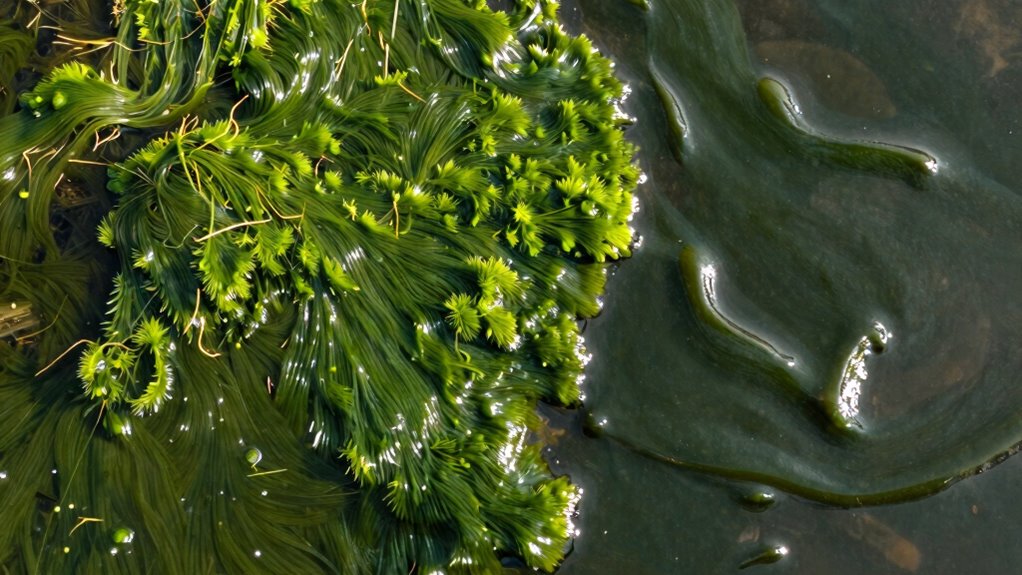
Algae growth and biofilm formation are driven by different environmental factors and biological processes. Algae thrive when nutrient sources like nitrates and phosphates are abundant, especially in sunlight, which fuels photosynthesis. They prefer open, well-lit surfaces where they can access these nutrients easily. In contrast, biofilms develop on surfaces with specific conditions that support microbial adhesion, such as rough textures or uneven surfaces. They form when bacteria and other microorganisms settle and produce extracellular polymeric substances, creating a slimy layer. While algae need light and nutrients to flourish, biofilms can develop in darker, nutrient-limited environments, provided the surface conditions favor microbial attachment. Recognizing the distinct environmental requirements of algae versus biofilm helps pinpoint what’s fueling the growth on your surfaces. Additionally, understanding environmental factors such as light exposure and nutrient availability can assist in effective management and prevention strategies. Proper assessment of these biological processes is essential for targeted cleaning and maintenance efforts. For example, monitoring environmental conditions can help identify whether algae or biofilms are more likely to develop in a given setting.

Natural Cure Labs Biofilm Complex – Premium Biofilm Formula Botanicals & Herbs | Biofilm Product for Digestion & Immune Support | Vegan, Non-GMO, Gluten Free | Biofilm Defense & Gut Health Supplement
Biofilm Complex with Premium Botanicals – Natural Cure Labs Biofilm Complex is a powerful biofilm support product, formulated…
As an affiliate, we earn on qualifying purchases.
As an affiliate, we earn on qualifying purchases.
Simple Tests to Confirm If It’s Algae or Biofilm
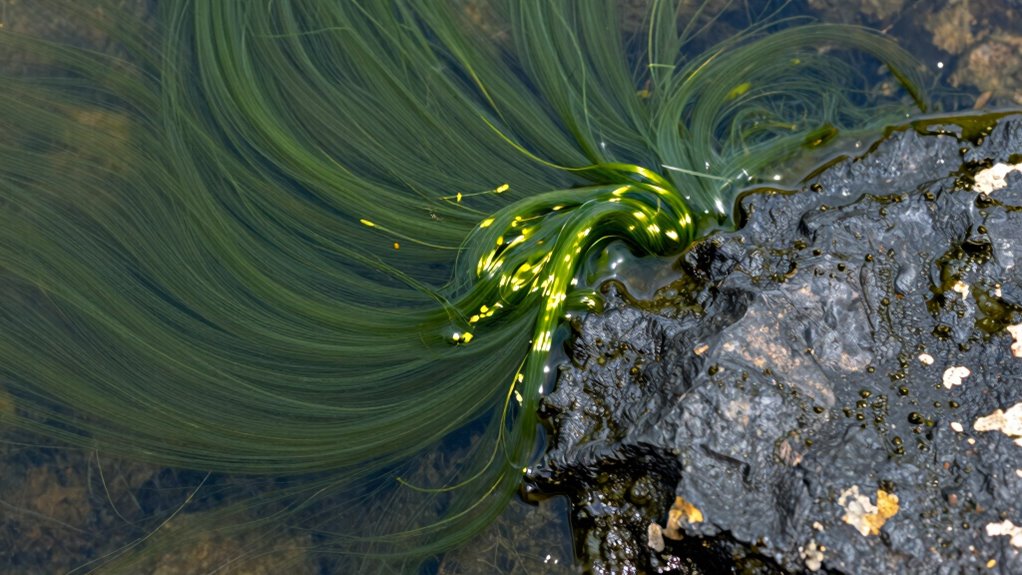
To quickly determine whether you’re dealing with algae or biofilm, simple visual and physical tests can be very effective. First, observe the texture: algae often feels slimy and may have a greenish hue, while biofilm appears as a thin, slimy coating that’s more uniform. You can perform a chemical testing analysis—adding a disinfectant might kill algae quickly but may not remove biofilm entirely. Microscopic analysis can reveal distinct features: algae cells are larger and motile, whereas biofilm consists of a complex matrix of bacteria and organic matter. To help identify your problem, consider these quick checks:
- Color consistency and hue
- Texture and sliminess
- Response to chemical disinfectants
- Microscopic appearance
- Adhesion strength and removal ease
Additionally, understanding the best safety glasses for 2024 can help you protect your eyes during testing and cleaning procedures. Proper identification is important because different removal methods are required for algae versus biofilm, especially when considering home fitness equipment that may be affected by microbial growth.

Hygea Natural Cleaning Starter Kit – 1 Gallon – Eco-Friendly Household Cleaners – Degreaser, All Purpose Cleaner, Glass Cleaner, & Tile and Grout Cleaner – Kids & Pet-Friendly (4 Pack)
1-Gallon Value Pack: Our 1-gallon kit provides an ample supply of cleaning solutions, offering exceptional value and longevity….
As an affiliate, we earn on qualifying purchases.
As an affiliate, we earn on qualifying purchases.
Best Ways to Clean Algae and Biofilm Effectively
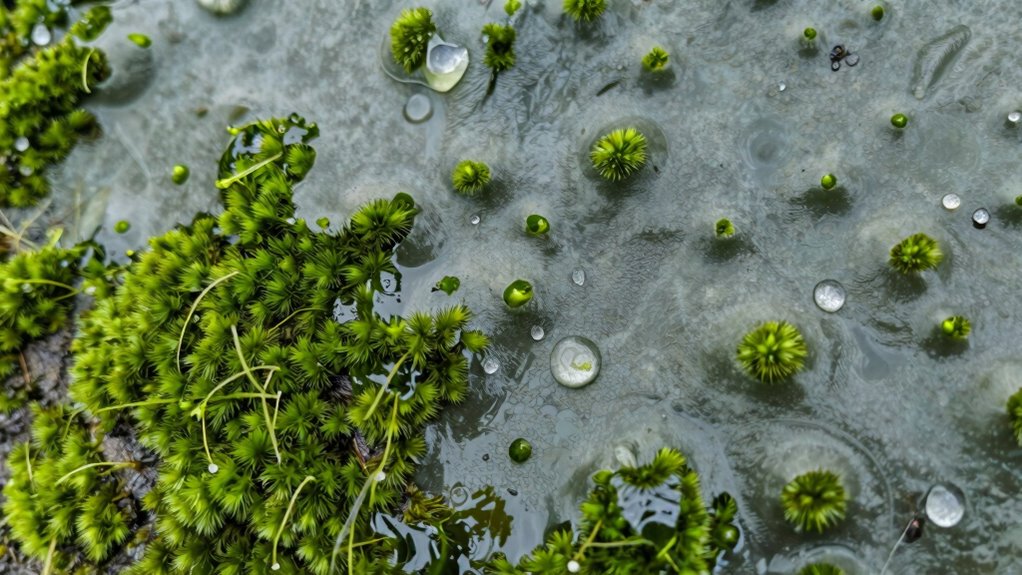
Effective cleaning of algae and biofilm requires choosing the right methods to break down their structures and remove them thoroughly. Chemical treatments, such as algae-specific cleaners or biofilm removers, can target and dissolve these buildup layers effectively. Be sure to follow the manufacturer’s instructions to avoid damage and guarantee safety. Physical removal is also essential; scrubbing surfaces with brushes or using pressure washers can dislodge and lift algae and biofilm. Combining chemical treatments with physical removal often yields the best results, ensuring that residues are fully eliminated. Regular cleaning prevents buildup from becoming stubborn, maintaining a cleaner environment. Incorporating smart shopping tips for cleaning products can help you choose the most effective and cost-efficient solutions. Additionally, understanding the Gold IRA markets can guide you in selecting reputable products and services for your cleaning needs, ensuring quality and reliability. To optimize your cleaning efforts, consider utilizing simple tools like BTU and CADR quick‑calculators to select appropriate cleaning equipment and chemicals based on your specific environment. Knowing the differences between algae and biofilm can further enhance your cleaning strategy, allowing for targeted and effective removal. Recognizing the importance of consistent feedback during cleaning routines can help track progress and adjust techniques for better results.
Tips to Prevent Algae and Biofilm From Returning
After thoroughly cleaning surfaces, taking steps to prevent algae and biofilm from coming back is essential for maintaining a pristine environment. Preventative maintenance is your best defense against recurrence. Use eco friendly solutions like vinegar or hydrogen peroxide to keep surfaces clean without harmful chemicals. Regularly inspect and scrub problem areas to catch early signs of growth. Make certain proper water circulation and avoid stagnant areas where algae and biofilm thrive. Keep lighting low or UV-treated water to limit algae growth. Implementing a consistent cleaning schedule reduces the chance of buildup. Additionally, maintaining ideal pH levels and reducing nutrient runoff can greatly hinder algae and biofilm development. Staying proactive with these tips helps you sustain a healthy, algae-free environment long-term. Ensuring proper filtration and understanding clean-home systems are also crucial for effective long-term control. Proper water flow management can prevent the stagnant conditions that promote biofilm formation and algae growth. Incorporating regular maintenance routines helps detect early signs before problems become widespread. Monitoring water quality parameters regularly also helps identify potential issues before they escalate.
What to Do After Identifying Algae or Biofilm
Once you spot algae or biofilm on your surfaces, it’s essential to act promptly to prevent further growth and damage. Begin by implementing targeted maintenance routines, such as scrubbing affected areas with a brush or scraper to remove visible buildup. Follow up with appropriate chemical treatments designed to kill algae or biofilm at the source. Use disinfectants or algaecides recommended for your specific surface type, ensuring proper application and safety precautions. Regular maintenance routines, including routine cleaning and monitoring, help keep these problems under control. Chemical treatments disrupt the growth cycle, preventing recurrence. Additionally, ensuring proper ventilation and circulation helps reduce moisture buildup that fosters algae and biofilm growth. Incorporating smart home automation can also assist in maintaining optimal humidity levels, preventing future outbreaks. Consistent action now, including preventative measures, saves you time and effort later, maintaining a clean, healthy environment and avoiding costly repairs or extensive cleanup.
Quick Guide: Algae vs. Biofilm – Key Differences Explained
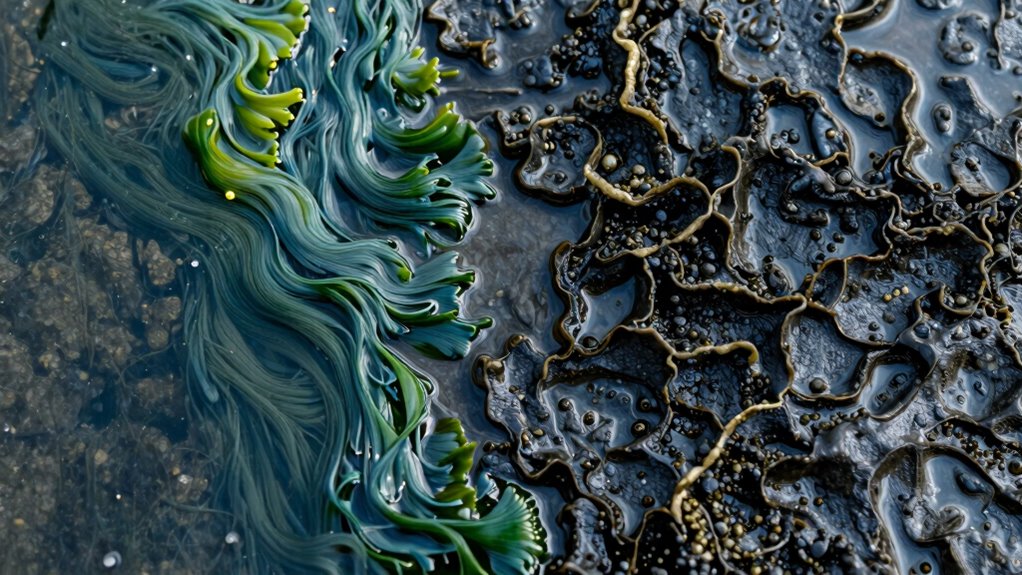
Understanding the key differences between algae and biofilm is essential for effective management. Algae are primarily photosynthetic organisms that thrive in light, forming slimy green layers. Biofilm, on the other hand, is a complex microbial community embedded in a slimy matrix, often found in dark or shaded areas. Recognizing these distinctions helps you choose the right treatment.
Understanding algae and biofilm differences ensures effective cleaning and maintenance.
- Algae perform photosynthesis, producing oxygen and creating vibrant green growth.
- Biofilm consists of diverse microbial populations, including bacteria and fungi.
- Algae growth is influenced by light and nutrients, while biofilm thrives in moist, nutrient-rich environments.
- Biofilm often appears as a slimy film with a dull or cloudy appearance.
- Proper identification guarantees targeted cleaning, preventing recurring issues.
Frequently Asked Questions
Can Algae and Biofilm Coexist in the Same Environment?
Yes, algae and biofilm can coexist in the same environment. Their coexistence depends on dynamics like nutrient availability, light, and moisture, which influence environmental interactions. Algae often thrive on surfaces within biofilms, contributing to complex community structures. You might notice both growing together, especially where conditions support their shared needs, creating a diverse ecosystem. Monitoring these interactions helps manage their growth effectively and prevents potential issues.
Are There Natural Remedies to Prevent Algae or Biofilm Growth?
Yes, there are natural remedies and preventive measures you can use to inhibit algae and biofilm growth. Regularly scrub surfaces with vinegar or baking soda, which naturally deter these organisms. Guarantee proper water circulation and reduce nutrient buildup to prevent their development. Additionally, adding beneficial microbes can outcompete algae and biofilm, keeping your environment cleaner. Consistent maintenance and natural treatments help keep algae and biofilm at bay effectively.
How Do Temperature and Sunlight Influence Algae Versus Biofilm Development?
Temperature and sunlight greatly influence algae and biofilm growth. Higher temperatures boost algae’s photosynthesis efficiency, accelerating growth, especially with abundant sunlight. Sunlight enhances nutrient absorption, fueling algae proliferation. Biofilm, however, is less dependent on sunlight and temperature, thriving in shaded, cooler areas. By monitoring these factors, you can identify whether algae or biofilm dominates, helping you choose effective removal and prevention strategies.
What Are the Health Risks Associated With Algae and Biofilm Contamination?
You face health risks like toxin exposure and respiratory issues from algae and biofilm contamination. Toxins produced by algae can cause skin irritations, gastrointestinal problems, or worse, neurological effects. Biofilms harbor bacteria that may lead to infections and respiratory problems if inhaled or ingested. To visualize, imagine a slimy, green layer on your water surfaces or pipes—these are potential sources of harmful pathogens, risking your health every time you use contaminated water.
Do Algae and Biofilm Require Different Long-Term Maintenance Strategies?
Yes, algae and biofilm need different long-term maintenance strategies. You should modify your maintenance schedules based on the specific problem, applying targeted chemical treatments for each. For algae, frequent chlorination and algaecides work well, while biofilm requires regular cleaning and biocide applications. Customizing your approach ensures effective control and prevents recurrence, saving you time and resources over the long term.
Conclusion
By understanding the subtle differences between algae and biofilm, you can spot them like signs on a quiet trail—each telltale mark guiding your next move. With a keen eye and simple tests, you’ll navigate this murky waters confidently. Think of your cleaning efforts as tending a garden, keeping it vibrant and clear. When you know what you’re dealing with, you’ll restore clarity and balance, ensuring your aquatic environment stays pristine and inviting.