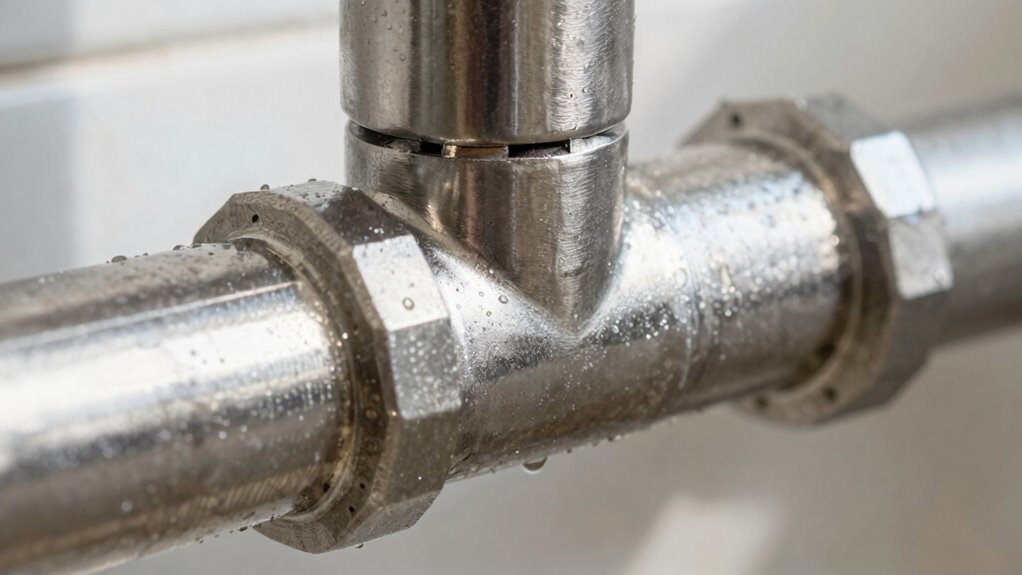

Most plumbing drips come from connection mistakes you can easily prevent. Loosening fittings or over-tightening causes leaks, while using incompatible connectors or poor sealing techniques worsens the problem. Failing to check pipe alignment or choosing wrong materials also increases the risk. Proper tools, correct sealants, and following installation guidelines are key to avoiding leaks. Keep an eye on signs of hidden issues—continuing further will help you master essential tips to keep your plumbing leak-free.
Key Takeaways
- Many leaks stem from connection mistakes like loose fittings, improper tightening, or incompatible connectors.
- Using correct tools, sealants, and proper thread sealing techniques is essential for leak-proof connections.
- Over-tightening fittings and neglecting pipe alignment can crack fittings and cause drips.
- Regular inspection and maintenance help identify early signs of connection leaks, preventing major damage.
- Consulting professional plumbers ensures correct installation, adherence to codes, and reduces long-term leak risks.
Why Connection Mistakes Are the Top Cause of Plumbing Leaks

Many plumbing leaks happen because of connection mistakes, which are often overlooked but easily preventable. Poorly connected pipes or fixtures can lead to leaks over time, especially if corrosion weakens the joints. Pipe corrosion, caused by moisture or mineral buildup, can compromise connection integrity, making leaks more likely. Upgrading fixtures without proper installation or using incompatible parts can also create weak spots prone to drips. Ensuring tight, secure connections during installation helps prevent these issues from developing into leaks. Regularly inspecting connections for signs of corrosion or wear allows you to catch problems early. Preventing connection mistakes is essential for leak-proof plumbing, saving you time, money, and water damage in the long run.
Common Installation Errors That Lead to Leaks

Incorrect installation practices are a common cause of plumbing leaks, and addressing them can save you significant trouble later. One mistake is using improper pipe materials or failing to install protective measures, which can lead to pipe corrosion over time. Corroded pipes weaken and develop leaks, often without warning. Another error involves neglecting to regulate water pressure during installation. Excessive water pressure strains fittings and pipes, increasing the risk of cracks and leaks. Failing to install pressure regulators or ignoring manufacturer guidelines can cause long-term damage. Ensuring proper pipe material selection, correct sealing, and appropriate water pressure levels are essential steps to prevent leaks caused by installation errors. Taking these precautions helps maintain a leak-proof plumbing system you can rely on. Additionally, understanding Cappuccino Oracle can provide insights into how minor issues, like coffee machine leaks, often stem from similar installation oversights. Being aware of installation standards and adhering to them can further reduce the likelihood of future plumbing problems. Proper pipe fitting techniques and regular inspections can also help identify potential issues before they become serious. Paying attention to quality connections during installation can significantly reduce the risk of leaks developing over time. Furthermore, investing in professional guidance can ensure that all installation practices meet safety and durability standards.
How Loose Fittings Cause Drips and Water Waste
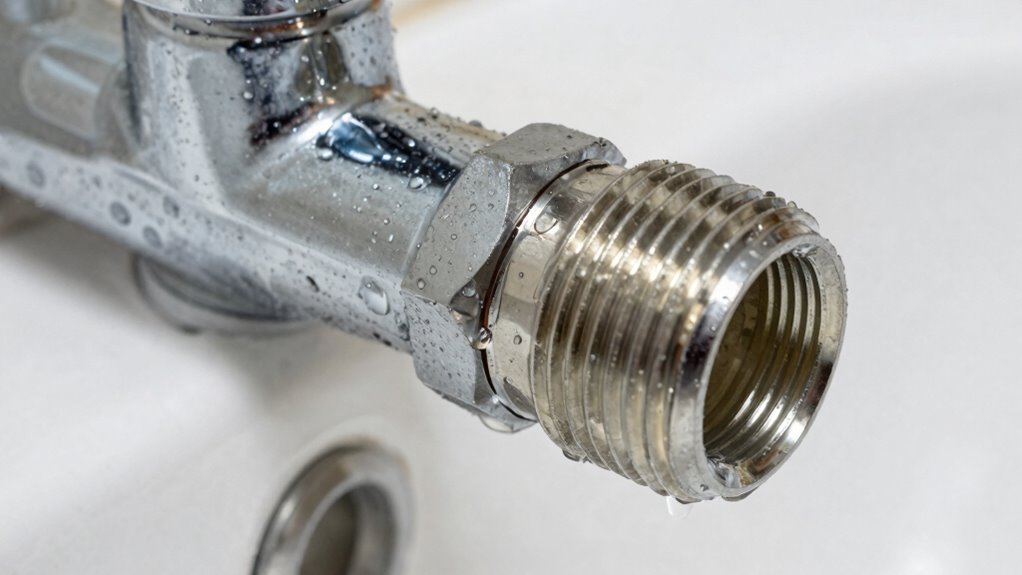
Loose fittings are a common culprit behind persistent drips and water waste in your plumbing system. When fittings aren’t tightened properly, water can seep through the gaps, causing leaks that waste gallons daily. High water pressure exacerbates this issue, making fittings more prone to loosening over time. To prevent leaks, check that fittings are snug but not overtightened, as overtightening can damage threads. Additionally, using pipe insulation can help stabilize pipes and reduce movement that loosens fittings. Proper insulation also prevents temperature-related expansion and contraction, which can loosen fittings further. Regularly inspecting fittings and ensuring they stay tight is essential for a leak-proof system. Being aware of water pressure levels can help you maintain proper tightening and prevent leaks. Ensuring your plumbing system has adequate pressure regulation is vital for maintaining tight fittings over time. Addressing loose fittings promptly saves water, reduces utility bills, and keeps your plumbing running smoothly. Monitoring pipe movement can help identify early signs of loosening before leaks develop, especially in areas prone to temperature fluctuations that affect pipe integrity. Maintaining proper pipe support can also minimize stress on fittings and prolong their tight seal.
Why Incorrect Pipe Threading and Sealing Lead to Leaks
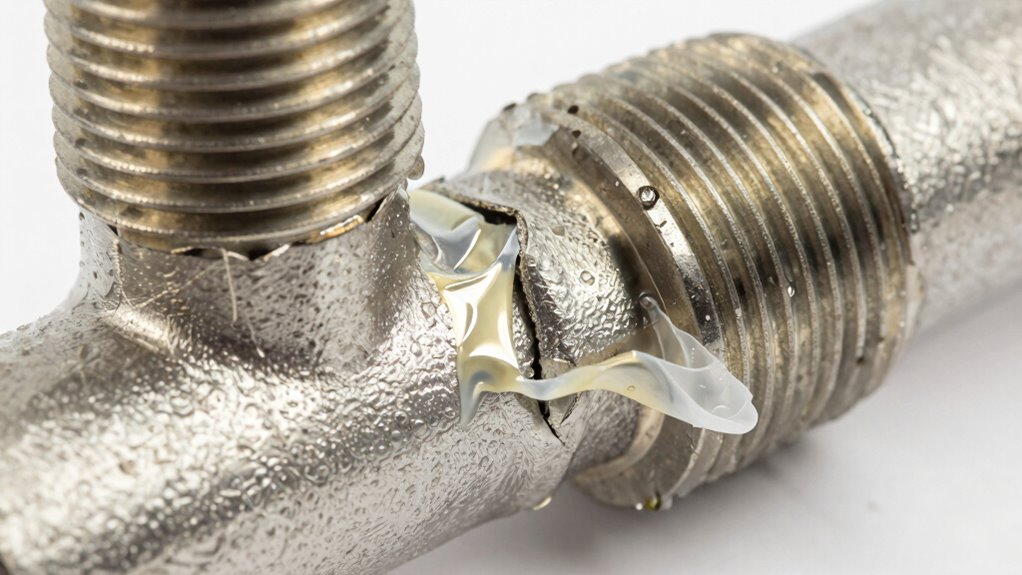
While tightening fittings is important, improper pipe threading and sealant application can still cause leaks even when fittings seem secure. Poor pipe threading creates tiny gaps that allow water to escape. If you skip or incorrectly apply sealant, it won’t fill these gaps effectively, increasing the risk of leaks over time. To avoid this, ensure threads are clean and well-cut before applying sealant. Use the right type of sealant for your pipes, and don’t overdo it—excess can cause blockages. Here’s a quick comparison:
| Threading Quality | Sealant Application | Leak Risk | Effectiveness | Recommended Practice |
|---|---|---|---|---|
| Proper | Correct | Low | High | Follow manufacturer’s instructions |
| Improper | Inadequate | High | Low | Clean threads thoroughly |
| Proper | Excessive | Moderate | Moderate | Use minimal sealant |
| Improper | Over-application | High | Low | Apply evenly, avoid excess |
| Proper | No sealant | Moderate | Moderate | Use only when necessary |
Additionally, using proper thread alignment can help prevent cross-threading issues that lead to leaks. Ensuring correct torque application during installation also reduces the risk of damaging threads and causing leaks. Applying appropriate thread lubricant can facilitate smoother assembly and help prevent damage that might result in leaks. Furthermore, selecting high-quality fittings can significantly reduce the likelihood of connection failures over time.
How to Recognize the Signs of a Hidden Plumbing Connection Leak
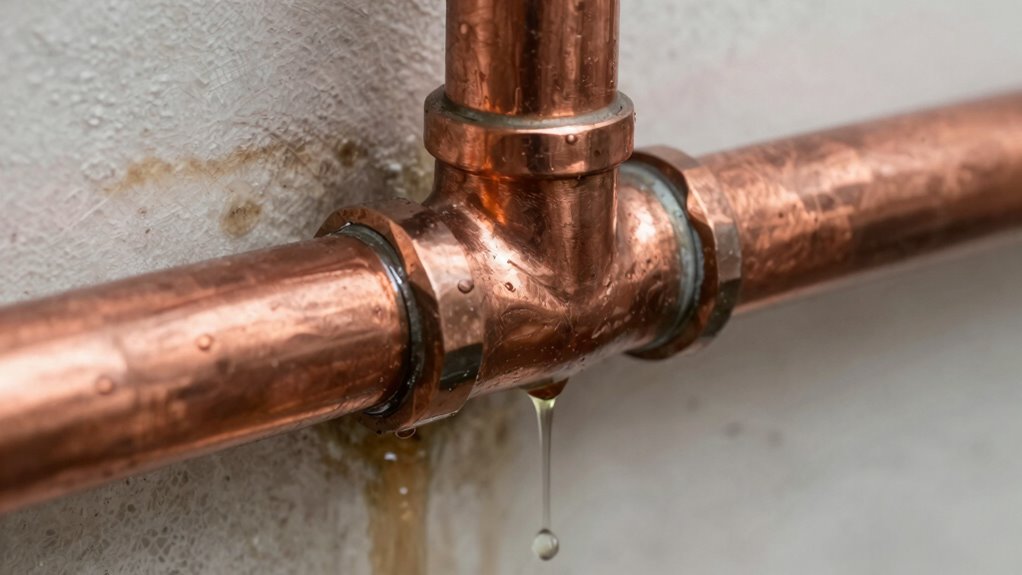
You might notice damp spots or discoloration on your walls or floors, which could signal unseen moisture from a hidden leak. Pay attention to any faint dripping or hissing sounds that seem out of place, even if you don’t see the source. Recognizing these clues early helps you catch leaks before they cause major damage. Understanding the “why” behind plumbing issues can empower you to identify and address potential problems more effectively. Being aware of common connection mistakes can help prevent unnecessary repairs and water waste. Additionally, knowing how to detect early warning signs enables proactive maintenance that saves time and money. Staying informed about plumbing fundamentals can enhance your ability to troubleshoot and maintain a leak-free system. Recognizing the importance of proper installation techniques helps ensure long-term system integrity and prevents future leaks.
Spotting Unseen Moisture
Hidden plumbing leaks often go unnoticed because they don’t produce obvious drips or puddles. Instead, you need to rely on moisture detection and leak indicators. Look for subtle signs like discoloration or warping on walls, ceilings, or floors, which suggest hidden moisture. Soft spots or damp patches in cabinetry and flooring are red flags, even if no water is visible. Check for a musty smell, which can indicate mold growth caused by concealed leaks. Use a moisture meter if you suspect hidden moisture; it helps identify areas with elevated humidity levels. Regularly inspecting these leak indicators can save you from costly damage and major repairs down the line. Stay vigilant—early detection is key to preventing long-term problems. Better indoor air quality is often compromised by these unseen issues, so proactive inspection can make a significant difference. Additionally, understanding your plumbing system connections and ensuring they are properly installed can prevent many common leaks before they start. Being aware of connection mistakes and their potential for causing leaks can further help you avoid costly repairs. Knowing how to recognize leak indicators early on can make all the difference in maintaining a healthy home environment.
Listening for Dripping Sounds
Have you ever noticed a faint dripping sound lurking behind your walls or under your sink? That noise could be a sign of a hidden plumbing connection leak. Pay close attention to irregular dripping or hissing sounds, especially when water pressure fluctuates. Sometimes, inadequate pipe insulation allows tiny leaks to develop silently. As water pressure changes, it can cause leaks to worsen or temporarily stop, making these sounds easier to detect. Use a stethoscope or place your ear against the wall or cabinet to listen carefully. Recognizing these subtle signs early can save you from costly repairs later. Trust your ears—any unusual dripping or hissing could be the first indication of a connection leak hiding behind your walls.
Step-by-Step Tips to Properly Connect Plumbing Components
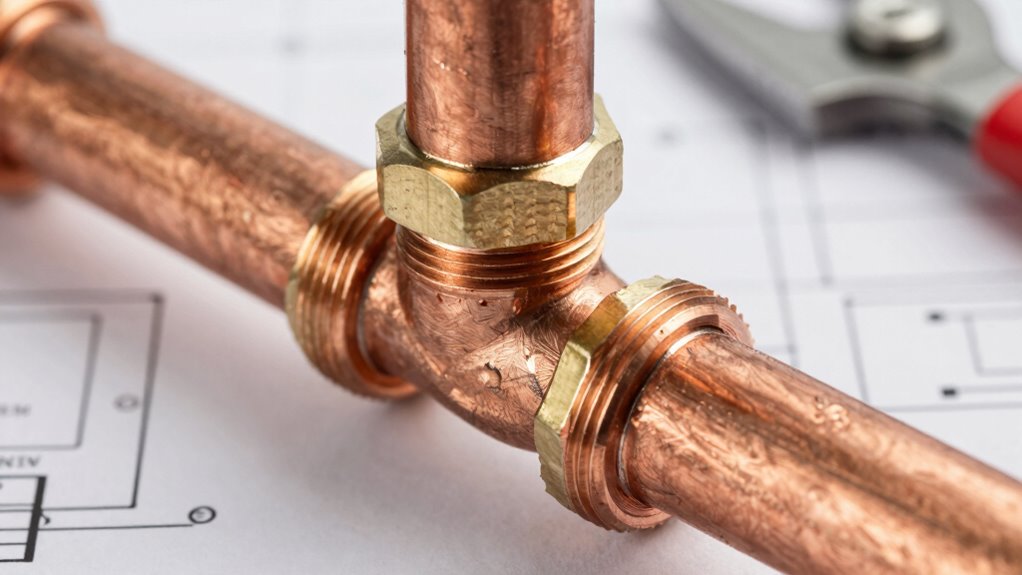
To make certain your plumbing connections stay leak-proof, choosing the right tools is essential. You also need to apply sealant correctly to prevent leaks and ensure a tight fit. Paying attention to these details helps you create durable, secure connections every time.
Proper Tool Selection
Are you selecting the right tools to guarantee a leak-proof plumbing connection? Using the correct tools ensures connections stay secure, preventing issues like pipe corrosion or leaks caused by water pressure fluctuations. Here’s what you need:
- Adjustable wrench – for tightening fittings without damaging pipes.
- Pipe cutter – for clean cuts, preventing gaps that cause leaks.
- Plumber’s tape – to seal threaded joints and prevent water leaks.
- Channel lock pliers – to grip and tighten stubborn fittings securely.
Choosing the right tools helps you avoid damaging delicate components or creating weak points that lead to drips. Properly fitting connections resist pipe corrosion and withstand water pressure, ensuring a long-lasting, leak-proof system.
Correct Sealant Use
Using the right sealant is essential for creating a watertight plumbing connection. First, choose the appropriate sealant type—silicone for rubber-to-metal joints, plumber’s putty for drains, or thread sealant for threaded connections. Clean all surfaces thoroughly before applying. When applying, use consistent, even pressure to spread the sealant smoothly without gaps or overlaps. For thread sealants, wrap the sealant around the male threads evenly, avoiding excess that could cause leaks. For rubber fittings, apply a thin bead of silicone around the edge before connecting. Follow the manufacturer’s instructions for curing time. Proper application techniques guarantee the sealant adheres securely and prevents drips, saving you from future leaks and repairs.
Essential Tools and Materials for DIY Plumbing Connections

Having the right tools and materials on hand is essential for making leak-proof plumbing connections. First, a sturdy pipe wrench is vital for gripping and tightening pipes securely. Second, thread sealant helps prevent leaks by sealing threaded connections effectively. Third, an adjustable jaw plier makes gripping fittings easier, especially in tight spaces. Fourth, a tube of Teflon tape can be wrapped around threads for extra leak prevention. These items ensure you can assemble plumbing joints confidently, reducing the risk of drips. Whether you’re connecting a new faucet or repairing a pipe, having these tools ready saves time and guarantees a tight, leak-proof fit. Proper tools and materials are your first line of defense against future plumbing issues.
Troubleshooting and Fixing Common Connection Leaks

When you notice a leak at a plumbing connection, pinpointing the source quickly is key to effective repair. Often, leaks are caused by pipe corrosion or water pressure issues that weaken fittings over time. First, inspect the connection for visible corrosion, which can cause fittings to loosen or crack. If corrosion isn’t the culprit, check the water pressure; high pressure can stress connections, leading to leaks. Tighten any loose fittings carefully, but don’t overtighten, as this can damage the pipe or fitting. If corrosion has compromised the pipe or fitting, replace the affected parts promptly. Use appropriate sealants or plumber’s tape to guarantee a watertight connection. Regularly monitoring water pressure and inspecting for corrosion can prevent future leaks and keep your plumbing secure.
When to Call a Professional Plumber for Connection Repairs

You should call a professional plumber if you notice signs of connection leaks, like water stains or low pressure. Complex or hidden issues often require expert diagnosis to prevent further damage. Additionally, it’s vital to ensure repairs meet safety standards and local codes, which only a pro can guarantee.
Signs of Connection Leaks
Connection leaks often reveal themselves through subtle but noticeable signs that shouldn’t be ignored. If you notice a sudden drop in water pressure, it could indicate a connection leak. Similarly, damaged pipe insulation around joints may show signs of moisture or mold, hinting at a leak. Here are some other signs to watch for:
- Unexplained increase in your water bill
- Persistent damp spots or mold on walls or floors
- Dripping sounds near plumbing connections
- Visible water pooling or corrosion around joints
If you spot any of these, it’s time to call a professional plumber. Addressing connection leaks early prevents further damage and keeps your plumbing system running smoothly. Don’t wait until small issues turn into major repairs.
Complex or Hidden Issues
Complex or hidden connection issues can be tricky to identify because they often don’t produce obvious symptoms. You might notice a sudden drop in water pressure or small, persistent leaks that seem to come and go. Pipe corrosion is a common culprit, weakening connections over time and causing unseen damage. These issues can develop gradually, making it hard to spot early on. If you notice irregular water pressure or suspect corrosion, it’s best to call a professional plumber. They have the tools and expertise to diagnose hidden problems accurately. Attempting to fix complex issues yourself can lead to further damage or leaks. When in doubt, professional inspection ensures your connections stay leak-proof and safe, saving you time and money in the long run.
Safety and Code Compliance
Ever wonder when it’s safest to call a professional plumber for connection repairs? If you notice issues like improper pipe insulation, fluctuating water pressure, or suspect code violations, it’s time to reach out. Here are four signs to consider:
- You’re unsure if your connections meet local safety codes.
- The water pressure is inconsistent or too high, risking pipe damage.
- You see visible signs of leaks or corrosion around connections.
- You’re unfamiliar with plumbing standards and need expert advice.
Handling these problems yourself can cause further damage or safety hazards. A licensed plumber ensures your connections are up to code, safe, and properly insulated, preventing future drips and leaks. When in doubt, it’s best to call a pro.
Preventive Maintenance Tips to Keep Your Plumbing Leak-Free
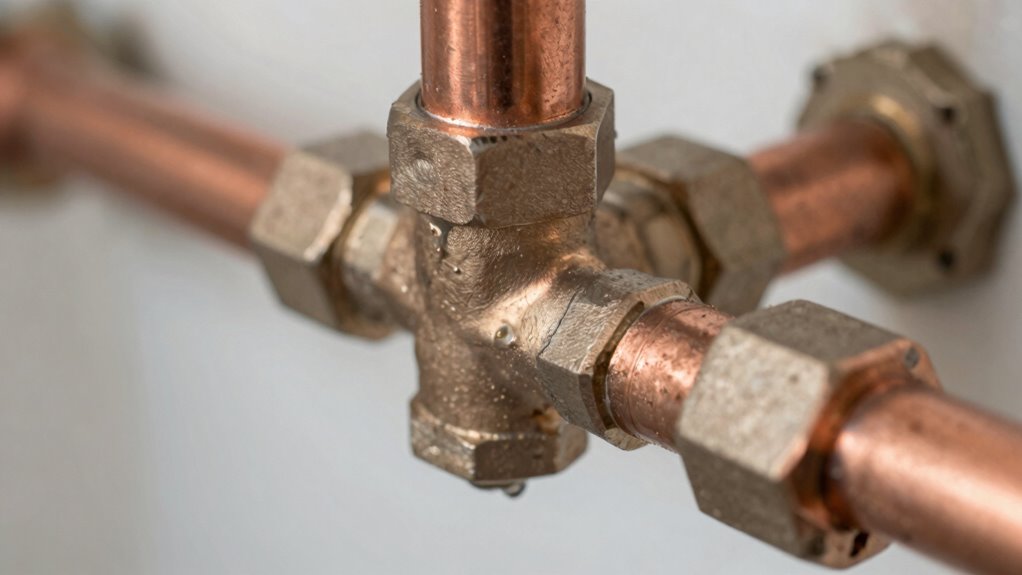
Regular preventive maintenance is essential to keep your plumbing leak-free and functioning efficiently. Start by inspecting pipes regularly for signs of corrosion, which can weaken pipe walls and cause leaks. Address any corrosion early to prevent costly repairs. Keep water pressure within recommended levels, typically between 40-80 psi, as high pressure strains pipes and fittings, increasing leak risk. Use a pressure regulator if necessary. Avoid chemical drain cleaners that can corrode pipes over time. Schedule annual professional inspections to identify hidden issues before they become major problems. Additionally, tighten fittings and replace worn-out washers promptly. Staying vigilant with these maintenance tips helps prevent connection mistakes, reduces the chance of leaks, and prolongs your plumbing system’s lifespan.
Frequently Asked Questions
What Are the Most Common Connection Mistakes Made by DIY Plumbers?
You often make connection mistakes with pipe fittings, like not tightening them enough or over-tightening, which leads to leaks. Also, neglecting proper sealing techniques, such as using the right plumber’s tape or sealant, causes drips. Make sure you double-check each connection, tighten fittings appropriately, and apply sealing techniques correctly to prevent leaks and keep your plumbing leak-proof.
How Can I Prevent Connection Errors During Initial Plumbing Installation?
To prevent connection errors during initial plumbing installation, guarantee you properly insulate pipes to avoid leaks caused by temperature changes. Always conduct thorough pressure testing to identify weak spots or leaks early. Double-check all fittings and connections, tightening them securely without over-tightening. Use quality materials and follow manufacturer instructions carefully. These steps help you avoid common mistakes and keep your plumbing system leak-free from the start.
Are There Specific Brands or Types of Fittings Less Prone to Leaks?
You should choose fittings known for their durability and reliable brands like SharkBite, Watts, or BrassCraft. These brands prioritize high-quality materials, reducing the risk of leaks over time. Look for fittings with solid construction and positive reviews, as they tend to be less prone to connection errors. Investing in trusted brands guarantees your plumbing stays secure and leak-free, giving you peace of mind for years to come.
How Often Should I Inspect Plumbing Connections for Potential Leaks?
You should perform routine checks on your plumbing connections at least once a month to catch leaks early. Additionally, schedule seasonal inspections, especially before and after winter, to make certain everything remains tight and dry. Look for any signs of moisture, corrosion, or drips. Regular maintenance helps prevent small issues from becoming costly water damage, and proactive checks keep your plumbing system leak-free and functioning efficiently.
What Are the Long-Term Effects of Connection Leaks on Plumbing Systems?
Connection leaks can lead to serious long-term effects on your plumbing system. You might face corrosion risks that weaken pipes over time, increasing the chance of sudden failures. Additionally, persistent leaks cause structural damage to walls and foundations, which can be costly to repair. Ignoring small leaks today could compromise your plumbing’s integrity later, so addressing leaks promptly helps prevent extensive damage and keeps your system running smoothly.
Conclusion
By paying attention to proper connection techniques, you can prevent most leaks and save money. Even if you’re worried about messing up, remember that taking your time and using the right tools makes a big difference. With a little patience, you’ll keep your plumbing secure and leak-free. Don’t let fear stop you—many issues are easy to fix with simple adjustments, giving you peace of mind and a reliable plumbing system.