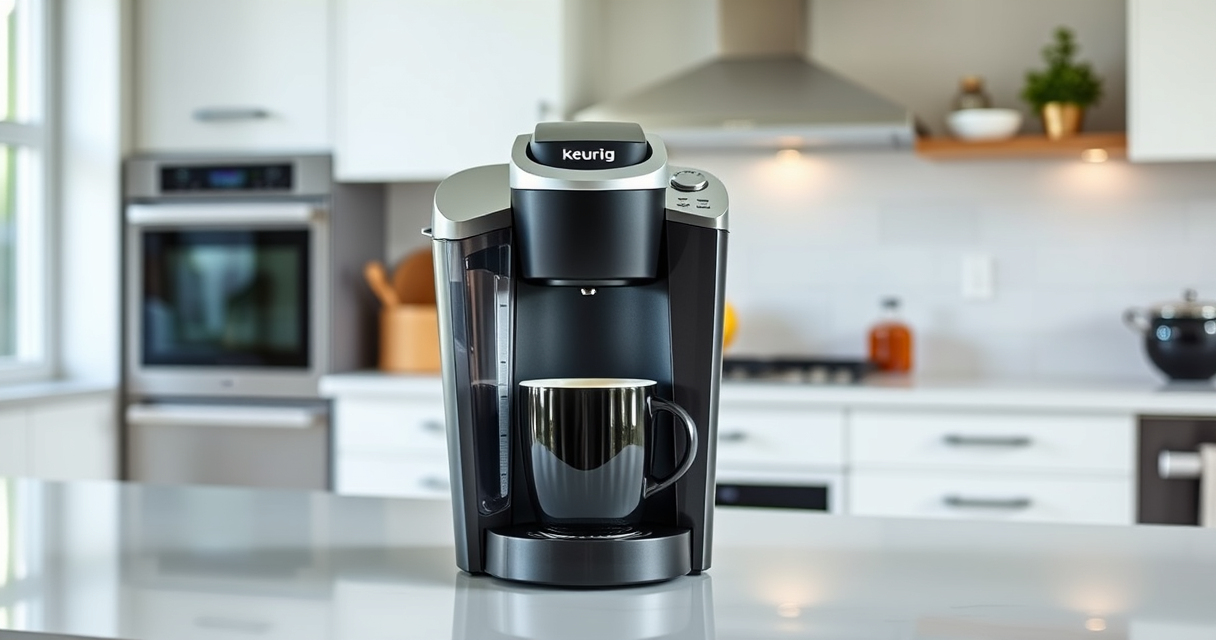

If your Keurig coffee maker is brewing weak, sour, or off-tasting coffee, it’s often a sign that it needs cleaning or maintenance. Over time, mineral deposits, coffee oils, and residue can build up inside your machine, affecting flavor and performance. Fortunately, with some simple troubleshooting steps, you can restore your Keurig’s excellent taste and ensure it brews fresh, delicious coffee every time.

Get home appliances delivered free with Prime
- Fast, free delivery on millions of items
- Prime Video, Amazon Music and more included
- Member-only deals all year
This guide provides clear, step-by-step instructions to diagnose and fix common issues causing bad taste, including cleaning, descaling, and filter maintenance. Follow these tips safely to enjoy better coffee from your Keurig K-Mini.
Key Takeaways
| Regular Cleaning is Key | Cleaning your machine regularly prevents flavor carry-over and buildup. |
| Descaling Extends Lifespan | Descaling removes mineral deposits that impair taste and function. |
| Use Proper Filters | Filtered water and reusable filters improve flavor and reduce buildup. |
| Check Water Quality | Hard water can cause deposits; consider water softening or filtering. |
| Routine Maintenance Matters | Consistent care ensures your Keurig brews the best-tasting coffee every time. |
Identify the Cause of Bad Taste
Before attempting fixes, determine if the issue is due to mineral buildup, old coffee oils, or water quality. Common signs include sour or bitter taste, weak flavor, or sediment in your brew. Starting with a thorough cleaning is usually the best first step.
Perform a Deep Cleaning of Your Keurig
- Unplug the machine and remove any used K-Cup pods, then empty the water reservoir.
- Wipe down the exterior and the drip tray with a damp cloth.
- Use a Keurig rinse pod or a mixture of water and mild vinegar (1:1 ratio). Run several rinse cycles to flush out oils and residue.
- Clean the needle and brew head with a small, soft brush or toothpick to remove blockages.
- Reassemble and run plain water cycles to clear out vinegar or cleaning solution.
Descale Your Keurig to Remove Mineral Deposits
Mineral buildup from hard water can significantly impact flavor. Use a descaling solution or a mixture of equal parts water and white vinegar. Follow these steps:
- Fill the water reservoir with your descaling solution or vinegar.
- Place a large mug on the drip tray.
- Run multiple brew cycles until the reservoir is empty.
- Let the machine sit for 30 minutes to loosen deposits.
- Rinse thoroughly with fresh water by running several plain water cycles.
Repeat descaling every 3-6 months based on water hardness.
Improve Water Quality and Use Reusable Filters
Using filtered water can reduce mineral deposits and improve taste. Consider investing in a reusable filter like the My K-Cup® Reusable Coffee Filter, which allows you to brew with your favorite ground coffee and filtered water, enhancing flavor and reducing buildup.
Ensure the water reservoir is cleaned regularly and filled with fresh, filtered water before each brew.
Routine Maintenance and Troubleshooting Tips
- Clean the machine weekly with rinse cycles to prevent oils and residue buildup.
- Descale every 3-6 months to remove mineral deposits.
- Check for clogs or blockages in the needle and brew head.
- Use high-quality, filtered water to reduce mineral deposits and improve taste.
- Replace water filters as recommended to keep water fresh.
If these steps do not resolve the taste issues, consider replacing the water filter or inspecting the internal parts for damage.
The Products in This Guide
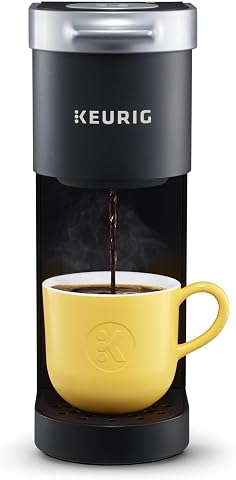
Keurig K-Mini Single Serve K-Cup Pod Coffee Maker
- ✔ Size: Less than 5 inches wide
- ✔ Capacity: 6-12 oz brew size
- ✔ Material: Matte black finish
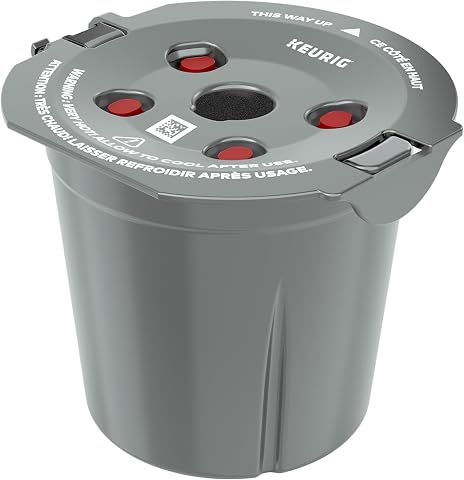
My K-Cup® Reusable Coffee Filter
- ✔ Material: Plastic and stainless steel
- ✔ Capacity: One ground coffee shot
- ✔ Compatibility: All Keurig models
Keurig K-Mini Single Serve K-Cup Pod Coffee Maker
<p>The Keurig K-Mini single serve coffee maker is perfect for small spaces, offering quick and fresh brews with minimal fuss. Its simple design makes it easy to clean and maintain, which helps prevent bad-tasting coffee caused by residue buildup.</p>
Pros:
- Compact and space-saving design
- Brews 6-12oz cups quickly
- Removable drip tray for easy cleaning
- Compatible with reusable filters
Cons:
- No water filter or reservoir filter
- Limited to 12oz brew size
- Requires frequent descaling in hard water areas
Best for: Small apartments, dorms, or office spaces needing quick coffee
Not ideal for: Those seeking a larger capacity or advanced features
Bottom line: Compact, efficient, and easy to clean — ideal for small spaces.
My K-Cup® Reusable Coffee Filter
<p>The My K-Cup® Reusable Coffee Filter allows you to brew your own ground coffee, giving you control over the flavor and strength. It’s compatible with your Keurig and helps reduce buildup caused by pre-packaged pods, making your coffee taste fresher and cleaner.</p>
Pros:
- Brew with your favorite ground coffee
- Reduces waste and cost
- Easy to clean and reuse
- Compatible with Keurig machines
Cons:
- Requires more effort to measure grounds
- Potential for clogging if not cleaned properly
- Limited to single serve brewing
Best for: Coffee enthusiasts who prefer ground coffee and want better flavor control
Not ideal for: If you prefer convenience over customization
Bottom line: An eco-friendly way to enjoy fresher-tasting coffee with your Keurig.
Frequently Asked Questions
Why does my Keurig taste sour or bitter?
This often indicates mineral buildup, old coffee oils, or mold. Cleaning and descaling usually resolve this issue.
How often should I descale my Keurig?
Descaling is recommended every 3-6 months, especially if you have hard water, to prevent mineral deposits affecting flavor.
Can I use vinegar instead of descaling solutions?
Yes, a mixture of equal parts white vinegar and water works effectively for descaling, but make sure to rinse thoroughly afterward.
What is the best way to clean the needle and brew head?
Use a small, soft brush or a toothpick to gently remove any coffee grounds or clogs in the needle and brew head area.
Does using filtered water improve taste?
Yes, filtered water reduces mineral deposits and impurities, leading to better-tasting coffee and less buildup.
Brew Better Coffee Every Time
Maintaining your Keurig with regular cleaning, descaling, and using quality water can dramatically improve your coffee’s flavor. These simple steps will help keep your machine in top condition, ensuring every cup tastes fresh and delicious. With a little routine maintenance, you can enjoy your favorite brews without the sour or weak flavors caused by residue and mineral deposits.
Affiliate disclosure: As an Amazon Associate we earn from qualifying purchases. Prices and availability are accurate as of the time of publishing.
Halloween Picks
halloween
As an affiliate, we earn on qualifying purchases.