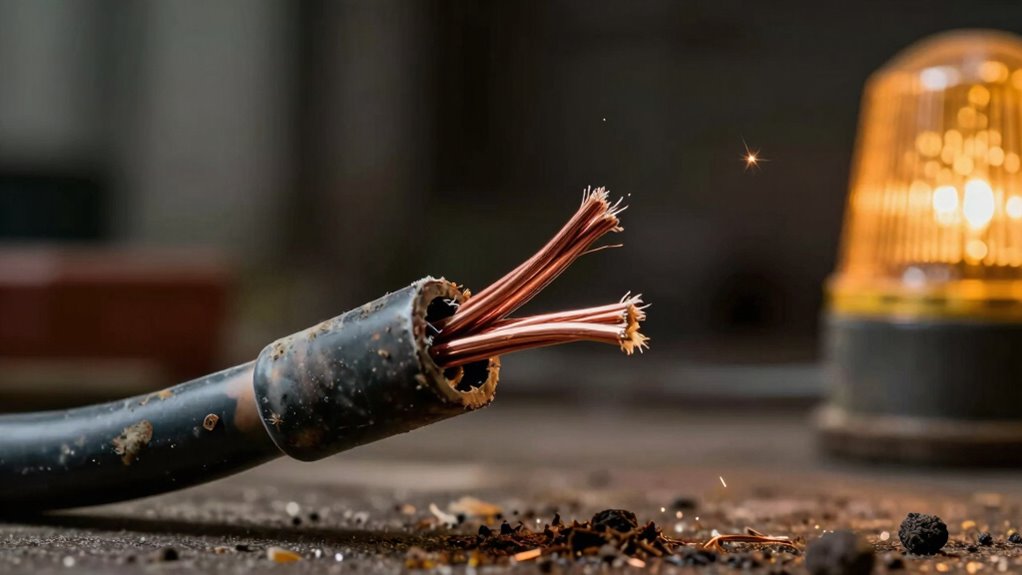

To know if a maintenance issue is becoming a safety concern, stay alert for signs like cracks, leaks, corrosion, or loose parts during inspections. Watch for unusual noises, increased vibrations, or warning lights, as these indicate worsening problems. Pay special attention to issues near high-temperature areas or moving parts, and document any changes over time. If you continue exploring, you’ll discover how early detection can prevent accidents and keep everyone safe.
Key Takeaways
- Sudden changes or worsening signs indicate the issue may be escalating into a safety risk.
- Issues near critical areas like high-temperature zones or moving parts require immediate attention.
- Persistent or new leaks, corrosion, or loose parts can compromise safety if unaddressed.
- Increased vibration, unusual noises, or warning lights signal potential safety hazards.
- Early signs of deterioration, if ignored, can lead to accidents or equipment failure, marking safety concerns.
Maintenance issues can sometimes seem minor at first, but they have the potential to escalate into serious safety hazards if left unaddressed. Recognizing when a small problem turns dangerous is essential for maintaining a safe environment. Your first step is thorough equipment inspection. Regularly checking machinery, tools, and systems helps you catch early signs of wear or damage. During inspections, look for cracks, corrosion, leaks, loose parts, or unusual noises. These are often indicators that something is wrong before it becomes an immediate danger. By catching these early, you can prevent incidents caused by equipment failure.
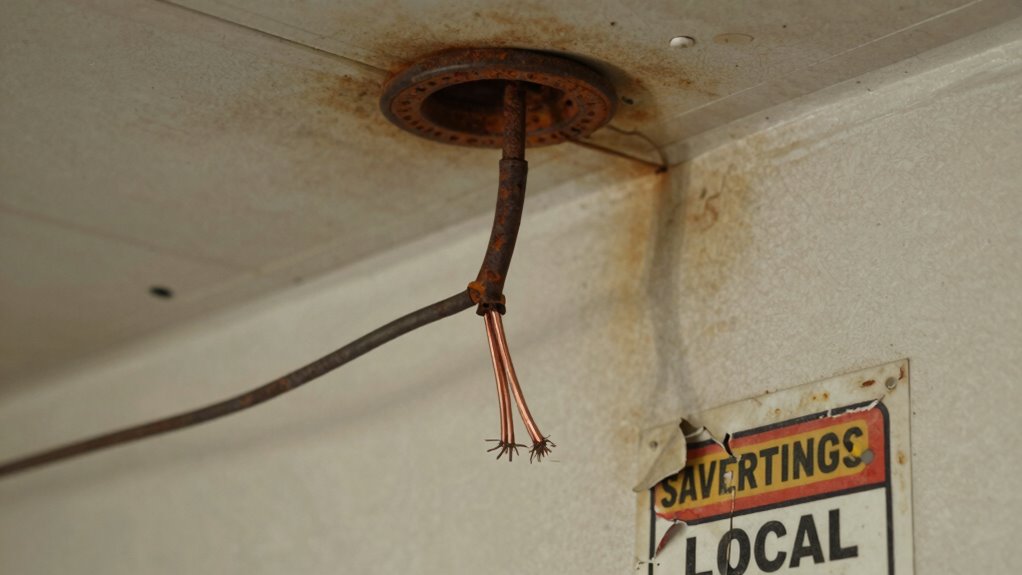
Regular inspections reveal early signs of wear, preventing equipment failure and ensuring safety.
Hazard identification plays a critical role in determining whether a maintenance issue is evolving into a safety concern. As you perform inspections, stay alert for potential hazards like exposed wiring, slippery surfaces, or unstable structures. Sometimes, what appears as a simple malfunction can mask a larger risk. For example, a frayed electrical cord might look minor, but it could lead to electrical shocks or fires if not addressed promptly. If you notice these hazards during routine checks, it’s a clear sign that the problem needs urgent attention to prevent injury or damage. Recognizing potential safety hazards early can make all the difference in preventing accidents.
Monitoring the severity and progression of maintenance issues is also key. If a defect or malfunction worsens over time, it’s a warning that safety could soon be compromised. Pay attention to patterns—does a particular machine vibrate more than usual? Are warning lights blinking more frequently? These signs suggest that the issue is deteriorating and could soon lead to failure or accidents. The sooner you escalate these concerns, the better your chances of avoiding catastrophic failures. Regular documentation of these signs can help track the progression of problems, enabling timely interventions. Additionally, understanding maintenance history can provide insight into recurring issues that might pose ongoing safety risks. Recognizing the signs of deterioration early can help prevent escalation into dangerous situations.
You should also consider the context of the problem. Sometimes, a small leak or a loose bolt might seem harmless, but if it’s near a high-temperature area or a moving part, it could pose a significant safety risk. Always evaluate whether the issue could impact operators or others nearby. If you find yourself questioning the safety implications of a maintenance problem, err on the side of caution. Communicate your concerns clearly and promptly to maintenance teams or supervisors to ensure swift action. Additionally, understanding proper safety protocols can help you better assess and address potential hazards before they develop into emergencies.
industrial equipment safety inspection tools
As an affiliate, we earn on qualifying purchases.
As an affiliate, we earn on qualifying purchases.
Frequently Asked Questions
How Often Should Maintenance Inspections Be Conducted to Prevent Safety Risks?
You should conduct maintenance inspections regularly, ideally based on your equipment’s schedule and usage. Typically, inspections should occur monthly or quarterly, but high-risk or heavily used machinery may need weekly checks. Proper maintenance scheduling helps extend equipment lifespan and prevents safety risks before they escalate. Stay proactive by documenting inspections and adjusting frequency as needed, ensuring safety remains a priority and your equipment operates efficiently.
What Are Common Signs That a Maintenance Issue Has Escalated to a Safety Concern?
You’ll notice equipment malfunctions more frequently or suddenly become unpredictable, signaling a safety concern. Hazard signs, like leaks, exposed wires, or unusual noises, also indicate escalation. If you observe these signs, it’s essential to act quickly, as minor maintenance issues can quickly develop into serious safety risks. Regular monitoring and prompt response can prevent accidents and guarantee a safe environment for everyone involved.
Who Should Be Responsible for Reporting Safety-Related Maintenance Problems?
You should report safety-related maintenance problems as soon as you notice them, regardless of your role. Studies show that 70% of workplace accidents stem from overlooked hazards, highlighting the importance of prompt reporting. Follow safety protocols and reporting procedures to guarantee issues are addressed quickly. By doing so, you help prevent accidents and keep everyone safe. Always prioritize safety, and don’t hesitate to escalate issues when needed.
How Can Maintenance Staff Be Trained to Identify Safety Hazards Early?
You can train maintenance staff to spot safety hazards early by emphasizing preventive maintenance and conducting regular safety audits. Teach them to recognize signs of wear or damage that could compromise safety, and encourage proactive reporting. Incorporate hands-on training and real-world scenarios, stressing the importance of vigilance. Regular safety audits reinforce these lessons, helping staff stay alert to potential hazards and ensuring safety issues are addressed before they escalate.
What Tools or Technology Can Help Monitor Safety Issues in Maintenance?
You can use predictive analytics and real-time sensors to monitor safety issues in maintenance. These tools analyze data continuously, detecting early signs of potential hazards before they escalate. Sensors track equipment conditions like temperature, vibration, and pressure, alerting you instantly if abnormalities occur. Predictive analytics then interpret this data to forecast future risks, enabling you to take proactive measures and guarantee safety remains a top priority.
As an affiliate, we earn on qualifying purchases.
Conclusion
Remember, a stitch in time saves nine. Regularly inspect and address maintenance issues before they escalate into safety hazards. Trust your instincts and don’t ignore warning signs. If something feels off, it probably is. Staying proactive not only protects your team but also preserves your equipment and reputation. By staying vigilant and acting promptly, you guarantee a safer work environment for everyone. Don’t wait for a small problem to turn into a big disaster—stay alert and keep safety top of mind.
vibration monitoring sensors for machinery
As an affiliate, we earn on qualifying purchases.
As an affiliate, we earn on qualifying purchases.
electrical hazard warning lights
As an affiliate, we earn on qualifying purchases.
As an affiliate, we earn on qualifying purchases.