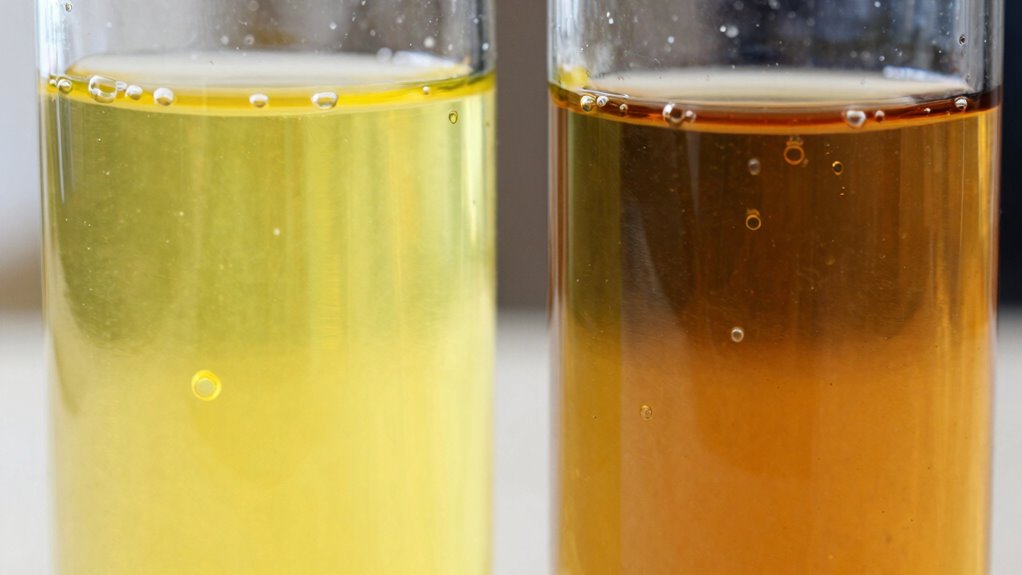

Chlorine and bromine are both disinfectants used in pools, but they work differently. Chlorine acts quickly, effectively killing bacteria and algae, but tends to raise pH levels and can produce harmful byproducts if mishandled. Bromine is more stable, especially in hot water, and maintains water clarity longer, with fewer strong chemical reactions. Knowing their differences helps you choose the right one for your needs—continue exploring to learn more about each chemical’s benefits and risks.
Key Takeaways
- Chlorine reacts quickly, raises pH levels, and is cost-effective, ideal for fast disinfection; bromine is more stable, effective at higher temperatures, and maintains pH better.
- Chlorine releases hypochlorous acid for microbial kill; bromine forms brominated compounds, which are gentler but more costly.
- Bromine works better in hot water and low pH environments; chlorine is preferred for rapid sanitation regardless of temperature.
- Chlorine can produce harmful byproducts and fumes if mishandled; bromine emits less irritating fumes but still requires caution.
- Cost, ease of use, and specific pool conditions influence whether chlorine or bromine is the better choice for sanitation.
What Are Chlorine and Bromine and How Do They Work as Disinfectants?
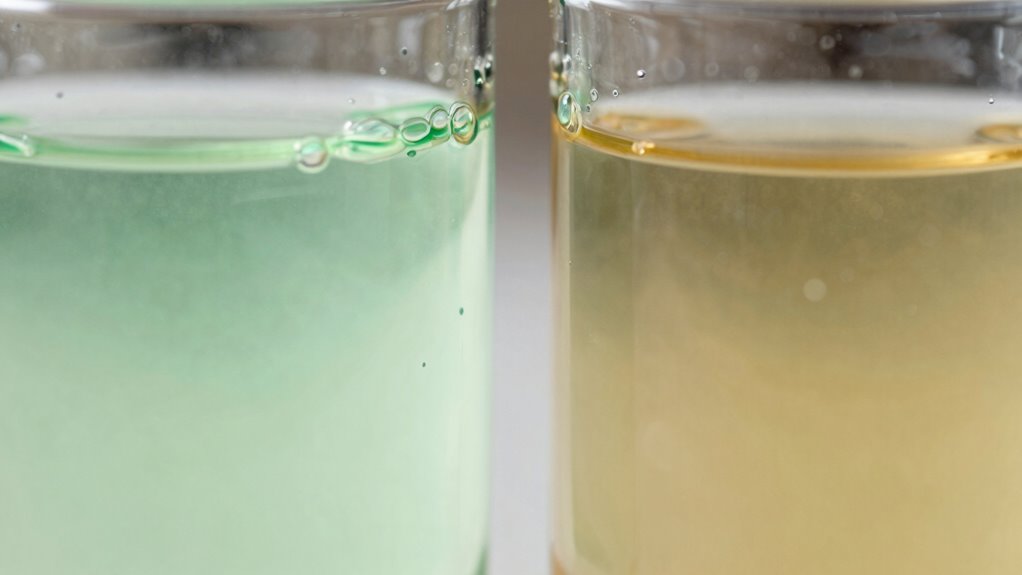
Have you ever wondered how chlorine and bromine keep pools safe and free of germs? It all comes down to pool water chemistry and their disinfectant mechanisms. Both chemicals work by releasing active agents that attack bacteria, viruses, and algae, breaking down their cell structures. Chlorine, in particular, forms hypochlorous acid when added to water, which is highly effective at neutralizing microbes. Bromine works similarly, creating brominated compounds that disinfect just as efficiently. These disinfectants maintain water cleanliness by continuously reacting with contaminants, ensuring the pool stays safe for swimmers. While their chemical behaviors differ slightly, both chlorine and bromine are essential for controlling microbial growth, making pool maintenance easier and more reliable. European cloud innovation is also advancing in the realm of sustainable solutions, emphasizing energy-efficient methods for water treatment and disinfection. Additionally, understanding the market dynamics of disinfectants can help consumers make better choices for their pool safety.
Chlorine vs Bromine: Key Differences in Chemical Properties and Usage
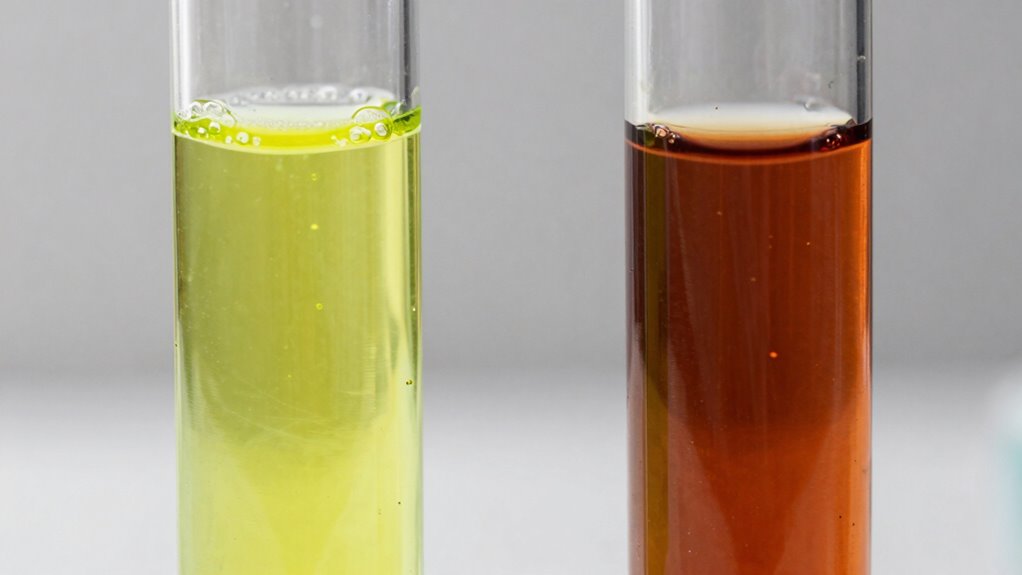
While both chlorine and bromine serve as effective disinfectants for pools, they differ markedly in their chemical properties and typical usage. Chlorine is more reactive, quickly forming chemical reactions that help eliminate bacteria and algae, making it popular for routine pool maintenance. Bromine, on the other hand, is less reactive and tends to produce fewer strong chemical reactions, which can result in a more stable water chemistry over time. This stability makes bromine ideal for pools that require less frequent chemical adjustments. Additionally, bromine remains effective at higher temperatures, so it’s often used in hot tubs. Your choice depends on how quickly you want chemical reactions to occur and the environment of your pool. Both chemicals require proper handling to guarantee safe and effective disinfection. Contrast in chemical reactivity influences how each disinfectant interacts with pool water and affects maintenance routines.
How Chlorine and Bromine Affect Water Chemistry and Maintenance
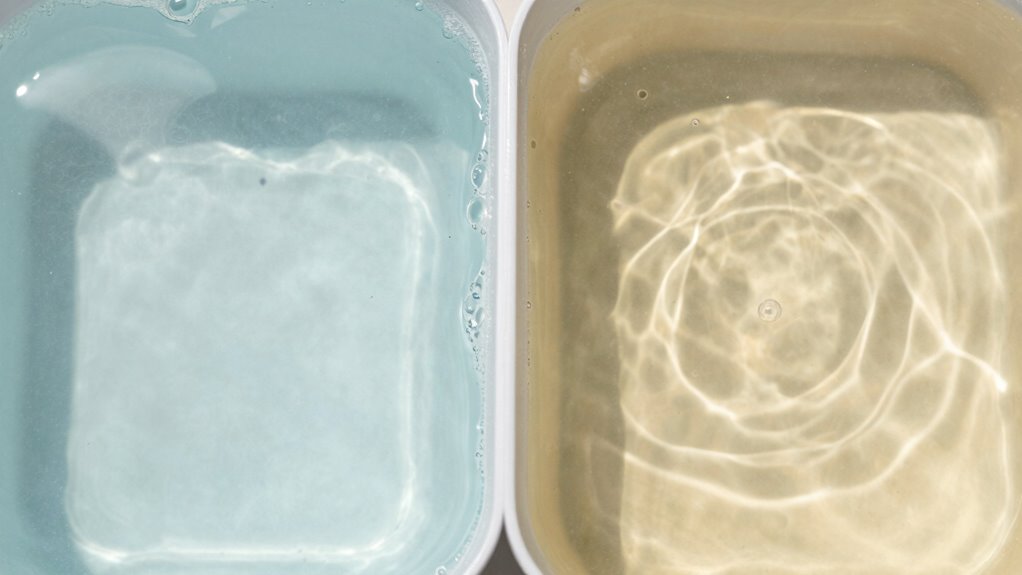
Chlorine and bromine influence water chemistry and maintenance in distinct ways, affecting how often you need to test and balance your pool’s chemical levels. Chlorine tends to raise the pH balance over time, requiring you to monitor and adjust acidity regularly. Bromine, on the other hand, is more stable regarding pH, making maintenance simpler. Both disinfectants impact mineral content, but bromine adds fewer dissolved solids, helping keep water clearer. You’ll need to test more frequently with chlorine to ensure proper chemical balance, while bromine generally maintains a steadier pH level. Understanding these differences helps you manage your pool efficiently, ensuring safe, clean water with less effort on chemical balancing and mineral control. Proper water sanitation is essential for maintaining a healthy swimming environment with either disinfectant. Additionally, knowing the disinfection process can help you choose the best option for your specific needs. Being aware of the chemical stability of each disinfectant can also guide you in reducing maintenance time and costs. By understanding the water chemistry involved, you can optimize your pool’s maintenance routine and extend the lifespan of your equipment.
Is Chlorine or Bromine Safer for Your Family and Environment?
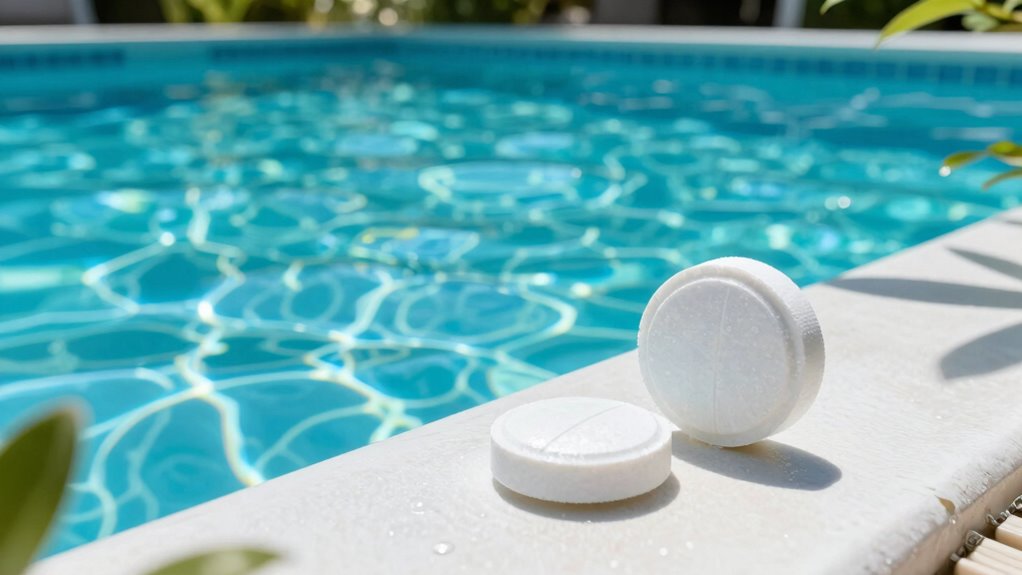
When choosing between chlorine and bromine, you should consider their toxicity levels and how they affect the environment. Chlorine is highly effective but can release harmful byproducts, while bromine tends to be less toxic but may have a different environmental footprint. Understanding these factors helps you decide which option is safer for your family and the planet. Additionally, vetted products and formulations can help reduce potential risks associated with both chemicals. Being aware of the environmental impact of each chemical can further guide your decision-making process.
Chemical Toxicity Levels
Have you ever wondered which chemical poses fewer health risks for your family and the environment? When comparing toxicity levels, bromine generally has a lower toxicity compared to chlorine, making it a safer option for household use. However, safety considerations are essential; both chemicals can cause irritation or health issues if mishandled. Additionally, understanding air purifier maintenance dos and don’ts can help minimize exposure to harmful substances. Key points to contemplate include:
- Bromine’s toxicity comparison shows it’s less aggressive on skin and respiratory systems.
- Chlorine releases more hazardous gases if spilled or improperly handled.
- Bromine’s fumes tend to be less irritating but still require caution.
- Both chemicals can pose risks if ingested or inhaled in large quantities.
Understanding chemical toxicity levels is important for assessing how each chemical impacts human health and the environment.
Ultimately, understanding these differences helps you make informed decisions about chemical safety for your family and environment.
Environmental Impact
Although both chlorine and bromine are effective disinfectants, their environmental impacts differ markedly. Chlorine can produce harmful byproducts like chlorinated organics, which persist in water and can harm aquatic life. Bromine, on the other hand, tends to form fewer toxic compounds and breaks down more easily, making it a slightly greener choice. If you’re concerned about the environment, look for biodegradable alternatives that minimize chemical residues. Additionally, choose products from companies committed to eco friendly manufacturing practices, which prioritize reducing ecological footprints. While bromine may be safer overall, opting for eco-conscious options guarantees you’re protecting your family and the environment. Understanding chemical byproducts is key to making environmentally responsible decisions. Moreover, considering the life cycle impacts of disinfectants can further guide eco‑friendly choices. Ultimately, understanding these differences helps you make informed choices that balance disinfection needs with sustainability.
Which Is Cheaper and Easier to Use: Chlorine or Bromine?
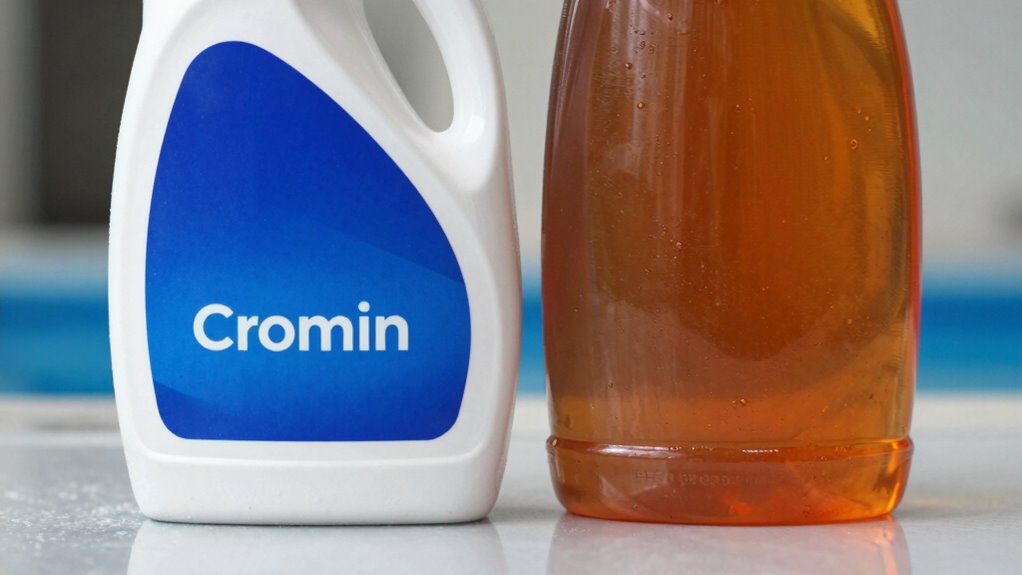
Choosing between chlorine and bromine often comes down to cost and ease of use, and in many cases, chlorine proves to be the more affordable option. When considering a cost comparison, chlorine typically has lower upfront and ongoing expenses. It’s also generally easier to handle, offering quick dissolving tablets and simple dosing systems that boost user convenience. Bromine, while more stable at higher temperatures, tends to be pricier and can require more maintenance. Additionally, chemical management assessments can help pool owners identify potential issues related to chemical balance and overall pool health, emphasizing the need for proper chemical management. Proper pool testing is essential for maintaining the correct chemical levels, ensuring safe and effective sanitation. Furthermore, understanding free floating chemicals can aid in selecting the most appropriate sanitation method for your pool.
Common Myths About Chlorine and Bromine Debunked
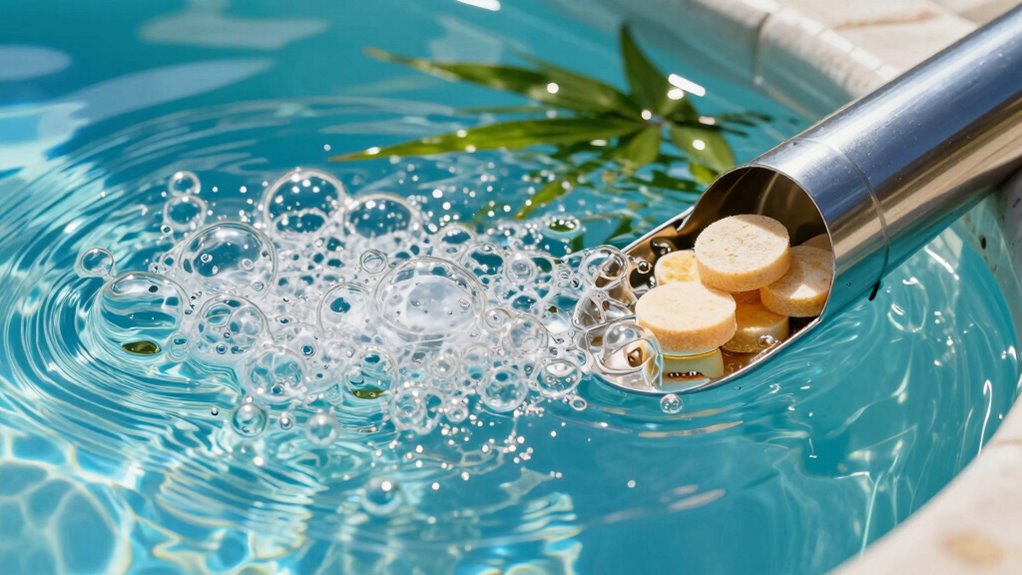
Many people believe all pool chemicals are the same, but that’s not true. You might think bromine is safer than chlorine, yet each has its own advantages and risks. It’s also a misconception that one disinfectant is always better—your choice depends on your specific needs and circumstances.
Myth: All Pool Chemicals Are Equal
It’s a common misconception that all pool chemicals are created equal, but this couldn’t be further from the truth. Different chemicals vary in how they affect your pool water pH and overall chemical stability. For example, some chlorine products can cause pH fluctuations, making water more acidic or alkaline over time. Bromine, on the other hand, tends to be more stable, maintaining consistent levels longer. You need to understand these differences to keep your pool balanced and safe. Using the wrong chemical can lead to cloudy water, algae growth, or skin irritation. Be aware that not all pool chemicals work the same way, and choosing the right one depends on your pool’s needs and your maintenance routine. Proper selection ensures water clarity, safety, and easier upkeep.
Misconception: Bromine Is Safer Than Chlorine
A common myth is that bromine is inherently safer than chlorine, but this isn’t entirely true. Both chemicals play essential roles in pool sanitation and have safety considerations. Bromine is often seen as gentler on the skin, but it can produce irritating fumes and has a higher cost. Chlorine, while more aggressive, effectively kills bacteria quickly when used correctly. The truth is, both pose risks if mishandled, affecting chemical safety. Here’s a comparison to clarify:
| Aspect | Bromine | Chlorine | Impact on Pool Safety |
|---|---|---|---|
| Skin Contact | Less irritation | Possible irritation | Different comfort levels |
| Fuming | Less fumes | Strong fumes | Safety precautions needed |
| Cost | Usually higher | More affordable | Budget considerations |
| Effectiveness | Longer-lasting disinfectant | Fast-acting disinfectant | Application timing impacts |
| Chemical Safety | Needs careful handling | Needs careful handling | Proper storage is essential |
False Belief: One Disinfectant Is Always Best
Although it’s tempting to believe that one disinfectant is universally superior, relying solely on either chlorine or bromine can lead to safety and effectiveness issues. Each chemical has unique advantages and ideal uses, depending on your pool equipment and chemical storage setup. Choosing just one might cause imbalanced sanitation or damage to pool components.
- Bromine works better in hot water and low pH environments, but can be more expensive.
- Chlorine is more cost-effective and widely available, but can cause stronger odors.
- Mixing chemicals improperly increases safety risks and can harm pool surfaces.
- Proper storage is essential for both disinfectants to prevent leaks or accidents.
Understanding these nuances ensures you select the right disinfectant without falling for the myth that only one is best.
Frequently Asked Questions
Can Chlorine or Bromine Cause Allergies or Skin Sensitivities?
Yes, chlorine and bromine can cause allergy triggers and skin sensitivities. When you’re exposed to these chemicals in pools or hot tubs, they may irritate your skin or trigger allergic reactions, especially if you have sensitive skin. To reduce risks, shower before and after swimming, and consider using skincare products designed to protect against irritation. If you notice persistent skin issues, consult a healthcare professional.
How Do Chlorine and Bromine Impact Pool Equipment Longevity?
Ever wondered how chemicals impact your pool equipment? Chlorine can cause corrosion effects over time, shortening your equipment’s lifespan if not properly balanced. Bromine, while gentler, still affects equipment longevity if levels aren’t maintained. Regular testing and correct chemical dosing minimize corrosion effects, helping extend your pool’s equipment lifespan. By understanding these impacts, you guarantee your equipment remains durable and efficient, saving you money and hassle in the long run.
Are There Any Specific Water Temperature Considerations for Each Disinfectant?
Water temperature affects disinfectant effectiveness for both chlorine and bromine. Higher temperatures can cause chlorine to dissipate faster, reducing its disinfecting power, especially in warm pools. Bromine remains more stable across a broader temperature range, maintaining its effectiveness better in hot water. You should monitor your pool’s water temperature and adjust chemical levels accordingly, ensuring ideal sanitation and preventing issues like algae growth or bacteria buildup.
Do Chlorine and Bromine Produce Harmful Byproducts?
You might find that both chlorine and bromine engage in chemical reactions that create byproducts, but these byproducts are generally well-managed and considered safe when used properly. While some may worry about byproduct toxicity, regulatory agencies monitor and limit these substances to ensure safe water quality. Fundamentally, with proper dosing, the risk of harmful byproducts from either disinfectant remains minimal, making them effective choices for water sanitation.
How Do I Switch Between Using Chlorine and Bromine Safely?
To switch between chlorine and bromine safely, first check your pool’s chemical compatibility and follow manufacturer guidelines. Drain or partially drain the pool if needed, then thoroughly clean the filter and surfaces. Adjust the chemical dosage accordingly, as bromine and chlorine require different amounts for effective sanitation. Always test your water regularly to maintain proper pH and sanitization levels, ensuring safe and effective use of either sanitizer.
Conclusion
So, whether you choose chlorine or bromine, you’ll still be battling bacteria—just with different tools. It’s funny how the “safer” option isn’t always safer, and the cheaper one isn’t always better. In the end, both disinfectants do the job, but don’t be surprised if your pool’s chemistry keeps you guessing. After all, the real game isn’t which one you pick, but how well you master the one you choose.