To keep your cold plunge clean, you need essential tools like a water thermometer, filter brush, skimmer net, and water testing devices. Choosing the right brushes, especially soft nylon or stiffer ones for tough grime, helps protect surfaces. Use gentle, spa-safe cleaning solutions and routinely check water quality and circulation. Don’t forget safety gear and proper handling of chemicals. Keep your system spotless and safe—more tips await to help you master your cold plunge care.
Key Takeaways
- Essential cleaning tools include water thermometers, filter brushes, skimmer nets, and non-abrasive disinfectants.
- Upgrading to ultrasonic cleaners and automated testers enhances cleaning efficiency and water safety.
- Routine practices involve regular water testing, draining, scrubbing, and replenishing with sanitized water.
- Proper water and environment maintenance prevent algae growth, improve clarity, and ensure safety.
- Safety gear and following chemical handling protocols are crucial for effective, hazard-free cleaning routines.
Essential Cleaning Tools for Your Cold Plunge
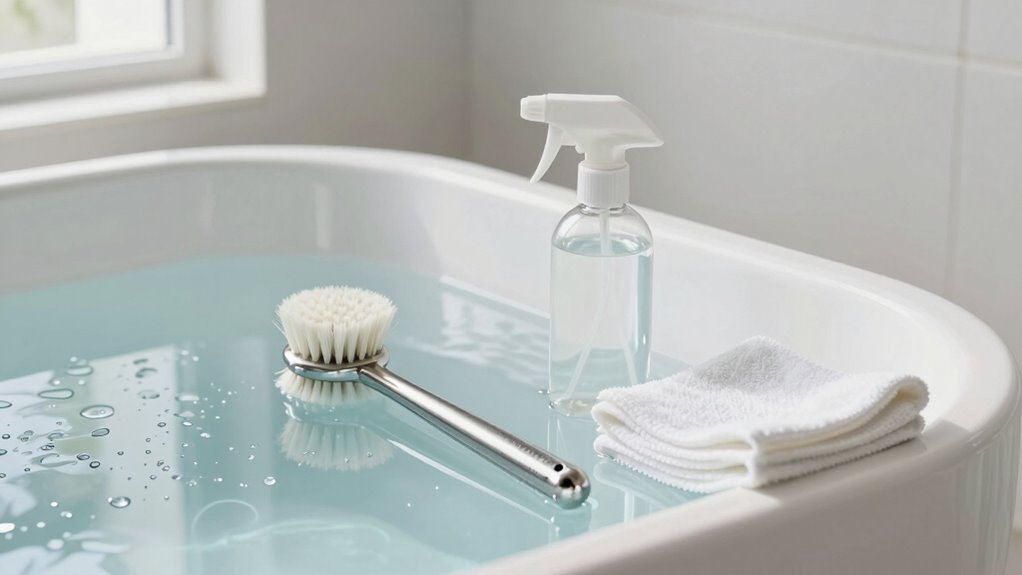
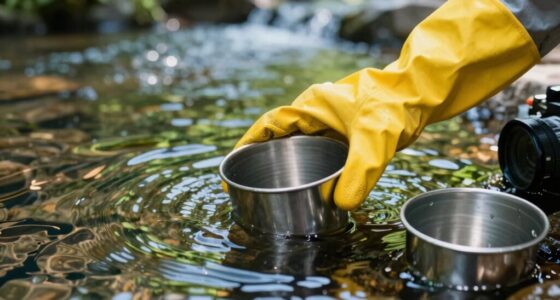
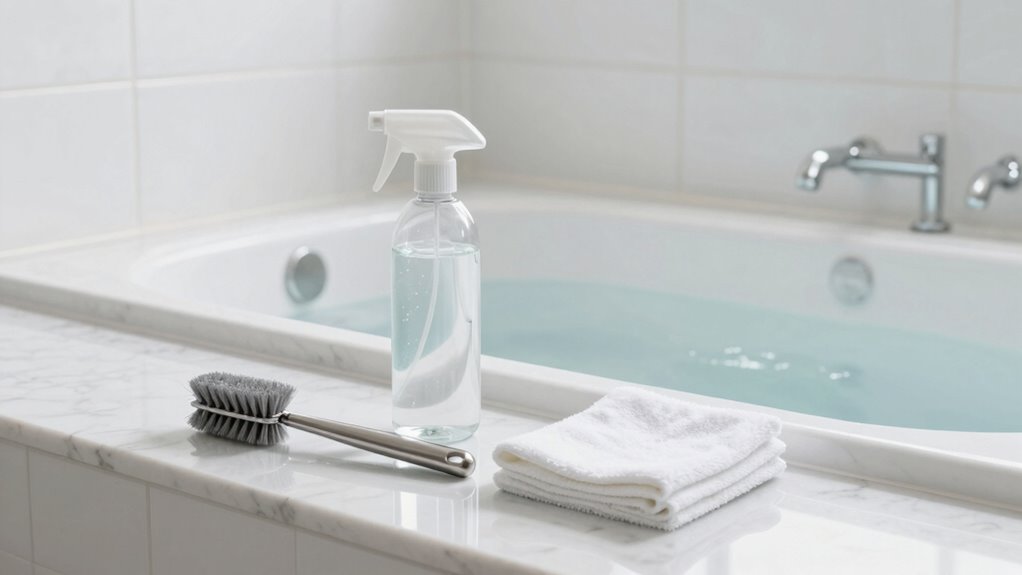
To keep your cold plunge clean and safe, you need the right tools on hand. First, a reliable water thermometer is essential to monitor water temperature, ensuring it stays within safe and comfortable ranges. Proper water temperature management prevents bacteria growth and keeps your experience pleasant. Additionally, a sturdy filter brush is crucial for filter maintenance, helping you clear debris and grime that can clog your system. Regular cleaning of your filter prolongs its lifespan and maintains water clarity. A skimmer net can also be helpful for removing floating debris. Keep these tools accessible so you can perform routine checks and maintenance easily. Incorporating easy-to-use cleaning tools into your routine helps you efficiently maintain water quality and ensures your cold plunge remains hygienic and inviting. Using appropriate cleaning techniques can further enhance the effectiveness of your maintenance routine. Establishing a consistent cleaning schedule is key to preventing the buildup of contaminants and maintaining optimal water conditions. With these essentials, you’ll maintain a clean, safe cold plunge that stays inviting and hygienic for every use.
How to Choose the Right Brush for Your Cold Plunge Maintenance?
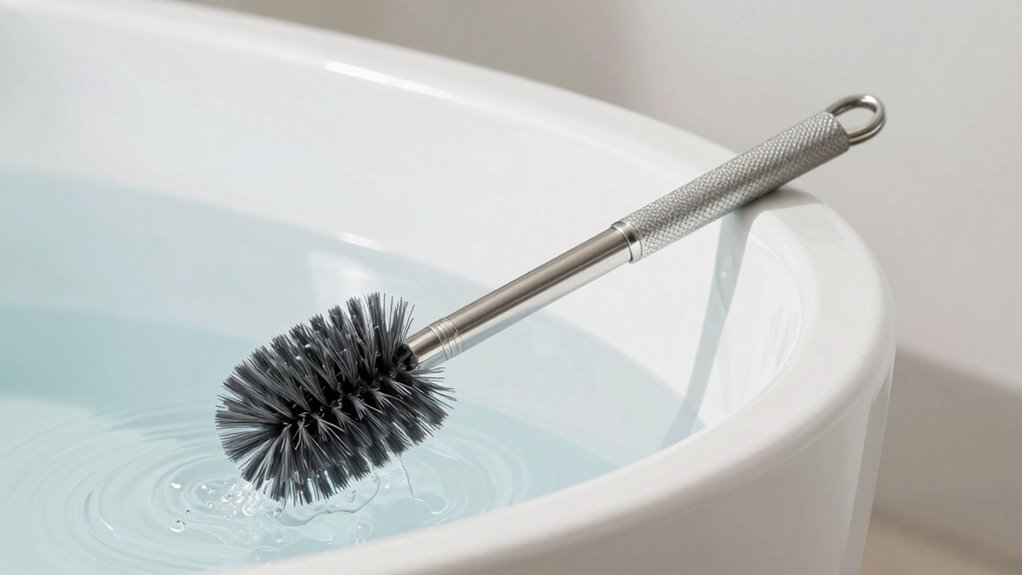
Choosing the right brush for your cold plunge maintenance guarantees your cleaning efforts are effective and efficient. When choosing brushes, focus on brush materials that won’t damage your tub’s surface. Soft nylon brushes are ideal for delicate surfaces, while stiffer brushes work better for stubborn grime. Consider the materials carefully to avoid scratches or wear. Incorporating European cloud innovation into your cleaning routine can also enhance the sustainability of your maintenance practices. Additionally, selecting environmentally conscious tools aligns with sustainable design principles, ensuring your maintenance supports eco-friendly practices. Being aware of natural pool techniques can further help you maintain a chemical-free and eco-friendly environment. Understanding filtration systems can also improve the overall cleanliness and longevity of your cold plunge. Proper knowledge of electric dirt bikes and their maintenance can provide insights into choosing durable equipment and proper handling, which indirectly benefits your cleaning routines by reducing the need for harsh cleaning.
The Best Cleaning Solutions for Cold Plunge Sanitation
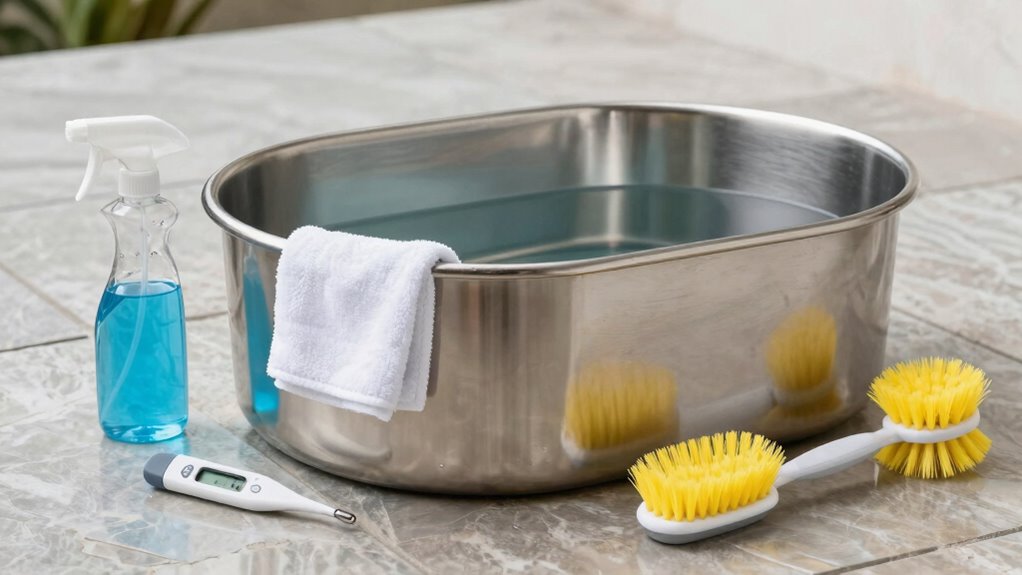
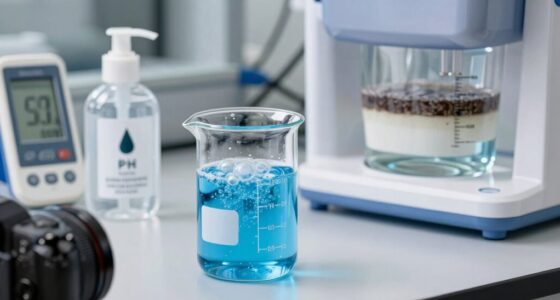
Maintaining a sanitary cold plunge requires effective cleaning solutions that eliminate bacteria, algae, and buildup without damaging your tub’s surface. The right solutions help preserve your cold plunge’s aesthetics by keeping the water clear and inviting. Use gentle, non-abrasive disinfectants specifically designed for spa or pool use, ensuring they won’t harm the material or finish. Regularly maintaining water chemistry also enhances the user experience by preventing unpleasant odors and skin irritation. Avoid harsh chemicals like bleach or ammonia, which can degrade surfaces and impact water clarity. Instead, opt for pH-balanced, spa-safe cleaners that sanitize thoroughly without residue. Proper sanitation practices also include understanding wiring basics to ensure your system is safe and effective. Additionally, selecting appropriate cleaning tools can make maintenance easier and more efficient. Incorporating proper water chemistry checks regularly can prevent common issues and extend the lifespan of your cold plunge. Using automated cleaning devices or robotic cleaning solutions can further streamline your maintenance routine. These solutions keep your cold plunge looking pristine and functioning ideal, making every dip more enjoyable and hassle-free.
How to Regularly Clean Your Cold Plunge: A Step-by-Step Guide
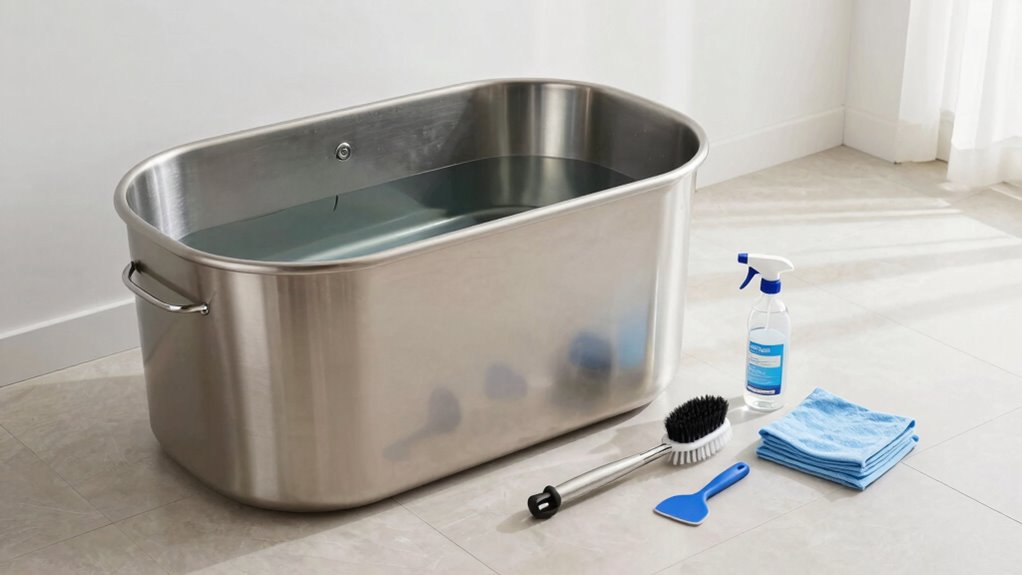
Regular cleaning keeps your cold plunge in top condition and guarantees a safe, enjoyable experience every time. Start by testing the chlorine levels; maintaining proper levels ensures water stays sanitized. Next, turn on the water circulation system to help distribute chemicals evenly and prevent stagnant spots. Drain the plunge completely, then scrub the surfaces with a non-abrasive cleaner to remove buildup and debris. Rinse thoroughly to remove any residue. Refill with fresh water, add the appropriate amount of sanitizer, and run the circulation system for at least 15 minutes. Regularly checking chlorine levels and ensuring consistent water circulation are key to keeping your plunge clean and safe. Follow this step-by-step routine weekly to maintain ideal water quality.
Tips to Keep Water Clear and Prevent Algae Growth
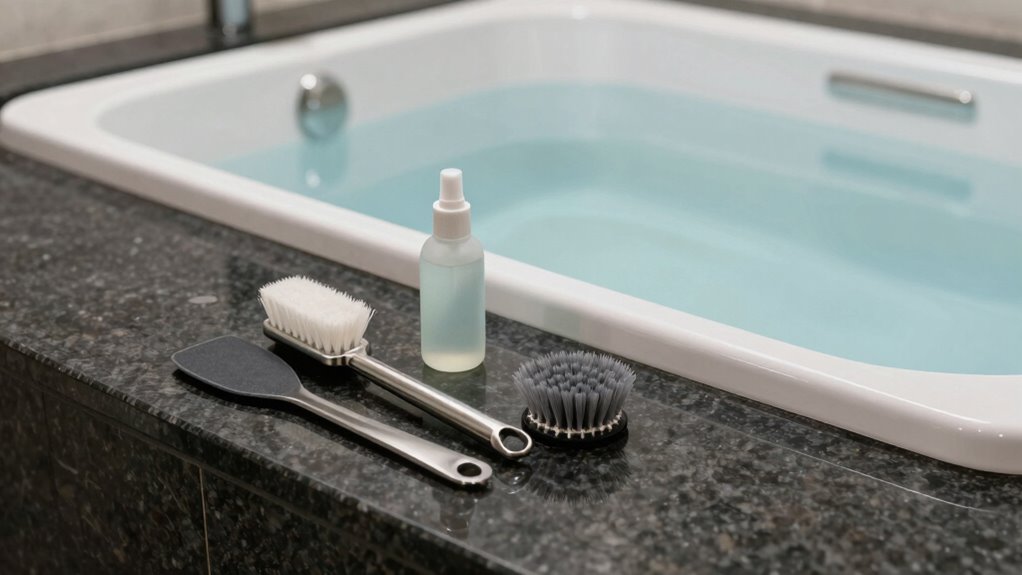
To keep your cold plunge water clear and free of algae, it’s essential to control nutrients and exposure to sunlight. Regular water circulation helps distribute sanitizers evenly and prevents stagnation, reducing algae growth. Additionally, using algae prevention products can inhibit algae spores from thriving. Keep the water covered when not in use to block sunlight, which fuels algae growth. Proper filtration also plays a key role in maintaining clarity. Incorporating water chemistry management practices further enhances water quality and prevents algae buildup, especially when integrated with smart home automation systems that monitor water parameters remotely. Understanding aquatic microbial processes can provide deeper insight into maintaining a healthy water environment.
Common Mistakes When Cleaning Your Cold Plunge: and How to Avoid Them

One common mistake is skipping thorough cleaning sessions, which allows dirt, oils, and algae spores to accumulate and become harder to remove later. When you neglect proper cleaning, harmful chemical reactions can occur due to residue buildup, affecting water quality. Additionally, ignoring water temperature’s role can hinder sanitation efforts, leading to stubborn bacteria. To avoid this, watch out for these pitfalls:
- Using harsh chemicals without rinsing properly, which can cause dangerous reactions.
- Cleaning too infrequently, giving algae spores time to multiply and become resistant.
- Failing to monitor and adjust water temperature during cleaning, decreasing effectiveness against contaminants.
How Often Should You Clean Your Cold Plunge?
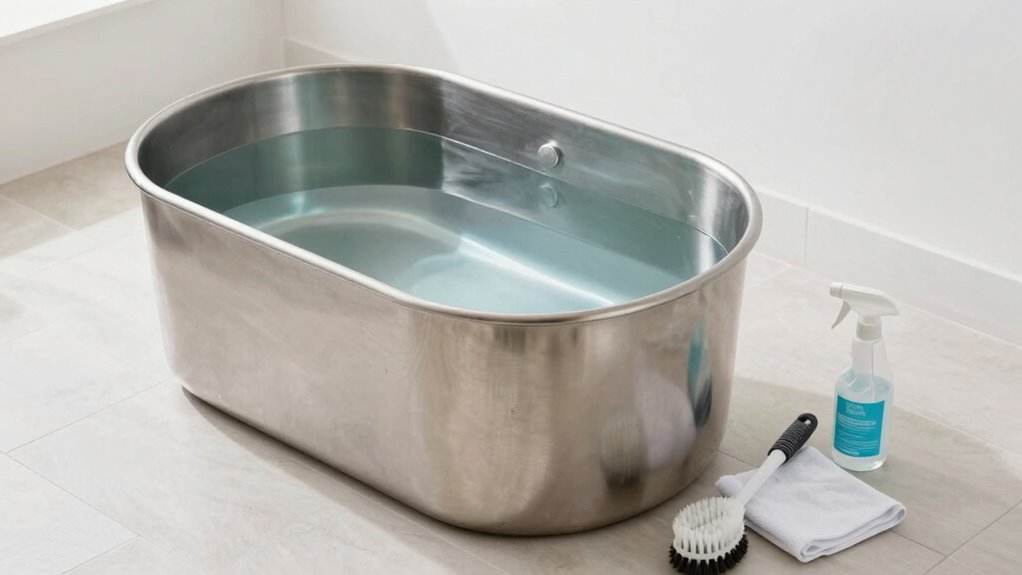
How often you should clean your cold plunge depends on how frequently you use it and the number of users. Establishing a regular maintenance schedule guarantees your water stays clean and safe. Typically, you should drain and clean the plunge weekly if used daily, especially with multiple users. Regular water testing helps monitor pH levels and sanitizer effectiveness, indicating when additional cleaning or chemical adjustments are needed. For less frequent use, cleaning can be spaced out accordingly, but never neglect routine maintenance. Keeping the water balanced and free of contaminants minimizes buildup and extends the life of your plunge. Incorporating proper filter maintenance is essential for ensuring water quality and preventing bacterial growth. Consistent cleaning and water testing are key to maintaining a hygienic, inviting cold plunge environment. Additionally, understanding how your kitchen tools work can help ensure proper maintenance and avoid common mistakes that could compromise the cleanliness or safety of your cold plunge. Staying informed about indoor air quality principles and practices can also help you maintain a healthier environment around your setup. Regularly inspecting and replacing filters and sanitizers is another crucial step to prevent bacterial growth and ensure optimal water quality. Moreover, using appropriate cleaning supplies designed specifically for cold plunge systems can enhance the effectiveness and safety of your maintenance routine.
Safety Tips for Handling Cleaning Chemicals and Equipment
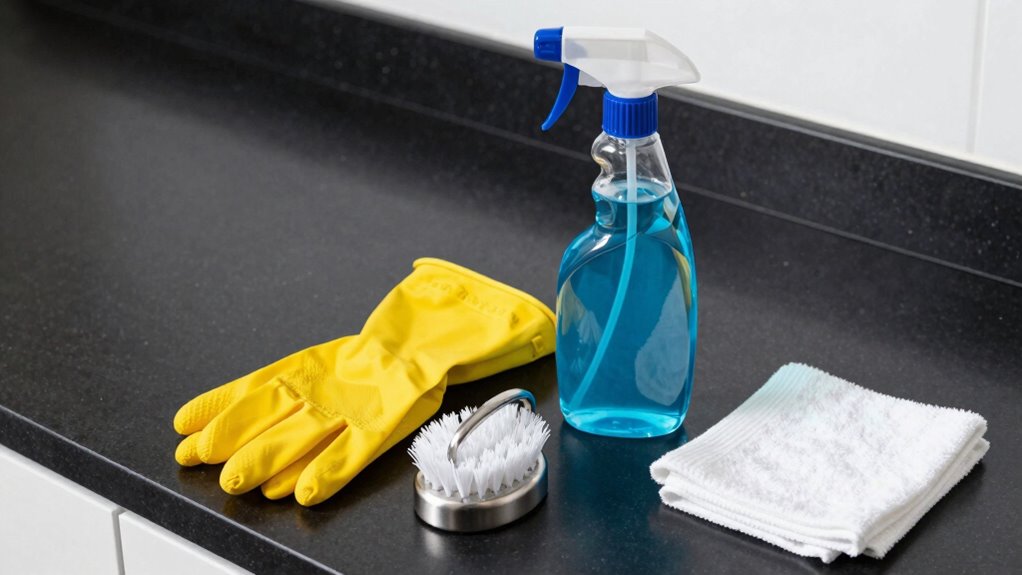
Handling cleaning chemicals and equipment safely is vital to prevent accidents and health hazards. Your safety depends on understanding chemical safety and always wearing protective gear.
Here are three essential tips:
- Wear protective gear like gloves, goggles, and masks to shield your skin, eyes, and respiratory system from harmful chemicals.
- Read labels carefully to understand proper usage, dilution, and first aid instructions for each cleaning product.
- Work in well-ventilated areas to avoid inhaling fumes, and never mix chemicals, as dangerous reactions can occur.
Taking these precautions ensures your safety. Prioritize chemical safety and use protective gear consistently, so your cleaning routine remains effective and risk-free.
Upgrading to Advanced Tools for Deep Cleaning Your Cold Plunge
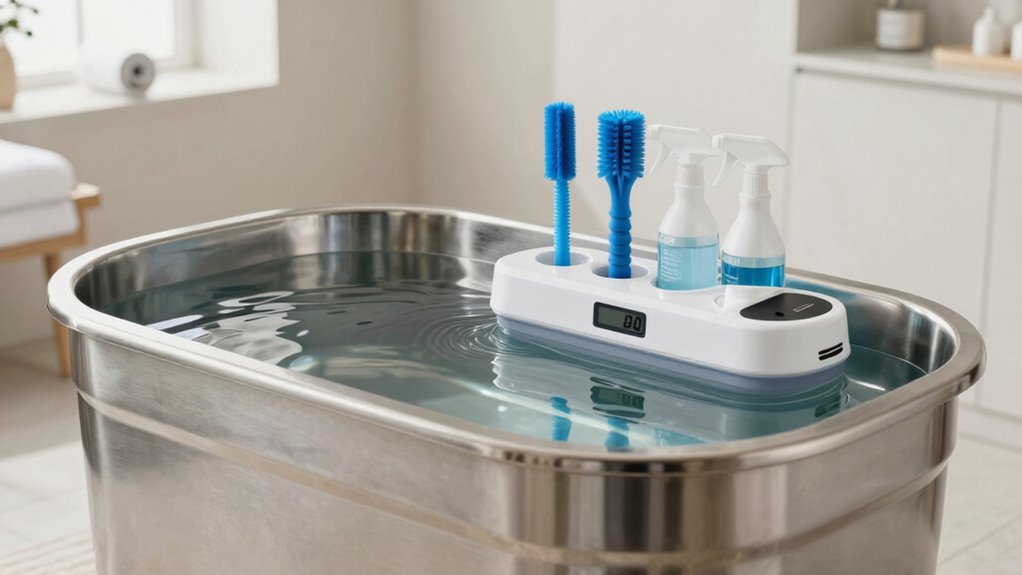
Upgrading to advanced tools can considerably enhance your deep cleaning routine, ensuring your cold plunge stays pristine and hygienic. These tools help you target hard-to-reach areas and efficiently remove buildup caused by chemical reactions, which can occur if water temperature fluctuates or cleaning isn’t thorough. For example, a high-powered ultrasonic cleaner can break down dirt and biofilms more effectively than manual scrubbing. An automated water tester can monitor water temperature and chemical levels, preventing conditions that encourage bacteria growth. Using these advanced tools not only saves time but also guarantees a deeper clean, maintaining the overall health of your cold plunge. Incorporating proper safety protocols when handling cleaning equipment is essential to prevent accidents and ensure effective sanitation. With the right equipment, you’ll keep your plunge safe, clean, and ready for use anytime.
Frequently Asked Questions
Can I Use Household Cleaning Products on My Cold Plunge?
You shouldn’t use household cleaners on your cold plunge because they can damage the surface or leave harmful residues. Instead, opt for cleaning products specifically designed for pools or cold plunges. Maintain a regular cleaning frequency—ideally weekly—to keep the water fresh and safe. Always follow the manufacturer’s instructions for cleaning and rinsing thoroughly afterward to prevent any chemical buildup or damage.
What Signs Indicate My Cold Plunge Needs Deep Cleaning?
Imagine your cold plunge as a clear lake, suddenly clouded by murky waters and a foul odor wafting like a warning signal. If you notice water discoloration or a strong, unpleasant smell, it’s time for a deep clean. These signs indicate buildup of bacteria, algae, or grime. Don’t ignore them—acting promptly keeps your plunge invigorating, safe, and inviting, ensuring every plunge feels like a revitalizing dip in pristine waters.
Are There Eco-Friendly Cleaning Options for Cold Plunge Maintenance?
Yes, you can choose eco-friendly cleaning options for your cold plunge. Use biodegradable cleaners that break down safely in the environment and natural disinfectants like vinegar or tea tree oil. These options effectively clean and disinfect without harsh chemicals, keeping your plunge safe and eco-conscious. Regularly using biodegradable cleaners and natural disinfectants helps maintain a healthy, sustainable cold plunge experience while protecting the planet.
How Do I Prevent Mold Buildup in My Cold Plunge?
To prevent mold buildup in your cold plunge, you should regularly maintain proper water filtration and keep the chemical balance in check. Make sure your filtration system runs efficiently, filtering out contaminants that promote mold growth. Test and adjust pH levels frequently, using eco-friendly treatments when possible, to maintain ideal chemical balance. This routine keeps the water clean, discourages mold, and prolongs the life of your plunge.
Is It Necessary to Drain the Water Before Cleaning?
Yes, you should drain the water before cleaning your cold plunge. Water drainage makes it easier to thoroughly scrub and disinfect all surfaces, ensuring no residue or mold remains. Depending on your cleaning frequency, draining the water regularly prevents buildup and keeps your plunge sanitary. Always drain the water, then use your cleaning toolkit to wipe down and disinfect, keeping your cold plunge fresh and ready for use.
Conclusion
Keeping your cold plunge clean is essential to enjoy its benefits and avoid unnecessary headaches. With the right tools, solutions, and regular maintenance, you’ll stay ahead of algae and grime. Don’t wait until things get out of hand—stay proactive and don’t cut corners. Remember, a clean cold plunge is a happy cold plunge, and most problems are avoidable if you’re willing to put in a little effort. Stay diligent, and you’ll keep your plunge pristine for years to come.