Total dissolved solids (TDS) are tiny particles like minerals, salts, and metals dissolved in water, making them invisible but impactful. High TDS can cause bad taste, metallic odors, or damage to appliances, and may pose health risks if contaminated. Monitoring TDS helps you understand water quality and decide if filtration is needed. To protect yourself, it’s important to stay aware of TDS levels—keep exploring for more insights on managing this hidden water issue.
Key Takeaways
- TDS measures inorganic and organic dissolved substances in water, impacting taste, health, and equipment.
- High TDS levels are often invisible but can cause metallic taste and appliance damage.
- Natural sources include minerals from soil and rock; human activities introduce contaminants raising TDS.
- TDS is typically tested with a simple handheld meter that provides immediate ppm readings.
- Maintaining safe TDS levels ensures water quality, health, and appliance longevity through regular monitoring and filtration.
Why High TDS Levels in Water Matter to You
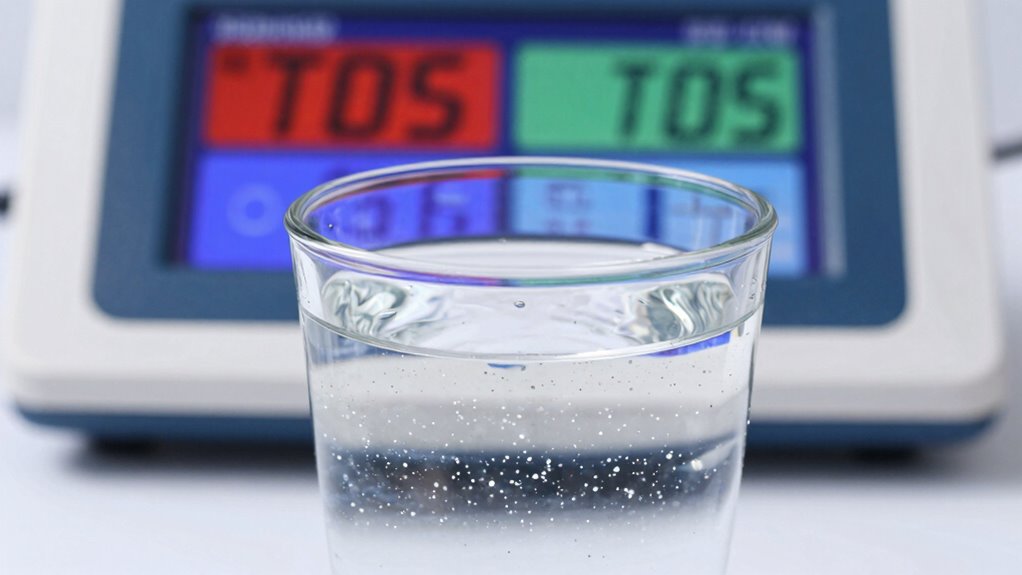
High TDS levels in water can profoundly impact your health, taste, and household appliances. The water’s mineral content directly influences its quality, and high TDS indicates a higher concentration of dissolved solids. These solids can include beneficial minerals like calcium and magnesium, but also harmful substances such as heavy metals or pollutants. Consuming water with elevated TDS levels may lead to health effects like gastrointestinal issues or long-term mineral buildup in your body. Additionally, high TDS can cause water to taste off-putting or metallic. It can also damage appliances like water heaters and dishwashers by causing mineral deposits, reducing their lifespan and efficiency. Recognizing why TDS matters helps you make informed choices to protect your health and household equipment. Understanding water filtration can help you manage TDS levels effectively, especially through techniques like reverse osmosis, which are highly effective at reducing dissolved solids. Being aware of your water’s TDS levels allows you to determine when filtration is necessary to maintain water quality and appliance longevity, and staying informed about water quality standards can guide you in selecting the right treatment methods.
What Are Total Dissolved Solids (TDS) and How Do They Affect Your Water
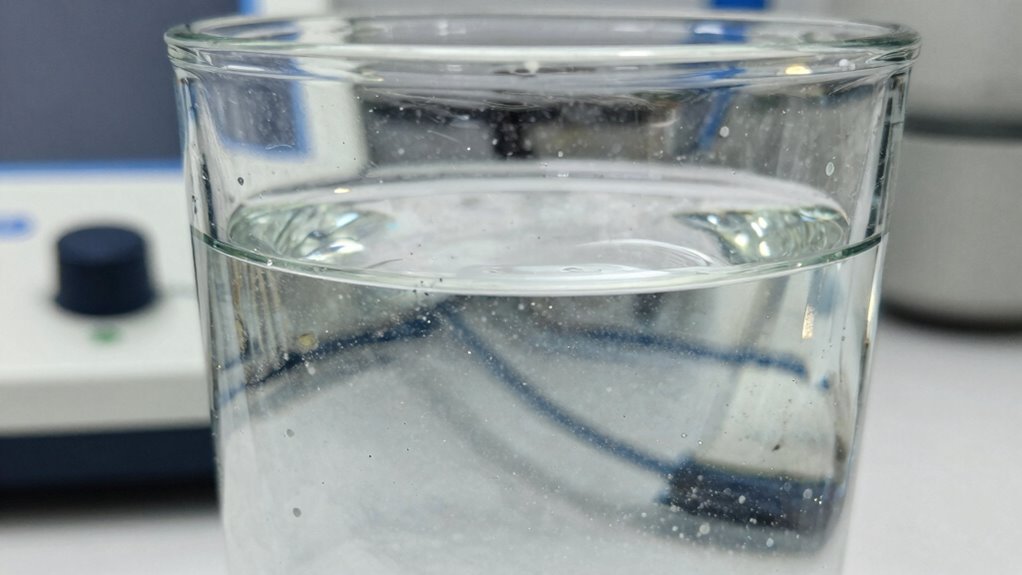
Total Dissolved Solids, or TDS, refer to the combined amount of inorganic and organic substances dissolved in your water. These substances—including minerals, salts, and metals—directly impact your water quality. When you perform a TDS measurement, you’re evaluating how much of these dissolved substances are present. High TDS levels can alter the taste, odor, and appearance of your water and may indicate the presence of contaminants. Conversely, low TDS levels often mean your water is purer, but some minerals are essential for health. Understanding what TDS is helps you gauge your water’s overall quality and decide if treatment or filtration is necessary. Monitoring TDS provides insight into the “invisible” qualities of your water that can affect your health and plumbing system. Modern water analysis techniques can help provide a more comprehensive understanding of your water’s composition beyond just TDS levels.
Where Does TDS Come From in Tap Water? Common Sources Explained

Many of the substances that contribute to TDS in tap water originate from natural sources and human activities. The water mineral content comes from minerals dissolved as water passes through soil and rock layers, which varies depending on local geology. Common tap water sources, like rivers, lakes, and aquifers, naturally contain minerals such as calcium, magnesium, and sodium, adding to TDS levels. Human activities, including agriculture, industry, and water treatment processes, also introduce substances like chlorides, nitrates, and metals. These contaminants dissolve into the water, increasing TDS. Additionally, water testing methods are used to accurately measure TDS levels and assess water quality. Understanding where TDS comes from helps you recognize that both natural mineral content and pollution from human activities influence your tap water’s quality and composition. Awareness of geological factors can also help predict TDS variations based on your location. Variations in water flow and source can further impact TDS concentrations in different regions, since natural mineral levels are affected by geological conditions and water movement. Moreover, seasonal changes can cause fluctuations in TDS levels, highlighting the importance of regular testing.
How Can You Test Your Water’s TDS Levels? A Simple Guide
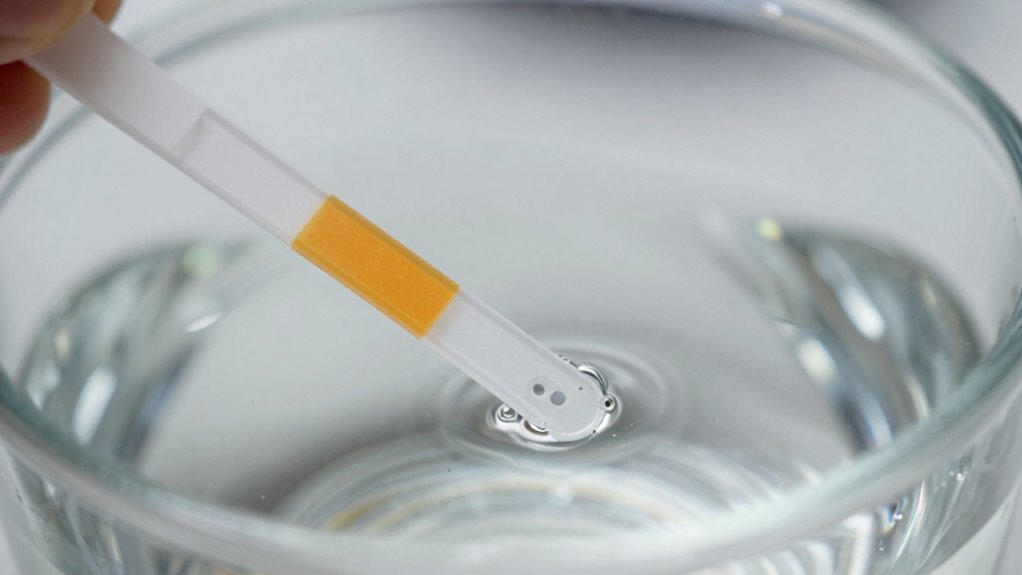
Testing your water’s TDS levels is quick and straightforward with the right equipment. The most common method involves using a TDS meter, a handy device designed for water testing. To get an accurate reading, simply turn on the TDS meter and dip the probe into a sample of your tap water. Wait a few seconds for the display to stabilize, then read the TDS level, usually shown in parts per million (ppm). TDS meters are affordable, easy to use, and provide instant results, making them ideal for regular water testing at home. This simple process helps you monitor your water quality and determine if your TDS levels are within safe ranges. Proper calibration of your TDS meter is essential for maintaining accurate readings. Additionally, regular maintenance of the device ensures consistent accuracy over time. Just remember to clean the probe after each use to guarantee accurate readings.
What Are Safe TDS Levels in Drinking Water? Water Quality Standards You Should Know
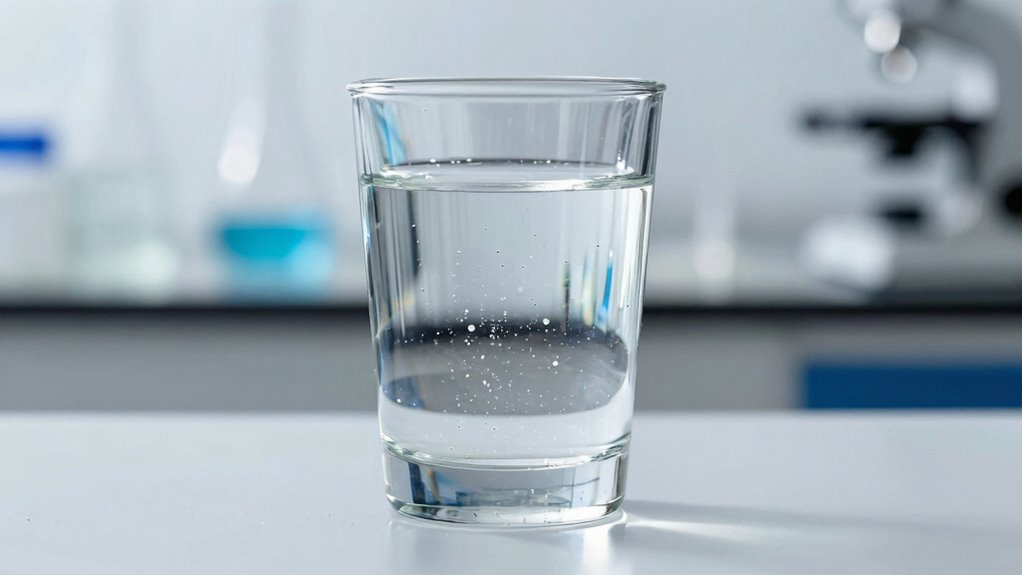
Understanding safe TDS levels in drinking water is essential for ensuring your water is healthy and palatable. Generally, a TDS level between 50 and 1500 ppm is considered acceptable, depending on local standards. Ideal water maintains a proper pH balance, usually between 6.5 and 8.5, which supports safe mineral content and prevents corrosion. Low TDS water might lack essential minerals, while high TDS water could contain harmful substances. Water quality standards set by agencies like the EPA recommend a maximum TDS of 500 ppm for drinking water, ensuring taste, safety, and health. Monitoring TDS helps you maintain a balanced mineral content and pH, safeguarding your water’s quality and making sure it’s safe for everyday use. Regular testing and filtration can help maintain optimal Water quality standards and protect your health, especially as mineral content can be affected by various environmental factors. Being aware of TDS fluctuations can also help identify potential contamination sources early. Additionally, understanding how different water treatment methods influence TDS levels can help you choose the most effective filtration system for your needs. Furthermore, keeping an eye on environmental influences can help prevent unexpected changes in water quality over time.
What Are the Health Risks of High TDS in Your Water?
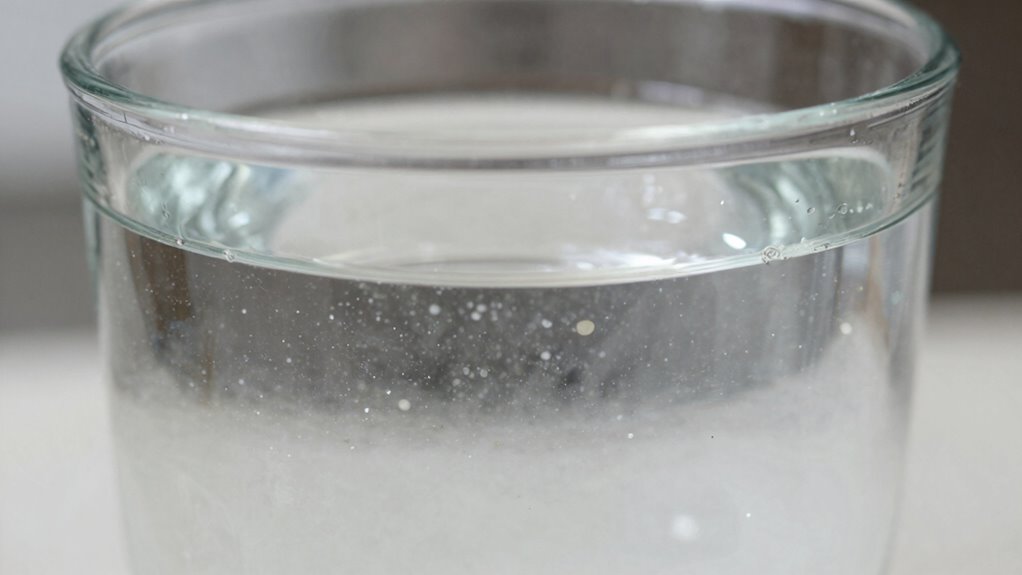
High TDS levels in your water can pose several health risks, especially when the dissolved solids include harmful substances or exceed safe concentration limits. Consuming water with elevated TDS may expose you to waterborne toxins that impact your health. These toxins can cause gastrointestinal issues, kidney problems, or long-term health concerns. Additionally, high TDS can interfere with your mineral health, leading to imbalances in essential minerals like calcium and magnesium. Visualize drinking water that contains:
- Unpleasant tastes or odors
- Excessive mineral deposits on fixtures
- Cloudiness or discoloration
- Potential buildup of harmful chemicals
These signs often indicate elevated TDS levels, which could threaten your health and comfort. Staying aware of water quality helps you avoid risks associated with contaminated or overly mineralized water sources. Water purification methods can effectively reduce TDS levels and improve overall water safety. Regularly monitoring water quality indicators is essential to maintain safe drinking water and prevent health issues linked to high dissolved solids.
How Can You Reduce TDS in Your Water? Effective Solutions
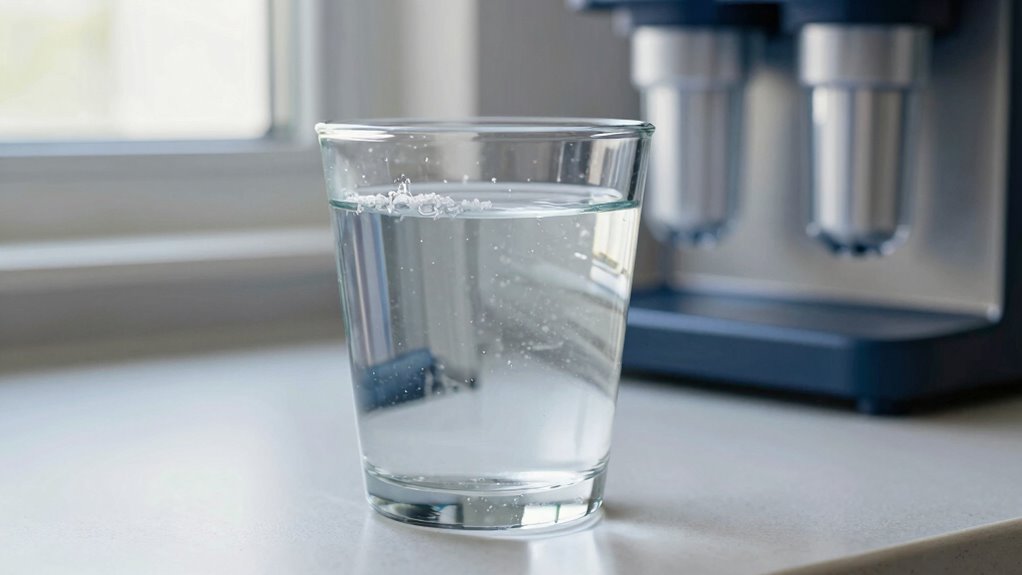
To lower TDS levels in your water, installing a quality water filtration system is a great first step. You should also regularly test your water to monitor TDS levels and determine if additional treatment is needed. Using reverse osmosis units can effectively remove dissolved solids and improve water quality. Additionally, filter maintenance is essential to ensure ongoing efficiency and performance of your filtration system. Proper system installation can also help prevent contamination and maintain optimal operation. Ensuring proper system setup can maximize the lifespan and effectiveness of your water treatment devices.
Install Water Filtration Systems
Installing a water filtration system is one of the most effective ways to reduce TDS levels in your water. These systems target dissolved solids, improving water quality and taste. When choosing a filter, imagine:
- Water softening to reduce mineral content that causes hardness and scale buildup
- Reverse osmosis to remove a wide range of dissolved solids, including salts and metals
- Carbon filters to cut down on organic compounds and improve flavor
- UV sterilizers to eliminate bacteria and viruses, ensuring safe drinking water
Regular Water Testing
Regular water testing is a vital step in managing TDS levels effectively. By regularly testing your water, you can monitor the concentration of dissolved solids and identify when TDS levels rise beyond safe or desirable limits. Water testing involves collecting a sample and analyzing it with a TDS meter or sending it to a lab for detailed analysis. Keeping track of these levels helps you determine whether your current filtration or treatment methods are working or if adjustments are needed. Consistent testing also alerts you to potential contamination or changes in your water source. By staying proactive with water testing, you can better understand your water quality, guarantee safety, and implement targeted solutions to reduce TDS in your water.
Use Reverse Osmosis Units
When you want an effective way to lower TDS levels, using a reverse osmosis (RO) unit is one of the best options available. RO systems work through water purification by forcing water through a semi-permeable membrane, trapping dissolved solids and contaminants. This process considerably reduces TDS measurement, leaving you with cleaner, better-tasting water. Imagine a compact device installed under your sink, quietly functioning as you go about your day. Visualize the purified water flowing into your glass, free from the invisible impurities. With an RO unit, you can:
- Remove salts and minerals
- Eliminate chemicals and pollutants
- Improve water clarity and taste
- Ensure safer drinking water at home
This straightforward solution provides reliable TDS reduction, ensuring your water is healthier and more enjoyable.
Which Water Filtration Systems Are Best for TDS Removal? Choosing the Right One
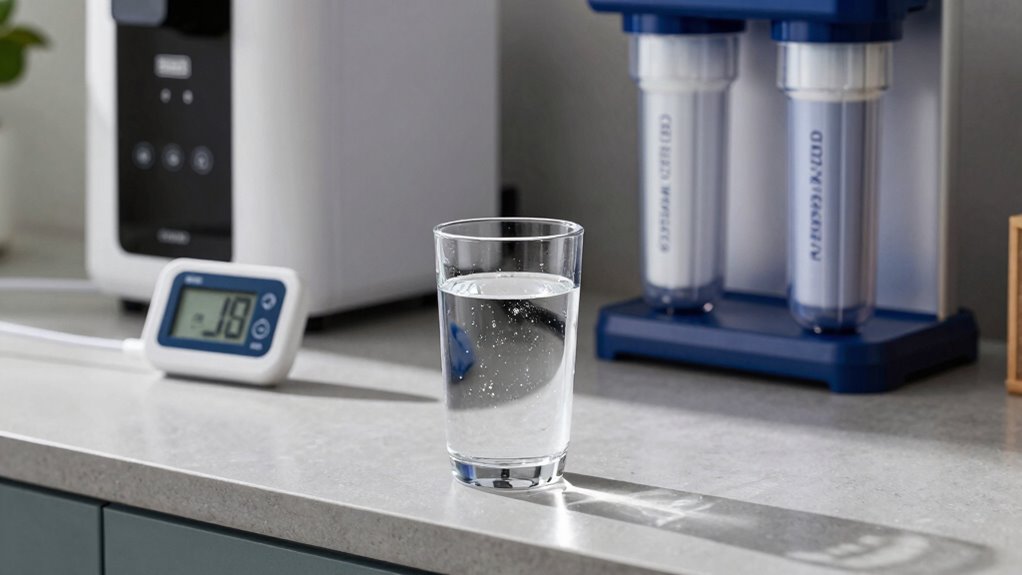
Choosing the right water filtration system for TDS removal depends on your specific needs and water quality. If your water has a high mineral content that affects water taste, a reverse osmosis system is highly effective, reducing TDS considerably. For maintaining beneficial minerals while lowering TDS, consider mineral reduction filters or specialty cartridge filters. Activated carbon filters can also help improve water taste by removing chlorine and organics, but they aren’t as effective at TDS removal alone. If your goal is to balance TDS reduction with preserving minerals, a multi-stage filtration system combining different technologies might be best. Always evaluate your water’s TDS levels and mineral content first to choose a system that aligns with your taste preferences and health considerations.
How to Monitor and Keep Your Water TDS Levels Safe Over Time
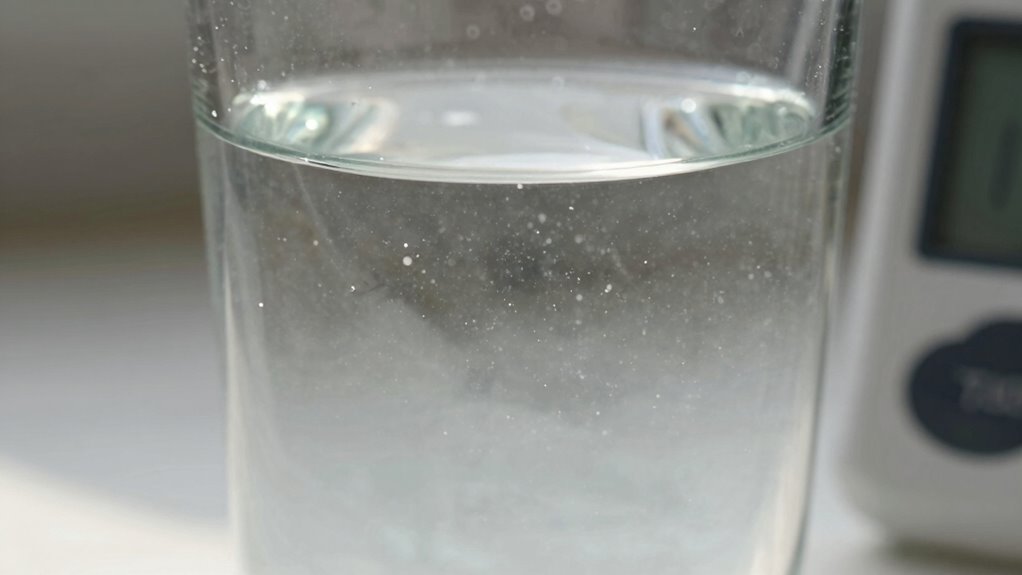
Monitoring your water’s TDS levels over time is essential to guarantee it remains safe and tastes good. Regular testing helps you catch fluctuations early and maintain a healthy water supply. Use a TDS meter to check levels periodically, especially after changes in your water source or filtration system. To keep TDS within safe limits, focus on water conservation techniques that reduce mineral buildup. Assure proper pH balancing, since pH imbalances can influence TDS readings and water quality.
Regular TDS monitoring ensures safe, great-tasting water and early detection of fluctuations.
Imagine:
- Using a digital meter that gives instant readings
- Adjusting your filtration system when TDS spikes
- Regularly cleaning and maintaining your water filter
- Incorporating pH balancing solutions to stabilize your water’s chemistry
Frequently Asked Questions
Can TDS Levels Affect the Taste of Your Drinking Water?
Yes, TDS levels can affect the taste of your drinking water. Higher TDS indicates increased mineral content, which can lead to a noticeable taste impact, making water taste salty, metallic, or bitter. When TDS levels are too low, water may taste flat or bland. Monitoring TDS helps you maintain a balanced mineral content, ensuring your water tastes fresh and pleasant.
Are There Any Health Benefits Associated With High TDS Levels?
High TDS levels act like a mineral-rich oasis, offering some health perks. You might experience better mineral absorption and enhanced hydration effects, helping your body efficiently utilize essential nutrients. These minerals can support bone health, improve electrolyte balance, and boost overall wellness. However, it’s important to remember that excessively high TDS can also introduce contaminants. So, while some benefits exist, moderation and water quality matter for your health.
How Often Should I Test My Water’s TDS Levels?
You should test your water’s TDS levels at least once every three to six months. Establish a consistent TDS monitoring schedule to guarantee your water remains safe and clean. Factors like your water source, recent plumbing changes, or detected changes in taste or appearance may require more frequent testing. Regular water testing helps catch problems early and maintain ideal water quality for your household.
Does Boiling Water Reduce TDS Content?
Boiling water doesn’t magically wipe out TDS; it’s like trying to catch a shadow with a net. While boiling can reduce bacteria and some impurities, it doesn’t effectively remove TDS content—those dissolved minerals and salts. For proper TDS removal, you need water filtration systems designed for that purpose. Rely on filtration rather than boiling if you want to lower TDS levels and improve your water quality.
Are Natural Water Sources Generally Higher or Lower in TDS?
You’ll find that natural water sources generally have higher TDS levels due to water mineralization, which varies with source variability. Mountain streams tend to have lower TDS because they’re less mineralized, while groundwater or well water often has higher TDS because of the minerals it picks up from surrounding rocks. So, depending on where your water comes from, its TDS content can differ markedly, reflecting natural mineralization and source variability.
Conclusion
Now that you know what TDS is and how it impacts your water, the next step is vital. Will your tap water stay safe and clean, or could hidden risks be lurking? Staying vigilant and choosing the right filtration system might just be the key to peace of mind. Don’t wait until it’s too late—your water’s health depends on it. Are you ready to take control before the problem becomes invisible?