Filtration helps by removing harmful contaminants from your water, making it safer for drinking, cooking, and cleaning. However, it can’t eliminate germs on your skin, surfaces, or utensils. Good hygiene habits like handwashing and cleaning surfaces are essential to prevent the spread of bacteria and viruses. Relying on filtration alone leaves gaps in your protection. To stay truly safe, combining filtration with proper hygiene is key—there’s more to take into account that can boost your overall health.
Key Takeaways
- Filtration removes many contaminants but cannot eliminate germs on skin or surfaces, requiring hygiene practices.
- Good hygiene directly targets bacteria and viruses on hands and objects, which filtration cannot reach.
- Relying solely on filtration creates a false sense of security, neglecting germ transfer through contact.
- Hygiene routines like handwashing are essential to prevent germ spread despite water purification.
- Combining filtration with regular cleaning offers comprehensive protection against water and surface-borne germs.
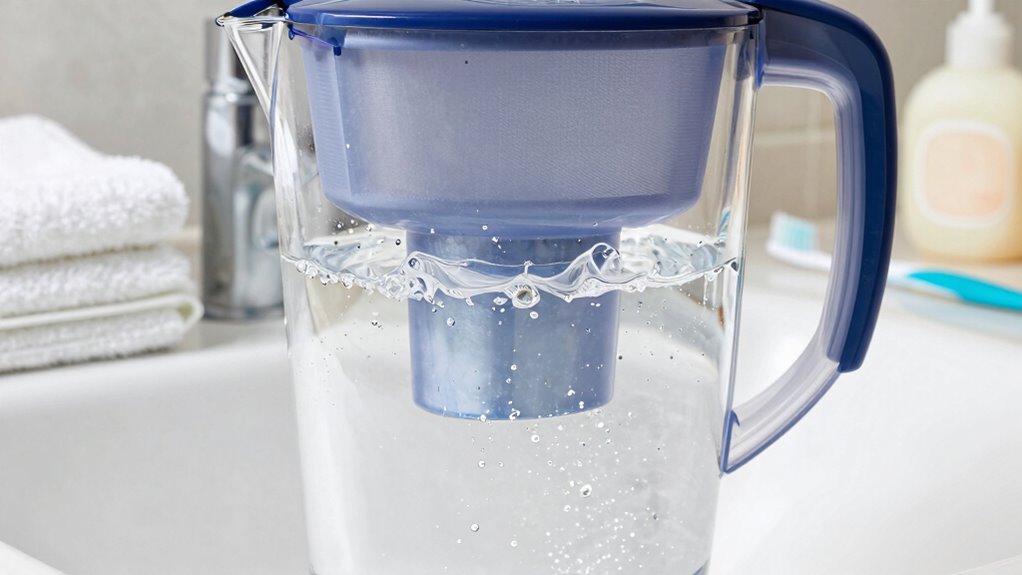
Maintaining good filtration and hygiene habits is essential for staying healthy and preventing the spread of germs. When it comes to water, ensuring its purity is a critical step in safeguarding your health. Proper filtration removes contaminants and bacteria that can cause illness, making the water you drink safer. But while filtration plays a vital role in maintaining water purity, it’s not a substitute for good hygiene practices. You still need to wash your hands regularly, keep surfaces clean, and practice safe food handling to truly minimize germ transmission.
Good filtration is essential, but hygiene habits are vital for truly preventing germ spread and staying healthy.
Water filtration systems can significantly reduce the presence of harmful pathogens, chemicals, and sediments. This helps prevent waterborne illnesses and promotes germ prevention. When you use filtered water for drinking, cooking, or brushing your teeth, you lower your risk of ingesting dangerous microbes. It’s an effective barrier against many common contaminants that might be lurking in tap water, especially if your local water supply isn’t pristine. However, filtration alone doesn’t address germs that are on your skin, in your environment, or on your utensils. That’s where hygiene habits come into play.
Good hygiene habits, like thorough handwashing with soap and water, are proven to prevent the spread of germs. These habits are essential because they directly target bacteria and viruses on your skin and surfaces you touch daily. Even the best filtration systems can’t eliminate germs that are already on your hands or on surfaces that aren’t cleaned regularly. When you wash your hands properly, you remove germs that could otherwise be transferred to your mouth, eyes, or food, reducing your chances of falling ill. Similarly, disinfecting countertops, utensils, and other frequently touched objects minimizes the risk of cross-contamination. Proper handwashing techniques are an example of a simple yet effective hygiene practice that significantly reduces germ transmission.
While filtration improves water quality and reduces exposure to waterborne pathogens, it can’t reach every germ present on your skin or environment. That’s why hygiene practices are indispensable. They serve as the frontline defense against germs that can cause infections. Relying solely on filtration might give you a false sense of security, leading you to overlook basic hygiene routines. Incorporating hygiene practices such as regular cleaning of surfaces and personal hygiene routines is crucial for a comprehensive approach to health. Combining water filtration with diligent hygiene habits creates a comprehensive approach to health. It’s about complementing technology with personal responsibility.
In essence, filtration helps improve water purity and provides a significant layer of germ prevention. But without good hygiene habits, germs can still spread through contact, surfaces, or food. The two work hand in hand, making it clear that filtration is an important tool, but it will never fully replace the need for consistent, good hygiene practices. To stay healthy, you need to embrace both—trust in the technology and commit to routine cleanliness. Additionally, understanding the role of filtration in overall health can help you better appreciate how it supports, but does not replace, personal hygiene.

PURELL ES1 Hand Sanitizer Dispenser Starter Kit, Push-Style Dispenser with PURELL Advanced Hand Sanitizer Gel, 450 mL Refill (Pack of 1) – 4424-D6
Compact size and multiple mounting options give maximum flexibility of placement so you can install in locations with…
As an affiliate, we earn on qualifying purchases.
As an affiliate, we earn on qualifying purchases.
Frequently Asked Questions
Can Filtration Remove All Types of Germs and Bacteria?
Filtration can’t remove all types of germs and bacteria because some microbes have microbial resistance or are too tiny for standard filters. You need to take into account filter longevity, as filters can degrade over time and become less effective. While filtration considerably reduces many harmful organisms, it’s vital to combine it with good hygiene habits to provide thorough protection. Relying solely on filters isn’t enough for complete germ elimination.
How Often Should Filters Be Replaced for Optimal Hygiene?
You should replace filters according to the manufacturer’s recommended replacement schedule, usually every 3 to 6 months, but this varies with use and water quality. Some might worry about the cost, but proper filter maintenance guarantees ideal hygiene and prevents bacteria buildup. Regular replacement keeps your system working efficiently, reduces health risks, and extends the life of your filtration system. Don’t ignore this schedule for the best protection.
Are There Specific Hygiene Practices Recommended Alongside Filtration?
You should practice regular hygiene habits like handwashing and cleaning surfaces alongside filtration to make certain water quality stays high. While filtration reduces contaminants, it’s a myth that it alone guarantees safe water. Relying only on filters can overlook bacteria or viruses. Combining good hygiene practices with filtration addresses potential risks and guarantees your water stays clean and safe, dispelling common filtration myths and promoting overall health.
Does Filtration Work Equally Well in All Water Sources?
Filtration doesn’t work equally well in all water sources because water source variations affect its effectiveness. For example, heavily contaminated or muddy water can overwhelm filters, exposing their limitations. While filtration considerably improves water quality, it can’t eliminate all pathogens or pollutants in every situation. Consequently, understanding filtration limitations helps you choose the right system and combine it with good hygiene practices for truly safe water.
Can Filtration Prevent All Waterborne Illnesses?
Filtration can’t prevent all waterborne illnesses because of filter limitations, especially when contaminants are too small or spread throughout the water. While filtration improves water purity considerably, it might miss viruses or chemicals. To stay safe, you need to combine filtration with good hygiene habits, like boiling or using additional purification methods, ensuring you effectively protect yourself from illnesses and maintain safe, clean water.

Brita Large Water Filter Pitcher for Tap and Drinking Water, Includes 1 Standard Filter, BPA-Free, Lasts Two Months, 10-Cup Capacity, Bright White
The BPA-free Everyday water pitcher with filter holds 10 cups of water, enough to fill 3 24-ounce reusable…
As an affiliate, we earn on qualifying purchases.
As an affiliate, we earn on qualifying purchases.
Conclusion
Remember, filtration acts like a sturdy shield, catching many impurities before they reach you. But it’s no magic wand—your good hygiene habits are the steady compass guiding you toward health. Think of filtration as the safety net beneath a tightrope walker; it helps, but your balance and care keep you on the path. By combining both, you create a fortress that’s tough to breach, ensuring you stay healthier and happier every day.

Lysol All Purpose Cleaner Spray, Multi-Purpose Disinfecting Spray, Kitchen & Bathroom Cleaner, Lemon Breeze Scent, 32 Fl Oz
ALL PURPOSE CLEANER KILLS 99.9% OF VIRUSES and BACTERIA: Lysol All Purpose disinfectant spray kills 99.9% of viruses…
As an affiliate, we earn on qualifying purchases.
As an affiliate, we earn on qualifying purchases.
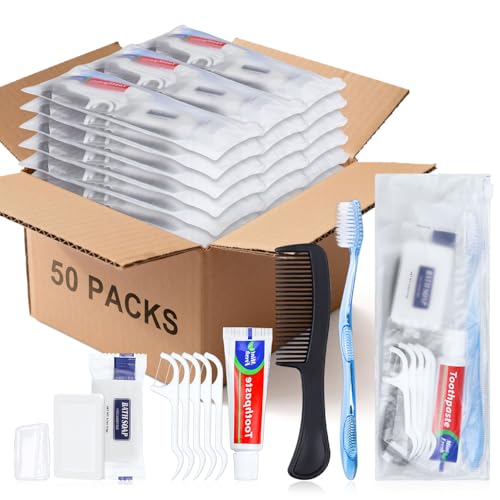
HQSLsund 50 Sets Personal Hygiene Kit Basic Toiletry Kits Homeless Supplies Bulk for Women,Men,Travel,Charity,Business Include 50 Toothbrush, 50 Toothpaste, 50 Comb, 50 Bath Soap and 250 Floss Picks
Comprehensive Hygiene Kits. 7-IN-1 HQSLsund travel toiletry kit is available in 50 sets that include 50 soap(14g/0.5oz), 50…
As an affiliate, we earn on qualifying purchases.
As an affiliate, we earn on qualifying purchases.