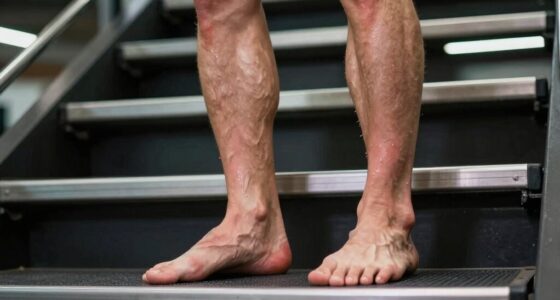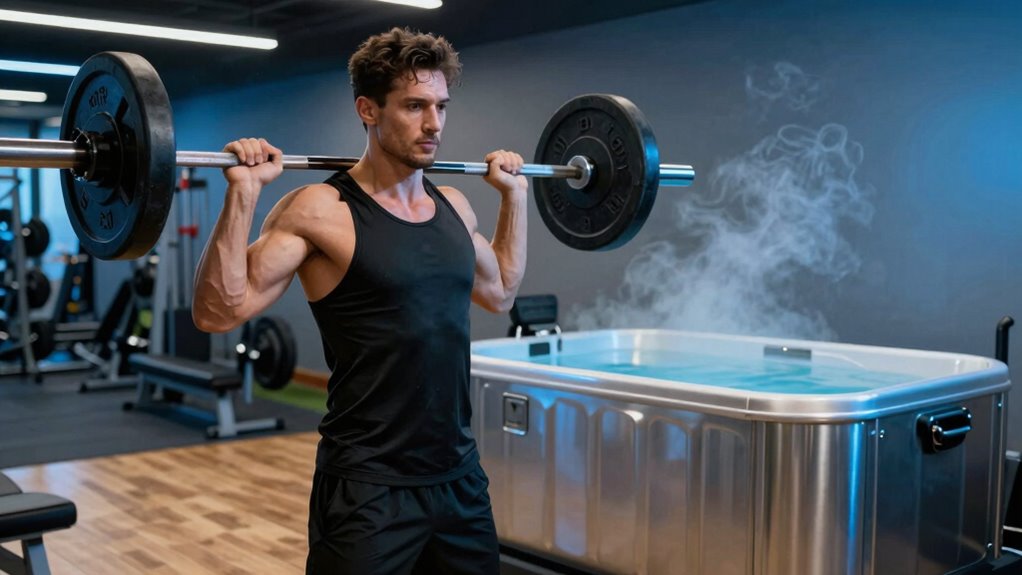
Using cold plunges after strength training can help reduce soreness, improve recovery, and boost mental resilience when timed properly, ideally after the initial recovery window (about 30 minutes post-workout). However, too much cold exposure or doing it immediately after lifting can blunt inflammation signals needed for muscle growth, potentially hindering gains. Balancing cold therapy with your goals is key—continue to explore how to optimize your recovery routine for better results.
Key Takeaways
- Cold plunges can reduce soreness and inflammation post-workout, aiding recovery when used after intense strength training.
- Use cold therapy at least 30 minutes post-exercise to avoid blunting muscle growth signals and hypertrophy.
- Avoid cold plunges immediately after lifting if aiming for maximal muscle gains, as excessive cold may impair recovery signals.
- Moderate cold exposure enhances mental resilience and focus, supporting overall training consistency and endurance.
- Overuse or very cold, immediate post-exercise plunges may hinder muscle growth and recovery, so timing and duration are crucial.

Bubplay Ice Bath Cold Plunge Tub with Cover for Indoor Outdoor for Recovery, Cold Water Therapy, Athletes & Adults -105 Gallons, Black, XL
- Full-Body Cold Plunge: Roomy for most adults up to 6'7"
- Enhanced Insulation: 6-layer insulation with durable outer fabric
- Easy to Clean: Smooth inner liner for quick wiping
As an affiliate, we earn on qualifying purchases.
As an affiliate, we earn on qualifying purchases.
How Cold Plunges Affect Muscle Recovery and Performance
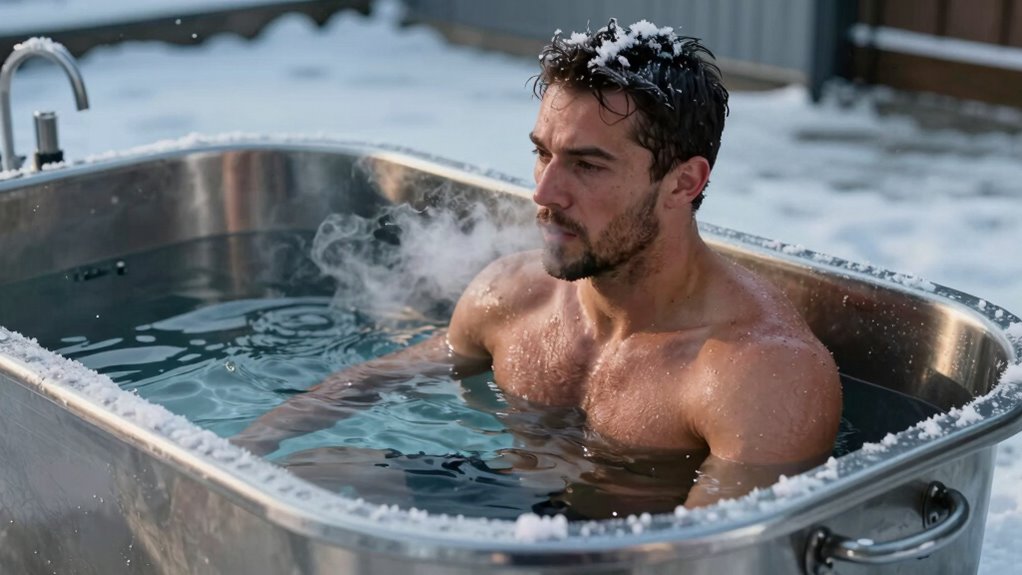
Cold plunges can markedly influence muscle recovery and performance by reducing inflammation and easing soreness after intense workouts. This quick cooling helps limit swelling and tissue damage, which can support muscle hypertrophy by preventing excessive breakdown. Additionally, cold exposure impacts hormonal response, potentially lowering cortisol levels and encouraging the release of hormones like norepinephrine, which can enhance focus and energy. These hormonal shifts may improve your ability to recover faster and train more effectively. However, the effects on muscle growth aren’t entirely straightforward; some research suggests cold therapy might blunt the inflammation necessary for hypertrophy if used excessively. Overall, cold plunges can be a valuable recovery tool when used thoughtfully, optimizing inflammation control and hormonal balance to support your performance goals.

Cold Therapy Machine for Shoulder with Programmable Timer, Portable Ice Machine for Shoulder After Surgery, Lightweight Replacement Recovery System, Cryotherapy Pain Relief w/Compression Pad
- Targeted Cold Therapy: Provides continuous pain relief and reduces swelling
- Programmable Timer: 3 timer settings: 10, 20, 30 minutes
- Adjustable Flow Rates: Low, medium, high flow options
As an affiliate, we earn on qualifying purchases.
As an affiliate, we earn on qualifying purchases.
When Is the Best Time to Use Cold Therapy After Lifting?
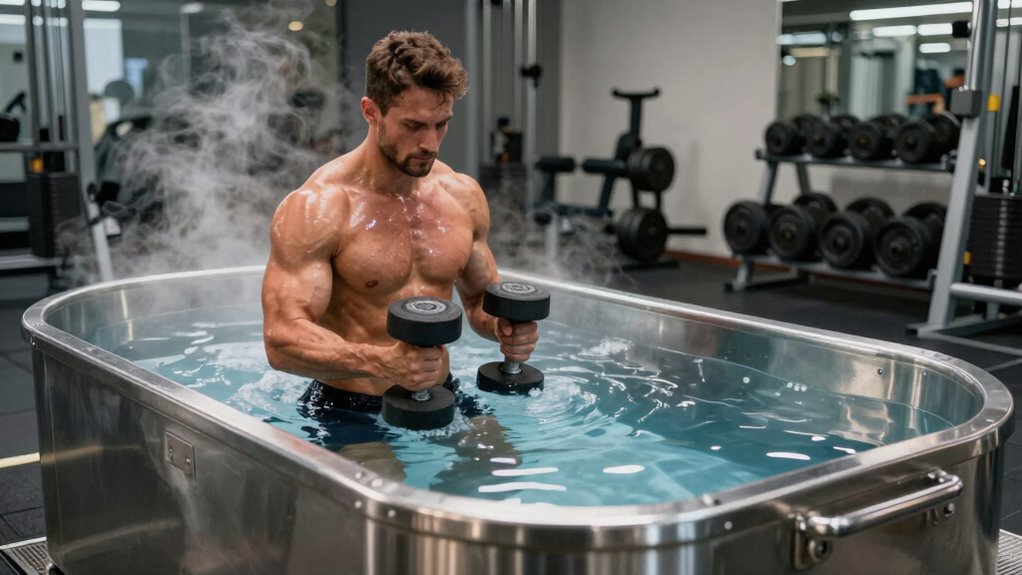
Timing is key when it comes to using cold therapy after lifting. Ideally, wait at least 30 minutes post workout before applying cold plunges. This allows your muscles to begin natural recovery processes and reduces the risk of hindering muscle growth. During this time, focus on post workout hydration to replenish fluids lost during exercise, which supports overall recovery. Cold therapy can help improve mental clarity by reducing fatigue and inflammation, but doing it too soon may blunt some of your body’s natural adaptive responses. If you choose to use a cold plunge, consider doing so after your initial recovery window. This way, you benefit from enhanced mental clarity and reduced soreness without compromising muscle repair. Additionally, understanding the role of contrast ratio can help you optimize your post-workout viewing environment for relaxation and recovery. Recognizing the importance of evidence-based insights ensures you make informed decisions about recovery methods. Incorporating proper timing strategies can maximize the benefits of cold therapy while supporting your overall training goals. Engaging in recovery techniques at the right time can further enhance your progress and prevent injury.
Bubplay Ice Bath Cold Plunge Tub with Cover for Indoor Outdoor for Recovery, Cold Water Therapy, Athletes & Adults -105 Gallons, Black, XL
- Full-Body Cold Plunge: Roomy for most adults up to 6'7"
- Enhanced Insulation: 6-layer insulation with durable outer fabric
- Easy to Clean: Smooth inner liner for quick wiping
As an affiliate, we earn on qualifying purchases.
As an affiliate, we earn on qualifying purchases.
Can Cold Plunges Help or Hurt Your Strength Gains?
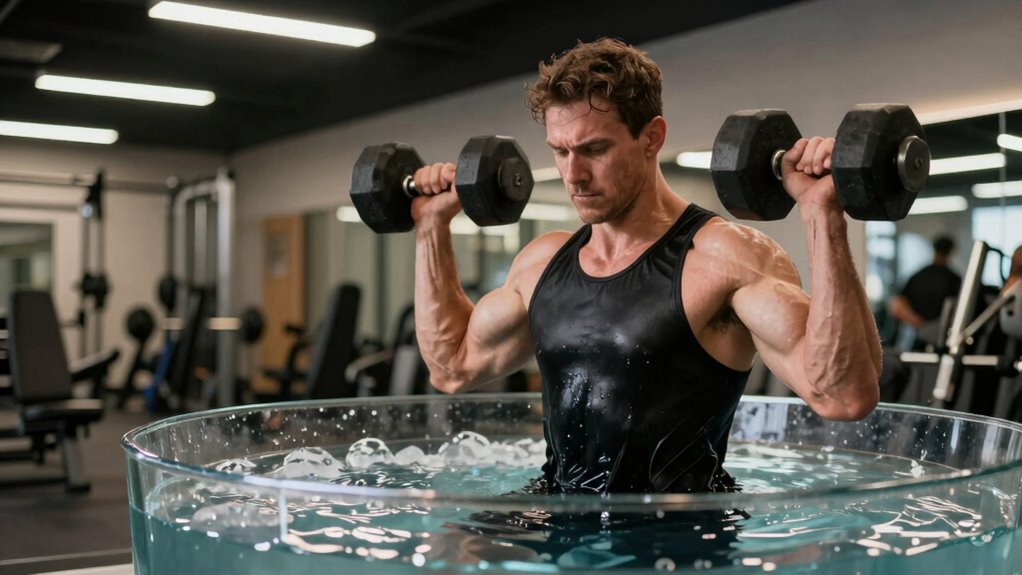
While cold plunges can reduce inflammation and soreness, they may also interfere with muscle adaptation and strength gains if used improperly. Cold exposure can blunt the body’s natural recovery signals, potentially slowing muscle growth. However, regular cold plunges can promote cold adaptation, helping your body better handle future stress and improve overall resilience. This adaptation process can enhance mental resilience, which may translate into better focus and perseverance during training. Additionally, understanding the physiological effects of cold therapy can help you tailor its use to support your specific recovery goals. Proper timing and consistent application are key to balancing recovery and progress. Incorporating recovery strategies that align with your training schedule can optimize results and prevent setbacks.

BAOSHISHAN Ice Bath Accessories Kit for Ice Bath Tub & Chiller Systems
- Compatible with Chiller & Ice Bath Tub: Seamless integration with BAOSHISHAN systems
- Complete Accessories Kit: Includes filter, connectors, pump, and hose
- Cost-Effective Bundle: Save 20% compared to buying separately
As an affiliate, we earn on qualifying purchases.
As an affiliate, we earn on qualifying purchases.
Practical Tips for Using Cold Plunges Safely After Workout
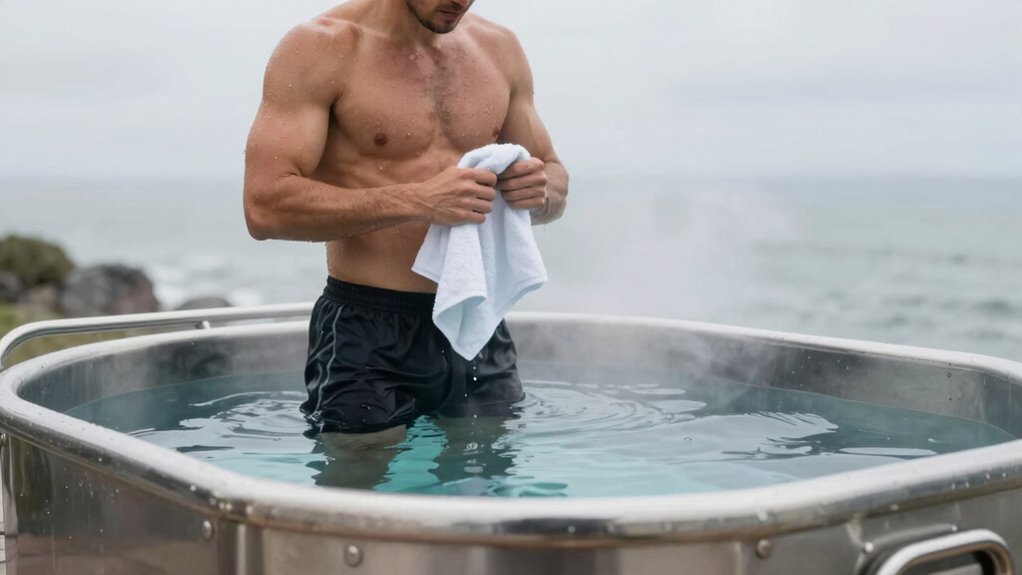
To use cold plunges safely after your workout, start with gradual exposure rather than plunging straight into cold water. Pay close attention to how your body responds, and don’t ignore signs of discomfort or numbness. By monitoring these responses, you can prevent potential risks and make the most of your recovery routine. Incorporating Free Floating principles can help you balance relaxation and recovery without overstressing your body. Additionally, understanding body response can guide you in adjusting the temperature and duration to suit your individual needs. Being aware of cold exposure safety measures ensures you optimize benefits while minimizing risks. Recognizing individual resilience can further help tailor your cold plunge practices to your specific health status and recovery goals. Monitoring piercing healing can also be relevant if you have body piercings, as cold exposure might affect the healing process or cause discomfort in sensitive areas.
Gradual Cold Exposure
Starting cold plunges gradually helps your body adapt safely and reduces the risk of cold shock or injury. To build mental resilience and avoid overwhelming your system, follow these steps:
- Begin with short durations, like 30 seconds, and slowly increase over days.
- Use slightly warmer water initially, then lower the temperature gradually.
- Focus on deep breathing to manage cold shock responses and stay calm.
- Listen to your body; if you feel dizzy or uncomfortable, exit immediately and reassess next time.
- Incorporate proper insulation and safety measures to ensure your cold plunge routine remains safe as you adapt. Additionally, understanding the health benefits of cold exposure can motivate consistent practice and help you tailor your approach effectively.
- Incorporating gradual exposure techniques supported by scientific research can enhance your adaptation process and maximize benefits while minimizing risks. Recognizing the importance of body response awareness can further improve your safety and effectiveness during cold exposure routines. Developing mindfulness skills can also help you stay present and calm during the process.
Monitor Body Responses
Monitoring your body’s responses during and after cold plunges is essential to guarantee safe and effective recovery. Pay attention to signs like changes in hydration status; if you feel dizzy, thirsty, or have dark urine, you might be dehydrated and need to rehydrate. Track your sleep quality, as a disrupted sleep pattern could indicate that cold exposure is overstressing your body. Notice how your muscles feel—persistent soreness or numbness can signal overexposure. Keep a journal of your responses to identify patterns and adjust cold plunge duration or temperature accordingly. For optimal safety, consider sound understanding of cold immersion effects to better interpret your body’s signals. Understanding body responses can help you recognize warning signs early. If you experience abnormal fatigue, confusion, or difficulty sleeping, stop cold plunges and consult a healthcare professional. Listening to your body helps optimize benefits while minimizing risks. Additionally, being aware of recovery indicators can aid in adjusting your cold exposure routine for better results. Recognizing physiological cues like skin coloration or heart rate changes can provide further insight into your body’s state during recovery. Developing a personalized approach based on your responses ensures safer and more effective cold plunge practices.
Signs That Cold Plunges Might Be Hindering Your Progress
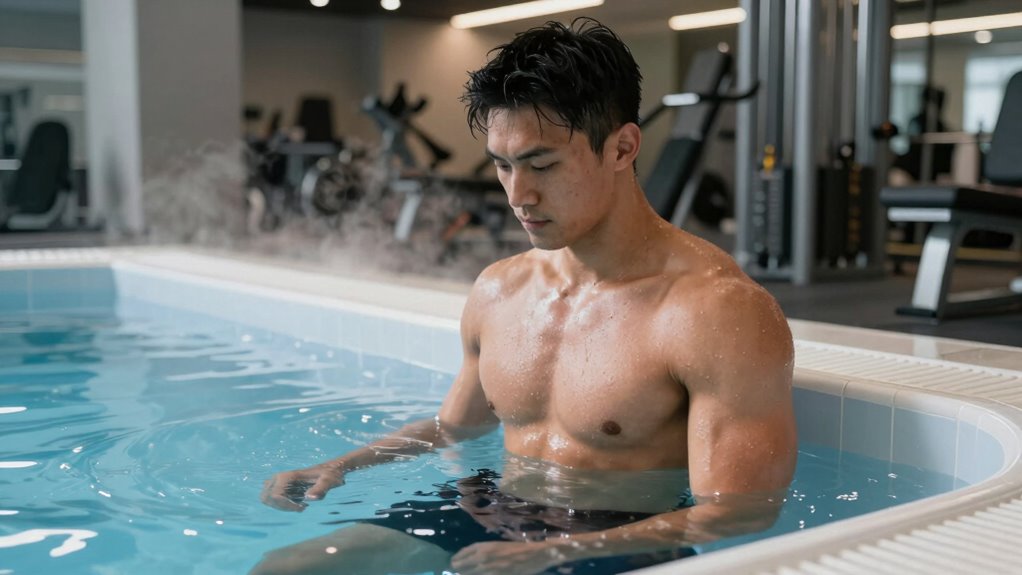
If you notice your muscle gains are slowing or your recovery feels off, cold plunges might be holding you back. You could also see less inflammation reduction or feel like your body isn’t signaling properly to heal. Recognizing these signs can help you adjust your cold therapy to stay on track with your goals. Additionally, excessive cold exposure may interfere with your muscle growth and repair processes, making it harder to achieve your desired strength improvements. Understanding cookie categories and how they impact your browsing can also help you manage your privacy preferences when researching recovery techniques online.
Slower Muscle Growth
Cold plunges can be a powerful recovery tool, but they might also slow down your muscle growth if overused or done improperly. When it comes to muscle hypertrophy, cold exposure can blunt the body’s adaptive response, reducing gains. You might notice slower progress if cold plunges interfere with training intensity or recovery. Here are some signs to watch for:
- Reduced muscle pump after workouts
- Decreased soreness indicating less adaptive stress
- Persistently weaker performance in subsequent sessions
- Slower increase in muscle size over time
These signs suggest cold plunges could be dampening your muscle hypertrophy efforts. To optimize growth, limit cold exposure around training sessions and pay attention to how your body responds.
Reduced Inflammation Response
While cold plunges can help reduce inflammation and promote recovery, overusing them may actually hinder this process. Excessive ice bath benefits can blunt your body’s natural inflammation response, which is essential for muscle repair and strength gains. If you notice persistent soreness or your muscles aren’t recovering as expected, it might be a sign that cold plunges are suppressing necessary inflammation. This reduced inflammation response can slow down adaptation, preventing your muscles from fully healing and growing. Using cold therapy strategically—only after intense sessions or when soreness peaks—can maximize benefits without interfering with your progress. Overdoing it, however, risks blunting the inflammation that signals your body to rebuild stronger, undermining your training efforts.
Impaired Recovery Signals
You might notice your muscles aren’t recovering as quickly or soreness lingers longer than expected, which could be a sign that cold plunges are interfering with your body’s natural healing signals. Cold exposure can suppress inflammation too much, hindering muscle repair. Additionally, you may experience decreased mental clarity, making it harder to stay focused after workouts. Here are some signs to watch for:
- Persistent muscle soreness beyond normal recovery time
- Reduced strength gains or plateauing progress
- Feelings of mental fog or lack of focus
- Slower recovery of energy levels after training sessions
If you notice these, cold plunges might be impairing your recovery signals, preventing *ideal* muscle repair and mental clarity. Adjusting your cold therapy routine could help you regain your training edge.
Should You Incorporate Cold Therapy Into Your Fitness Routine?
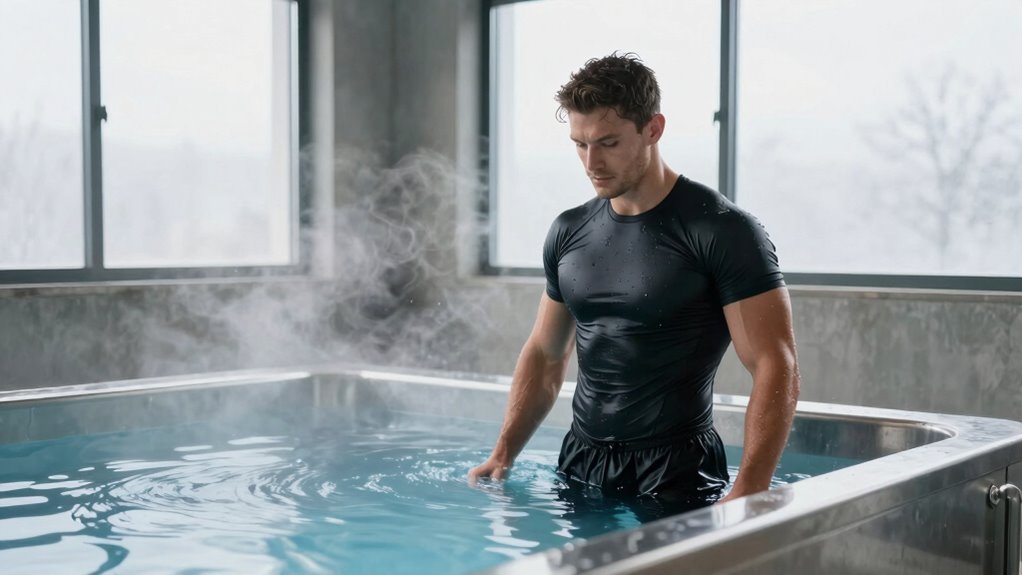
Incorporating cold therapy into your fitness routine can offer notable benefits, but it’s important to weigh the potential advantages against possible drawbacks. Cold exposure can boost mental resilience, helping you push through tough workouts and recover more effectively. However, the key is moderation; excessive cold exposure frequency might hinder muscle recovery or suppress inflammation necessary for growth. Before adding cold plunges regularly, consider your goals—if you’re seeking improved mental toughness, it could be worthwhile. But if your priority is muscle repair, too much cold therapy might interfere. Listen to your body, and start with short, controlled sessions. Balancing cold therapy with strength training will help you maximize benefits without risking setbacks.
Frequently Asked Questions
Can Cold Plunges Improve Mental Focus During Workouts?
Cold plunges can boost your mental clarity and enhance focus during workouts by stimulating your nervous system and increasing alertness. As you immerse yourself, you may experience sharper concentration and a reduced sense of fatigue, helping you stay engaged longer. However, if you’re sensitive to cold or have health issues, cold plunges might impair focus or cause discomfort. Listen to your body and experiment to see if it benefits your mental sharpness.
Are There Any Age Restrictions for Cold Plunge Therapy?
Age restrictions for cold plunge therapy vary, but generally, it’s safe for most adults. However, safety considerations are vital, especially for younger individuals or seniors. If you’re under 18 or over 65, consult a healthcare professional first. Risks like cardiovascular issues or nerve sensitivity may increase with age. Always listen to your body and start with shorter, warmer dips to guarantee safety and effectiveness.
How Long Should I Stay in a Cold Plunge for Optimal Benefits?
Think of cold plunge duration like seasoning a dish—you want just enough for flavor without overpowering. For ideal cold exposure, aim for 5 to 10 minutes, depending on your tolerance. Start with shorter sessions, around 3-5 minutes, then gradually increase. Staying too long can cause adverse effects, so listen to your body. Usually, 7 minutes hits a sweet spot for benefits without risking overexposure.
Does Cold Therapy Reduce Inflammation Without Impairing Muscle Growth?
Cold therapy can reduce inflammation and aid muscle recovery, but it might impair muscle growth if used immediately after strength training. It constricts blood vessels, limiting nutrient flow needed for muscle repair. To balance inflammation management and muscle growth, consider using cold plunges during recovery phases, but avoid them right after intense workouts. This way, you support your recovery without hindering muscle development.
Is Cold Plunging More Effective Before or After Strength Training?
You should cold plunge after strength training to optimize recovery timing and benefit from temperature effects. Cold immersion helps reduce inflammation and muscle soreness, aiding your body’s repair process. Using cold therapy before training might blunt muscle gains due to impaired adaptation. So, for better results, save the cold plunge for post-workout recovery, allowing your muscles to recover efficiently without compromising strength development.
Conclusion
While cold plunges can aid recovery, they might also slow strength gains if used improperly. Research shows that athletes who combine cold therapy with strength training experience a 20% slower muscle growth compared to those who don’t. So, consider your goals carefully. Use cold plunges strategically—after workouts for recovery, not immediately before lifting. Listening to your body and adjusting accordingly can help you maximize benefits without hindering progress.