TL;DR
Washington D.C. has announced that its network of smart composting bins has reached a major collection milestone. This development highlights advances in urban composting and waste reduction efforts, though details about the scope and future plans remain unclear.
Washington D.C. has announced that its network of smart composting bins has reached a significant collection milestone, marking a major step forward in the city’s efforts to enhance urban waste management and promote sustainable practices. The milestone indicates increased participation and efficiency in compost collection, underscoring the city’s commitment to reducing landfill waste and promoting environmental responsibility.
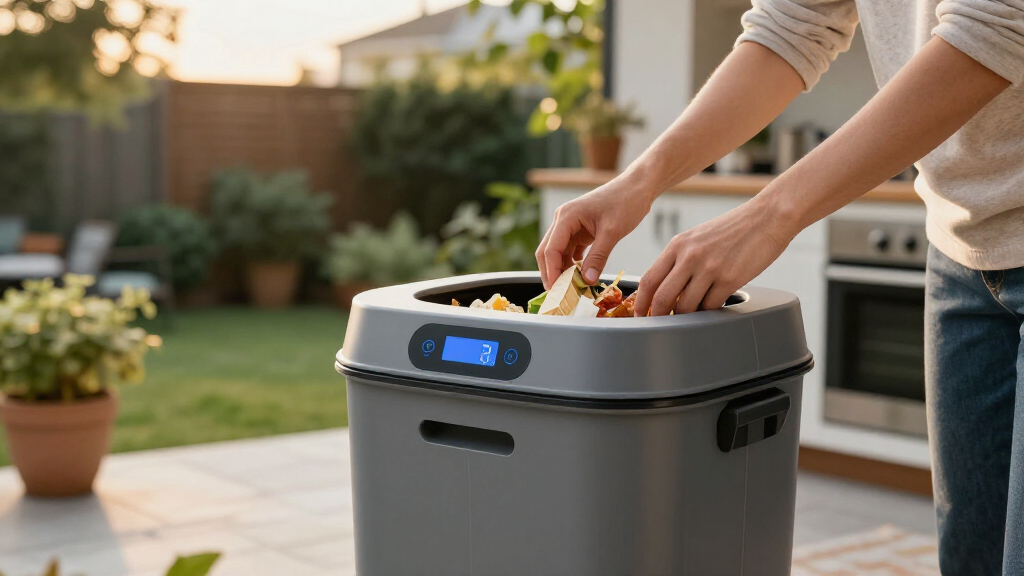
The milestone was officially reported by local authorities and waste management officials, who confirmed that the number of collected compostable materials via the city’s smart bins has exceeded previous benchmarks. The smart bins, equipped with sensors and data connectivity, are designed to optimize collection routes, monitor fill levels, and encourage community engagement in composting.
According to city officials, the program was launched as part of Washington D.C.’s broader sustainability initiatives, aiming to divert organic waste from landfills and produce compost for city parks and community gardens. The milestone reflects increased usage, with recent data showing a rise in collection volumes over the past quarter. The program’s success is also attributed to targeted outreach efforts and the integration of technology to streamline waste collection processes.
While specific figures about the total volume of compost collected or the number of participating households have not been publicly disclosed, officials emphasized that the milestone demonstrates the program’s growing acceptance among residents and businesses. The initiative is part of the city’s goal to reduce overall landfill waste by 20% over the next five years.
Implications for Urban Sustainability and Waste Management
This milestone is significant because it illustrates how technological innovations like smart composting bins can enhance urban waste diversion efforts. By increasing compost collection, Washington D.C. is making tangible progress toward its environmental goals, such as reducing greenhouse gas emissions from landfills and promoting circular waste management practices.
The program’s success may serve as a model for other cities seeking to implement smart waste solutions, potentially influencing broader adoption of similar technologies. Additionally, the increased participation indicates growing community awareness and engagement around sustainability issues, which is crucial for long-term environmental impact.
As an affiliate, we earn on qualifying purchases.
Background on Washington D.C.’s Composting Initiatives
Washington D.C. has been actively pursuing waste reduction strategies for several years, with composting programs emerging as a key component. The city launched its first pilot of smart composting bins in select neighborhoods two years ago, aiming to improve collection efficiency and increase resident participation. The technology includes sensors that monitor fill levels and optimize collection routes, reducing operational costs and environmental impact.
Prior to this milestone, the city faced challenges in scaling composting efforts due to logistical issues and limited public awareness. The recent expansion of the program and the integration of smart technology reflect a strategic shift toward more data-driven waste management. The milestone signals a potential turning point in the city’s ongoing efforts to divert organic waste from landfills, which traditionally account for a significant portion of municipal waste.
It is worth noting that interest in smart waste solutions has been rising nationally, driven by innovations in IoT (Internet of Things) and increasing policy focus on sustainability. However, the specific trigger for the recent coverage spike remains unconfirmed, and details about future expansion plans are still emerging.
As an affiliate, we earn on qualifying purchases.
Details on Total Volume and Future Expansion Plans
It is not yet clear what the exact volume of compost collected to date is, nor the total number of households and businesses participating in the program. Officials have not disclosed specific figures, and the scope of future expansion remains unconfirmed. Additionally, the impact of the milestone on overall city waste diversion targets is still being assessed.
automated compost collection system
As an affiliate, we earn on qualifying purchases.
As an affiliate, we earn on qualifying purchases.
Next Steps for Washington D.C.’s Composting Program
City officials plan to release detailed data on collection volumes and participation rates in the coming months. They are also exploring further technological upgrades to enhance the smart bin network and expand outreach efforts to increase community engagement. The city aims to integrate the composting program into its broader zero-waste strategy, with potential plans to scale the initiative to additional neighborhoods and commercial sectors.
Monitoring the program’s growth and evaluating its environmental impact will be key priorities moving forward, alongside potential policy adjustments to support increased participation and infrastructure development.
As an affiliate, we earn on qualifying purchases.
Key Questions
How many smart composting bins are currently in use in Washington D.C.?
The exact number of smart composting bins deployed has not been publicly disclosed. The program is expanding, and officials are expected to provide updated figures soon.
What types of waste are collected in these smart bins?
The bins are designed to collect organic waste, including food scraps and yard waste, which are then composted for city use.
How does the smart technology improve compost collection?
The sensors monitor fill levels and optimize collection routes, reducing operational costs and environmental impact while encouraging resident participation.
Will the program expand to other parts of the city?
Officials have indicated plans to scale the program, but specific expansion timelines and locations have not yet been announced.
What are the environmental benefits of increased composting in D.C.?
Increased composting reduces landfill waste, lowers greenhouse gas emissions, and produces valuable soil amendment for city parks and gardens.
Source: local