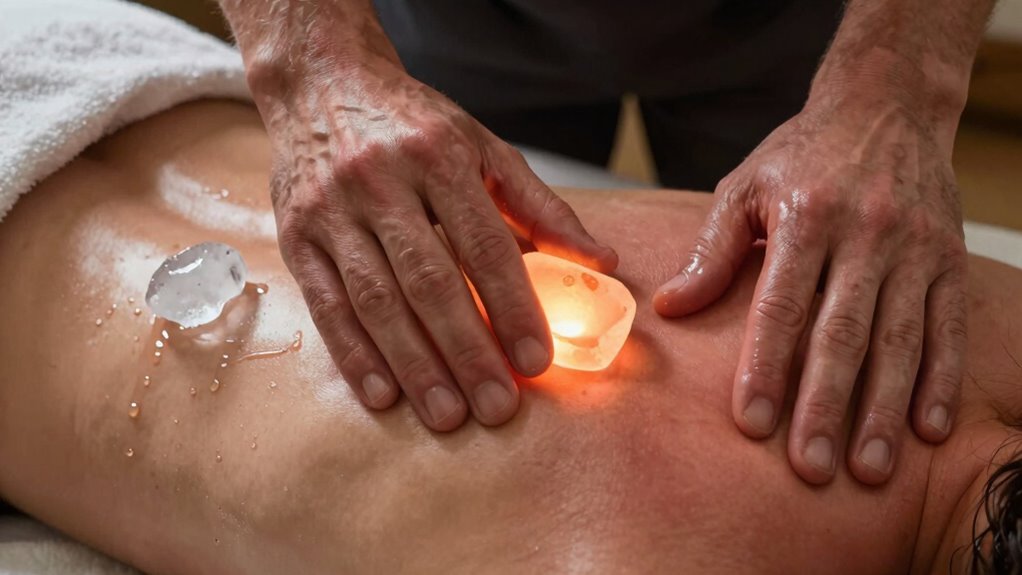

Heat relaxes your muscles and increases blood flow, helping loosen tight or stiff areas. Cold constricts blood vessels, reduces inflammation, and numbs pain, making it great for injuries. Compression applies controlled pressure to reduce swelling and support healing by improving circulation. Massage manipulates soft tissues to break tension, boost blood flow, and promote relaxation. Each therapy targets your body differently—discovering how they work together can help you maximize recovery and comfort.

Get home appliances delivered free — and shop member deals
- Fast, free delivery on millions of items
- Access to Prime Big Deal Days deals on October 6–7
- Prime Video, Amazon Music and more included
Key Takeaways
- Heat therapy increases blood flow and relaxes muscles, reducing stiffness and promoting flexibility.
- Cold therapy constricts blood vessels, diminishes inflammation, and numbs pain signals for immediate injury relief.
- Compression applies controlled pressure to stabilize tissues, minimize swelling, and enhance circulation.
- Massage manipulates soft tissues to break down adhesions, boost blood flow, and promote relaxation.
- Combining therapies leverages their distinct effects for optimized pain relief, healing, and muscle recovery.
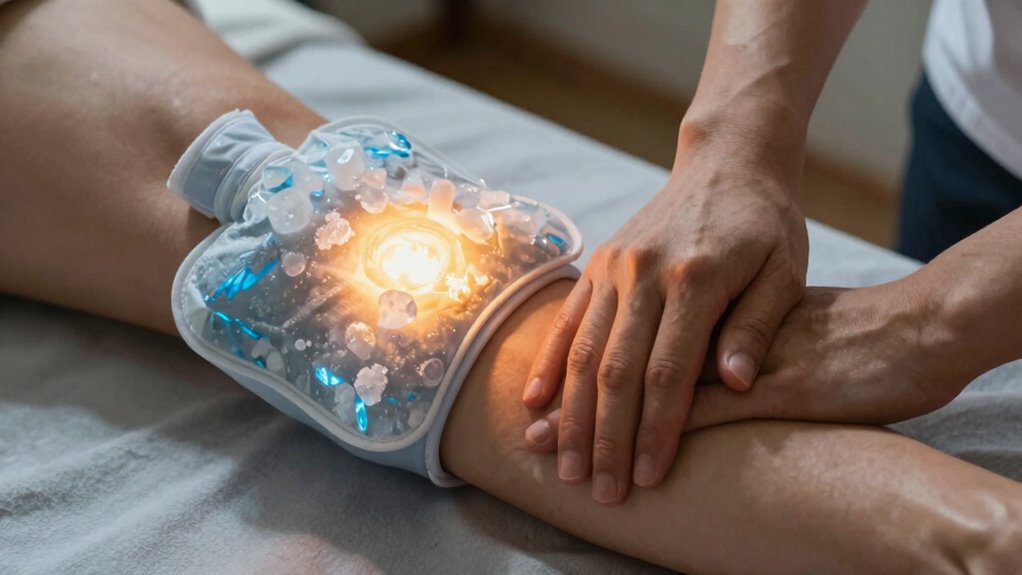
When dealing with injuries or muscle pain, understanding how different therapies like heat, cold, compression, and massage can help is essential. Each method targets your body differently, offering unique benefits that can speed up recovery and reduce discomfort. For instance, heat therapy promotes muscle relaxation and increases blood flow, making it effective for chronic muscle tension or stiffness. When you apply heat, your blood vessels expand, delivering more oxygen and nutrients to the affected area. This circulatory boost helps loosen tight muscles, easing pain and improving flexibility. You might notice that after a warm compress or heating pad, your muscles feel more relaxed and less knotted, which can make stretching or movement easier.
Cold therapy, on the other hand, works by constricting blood vessels and reducing inflammation. When you apply ice or a cold pack, it numbs the area, dulling pain signals sent by nerves. Cold therapy is especially useful immediately after an injury, like a sprain or strain, because it helps decrease swelling and prevents tissue damage. The reduction in blood flow also helps limit the leakage of fluids into surrounding tissues, which reduces swelling and bruising. You’ll find that cold packs are excellent for managing acute injuries, but they should be used with care to avoid frostbite or skin damage. Proper timing and duration are crucial to maximize its benefits and prevent adverse effects. Applying cold therapy at the right time can significantly influence recovery outcomes.
Compression therapy involves applying controlled pressure to the injured area, helping to stabilize tissues and improve circulation. This method can minimize swelling and provide support, especially during the early stages of injury management. When you use compression sleeves or bandages, you help prevent the buildup of fluids that cause swelling, which can delay healing. The consistent pressure also stimulates your lymphatic system, promoting the removal of waste products from tissues. This not only reduces swelling but can also enhance your body’s natural healing process, allowing you to recover more efficiently. Additionally, proper application of compression can help prevent further injury by supporting weakened tissues during movement. Using the right amount of pressure is vital, as too much can hinder circulation, while too little may not provide the desired support. Incorporating evidence-based techniques can optimize the effectiveness of compression therapy. Properly applied compression can also improve comfort and reduce movement-related pain during recovery.
Massage therapy works differently by mechanically manipulating muscles and soft tissues. As you receive massage, your muscles relax through direct pressure and kneading, which can relieve tension and break down adhesions or scar tissue. Massage stimulates blood flow, providing a circulatory boost that helps deliver oxygen and nutrients while removing metabolic waste. This increased circulation accelerates healing and eases soreness. Furthermore, massage can reduce stress and promote a sense of well-being, making it a valuable part of recovery. Combining massage with heat or cold therapy can amplify their effects, offering an all-encompassing approach to managing pain and promoting overall muscle health. Incorporating complementary therapies can create a more comprehensive treatment plan tailored to your needs. When combined thoughtfully, these therapies can offer a synergistic effect that enhances overall recovery.
heating pad for muscle relaxation
As an affiliate, we earn on qualifying purchases.
As an affiliate, we earn on qualifying purchases.
Frequently Asked Questions
Can These Therapies Be Combined for Better Results?
Yes, combining therapies can enhance results through effective therapy integration. A combined treatment approach allows you to target specific issues more thorough, such as using cold to reduce inflammation, heat to relax muscles, compression to improve circulation, and massage to ease tension. Always consult with a healthcare professional to guarantee the therapies are suitable for your condition and are safely integrated, maximizing benefits while minimizing risks.
Are There Any Risks or Side Effects Involved?
You should be aware that there are risk factors and side effect considerations when combining therapies like heat, cold, compression, and massage. For example, heat can cause burns or worsen inflammation if not used correctly, while cold might lead to frostbite or nerve damage. Compression could restrict blood flow, and massage might aggravate injuries. Always consult a healthcare professional to guarantee safe application tailored to your specific needs.
How Long Should Each Therapy Session Last?
Think of your therapy session as a gentle dance—too long, and your body’s rhythm could falter; too short, and you miss the melody. Generally, aim for 15-30 minutes per session, following duration guidelines for each treatment. For maximum recovery, stick to recommended session frequency, usually a few times a week. Listening to your body’s signals helps guarantee you hit the perfect tempo without overdoing it.
Who Should Avoid Using Heat or Cold Treatments?
If you have cold sensitivity or heat contraindications, you should avoid using heat or cold treatments. People with circulatory issues, nerve disorders, or skin conditions should be cautious, as these therapies might worsen their symptoms. Always consult your healthcare provider before starting such treatments, especially if you’re pregnant, have certain medical conditions, or are unsure about limitations. Proper guidance ensures safe and effective therapy use.
How Do I Choose the Right Therapy for My Condition?
Choosing the right therapy can feel like steering through a maze of options! For your condition, start by researching alternative therapies and embracing holistic approaches. Think about your symptoms—do you need soothing heat, invigorating cold, or gentle compression? Consult with a healthcare professional to tailor treatments to your needs. Trust your body, listen closely, and pick the therapy that feels like a perfect fit—your wellness journey’s your own adventure!
cold pack for injury pain relief
As an affiliate, we earn on qualifying purchases.
As an affiliate, we earn on qualifying purchases.
Conclusion
Think of your body as a symphony, each therapy a different instrument tuning your harmony. Heat wraps you in a gentle embrace, coaxing muscles to relax like a lullaby. Cold sharpens your focus, like a brisk breeze clearing fog. Compression gently presses, guiding your flow like a steady drumbeat. Massage, the soothing melody, melts tension away. By choosing the right tune, you can orchestrate your healing and find your perfect balance.
As an affiliate, we earn on qualifying purchases.
massage gun for soft tissue therapy
As an affiliate, we earn on qualifying purchases.
As an affiliate, we earn on qualifying purchases.
Evergreen bestsellers Picks
bestsellers
As an affiliate, we earn on qualifying purchases.