
During a cold plunge, your heart reacts quickly by sharply increasing its rate in response to the cold shock reflex. This surge is driven by your sympathetic nervous system, as your heart pumps faster to circulate blood and prepare for stress. Over time, your heart rate gradually decreases and stabilizes at a higher level than normal, helping your body adapt. If you keep exploring, you’ll discover how these responses improve with practice and what precautions to take.

Get home appliances delivered free — and shop member deals
- Fast, free delivery on millions of items
- Access to Prime Big Deal Days deals on October 6–7
- Prime Video, Amazon Music and more included
Key Takeaways
- The heart rate initially spikes sharply due to the cold shock response.
- It gradually decreases and stabilizes at a higher-than-resting level during sustained cold exposure.
- Repeated plunges lead to quicker heart rate recovery and improved cardiovascular adaptation.
- Cold exposure enhances blood vessel flexibility, supporting better blood flow regulation.
- Sudden fluctuations in heart rate can pose risks, especially for those with pre-existing heart conditions.

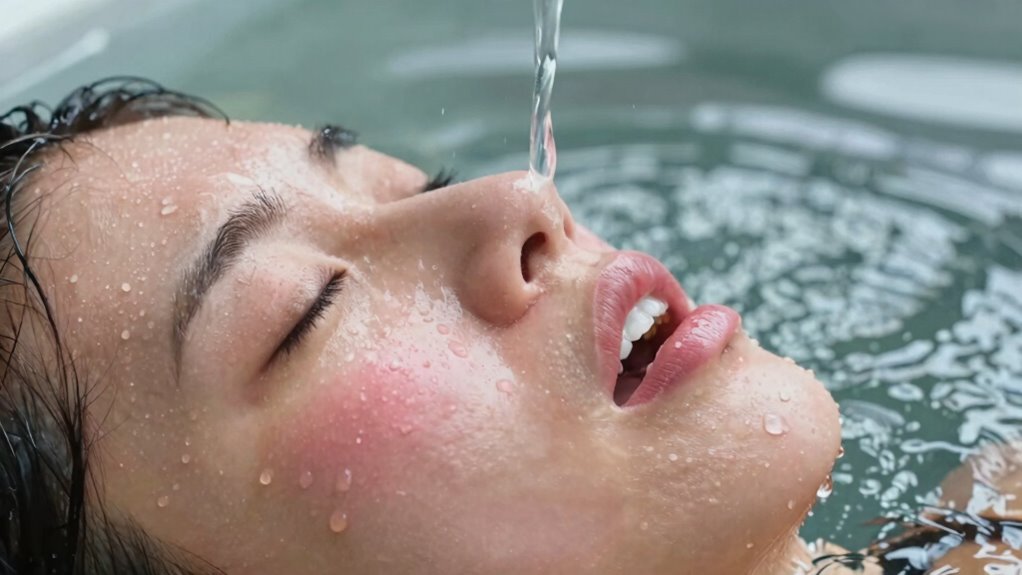
When you take a cold plunge, your heart responds quickly to the sudden shock of cold water, causing noticeable changes in your heart rate. This immediate reaction is part of what’s called the cold shock response, a natural reflex that kicks in when your body is suddenly exposed to cold temperatures. Your body perceives the cold as a threat, triggering an automatic surge in sympathetic nervous system activity. As a result, your heart rate spikes sharply within the first few seconds, pumping blood faster to get warm blood circulating and to prepare your body for the stress. This rapid increase in heart rate is a defensive mechanism, but it can feel intense and even alarming if you’re not expecting it.
After this initial surge, your body begins to adapt through a process called cardiovascular adaptation. As you remain immersed in the cold water, your heart rate gradually decreases from its peak, stabilizing at a level that’s still higher than your resting state but lower than the initial shock. This adjustment helps your body conserve energy and manage the cold stress more efficiently. Additionally, cold exposure can stimulate the development of better blood vessel flexibility, further supporting your cardiovascular health. Over time, with repeated cold plunges, your cardiovascular system becomes more resilient, and your heart responds more smoothly to cold exposure. You may notice that the initial jolt becomes less pronounced, and your recovery time shortens, meaning your heart rate returns to baseline quicker after each plunge. Incorporating gradual cold exposure can help your body adapt more safely and effectively, especially as your cold tolerance improves.
Consistent practice may also contribute to the overall improvement of vascular health, which is beneficial for long-term heart health. This process isn’t just about immediate reactions; it influences your overall cardiovascular health. Regular exposure to cold water can promote improved vascular function, helping your blood vessels become more flexible and better at regulating blood flow. It’s like your heart and blood vessels learn to work together more effectively, strengthening your cardiovascular system. However, it’s essential to approach cold plunges cautiously, especially if you have existing heart conditions. The sudden fluctuations in heart rate and blood pressure can pose risks if your body isn’t accustomed or if you push beyond your limits. Understanding the cold shock response can help you better prepare and approach cold exposure safely.
As an affiliate, we earn on qualifying purchases.
Frequently Asked Questions
How Long Should I Stay in Cold Water to See Heart Rate Benefits?
You should stay in cold water for about 2 to 5 minutes to see heart rate benefits. During this time, your body experiences cold shock, which prompts your heart to adapt by increasing circulation and stimulating heart adaptation processes. Keep an eye on how you feel, and gradually extend your time as your body adapts. Always listen to your body to avoid overstressing your heart during cold plunges.
Does Cold Plunging Affect Heart Rate Variability?
Cold plunging can positively affect your heart rate variability by influencing your thermal regulation and cardiovascular response. When you immerse yourself in cold water, your body adapts by adjusting heart rate and blood flow, which can enhance variability over time. This process strengthens your autonomic nervous system, promoting better stress resilience and overall heart health. Consistent cold exposure may lead to improved cardiovascular responses and increased heart rate variability.
Can Cold Exposure Worsen Heart Conditions?
Cold exposure can worsen heart conditions if you’re not cautious. Cold shock causes sudden heart stress, which may trigger arrhythmias or increase blood pressure. Studies show that individuals with existing heart issues face higher risks during cold plunges. If you have a heart condition, consult your doctor before trying cold exposure. While it can boost circulation and recovery, the sudden cold can be dangerous, so proceed with care and awareness.
How Quickly Does Heart Rate Return to Normal After a Cold Plunge?
After a cold plunge, your heart rate typically returns to normal within a few minutes, depending on your heart adaptation and overall health. Cold shock initially causes a spike in heart rate, but as your body adapts, this effect diminishes quickly. Regular exposure can improve heart adaptation, helping your body respond better over time. Stay mindful of your limits, especially if you’re new to cold plunges, to prevent undue stress on your heart.
Is Cold Plunging Safe for Everyone Regarding Heart Health?
Cold plunging isn’t safe for everyone, especially if you have heart issues. Your cold tolerance and heart adaptation vary, so it’s essential to consult with a healthcare professional before trying it. If you have underlying heart conditions, cold exposure could trigger adverse reactions like abnormal heart rhythms. Always listen to your body, start slowly, and prioritize safety to guarantee cold plunging benefits don’t come at a health risk.
As an affiliate, we earn on qualifying purchases.
Conclusion
As you immerse yourself in a cold plunge, your heart races initially, but it quickly adapts, often dropping below resting rates. Curiously, studies show that cold exposure can boost your parasympathetic nervous system, promoting relaxation afterward. So, next time you take the plunge, remember that your heart’s quick response is part of your body’s amazing way of balancing stress and recovery. Embrace the challenge—your heart’s resilience is truly remarkable.
heart rate monitor for cold exposure
As an affiliate, we earn on qualifying purchases.
As an affiliate, we earn on qualifying purchases.
As an affiliate, we earn on qualifying purchases.
Fall yard work Picks
leaf blowers
As an affiliate, we earn on qualifying purchases.