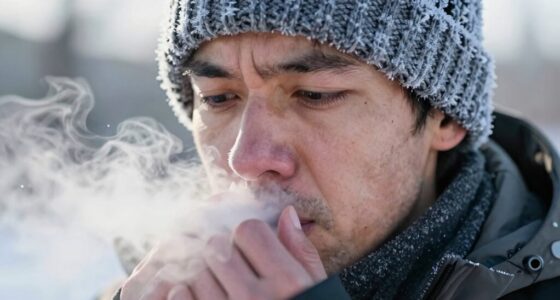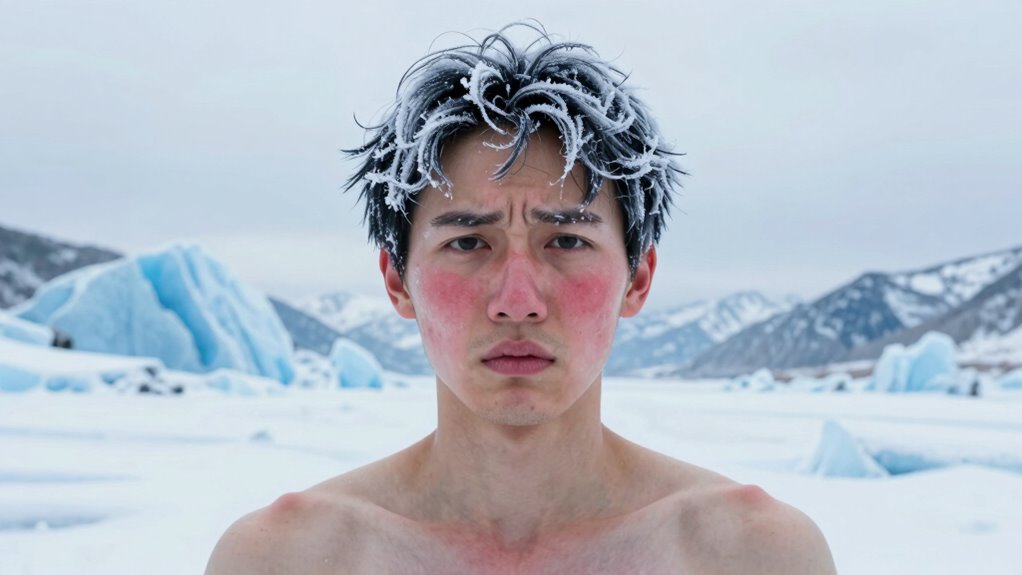

Many people report feeling calmer, more focused, and resilient after cold exposure, thanks to the release of endorphins and activation of your nervous system. Science suggests that it can influence hormonal regulation, boost mood, and reduce stress temporarily, but evidence remains mixed and more research is needed. If you want to understand how cold exposure might truly impact your stress levels and health, exploring further can reveal what science and experience have in common.
Key Takeaways
- Many report improved mood and reduced stress after cold exposure, but scientific evidence on cortisol reduction remains inconclusive.
- People often experience increased alertness and mental clarity, while studies show activation of the sympathetic nervous system.
- Endorphin release from cold exposure is linked to mood boosts, though individual emotional responses vary.
- Scientific research suggests potential physiological benefits, but definitive proof of stress relief effects needs further study.
- Personal experiences may differ due to psychological and cultural factors, despite general physiological responses observed in scientific trials.

XXL Ice Bath Tub for Athletes, Compatible with Water Chillers, 216-Gallon Inflatable Cold Plunge Tub with Insulated Lid, Thermometer, Water-Absorbent Mat, Portable for Outdoor & Indoor Recovery
COMPATIBLE WITH CHILLERS: With the AudaciaGo cold plunge tub, you can easily connect to a water chiller through...
As an affiliate, we earn on qualifying purchases.
What Is Cold Exposure and How Do People Do It?
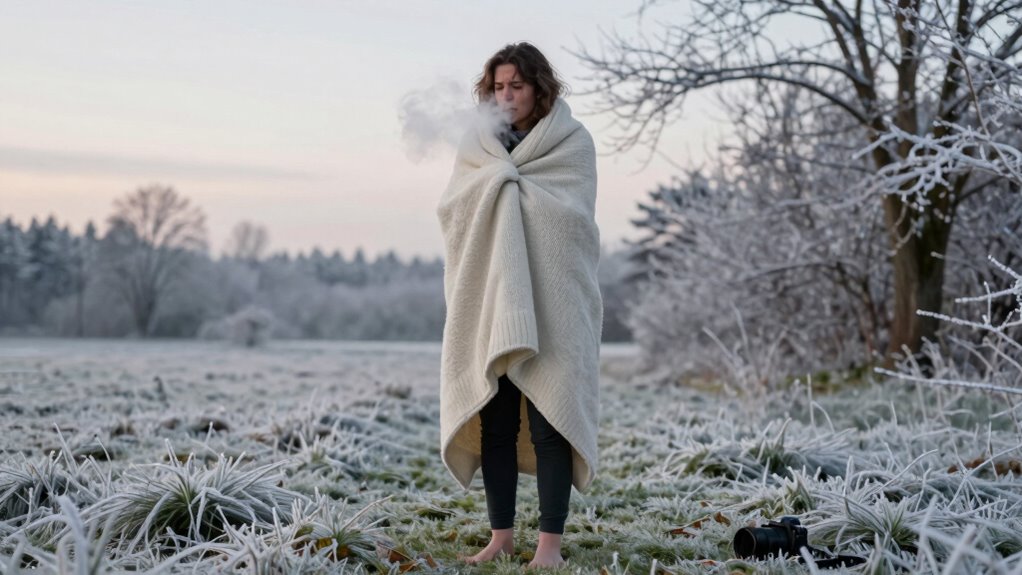
Cold exposure involves intentionally exposing your body to cold temperatures to trigger various physical and mental responses. When you immerse yourself in cold water or step outside in chilly weather, your body reacts by increasing circulation and releasing stress hormones. Many people use cold exposure to sharpen mental clarity, helping them focus and think more clearly. Additionally, regular cold exposure is believed to give your immune system a boost, making you more resilient against illnesses. You can start with simple methods like cold showers or splashing cold water on your face. Some opt for ice baths or outdoor cold plunges. Consistency is key, and gradually increasing exposure helps your body adapt without overwhelming it. Incorporating Free Floating techniques can further enhance the mental benefits of cold exposure by allowing your mind to relax and reset. Research also suggests that proper recovery methods support your body’s adaptation process and safety during cold exposure routines. Understanding body responses can help you tailor your approach for optimal benefits and safety. Additionally, being aware of psychological effects can help you manage mental stress and improve overall well-being during cold exposure practices. Recognizing the importance of system regulation can improve your overall safety and effectiveness during cold exposure routines.

Upgrade XL Ice Bath Tub for Athletes, 119 Gallons Hot & Cold Plunge Tub with Cover for Recovery, Cold Water Therapy, Multiple Layered Portable Whirlpool Bathtubs for for Home, Gym & Outdoor
【Enhance Muscle Recovery】Ice baths present a natural, efficient method for expediting recovery following intense workouts or competitions. Our...
As an affiliate, we earn on qualifying purchases.
Why Do Many Feel Calmer After Cold Exposure?
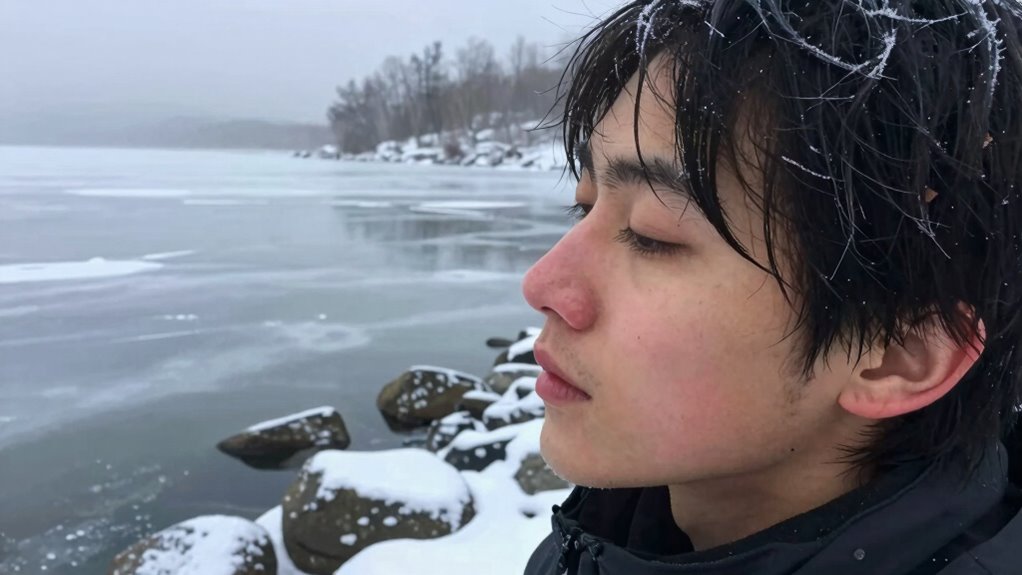
When you expose yourself to cold, your body releases endorphins that lift your mood. This activates your sympathetic nervous system, helping you feel more alert and balanced. Additionally, cold exposure can lower cortisol levels, reducing stress and promoting a sense of calm. Interestingly, some individuals find that incorporating sustainable practices can further enhance these stress-relief benefits. Properly managing your truck bed’s potential can also create a more comfortable environment, enhancing your overall experience with cold exposure. Understanding hair types and styling products can help optimize your comfort and effectiveness during cold exposure sessions. Moreover, practicing mindfulness techniques during cold exposure can deepen relaxation and improve stress resilience.
Endorphin Release Boosts Mood
You might notice feeling calmer after cold exposure because your body releases endorphins, the natural chemicals that improve mood and reduce pain. These endogenous opioids interact with your brain’s receptors, promoting a sense of well-being and stress relief. This process plays a key role in mood regulation, helping you feel more balanced after exposure to cold. The release of endorphins not only alleviates discomfort but also fosters positive emotions, contributing to an overall calmer state. Understanding this mechanism highlights how cold exposure influences your mental health, beyond just physical sensations.
| Cold Exposure Effect | Impact on Mood |
|---|---|
| Endogenous opioids | Enhance mood regulation |
| Natural pain relief | Reduce stress and anxiety |
| Endorphin boost | Promote feelings of calm |
| Mood stabilization | Support emotional balance |
Sympathetic Nervous System Activation
The release of endorphins during cold exposure contributes to feelings of calm, but another key factor is the activation of your sympathetic nervous system. When exposed to cold, your body triggers this system, initiating a surge of alertness and energy. Surprisingly, this activation can promote a better parasympathetic balance afterward, helping you feel more relaxed and centered. By stimulating your sympathetic nervous system, cold exposure sharpens your emotional regulation, enabling you to manage stress more effectively. This process primes your nervous system to bounce back quickly from stressors, making you feel calmer over time. Virtually, the temporary activation helps reset your body’s stress response, fostering a sense of calm that persists even after the cold session ends. Additionally, this activation can support energy-efficient cloud solutions by optimizing our natural stress responses for resilience. Furthermore, understanding the mechanics of nervous system regulation can enhance your ability to harness cold exposure for stress management effectively. Moreover, insights from cryptid mysteries and other folklore phenomena suggest that our perceptions of stress and calm can be influenced by cultural narratives, which can shape our psychological responses to physical stimuli like cold exposure. Recognizing how biological stress responses function helps demystify the calming effects experienced during cold exposure. Also, awareness of individual variability in stress responses highlights why some people may experience more pronounced effects than others.
Reduced Cortisol Levels
Cold exposure can lead to a significant reduction in cortisol levels, the hormone closely linked to stress and anxiety. This stress hormone reduction occurs because cold triggers thermogenesis benefits, which help your body adapt to the cold by burning fat and generating heat. As your body increases heat production, it shifts focus away from cortisol release, promoting a calmer state. Regular cold exposure can improve your body’s resilience to stress, leading to a feeling of calmness and mental clarity. Many people notice they feel more relaxed and less overwhelmed after cold exposure because of these hormonal changes. Understanding hormonal regulation can deepen your appreciation of how cold exposure impacts stress levels, as it demonstrates the complex interplay between your nervous system and endocrine response. Additionally, research shows that cold exposure can stimulate the sympathetic nervous system, which plays a key role in stress response modulation. By stimulating thermogenesis benefits, cold exposure effectively balances your stress hormones, helping you feel calmer and more centered without relying on medication or external interventions. Furthermore, the activation of brown adipose tissue during cold exposure is an important factor in the metabolic benefits, contributing to overall health improvements.

Bubplay Ice Bath Cold Plunge Tub with Cover for Indoor Outdoor for Recovery, Cold Water Therapy, Athletes & Adults -105 Gallons, Black, XL
【XL Full-Body Cold Plunge for Most Adults】 Designed for an immersive ice bath / cold plunge experience with...
As an affiliate, we earn on qualifying purchases.
How Does Cold Exposure Affect Your Body?
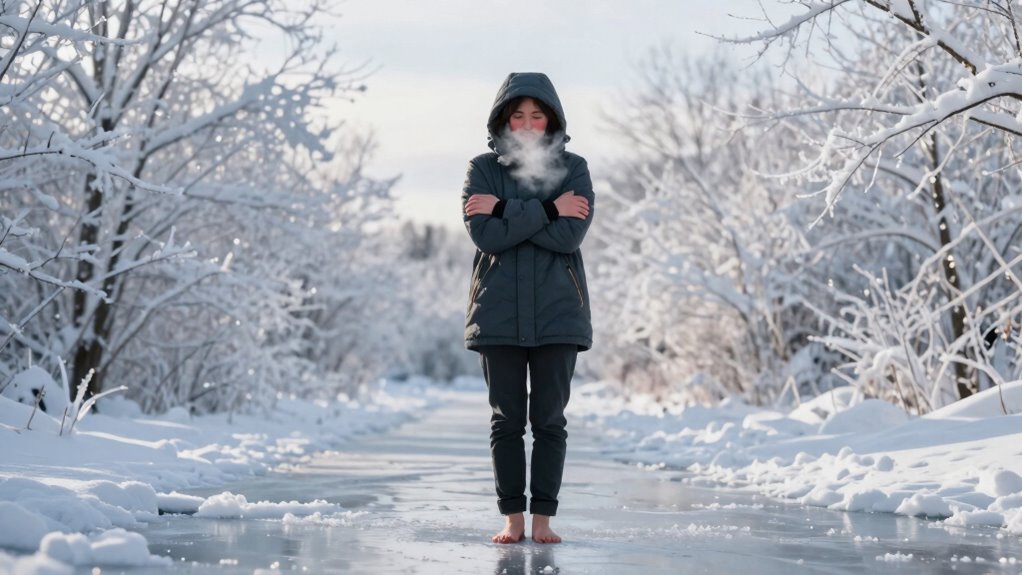
When you expose your body to cold, it boosts circulation and helps you feel warmer faster. This triggers your brown fat cells to activate, generating more heat. Understanding these responses shows how cold exposure can positively impact your physical health. Additionally, controlled cold exposure practices can encourage metabolic efficiency and support overall wellness. Furthermore, regular exposure may also improve your body’s ability to regulate temperature, enhancing resilience to environmental stressors. Incorporating connected fitness technology can help monitor and optimize these cold therapy sessions for better health outcomes. Leveraging cold exposure protocols can maximize the benefits while minimizing potential risks, ensuring that you experience the full health benefits safely.
Increases Circulation and Warmth
Exposure to cold prompts your body to boost circulation as blood vessels constrict and then dilate to maintain core temperature. This process delivers oxygen and nutrients more efficiently to tissues, providing notable circulation benefits. As blood flows more actively, you may notice a warming sensation, especially in extremities like your hands and feet. Cold exposure encourages your body to improve blood flow, which helps distribute heat throughout your system, leading to warmth enhancement. This increased circulation not only supports overall cardiovascular health but also helps you feel more alert and energized. Additionally, research indicates that cold exposure can stimulate vascular responses, which further enhances blood flow and overall vascular health. Interestingly, regular cold exposure can promote vasodilation, helping to improve flexibility and reduce muscle soreness. While it might seem counterintuitive, exposing yourself to cold stimuli can strengthen your body’s ability to regulate temperature and promote better blood flow, ultimately contributing to a sense of warmth and vigor.
Activates Brown Fat Cells
As your body works to boost circulation and generate warmth through blood flow, it also activates a special type of fat known as brown adipose tissue, or brown fat. When exposed to cold, your body triggers brown fat activation, prompting a thermogenic response that produces heat without shivering. This process helps maintain your core temperature and increases energy expenditure. Brown fat cells are rich in mitochondria, allowing them to burn calories efficiently to generate heat. The cold stimulates these cells to break down stored fats, providing both warmth and metabolic benefits. Regular cold exposure can enhance this brown fat activity, potentially aiding in weight management and improving your body’s ability to respond to stress. In essence, cold triggers your body’s natural heat-producing mechanisms through brown fat activation.

Wxtkkom New Upgrade XL 139-Gallon Oval Ice Bath Tub - 6 Layered Portable Bathtub, Drop-In Bathtubs Foldable with Cover Cold Plunge Tub for Athletes, Home Gym, Outdoor Recovery Use
【Upgraded 139-Gallon Capacity】:Spacious enough for full-body immersion, with dimensions of 46"L x 23"W x 23"H. This generous size...
As an affiliate, we earn on qualifying purchases.
Does Scientific Research Back Up Stress-Relief Claims?

Scientific studies increasingly investigate whether cold exposure truly reduces stress, but the evidence remains mixed. Some research highlights positive psychological effects, suggesting that cold exposure can boost mood and resilience. However, these findings often depend on individual differences and the context of the exposure. Social perceptions also play a role, as cultural attitudes toward cold practices influence how people experience and report benefits. While some studies show reduced cortisol levels and improved mental clarity, others find minimal or no effects. Overall, the scientific community hasn’t reached a consensus, and more rigorous research is needed. You should approach cold exposure as a potential stress-relief tool with an open mind, but not as a guaranteed solution backed by conclusive evidence.
Can Cold Exposure Help Manage Chronic Stress?
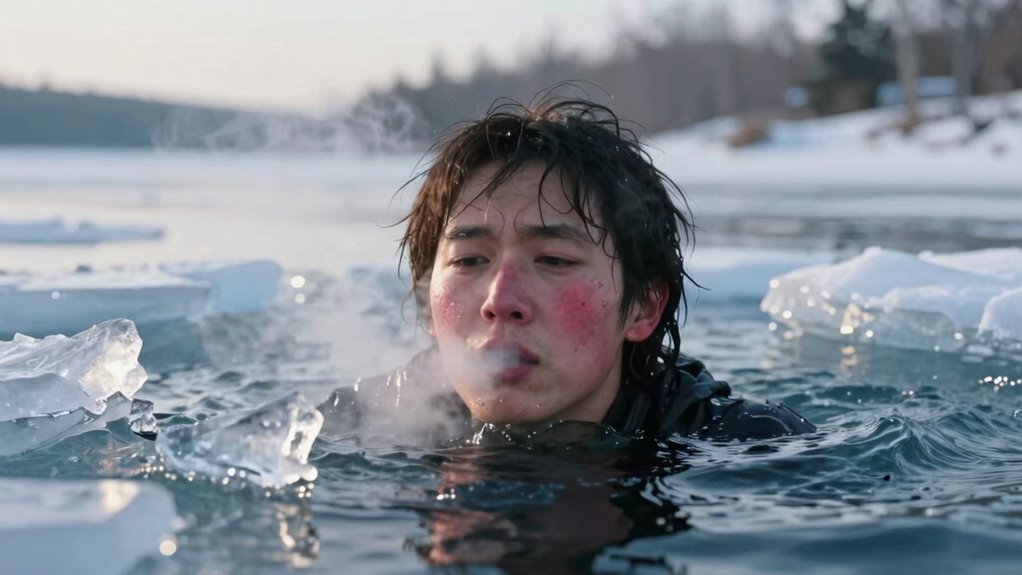
While research on cold exposure and stress management is still evolving, some evidence suggests it might offer benefits for those dealing with chronic stress. Cold exposure could boost your mental resilience, helping you better cope with daily pressures. It may also improve sleep quality, essential for restoring your mind and body. Imagine feeling more energized and less overwhelmed each day. As you expose yourself gradually, you might experience:
- Increased calmness in stressful moments
- Better control over emotional responses
- Enhanced ability to bounce back from setbacks
- Improved overall mood and focus
These effects could help you manage chronic stress more effectively, making daily challenges feel more manageable. While results vary, incorporating cold exposure might support your journey toward resilience and mental clarity.
Is Cold Exposure Safe? Risks and Limitations to Know

Cold exposure has been linked to potential mental health benefits, but it’s important to understand the safety considerations before incorporating it into your routine. Before trying cold exposure, you should prioritize safety precautions to protect your individual health. Not everyone reacts the same way; underlying health conditions like cardiovascular issues or respiratory problems can increase risks. Cold temperatures can cause hypothermia or shock if not carefully managed. Start slowly, monitor your body’s response, and avoid prolonged exposure if you feel uncomfortable. Always listen to your body and consult with a healthcare professional if you have concerns or existing health conditions. Remember, while cold exposure can be beneficial, ignoring safety precautions may lead to serious health risks.
How to Safely Add Cold Exposure to Your Routine

To safely incorporate cold exposure into your routine, start gradually and pay close attention to how your body responds. Begin with brief cold showers or splashes, then slowly increase duration. Use breathing techniques to stay calm and focused; deep, controlled breaths help manage the shock. Mental visualization can prepare you mentally, imagining yourself calm and resilient in the cold. Remember these key practices:
Start cold exposure gradually, focus on breathing, and listen to your body’s signals for safe resilience.
- Listen to your body and don’t push beyond comfort
- Warm up slowly afterward to prevent shock
- Practice breathing techniques for relaxation
- Visualize success to build mental resilience
Adding cold exposure should feel empowering, not overwhelming. With patience and mindfulness, you can safely harness its stress-reducing benefits while respecting your limits.
Is Cold Exposure Right for You? Making an Informed Decision
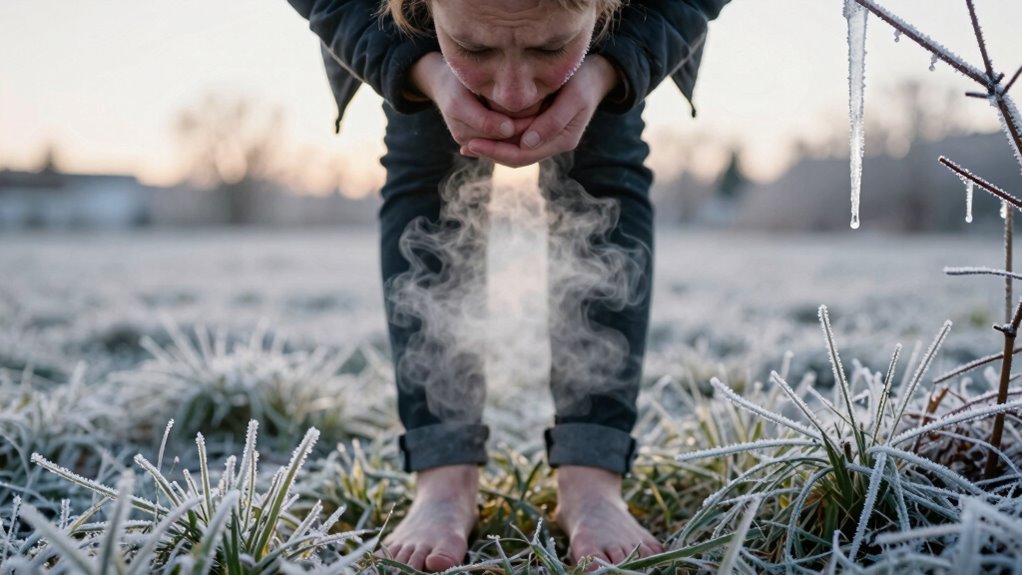
Deciding if cold exposure is suitable for you depends on your individual health, lifestyle, and goals. If you’re aiming to build mental resilience, cold exposure can help strengthen your stress response and improve focus. It may also support immune boosting, making you less vulnerable to illnesses. However, if you have cardiovascular issues, respiratory problems, or a weakened immune system, consult your healthcare provider before starting. Cold exposure isn’t a one-size-fits-all solution, and it’s essential to listen to your body. Start slowly, monitor how you feel, and prioritize safety. By making an informed decision, you can incorporate cold exposure into your routine in a way that aligns with your health needs and stress management goals.
Frequently Asked Questions
Can Cold Exposure Improve Mental Health Beyond Stress Relief?
Cold exposure can improve your mental health beyond stress relief by triggering a thermogenic response that releases endorphins, boosting your mood. When you expose yourself to cold, your body activates these natural chemicals, leading to a sense of well-being and alertness. Regular cold exposure may also enhance resilience to mental health challenges over time, supporting overall mood enhancement and emotional stability.
How Long Should Cold Exposure Sessions Last for Optimal Benefits?
You should aim for cold exposure sessions lasting about 2 to 5 minutes for maximum benefits. Going longer might turn your experience into an icy nightmare, while shorter sessions could miss out on the full effects. Follow duration guidelines carefully, and stick to a consistent session frequency—ideally daily or several times a week—to release your body’s true potential. Remember, moderation turns cold exposure from chaos into a powerful tool.
Are There Specific Populations Who Should Avoid Cold Exposure?
If you’re part of vulnerable populations or contraindication groups, you should prevent cold exposure. These include individuals with cardiovascular issues, Raynaud’s disease, or compromised immune systems, as cold can worsen their conditions. Pregnant women and the elderly might also be at higher risk. Always consult your healthcare provider before starting cold exposure routines to ensure it’s safe for your specific health circumstances.
What Are the Long-Term Effects of Regular Cold Exposure?
Think of cold exposure as a workout for your body’s resilience. Long-term, it can boost your immune adaptation and improve metabolic regulation, making you more resilient to stress and illness. Regular exposure may also enhance circulation and energy levels. However, overdoing it might cause adverse effects, so listen to your body. With consistent practice, you could experience increased vigor and better stress management over time.
How Does Cold Exposure Compare to Other Stress-Reduction Techniques?
Cold exposure activates your thermogenic response, helping your body burn calories and regulate hormones like adrenaline and cortisol. Compared to other stress-reduction techniques, it can boost hormonal regulation quickly, leading to improved mood and resilience. While practices like meditation focus on mental calmness, cold exposure offers a physical challenge that enhances your body’s stress management through physiological changes. It’s a powerful, natural way to complement traditional methods.
Conclusion
So, despite all the buzz about cold exposure calming your nerves, science still isn’t entirely sold. You might feel more relaxed, or maybe just really cold and annoyed—who’s to say? The irony is, what’s marketed as a stress-buster could actually be just a chilly distraction. If you’re brave enough to try, remember: it’s not a magic fix, but at least you’ll have a good story about that icy plunge!