Biofilms are slimy microbial communities that stick to surfaces and often slip past standard water filters. They form when microbes adhere using pili or surface proteins and produce a protective matrix. This resilient slime makes them hard to spot and remove, even with regular cleaning. Biofilms can cause health risks and industrial problems like corrosion. To better understand how these stubborn layers develop and how to manage them, keep exploring more insights.
Key Takeaways
- Biofilms are complex microbial communities encased in a slimy extracellular matrix that protect bacteria from filtering systems.
- The biofilm’s matrix acts as a physical barrier, preventing filters from trapping or removing all microbes effectively.
- Microbes within biofilms communicate via chemical signals, enhancing their resilience and ability to adapt to filtration processes.
- Biofilms can develop on various surfaces, including filters, making it difficult for standard filtration to eliminate embedded bacteria.
- Detecting biofilms requires specialized techniques beyond visual inspection, as they often go unnoticed by routine filters.
Top picks for "biofilm explain slime"
As an affiliate, we earn on qualifying purchases.
What Are Biofilms and Why Are They Important?
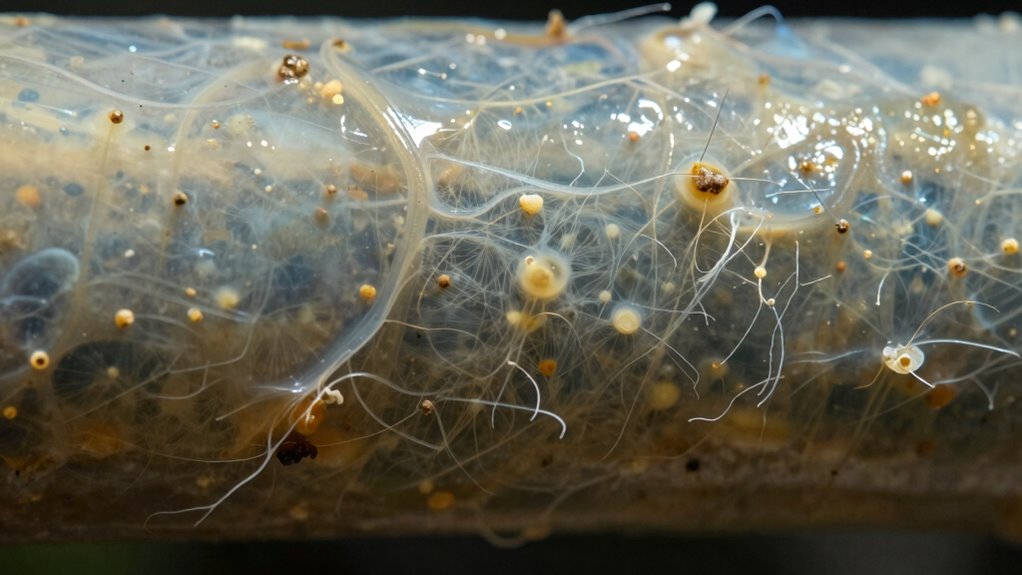
Biofilms are communities of microorganisms that attach to surfaces and encase themselves in a slimy matrix of their own making. Within these structures, microbes communicate through chemical signals, coordinating their activities for survival. This microbial communication enhances their ability to adapt and thrive in challenging environments. This process is often facilitated by quorum sensing, which enables microbes to detect their population density and regulate gene expression accordingly. One reason biofilms are so important is their resistance to treatments; the biofilm matrix acts as a shield, making it difficult for antibiotics and disinfectants to reach the microbes inside. This biofilm resistance means infections can persist longer and are harder to eradicate. Additionally, the resistance mechanisms employed by biofilms pose significant challenges in clinical and industrial settings. Understanding how biofilms form and function helps explain their significance in health, industry, and the environment, highlighting the need for innovative strategies to control their growth and impact. Additionally, research into biofilm detection techniques is advancing, aiding efforts to manage biofilm-related issues more effectively.
How Do Microbes Build Biofilms?
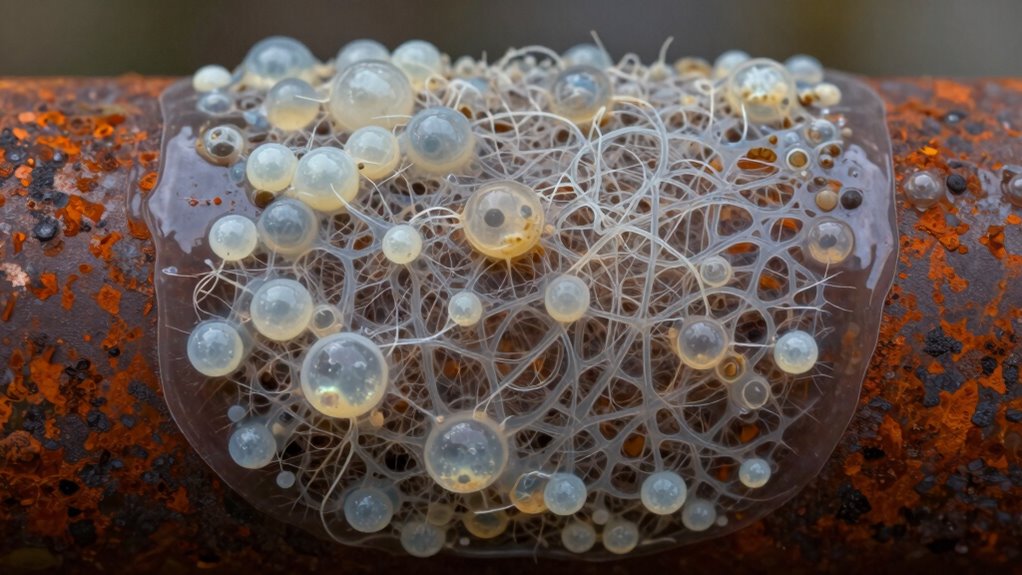
Have you ever wondered how microbes assemble into complex communities? It all begins with microbial adhesion, where tiny microbes stick to surfaces using pili or surface proteins. Once attached, they start producing an extracellular matrix, a slimy substance that holds the community together. This matrix acts like a glue, protecting microbes and trapping nutrients. The process is dynamic, with microbes continuously adding to the matrix and communicating with one another. To visualize this, consider the following:
| Step | Description |
|---|---|
| Initial Adhesion | Microbes attach to surfaces using adhesion molecules |
| Matrix Production | Microbes secrete extracellular substances |
| Community Maturation | Biofilm becomes a structured, resilient community |
This intricate process allows microbes to build robust biofilms capable of resisting external threats. Additionally, understanding the extracellular matrix is crucial, as it contributes significantly to the biofilm’s protective capabilities. Recognizing how microbes coordinate within biofilms helps in developing strategies to control their formation and persistence, especially since biofilms are often involved in antimicrobial resistance. Moreover, research into the cell signaling mechanisms within biofilms is revealing new targets for disrupting their development and combating persistent infections. Studying these microbial communication pathways can lead to innovative approaches to prevent biofilm-associated infections.
Where Do Biofilms Usually Grow?
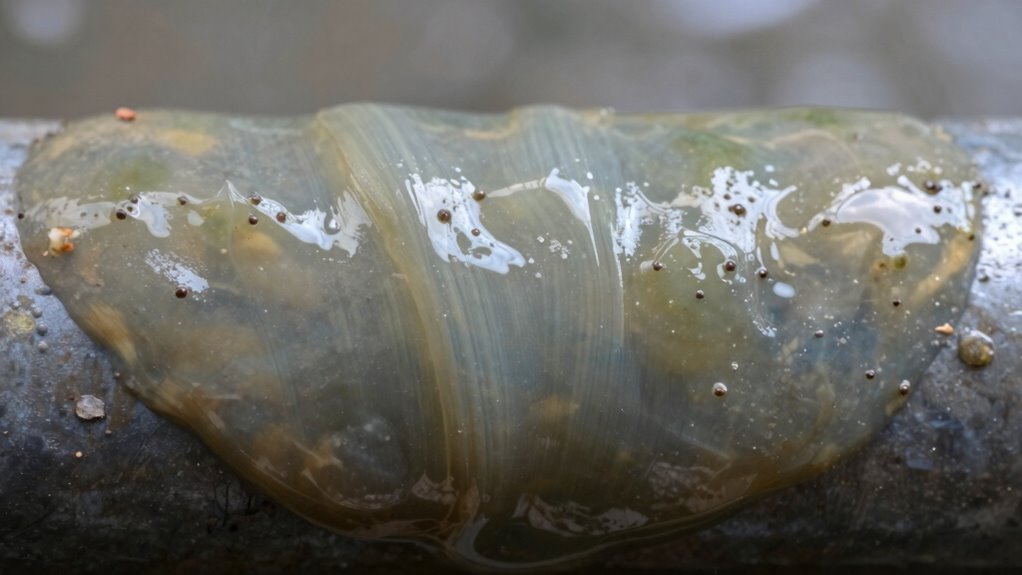
Biofilms commonly form on surfaces where moisture and nutrients are readily available. In marine environments, they grow on rocks, ship hulls, and underwater structures, thriving in damp, nutrient-rich areas. You’ll also find biofilms developing on your teeth, especially as dental plaque, which sticks to the enamel and provides a perfect environment for microbes to multiply. These slimy layers can build up quickly in places with constant moisture. Biofilms prefer areas that stay wet or moist for extended periods, making pools, pipelines, and bathroom surfaces prime spots. In marine settings, they contribute to corrosion and biofouling. In your mouth, they lead to cavities and gum disease. Wherever there’s consistent moisture and nutrients, biofilms are likely to take hold and grow. Additionally, biofilms can impact industrial equipment by causing corrosion and reducing efficiency. Their ability to form protective layers makes them particularly resilient against cleaning efforts and antimicrobial treatments. Moreover, their resilience is partly due to their resistant structures, which shield the microbial community from harsh conditions. These structures also enable biofilms to withstand antimicrobial agents, making them especially challenging to eliminate once established. The adaptability of biofilms allows them to survive in a wide range of environments, complicating removal and control strategies.
How Can You Detect Biofilms in Water Systems?
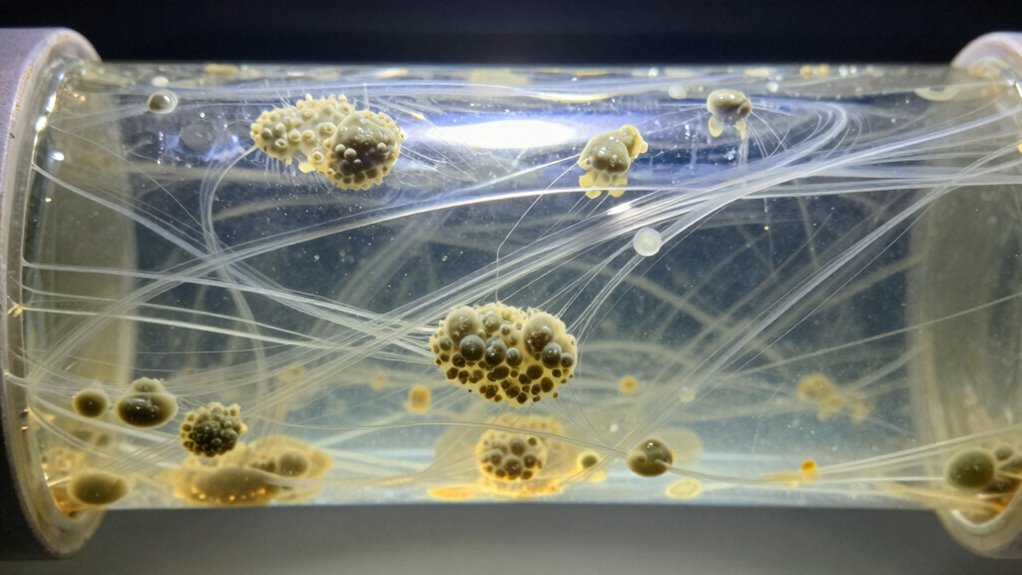
To spot biofilms in water systems, you can start with visual inspection techniques like looking for slimy or discolored surfaces. For more accurate detection, advanced methods such as microbiological testing or sensor technology are available. Understanding these tools helps you identify biofilms early and plan effective control measures. Additionally, monitoring piercing care and hygiene practices can help prevent the formation of biofilms that may harbor bacteria. Regular maintenance and water quality testing are crucial for early detection and prevention of biofilm buildup, as proper water treatment methods can significantly reduce biofilm development.
Visual Inspection Techniques
Detecting biofilms in water systems often relies on visual inspection techniques that allow you to identify signs of biological buildup. You should look for visual cues such as slimy or filmy coatings on pipes, tanks, or other surfaces. Surface anomalies like discoloration, cloudiness, or streaks can also indicate biofilm presence. Regularly inspecting these surfaces helps you catch early signs before the biofilm becomes a bigger problem. Pay close attention to areas where water stagnates or flows slowly, as these spots are more prone to biofilm development. Incorporating monitoring methods can further enhance detection by providing additional insights into biofilm presence. Using inspection schedules ensures that inspections are consistent and effective over time. Implementing advanced inspection tools can improve the accuracy of visual assessments and help locate hidden biofilm colonies. Being aware of biofilm characteristics can help you distinguish biological buildup from other deposits or residues. By staying vigilant and noting surface changes, you can detect biofilms visually and decide whether further testing or cleaning is necessary. Visual inspection remains a straightforward, cost-effective method for initial biofilm detection.
Advanced Detection Methods
Have you considered that visual cues alone might not be enough to identify biofilms accurately? Advanced detection methods like molecular diagnostics and biosensor innovations provide more precise insights. These techniques can:
- Detect microbial communities at the genetic level, revealing biofilm presence before visible signs appear.
- Monitor real-time changes in water systems through biosensors that identify biofilm-related metabolites.
- Offer rapid, on-site testing options, enabling quicker responses to potential contamination.
What Are the Impacts of Biofilms on Health and Industry?
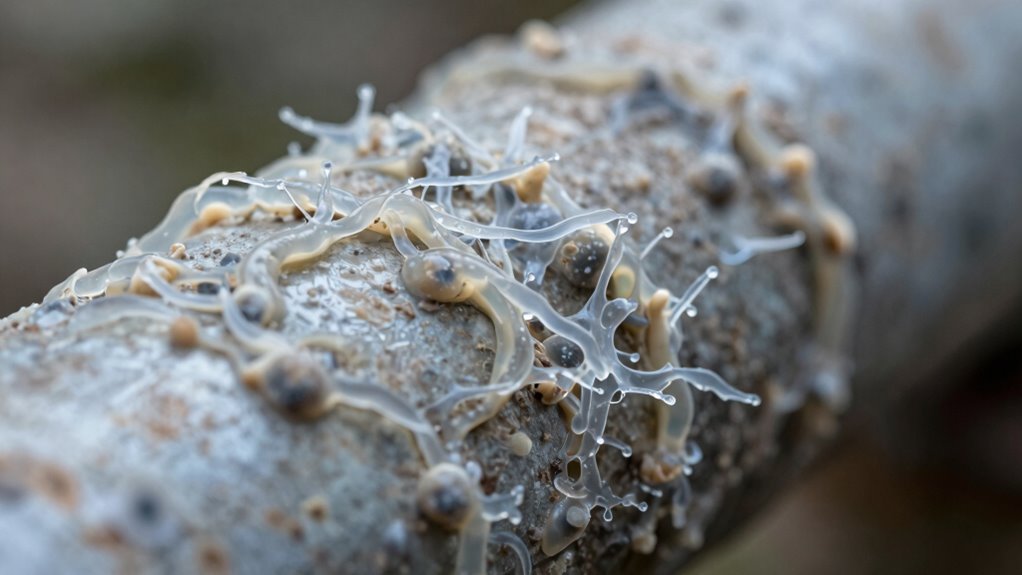
Biofilms can pose serious health risks by harboring harmful bacteria and viruses, making infections harder to treat. In industry, biofilms create maintenance challenges, causing equipment failures and increased costs. Understanding these impacts helps you develop better strategies to manage and prevent biofilm-related issues. Additionally, biofilms can interfere with filtration systems, reducing their effectiveness and leading to potential contamination.
Health Risks and Challenges
Because biofilms form on surfaces in both healthcare and industrial settings, they pose significant health and safety risks. They can harbor harmful bacteria that are often resistant to antibiotics, making infections harder to treat. Biofilm toxicity can lead to tissue damage and inflammation when these bacteria contact your body. Consider these key challenges:
- Increased antimicrobial resistance, which complicates infection control.
- Persistent biofilm presence, making sterilization and cleaning difficult.
- Elevated health risks from exposure to biofilm-associated pathogens.
These factors threaten patient safety in hospitals and compromise industrial equipment, leading to costly repairs. You need to understand that biofilms aren’t just slimy layers—they’re active threats that can escalate health issues and industrial failures if left unmanaged.
Industrial Maintenance Hurdles
Biofilms create significant obstacles in industrial maintenance by forming persistent layers on equipment surfaces, making cleaning and sterilization difficult. These slimy communities shield bacteria and other microbes, compromising cleaning protocols and increasing the risk of contamination. Biofilms also accelerate corrosion, jeopardizing equipment integrity and reliability. To combat these issues, industries must implement more rigorous cleaning protocols and employ advanced methods to remove biofilms effectively. Failure to do so can lead to costly downtime, equipment failure, and compromised safety standards. Proper corrosion prevention strategies become essential when biofilms are involved, as they help maintain the longevity of machinery. Ultimately, understanding biofilm behavior enables you to develop targeted maintenance practices, reducing operational hurdles and safeguarding industry standards.
How Can You Prevent and Control Biofilm Growth?

Controlling biofilm growth requires a combination of proactive cleaning practices and effective treatment strategies. First, regularly perform physical removal to scrub surfaces and dislodge biofilms before they establish deep roots. Second, use appropriate chemical treatments designed to penetrate and weaken the biofilm matrix, making removal easier. Third, maintain strict hygiene protocols and monitor systems to catch early signs of biofilm development. Consistent cleaning prevents biofilms from becoming resistant and reduces the risk of contamination. By combining physical removal with targeted chemical treatments, you can effectively manage biofilm buildup, ensuring cleaner, safer environments. Remember, early intervention is key to preventing biofilms from becoming persistent, hard-to-remove problems.
Future Technologies for Biofilm Management

Advancements in technology are opening new frontiers in biofilm management, offering more effective and targeted solutions. Nanotechnology innovations enable the development of coatings and devices that disrupt biofilm formation at a microscopic level. Researchers are also creating biofilm resistant materials, which can markedly reduce attachment and growth. These materials are integrated into medical devices, pipelines, and water systems for long-term protection. Consider the following approaches:
| Technology | Application | Benefit |
|---|---|---|
| Nanotech coatings | Medical implants, pipes | Prevent biofilm adhesion |
| Biofilm resistant materials | Surfaces in water systems | Reduce biofilm buildup |
| Targeted enzymes | Cleaning protocols | Break down biofilm matrix |
| Smart sensors | Early detection in systems | Prompt intervention |
| Anti-microbial agents | Surface treatments | Kill bacteria before biofilm forms |
Frequently Asked Questions
Are Biofilms Resistant to Standard Cleaning Methods?
Yes, biofilms are resistant to standard cleaning methods because of their surface adhesion properties. They form a sticky, protective matrix that shields bacteria from disinfectants and physical removal. This creates cleaning challenges, as regular scrubbing or chemical treatments often fail to fully eliminate biofilms. To effectively remove them, you need specialized cleaning techniques that target their resilient structure and disrupt their adhesion to surfaces.
Can Biofilms Form in Outdoor Environments?
Like a silent river carving its path, biofilms can form in outdoor environments, shaping ecosystems and influencing environmental impact. You’ll find them on rocks, pipes, and even plants, silently thriving beneath the surface. Their outdoor formation isn’t just a natural process; it affects water quality, habitats, and even infrastructure. Recognizing this helps you appreciate how biofilms are integral to nature’s balance, yet require careful management to prevent unwanted consequences.
What Role Do Biofilms Play in Natural Ecosystems?
You should know that biofilms are essential in natural ecosystems because they host diverse microbial communities that drive nutrient cycling. As you observe these slimy layers on rocks or plants, realize they help break down organic matter, releasing nutrients essential for other organisms. By doing so, biofilms maintain ecosystem balance, support plant growth, and contribute to water quality, making them critical for the health of natural environments.
Are There Biofilm Types Specific to Certain Industries?
Yes, there are industry-specific biofilms that form due to particular conditions and biofilm formation mechanisms. In industries like healthcare, food processing, and water treatment, you encounter biofilm types uniquely adapted to their environments. These biofilms can cause issues like contamination or equipment fouling. Understanding how these industry-specific biofilms develop helps you implement targeted cleaning strategies and control measures to prevent problems and maintain safety and efficiency.
How Do Biofilms Influence Antibiotic Resistance Development?
Biofilms considerably influence antibiotic resistance development by facilitating genetic exchange among bacteria, which spreads resistance genes more rapidly. Inside a biofilm, bacteria develop resistance mechanisms like efflux pumps and enzyme production, making antibiotics less effective. The close proximity of bacteria within biofilms promotes horizontal gene transfer, accelerating the evolution of resistant strains. This environment creates a challenging barrier to treatment, requiring innovative strategies to overcome biofilm-associated resistance.
Conclusion
Understanding biofilms is essential because they’re the silent architects of both innovation and danger. By recognizing how they form and impact your environment, you can stay one step ahead. Don’t let these slimy invaders catch you off guard—think of them as the unseen architects shaping your water systems and health. With awareness and proper control, you hold the power to keep biofilms in check. After all, knowledge is your best defense against the invisible forces at work.