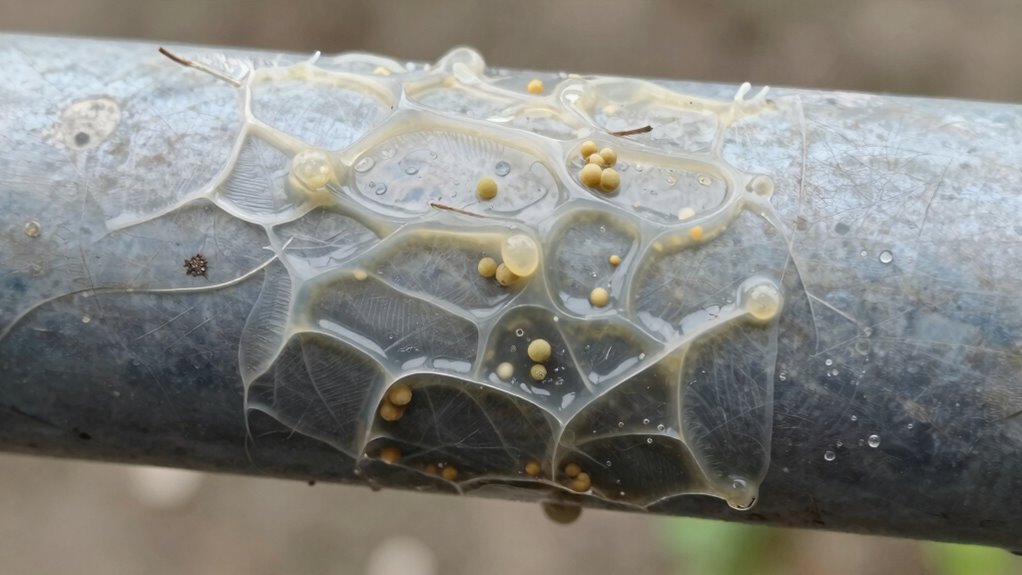

Biofilms are slimy communities of microbes that stick to surfaces in damp environments, like pipes, teeth, or medical devices. They protect bacteria from cleaning agents and antibiotics, making infections and equipment problems more likely. These stubborn layers grow over days or weeks and are hard to remove without special methods. If you want to understand how to spot, prevent, and tackle biofilms effectively, there’s more to discover below.
Key Takeaways
- Biofilms are slimy microbial layers that form on moist surfaces, offering bacteria protection from disinfectants and antibiotics.
- They develop through microbial attachment, extracellular matrix production, and maturation, creating complex, resistant communities.
- Commonly found on medical devices, pipes, teeth, and damp areas, especially where moisture and neglect intersect.
- Biofilms resist cleaning and disinfectants, causing persistent contamination, equipment damage, and health risks.
- Prevention involves regular cleaning, using disruptive agents, early detection, and managing environmental conditions to inhibit growth.
Top picks for "biofilm explain slimy"
As an affiliate, we earn on qualifying purchases.
What Are Biofilms and Why Are They a Problem?
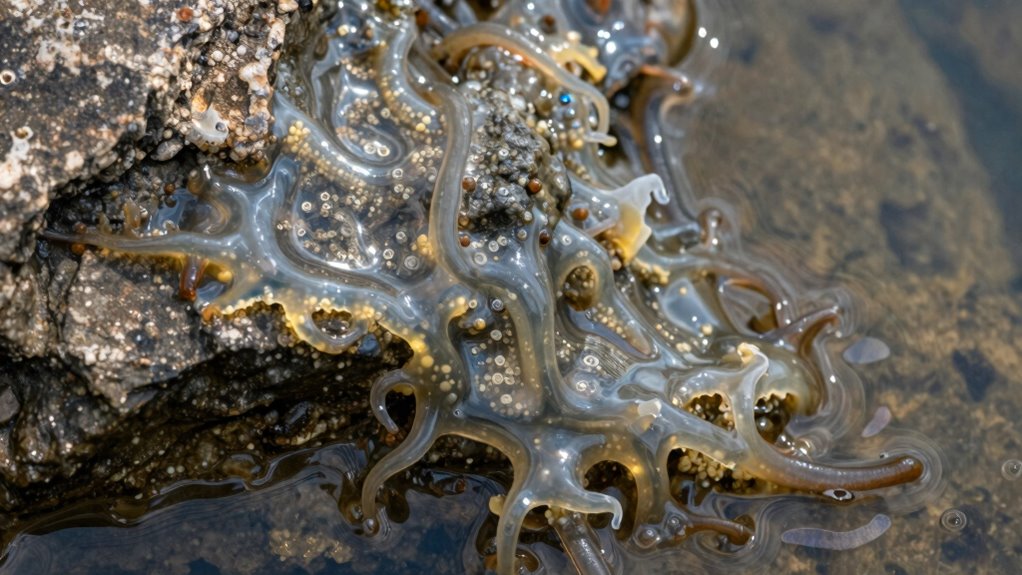
Have you ever wondered why some bacteria are so difficult to eliminate? The answer lies in biofilm formation, a process where bacteria develop a slimy, protective layer. These layers are made up of microbial communities that stick tightly to surfaces, creating a resilient barrier. Once formed, biofilms shield bacteria from antibiotics, disinfectants, and immune responses. This resistance mechanism is a key reason why infections can become persistent and hard to treat. Biofilms can develop on medical devices, pipes, and teeth, leading to contamination and damage. Their structure allows bacteria to share nutrients and communicate, increasing their survival chances. Additionally, the presence of highly resistant microbial communities in biofilms makes eradication even more challenging. Because of this, biofilms are a major problem in healthcare, industry, and everyday life. Understanding biofilm formation helps explain why these microbial communities are so stubborn and problematic.
Where Do Biofilms Usually Grow in Daily Life and Industry?
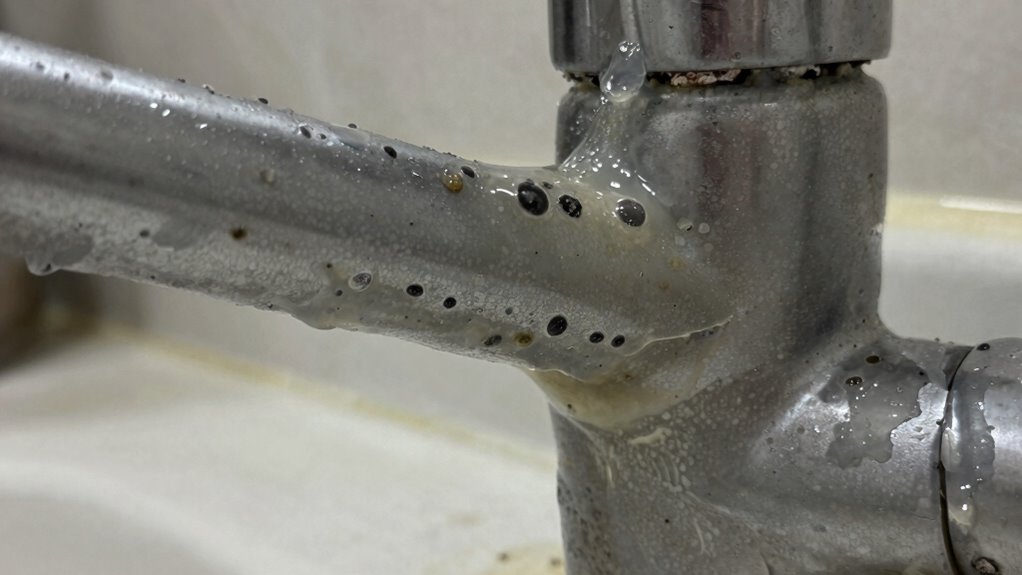
Biofilms tend to form on surfaces that are frequently moist or neglected, making them common in both daily environments and industrial settings. In your home, you might notice biofilms as kitchen mold growing on damp countertops, sinks, or behind appliances. They also develop as dental plaque on your teeth, especially if you skip regular brushing. Industrial areas aren’t immune either; biofilms can form inside pipes, tanks, and cooling systems where moisture persists. These slimy layers can cause contamination, corrosion, and equipment failure. Whether in your kitchen or a factory, biofilms thrive where moisture, warmth, and neglect intersect. Recognizing these common spots helps you understand where biofilms tend to grow and why they’re so persistent in everyday life and industry. Understanding biofilm formation can help in developing effective cleaning and prevention strategies. Biofilm development is often accelerated by poor maintenance and insufficient cleaning routines, allowing these layers to establish more easily. Additionally, biofilms can protect bacteria from disinfectants, making them even harder to eliminate, especially in industrial environments where cleaning protocols may be inconsistent.
How Do Biofilms Form and Grow Over Time?
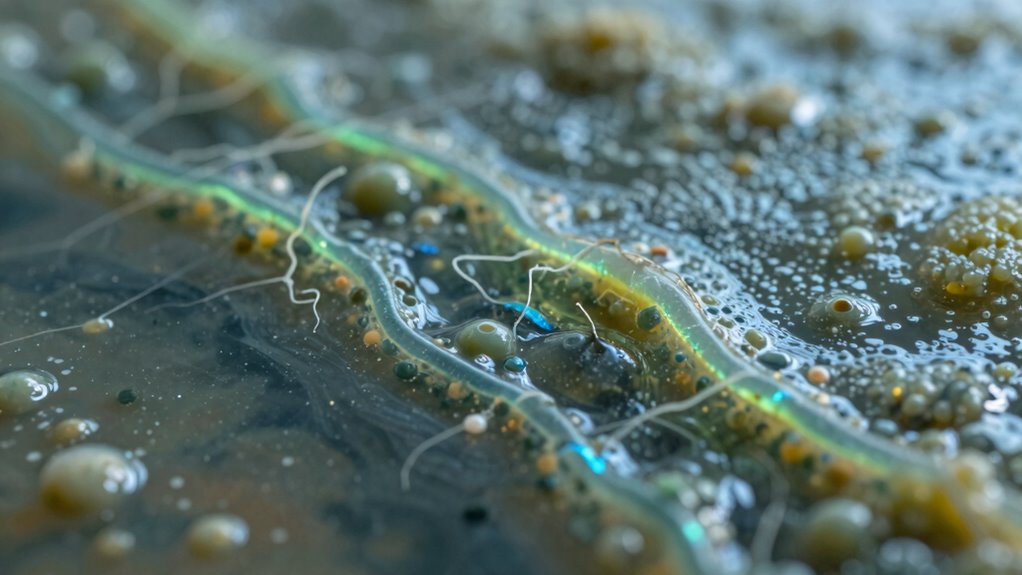
Biofilm formation begins when free-floating microorganisms, such as bacteria and fungi, attach to a surface, especially one that’s moist and neglected. During biofilm formation, these microorganisms adhere tightly, creating an initial layer. As they settle, they start to produce extracellular polymeric substances (EPS), which act like a glue holding the community together. This sticky matrix protects the microbes and provides a foundation for biofilm growth. Over time, more microorganisms join, and the biofilm thickens, developing complex structures like channels for nutrient flow. As biofilm growth continues, it becomes more resistant to cleaning and antimicrobial agents. The resistance of biofilms is a key reason why they are so difficult to eliminate once established. This gradual process can take days to weeks, depending on environmental conditions, allowing the biofilm to mature into a resilient, slimy community that’s difficult to remove. Understanding biofilm resistance can help in selecting effective cleaning methods to disrupt biofilm development. Additionally, heat distribution plays a role in how well cleaning agents penetrate and impact biofilms, making temperature considerations important during sanitation procedures. Moreover, factors like nutrient availability influence the rate at which biofilms develop and their overall robustness. The presence of biofilm-specific adaptations further enhances their ability to withstand various environmental stresses.
Why Are Biofilms Difficult to Remove, and How Do They Affect Your Health and Equipment?
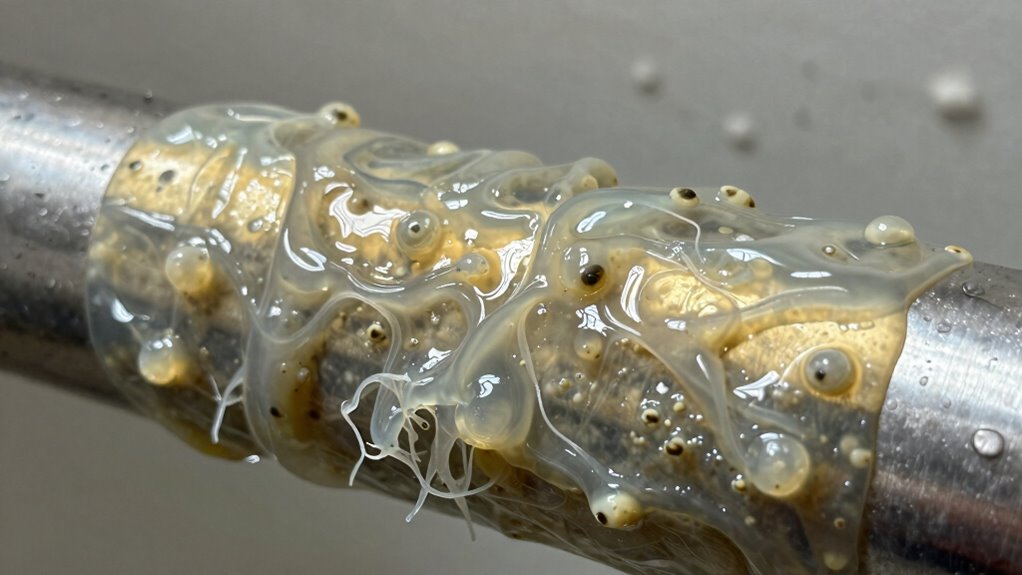
Because of their protective matrix, biofilms are notoriously difficult to remove, often resisting standard cleaning methods and antimicrobial treatments. This biofilm resistance means they can persist on surfaces and equipment, making eradication challenging. Their resilience allows them to withstand harsh conditions, including disinfectants and cleaning agents that usually kill bacteria. As a result, biofilms can cause ongoing contamination, leading to health risks like infections and illnesses. In equipment, biofilms promote corrosion, clog pipes, and decrease efficiency, increasing maintenance costs. Their ability to shield bacteria protects pathogens from eradication efforts, so you may need specialized cleaning strategies. Recognizing biofilm resilience helps you understand why they’re so persistent and emphasizes the importance of targeted removal methods to safeguard your health and equipment. Additionally, using effective cleaning techniques designed specifically for biofilm removal can significantly improve sanitation outcomes. Employing proper cleaning and disinfection protocols tailored for biofilm eradication is essential for maintaining safe environments. Understanding the biofilm structure can help in choosing the most effective removal methods and prevent future buildup. Moreover, awareness of biofilm-related resistance mechanisms enables the development of more effective eradication strategies, especially when combined with advanced cleaning technologies.
How Can You Prevent and Disrupt Biofilms Effectively?
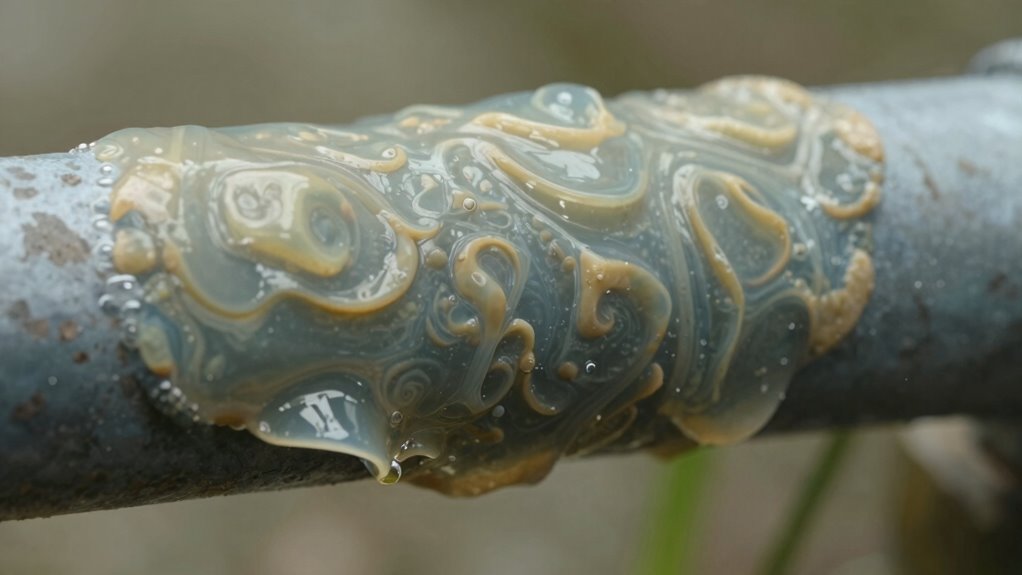
You can prevent and disrupt biofilms by maintaining regular cleaning routines that target stubborn buildup. Using effective disruptive agents, like specialized cleaning solutions, helps break down the protective layers of biofilms. Consistently applying these strategies keeps surfaces cleaner and reduces the risk of biofilm formation. Additionally, understanding biofilm composition can help you choose the most effective cleaning methods and agents to combat these slimy layers. Recognizing the importance of surface material can guide you in selecting appropriate cleaning techniques to prevent biofilm development on different surfaces. Incorporating knowledge of antimicrobial agents can further enhance your ability to effectively eliminate biofilms and protect surfaces from persistent contamination. Emphasizing preventive maintenance ensures long-term surface health and minimizes recurring biofilm issues, especially when tailored to specific environmental conditions that influence biofilm growth.
Regular Cleaning Strategies
Regular cleaning is essential for preventing and disrupting biofilms before they become difficult to remove. Consistent surface cleaning removes the initial layers of biofilm, making it easier to control. Incorporate routine maintenance into your schedule to target problem areas, especially those prone to moisture buildup. Use appropriate cleaning agents that can penetrate biofilm layers and inhibit bacterial growth. Pay close attention to high-touch surfaces, pipes, and drains, as these are common sites for biofilm development. Regularly wiping down surfaces with disinfectants reduces the chances of biofilm formation. Additionally, understanding filtration systems can help you choose the right equipment to prevent biofilm buildup in appliances. Implementing monitoring techniques can help detect early signs of biofilm formation, allowing for timely intervention. Utilizing antimicrobial agents in cleaning routines can further inhibit biofilm development and bacterial resistance. Moreover, maintaining proper ventilation and humidity levels can reduce moisture-related biofilm growth. By maintaining a steady cleaning routine, you prevent biofilms from establishing a stronghold. This proactive approach keeps surfaces cleaner, safer, and less susceptible to persistent biofilm-related problems over time.
Using Disruptive Agents
Using disruptive agents is essential for effectively breaking down and preventing mature biofilms. These agents work by disrupting the biofilm’s protective matrix, exposing bacteria to cleaning agents or disinfectants. Biofilm removal techniques often incorporate chemical agents like enzymes, surfactants, or oxidizers that target the extracellular polymeric substances. Mechanical methods, such as scrubbing or high-pressure rinsing, can also enhance disruption. Combining chemical and physical approaches maximizes biofilm removal, ensuring bacteria are eliminated rather than just hidden. Regular use of these disruptive agents prevents biofilms from establishing a resilient barrier, reducing the risk of contamination and infections. By applying targeted biofilm removal techniques, you can maintain cleaner surfaces, improve hygiene, and extend the lifespan of equipment.
When Should You Seek Professional Help for Biofilm Problems?
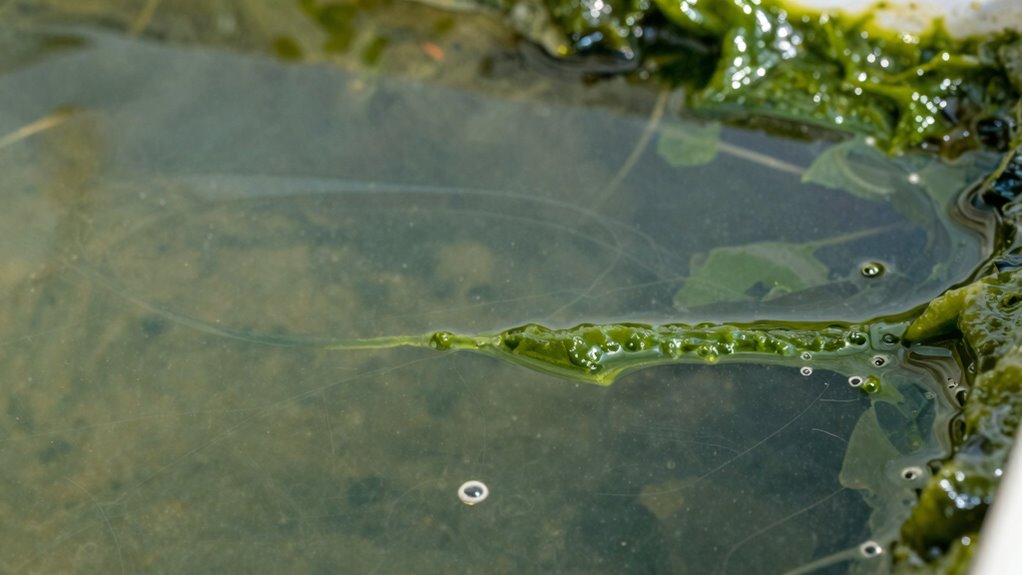
If you notice persistent odors or ongoing water contamination, it’s time to contemplate professional help. Health symptoms like allergies or respiratory issues linked to your environment are also warning signs. Don’t ignore these signs—consult experts to address potential biofilm issues effectively.
Recognizing Persistent Odors
Persistent odors that refuse to fade despite cleaning efforts are a strong sign that biofilm may be present and causing ongoing issues. If you notice a stubborn smell lingering in your home or on surfaces, it’s time to contemplate odor detection as a clue. Biofilms trap bacteria and mold, releasing foul odors that are tough to eliminate with standard cleaning. If regular scent elimination methods don’t work, it’s a clear sign you need professional help. Ignoring persistent odors can lead to health risks and more extensive biofilm growth. Recognizing these signs early helps prevent further contamination. When odors remain despite thorough cleaning, don’t hesitate to seek expert assistance to identify and address the hidden biofilm problem effectively.
Noticing Water Contamination
When odors linger despite cleaning, it’s a sign that biofilm might be hiding somewhere, often within your water systems. If you notice unusual tastes, discoloration, or persistent smells, it’s time to contemplate professional help. Here are three signs you should seek assistance:
- Unexplained water discoloration or cloudiness
- Persistent foul odor despite cleaning efforts
- Presence of slimy residue or biofilm buildup in taps or drains
To confirm contamination sources, water testing is essential. Professional testing identifies hidden biofilm and contamination, helping you determine if your water supply needs treatment. Addressing these issues early prevents health risks and costly repairs, ensuring safe, clean water for your household.
Experiencing Health Symptoms
Have you noticed unexplained health issues like stomach upset, skin irritation, or respiratory problems? These symptoms could be linked to biofilm presence in your environment, especially if biofilm detection hasn’t been confirmed. If your health symptoms persist despite cleaning efforts, it’s important to contemplate the health symptom correlation with potential biofilm buildup. Persistent issues may indicate biofilms releasing harmful bacteria or toxins, which can affect your well-being. When symptoms are ongoing or worsening, it’s time to seek professional help. A healthcare provider can evaluate your health and recommend testing or environmental assessments. Addressing biofilm problems promptly can prevent more serious health complications and improve your overall wellness. Don’t ignore ongoing symptoms—professional guidance is essential.
Frequently Asked Questions
Are Biofilms Visible to the Naked Eye?
Biofilms can sometimes be visible to the naked eye, especially when they form thick layers on surfaces. You’ll notice the slimy surface adhesion caused by microbial communities working together. These communities create a protective matrix that makes the biofilm more apparent, often appearing as a filmy or discolored layer. While small biofilms are invisible, larger ones tend to be quite noticeable, especially on bathroom tiles, pipes, or other damp surfaces.
Can Biofilms Form in Outdoor Environments?
Yes, biofilms can form on outdoor surfaces. You might notice slimy or discolored patches on things like rocks, plant leaves, or even outdoor equipment. Biofilm formation occurs when microorganisms, like bacteria and algae, stick to surfaces and produce a slimy matrix. Environmental factors such as moisture, temperature, and nutrients encourage biofilm growth outdoors. Regular cleaning and maintenance help prevent these persistent, often hidden, biofilms from developing and causing problems.
How Long Does It Take for a Biofilm to Develop?
Biofilm growth can start within hours, but the full development timeline varies depending on conditions. Typically, you’ll see initial attachment within a few hours, followed by rapid microbial accumulation over the next few days. In ideal environments, a mature biofilm may develop in about a week. Factors like nutrient availability, temperature, and surface type influence the development timeline, so keep an eye on surfaces prone to biofilm formation regularly.
Do Biofilms Cause Corrosion in Pipes and Equipment?
Think of biofilm as a hidden enemy that slowly wears down your pipes. Yes, biofilms cause corrosion through their complex structure, which traps moisture and corrosive agents. Detecting biofilm early is vital; biofilm detection methods reveal its presence before damage worsens. By understanding this slimy threat, you can implement maintenance strategies to prevent costly pipe failures and keep your equipment running smoothly.
Are There Natural Methods to Control Biofilms?
Yes, you can use natural remedies to control biofilms and improve biofilm prevention. Regularly cleaning surfaces with vinegar or baking soda disrupts biofilm growth, while maintaining good hygiene reduces their formation. Using natural antimicrobial agents like essential oils, such as tea tree or eucalyptus, also helps inhibit biofilm development. Combining these methods keeps your pipes and equipment cleaner, reducing the slimy buildup and preventing costly damage caused by biofilms.
Conclusion
If you spot persistent slimy spots in your pipes or on surfaces, don’t ignore them. For example, a restaurant owner faced ongoing mold issues until a professional treated their water lines, eliminating the biofilm and preventing future growth. Staying vigilant and acting quickly can save you money and health. Remember, biofilms are sneaky, but with prompt action and expert help, you can keep your environment safe and clean.