
Chlorine and bromine are common sanitizers that disinfect water by killing bacteria, viruses, and algae, but chlorine works faster and reacts with organic matter to form odors and irritants. Bromine is more stable, especially at higher temperatures, and produces fewer odors. Alternatives like UV and ozone reduce chemical use and byproduct formation, offering safer, eco-friendly options. To understand how these differ in function and benefits, keep exploring their roles in maintaining clean water.
Key Takeaways
- Chlorine rapidly disinfects water but can produce odors and irritants, while bromine is effective with fewer odors and better stability at high temperatures.
- Alternative sanitizers like UV and ozone use physical processes to kill pathogens, reducing chemical byproducts and environmental impact.
- Chlorine and bromine rely on chemical residuals for ongoing sanitation, requiring careful management to maintain water quality.
- Bromine offers more consistent water stability, especially in hot or indoor pools, whereas chlorine can cause water chemistry fluctuations.
- Combining chemical sanitizers with UV or ozone enhances safety and reduces chemical usage, aligning with sustainable and effective pool maintenance.

With so many sanitizers available today, choosing the right one can be confusing. You want a solution that keeps your pool safe and clear, but you also need to weigh how well it maintains pool chemical stability and its environmental impact. Understanding how chlorine, bromine, and alternative sanitizers work helps you make an informed decision. For example, emerging European cloud solutions demonstrate the importance of innovative, sustainable technology in supporting responsible pool management practices. Chlorine is the most common pool sanitizer, and it’s valued for its proven effectiveness in killing bacteria, viruses, and algae. Its ability to rapidly disinfect makes it a popular choice. When you add chlorine to your pool, it forms compounds called chloramines, which can cause the familiar “chlorine smell” and irritate your skin and eyes. To keep the water safe and maintain pool chemical stability, you need to monitor chlorine levels regularly because overuse can lead to unstable water chemistry, while too little leaves your pool vulnerable to contaminants. From an environmental perspective, chlorine is relatively inexpensive and widely available, but it can produce disinfection byproducts that may harm aquatic life if not managed properly. This makes it vital to balance its use carefully to minimize its environmental impact.
Bromine, on the other hand, offers some advantages over chlorine. It’s more stable at higher temperatures, making it ideal for hot tubs or indoor pools. Bromine doesn’t form chloramines as readily, so it tends to produce less odor and skin irritation. Its chemical stability helps maintain consistent water quality, reducing the frequency of adjustments needed. However, bromine can be more expensive and less effective against certain pathogens in comparison to chlorine. Environmentally, bromine compounds tend to be more persistent, and their breakdown products can be more challenging to manage. This means that while bromine might be gentler on your skin and eyes, it could have a larger environmental footprint if not used responsibly.
Alternatives like mineral systems, UV sterilization, or ozone generators aim to reduce or eliminate the need for traditional chemical sanitizers. These options often focus on supplementing or replacing chlorine and bromine to improve pool water quality while minimizing chemical use. They tend to offer better pool chemical stability and are generally more environmentally friendly because they produce fewer disinfection byproducts. However, they require a higher initial investment and regular maintenance to ensure effectiveness. These systems are appealing if you’re concerned about environmental impact, but they still often need some chemical residuals or secondary sanitation methods to keep water safe.

Clorox® Pool&Spa™ Spa Water All-in-One Sanitizer & Shock, Destroys Contaminants, Clears Cloudy Water, 2LB (Pack of 1)
- All-in-One Spa Sanitizer and Shock: Combines sanitizing and shocking capabilities
- Effective Contaminant Removal: Destroys contaminants for safe water
- Clears Cloudy Water Quickly: Restores sparkling clarity to spa water
As an affiliate, we earn on qualifying purchases.
As an affiliate, we earn on qualifying purchases.
Frequently Asked Questions
How Do Sanitizer Costs Compare Over Time?
You’ll find that sanitizer costs vary over time, with chlorine often being the most affordable initially, but expenses can rise with chemical consumption and maintenance. Bromine tends to have higher upfront costs but may offer longer-lasting effectiveness, reducing ongoing expenses. Alternative sanitizers like UV or ozonators might have higher initial investments but lower long-term expenses. Overall, the cost comparison depends on usage patterns and system efficiency, influencing expense trends over time.
Are There Health Risks With Each Sanitizer Type?
You might face health effects from each sanitizer type with long-term exposure, but risks vary. Chlorine can cause respiratory issues and skin irritation, especially with prolonged contact. Bromine is gentler but still may cause skin or eye irritation over time. Alternative sanitizers generally pose fewer health risks, but some could cause allergies or sensitivities. Always follow safety guidelines to minimize long-term health effects, regardless of the sanitizer you choose.
Which Sanitizer Is Best for Sensitive Skin?
If you have sensitive skin, bromine is your best bet, as studies show it causes less skin irritation and fewer sanitizer allergies than chlorine. About 20% of pool users report skin discomfort with chlorine, while bromine’s gentler nature diminishes this risk. You’ll likely experience fewer sanitizer allergies and less skin irritation, making bromine a safer choice for sensitive skin. Always test a small area first to verify compatibility.
How Effective Are Alternative Sanitizers Against Viruses?
Alternative sanitizers can be quite effective against viruses, but their viral inactivation depends on proper use and concentration. They often provide good sanitizer efficacy, especially when combined with other disinfecting methods. While some alternatives may not match chlorine or bromine in all cases, many are capable of inactivating common viruses if applied correctly. Always follow manufacturer instructions to guarantee maximum viral inactivation and overall sanitizer efficacy.
Do Different Sanitizers Impact Water Chemistry Differently?
Think of each sanitizer as a different artist working on your water’s canvas. They interact uniquely with water chemistry, altering pH levels, alkalinity, and other elements. Some, like chlorine, react swiftly, while bromine and alternatives may be gentler or linger longer. These sanitizer interactions influence water clarity and safety, so choosing the right one affects your pool’s health and balance, much like selecting the right brush for a masterpiece.

Clorox® Pool&Spa™ Spa Bromine Tablets- Bromine Tablets for Spa & Hot Tub, Low-Odor Sanitization, Kills Bacteria, Restores Water Clarity, Slow-Dissolving, 1.5LB (Pack of 1)
- Low-Odor Sanitization: Provides low-odor spa sanitization
- Restores Water Clarity: Eliminates contaminants for clear water
- Slow-Dissolving Formula: Ensures extended, consistent sanitization
As an affiliate, we earn on qualifying purchases.
As an affiliate, we earn on qualifying purchases.
Conclusion
So, whether you choose chlorine, bromine, or an alternative sanitizer, remember that each option fights bacteria in its own way. It’s interesting how, just like the unexpected coincidences in life, the right sanitizer can perfectly match your pool’s needs. Sometimes, it’s the simple choice that brings the best results, proving that even in pool chemistry, a little coincidence can lead you to the perfect solution. Trust your instincts, and enjoy a safe, sparkling swim.
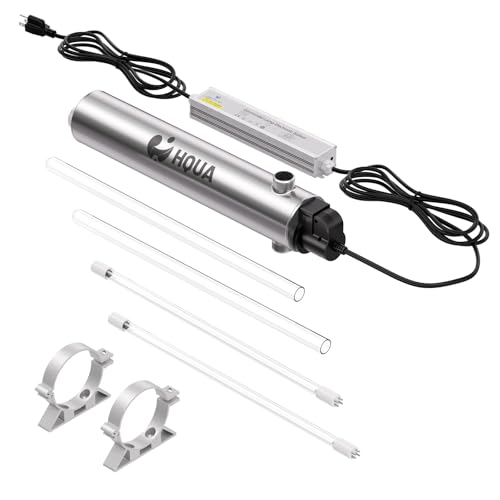
HQUA-TWS-121 120V 55W 12GPM 1“ MNPT Inlet/Outlet, Whole House Ultraviolet Water Purifier Filter, + 1 Extra UV Bulb, + 1 Extra Quartz Sleeve
- Flow Rate: 12 GPM
- Power Consumption: 55W
- Dimensions: 21 inch length, 3.5 inch diameter
As an affiliate, we earn on qualifying purchases.
As an affiliate, we earn on qualifying purchases.

DEL Ozone EC-20 Eclipse-20 Pool Ozone Generator
- Product Name: DEL Ozone EC-20 Eclipse-20
As an affiliate, we earn on qualifying purchases.
As an affiliate, we earn on qualifying purchases.