


Feeling relaxed might give you a quick boost in comfort, but true recovery restores your body and mind for future demands. Relaxation can be superficial, like sitting comfortably or enjoying calming music, yet it doesn’t necessarily improve health or performance. Genuine recovery involves deeper processes like quality sleep, mindfulness, and making intentional health choices that support long-term resilience. If you want to understand how to truly restore your energy and well-being, keep exploring these key differences.
Key Takeaways
- Feeling relaxed is a temporary state; true recovery restores physical and mental function for future demands.
- Relaxation may reduce immediate stress, but genuine recovery involves cellular repair and hormonal balance.
- Mindfulness and quality sleep deepen recovery beyond surface relaxation, promoting lasting health benefits.
- Sleep quality and specific sleep stages are essential for full recovery, not just overall sleep duration.
- Short-term relaxation techniques offer temporary relief, while consistent healthy habits foster long-term recovery.
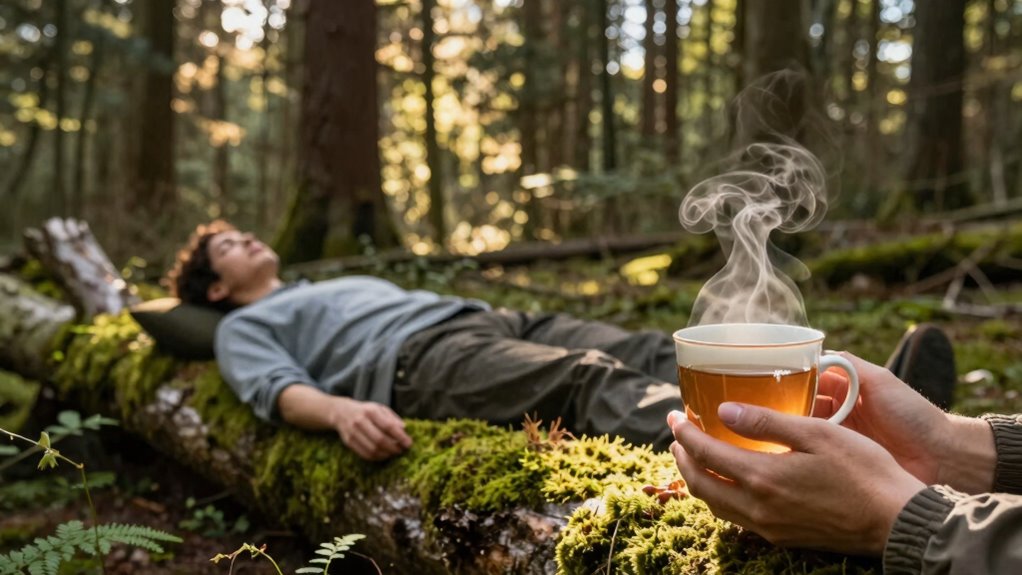
Many people confuse the feeling of relaxation with true recovery, but they’re not the same. Feeling relaxed might mean you’re sitting comfortably or taking a break, but genuine recovery goes deeper. It involves restoring your body and mind so you’re prepared for the demands ahead. While relaxation can be a part of recovery, it doesn’t automatically translate into better health or performance. That’s why understanding the difference is key to improving your overall well-being.
Relaxation feels good, but true recovery restores your body and mind for lasting health and performance.
One way to bridge this gap is by incorporating mindfulness techniques into your routine. Mindfulness helps you stay present and aware of your body’s signals, which can lead to more meaningful recovery. When you practice mindfulness, whether through breathing exercises or meditation, you’re actively engaging with your body rather than just feeling relaxed on the surface. This awareness allows you to identify areas of tension or fatigue that might otherwise go unnoticed. Over time, mindfulness encourages a more intentional approach to recovery, helping you distinguish between fleeting relaxation and actual progress.
Another essential factor in true recovery is sleep quality. Many people assume that simply getting enough hours of sleep is enough, but quality matters just as much as quantity. Deep, restorative sleep allows your body to repair tissues, regulate hormones, and clear metabolic waste. When your sleep quality is poor, you might feel relaxed when you wake up, but your body isn’t truly recovering. You may also wake up feeling groggy or fatigued, which indicates your body didn’t reach the necessary stages of restorative sleep. Prioritizing good sleep hygiene, such as maintaining a consistent sleep schedule and avoiding screens before bed, can notably enhance your recovery process. Additionally, sleep quality can be improved through practices like optimizing your sleep environment and managing stress levels. Incorporating sleep hygiene practices that support your circadian rhythm can further boost recovery by aligning your sleep patterns with your body’s natural cycles. Recognizing that sleep stages are crucial for full recovery can help you focus on achieving more restful sleep. Furthermore, understanding how different recovery strategies impact your overall health can guide you toward more effective routines.
It’s important to recognize that feeling relaxed is often a temporary state, while true recovery involves consistent effort and targeted strategies. Relaxation techniques like taking a warm bath or listening to calming music might help you unwind temporarily, but they don’t replace the benefits of practicing mindfulness or improving sleep quality. When you focus on these deeper aspects of recovery, you’re fostering resilience and energy that last beyond the moment of relaxation. In the end, true recovery isn’t just about feeling calm; it’s about making intentional choices that support your body’s natural healing processes and long-term health.
As an affiliate, we earn on qualifying purchases.
Frequently Asked Questions
How Can I Tell if I’M Truly Recovering or Just Relaxing?
You can tell if you’re truly recovering by noticing tangible improvements in your strength, endurance, or soreness levels, not just feeling calm. Incorporate mindful stretching to enhance flexibility and monitor how your body responds. Stay consistent with hydration strategies, drinking enough water to support recovery processes. If your performance improves and soreness decreases over time, you’re genuinely recovering; if not, you might only be relaxing without proper recovery.
What Are the Signs of Effective Recovery Beyond Feeling Relaxed?
Think of recovery like a garden blossoming—you’ll see signs beyond just feeling relaxed. You notice improved energy levels, less muscle soreness, and better focus. When you incorporate mindful breathing and active stretching into your routine, these practices help your body rebuild stronger. Effective recovery means you’re bouncing back, not just unwinding temporarily. Keep track of your progress, and you’ll see your body thriving, not just resting.
Does Relaxation Always Mean Better Recovery?
Relaxation doesn’t always mean better recovery. You might feel mentally relaxed, but if physical tension or underlying stress remains, your body isn’t fully recovering. True recovery involves reducing both mental stress and physical tension, allowing your muscles to repair and your mind to reset. So, while feeling relaxed is a good sign, it’s essential to confirm your body is genuinely recovering by addressing deeper stress and tension.
How Long Should Recovery Periods Last for Optimal Results?
Recovery periods should last around 24 to 48 hours, giving your body ample time for muscle repair and restoring sleep quality. Think of it as giving your muscles a gentle pause in a busy symphony, allowing them to harmonize and strengthen. Skimping on rest risks leaving your muscles undercooked, while proper downtime guarantees your body rebuilds stronger, ready to conquer the next challenge with renewed energy and resilience.
Are There Specific Activities That Enhance Recovery More Than Relaxation?
Yes, activities like active stretching and mindful breathing enhance recovery more than just relaxing. Active stretching helps loosen tight muscles, boost circulation, and reduce stiffness, speeding up healing. Meanwhile, mindful breathing calms your nervous system, lowers stress hormones, and improves oxygen flow to tissues. Incorporating these into your routine can optimize recovery, making you feel more refreshed and ready faster than passive relaxation alone.
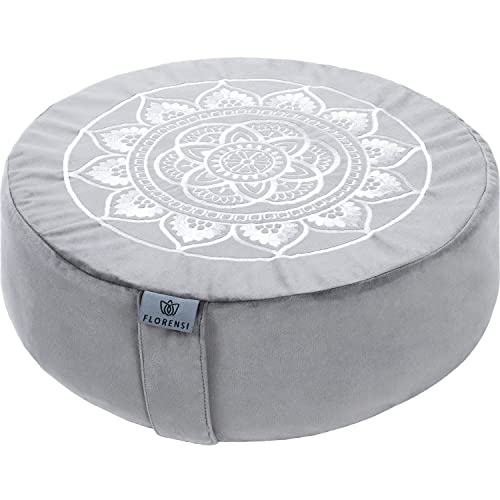
Florensi Meditation Cushion Grey Velvet Buckwheat Round Yoga Floor Seat
- Comfortable Meditation Seating: Stable and supportive for meditation and yoga
- Buckwheat Filled Cushion: Conforms to your seating for support
- Soft Velvet Cover: Stylish and comfortable for daily use
As an affiliate, we earn on qualifying purchases.
As an affiliate, we earn on qualifying purchases.
Conclusion
Remember, relaxation and recovery aren’t just about rest—they’re about renewal. Don’t just drift into a dazed daze; immerse yourself in deliberate downtime that truly restores. By blending mindful moments with meaningful movement, you’ll boost your balance and bounce back better. So, stop settling for superficial serenity, and start syncing your sensations with your strength. Truly thriving means transforming tranquil times into powerful, purposeful progress. Prioritize your peace—because real recovery begins when relaxation becomes relenting renewal.
sleep environment optimization products
As an affiliate, we earn on qualifying purchases.
As an affiliate, we earn on qualifying purchases.
As an affiliate, we earn on qualifying purchases.