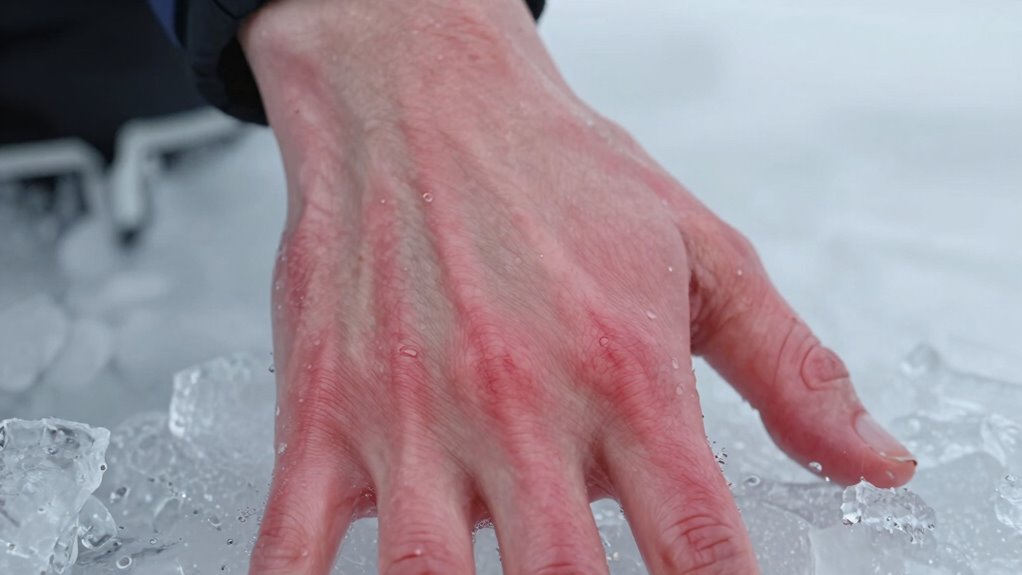

When you’re exposed to cold, your blood vessels narrow in a process called vasoconstriction, which reduces blood flow to your skin and extremities. This action helps conserve heat and protect essential organs like your heart and brain. As a result, your fingers and toes may feel numb or look pale. Understanding how your body manages blood flow during cold exposure can help you stay safer—continue exploring to learn more about these crucial responses.

Get home appliances delivered free with Prime
- Fast, free delivery on millions of items
- Prime Video, Amazon Music and more included
- Member-only deals all year
Key Takeaways
- Cold exposure triggers vasoconstriction, narrowing blood vessels to conserve heat and prioritize vital organs.
- Vasoconstriction reduces blood flow to extremities, causing numbness, paleness, and potential cold injuries.
- Prolonged vasoconstriction can impair tissue health, increasing frostbite risk and slowing healing.
- The body cycles between vasoconstriction and vasodilation to regulate temperature and maintain circulation.
- Proper clothing and warming help reverse vasoconstriction, restoring blood flow and preventing cold-related damage.
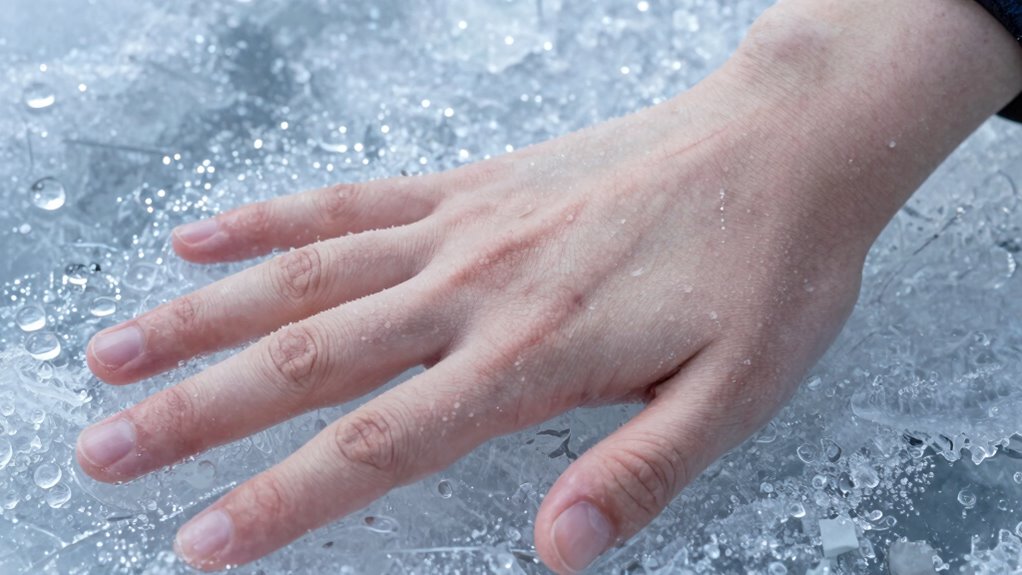
When you expose your body to cold temperatures, your blood flow responds in ways that can both challenge and benefit your health. One of the key reactions is the vasoconstriction response, where your blood vessels narrow to reduce blood flow to your skin. This process is part of your body’s thermoregulation mechanisms, which work tirelessly to maintain your core temperature. When you’re in a cold environment, your body recognizes the drop in temperature and triggers vasoconstriction to conserve heat. By narrowing blood vessels near your skin, less warm blood reaches the surface, helping you retain core warmth and preventing rapid heat loss.
Cold exposure triggers vasoconstriction, narrowing vessels to conserve heat and protect vital organs.
This vasoconstriction response is a rapid and automatic reaction. It’s your body’s way of prioritizing vital organs like your heart, brain, and lungs over your extremities. While this constriction is protective in the short term, it also means your fingers and toes may feel numb or look pale because less blood is circulating there. Over time, if exposure continues, this response can become more pronounced, potentially leading to frostbite or other cold-related injuries if you don’t take measures to warm up. Understanding the blood flow regulation process can help you better prepare for and respond to cold conditions. Additionally, repeated cold exposure can influence your body’s ability to adapt through processes like cold acclimatization, which may alter vasoconstriction responses over time. Regular exposure can also promote improved circulatory efficiency as your body learns to better manage blood flow during cold stress.
Your body’s thermoregulation mechanisms are constantly balancing heat production and heat loss. When cold exposure occurs, your body increases heat production through shivering and metabolic processes, but simultaneously, vasoconstriction minimizes heat loss through your skin. This dynamic process is essential for survival, especially in extreme environments. However, prolonged vasoconstriction can have downsides, such as reduced blood flow to your extremities, which may impair tissue health and slow healing if cold exposure persists. Recognizing the importance of vasoconstriction and vasodilation**** cycles can help you manage cold exposure more effectively. Being aware of these cycles can also aid in developing strategies for rapid warming and circulation restoration after cold exposure.
Knowing how your blood flow reacts to cold helps you understand the importance of managing exposure. Wearing appropriate clothing, staying dry, and limiting time in freezing temperatures can help prevent excessive vasoconstriction and protect your circulation. When you warm up, your blood vessels dilate again—a process called vasodilation—restoring normal blood flow. This cycle of vasoconstriction and vasodilation is central to your body’s response to cold and crucial for maintaining overall health. Recognizing the signs of improper circulation can prompt early action to prevent cold-related injuries and promote safe rewarming.
As an affiliate, we earn on qualifying purchases.
Frequently Asked Questions
How Quickly Does Blood Flow Change During Cold Exposure?
During cold exposure, your blood flow changes within minutes due to vasoconstriction response, which narrows blood vessels to conserve heat. You’ll notice blood flow variability as your body redirects blood away from extremities to essential organs. This rapid adjustment helps you stay warm, but prolonged cold can reduce circulation considerably. So, your blood flow can change almost instantly, adapting quickly to maintain your core temperature.
Can Cold Exposure Improve Circulation Long-Term?
Cold exposure can dramatically boost your circulation over time if you persist, like turning a slow-moving river into a rushing torrent. Your body adapts through cold adaptation, which trains your blood vessels to respond better. The vasoconstriction response becomes more controlled, helping improve blood flow and overall cardiovascular health. Regular exposure encourages your system to become more efficient, potentially leading to long-term benefits for circulation and resilience.
Does Cold Exposure Affect Blood Pressure?
Cold exposure can cause your blood pressure to rise temporarily due to the vasoconstriction response, where blood vessels narrow to conserve heat. This is part of cold therapy benefits, helping reduce inflammation and improve circulation over time. However, if you have existing hypertension, prolonged cold exposure might increase risks. Always consult a healthcare professional before integrating cold therapy into your routine, especially if you have blood pressure concerns.
Are There Risks for People With Circulatory Issues?
If you have circulatory issues or cold sensitivity, cold exposure can pose serious risks. It might cause your blood vessels to constrict excessively, increasing the chance of circulatory risks like blood clots or fainting. Cold sensitivity makes your body react strongly to low temperatures, amplifying these dangers. You should be cautious, avoid extreme cold, and consult a healthcare professional before exposing yourself to cold environments to prevent dangerous health outcomes.
How Does Cold Exposure Impact Blood Vessel Health?
Cold exposure causes vasoconstriction effects, narrowing your blood vessels to preserve heat. However, after initial constriction, you might experience cold-induced vasodilation, where blood vessels widen to prevent tissue damage. This cycle helps protect your blood vessel health, but if you have circulatory issues, these fluctuations can strain your vessels. Regular, controlled cold exposure can promote vascular resilience, but always consult your doctor to avoid adverse effects.
frostbite prevention thermal socks
As an affiliate, we earn on qualifying purchases.
As an affiliate, we earn on qualifying purchases.
Conclusion
As you’ve seen, cold exposure causes your blood vessels to tighten, which might seem like a simple response. But what if this process holds secrets to revealing better health or surprising benefits? The science suggests there’s more happening beneath the surface—something that could change how you view cold exposure altogether. Are you ready to explore what lies beyond the surface? The real story is just beginning, and you won’t want to miss what’s next.
insulated winter jacket for extreme cold
As an affiliate, we earn on qualifying purchases.
As an affiliate, we earn on qualifying purchases.
hand warmers for outdoor activities
As an affiliate, we earn on qualifying purchases.
As an affiliate, we earn on qualifying purchases.
Evergreen bestsellers Picks
bestsellers
As an affiliate, we earn on qualifying purchases.