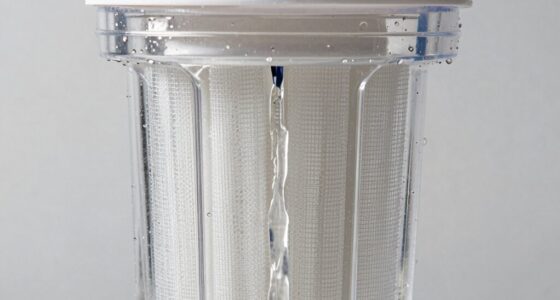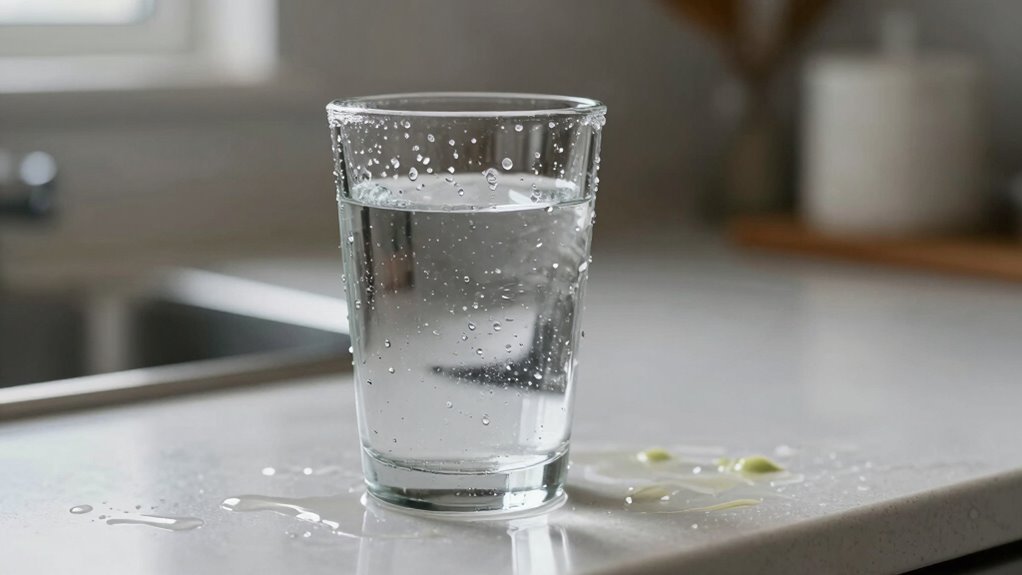

Cold water can become gross quickly because bacteria and mineral deposits can build up even at low temperatures if you don’t clean regularly. Stagnant water in pitchers, filters, or pipes creates a perfect environment for bacteria to grow, causing odors and health risks. Mineral deposits like calcium and magnesium also accumulate, making surfaces slimy or crusty and reducing appliance efficiency. Keep your cold water fresh and safe by maintaining it properly—you’ll find out more about how to do that as you go on.
Key Takeaways
- Bacteria can thrive in stagnant cold water, especially if contaminated with organic matter or left uncleaned.
- Mineral deposits like calcium and magnesium can accumulate in cold water systems, encouraging bacterial growth and creating slimy films.
- Lack of regular cleaning and maintenance allows bacteria and mineral buildup to develop quickly in cold water fixtures and appliances.
- Cold water environments can hide contaminants, making routine cleaning essential to prevent health risks.
- Flushing and periodic cleaning of cold water systems help reduce bacterial proliferation and mineral deposit accumulation.
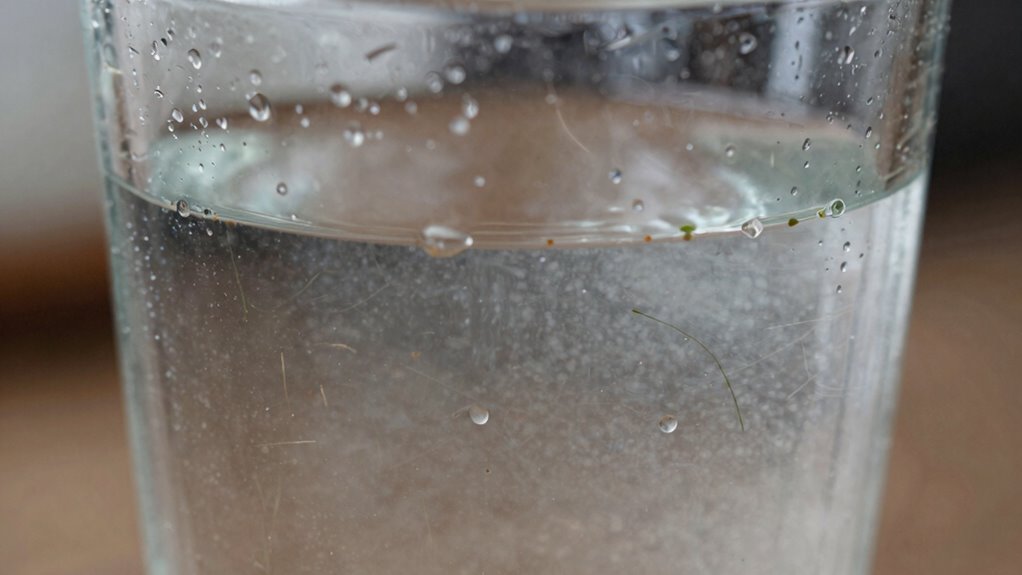
Even though cold water often feels more invigorating and less likely to harbor bacteria, it can still get gross pretty fast if you’re not careful. The misconception that cold water stays cleaner longer can lead you to neglect regular cleaning, but bacteria don’t discriminate based on temperature alone. While warm water might promote bacterial growth more quickly, cold water isn’t immune. Bacteria can still develop, especially if the water sits stagnant or if there’s organic matter present. Over time, this leads to bacterial buildup, which can cause unpleasant odors or even health risks if ingested or used for cleaning. Mineral deposits also pose a problem, as cold water can accumulate minerals like calcium and magnesium on surfaces, pipes, or inside appliances like water dispensers and ice machines. This accumulation creates a slimy or crusty film that’s not only unsightly but also a breeding ground for bacteria. Mineral deposits can also restrict water flow, making appliances less efficient and increasing the chance for stagnant water to sit in pipes, further promoting bacterial growth. Your daily routine often overlooks the importance of cleaning cold water fixtures and appliances. For example, if you leave water in a pitcher or a tank without regular rinsing, bacteria can thrive in the stagnant environment. The same goes for water filters and ice makers—if they aren’t cleaned periodically, mineral deposits and bacteria can accumulate, turning what seems like a clean source into a potential health hazard. Cold water pipes and fixtures are just as prone to these issues as warm water systems, yet people tend to pay less attention to them. To keep cold water safe and clean, you need to stay proactive. Regularly clean your water containers, filters, and appliances to prevent mineral buildup. Using vinegar or specialized descaling products can help dissolve mineral deposits and prevent them from accumulating. Also, flushing out stagnant water from unused fixtures or containers is essential for preventing bacterial growth, especially because cold water can sometimes conceal hidden contaminants. Implementing routine maintenance practices, like inspecting and replacing filters, can significantly reduce health risks. Additionally, understanding the risk factors associated with cold water storage can help you better maintain its safety. Maintaining proper water quality involves more than just temperature control; it requires consistent upkeep. Even if the water is cold, it’s worth periodically running hot water through your system to clear out any potential bacterial hotspots or mineral deposits that may have formed over time. In essence, cold water isn’t invincible against germs and grime. Bacterial growth and mineral buildup can happen faster than you think if you neglect routine maintenance. Staying vigilant keeps your water fresh, safe, and free from those nasty surprises that can make even the coldest water seem gross.
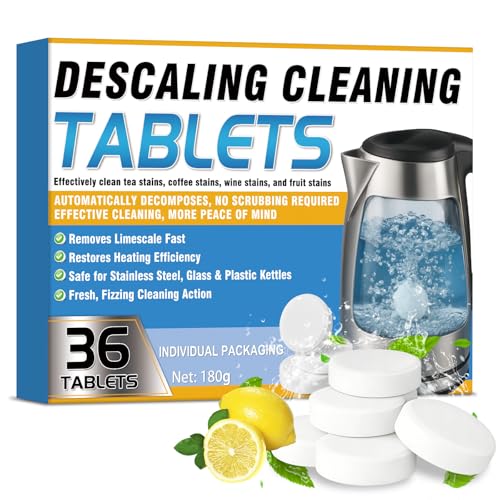
Kettle Descaler Tablet 36 Packs, Kettles Cleaner & Descaling Tablets, Powerful Citric Acid for Cleaning, Limescale Remover Hard Water for Coffee Maker, Portable Distiller, Kettle, Water Bottle
- Natural Citric Acid Formula: Deeply dissolves limescale and deposits
- Extends Appliance Lifespan: Reduces wear and maintains efficiency
- Versatile Cleaning Solution: Suitable for kettles, coffee makers, and more
As an affiliate, we earn on qualifying purchases.
As an affiliate, we earn on qualifying purchases.
Frequently Asked Questions
How Long Does Cold Water Typically Stay Fresh?
Cold water typically stays fresh for about 24 to 48 hours if stored properly. You need to watch out for water contamination, which can happen quickly if storage containers aren’t clean or sealed tightly. Use clean, airtight containers to keep your water fresh longer, and store it in a cool, dark place. Regularly rinse and refill your containers to prevent bacteria growth and make certain safe drinking water.
Can Bacteria Grow in Cold Water Without Warmth?
Yes, bacteria can survive and even grow in cold water without warmth. Cold storage slows bacterial survival, but it doesn’t stop it entirely. If the water’s contaminated or left out too long, bacteria can multiply, making it unsafe to drink. You should always keep water cold and covered, especially during hot weather, to minimize bacterial growth and keep it fresh longer.
Does Adding Minerals Prevent Water From Getting Gross?
Adding minerals to your water is like putting a tiny, glittering army of guardians in a murky swamp—sounds promising, but doesn’t truly prevent grossness. Mineral interactions can sometimes help with water clarity, but they’re not foolproof against bacteria or algae that love to party in your drink. So, don’t rely solely on minerals; regular cleaning and good hygiene are your best defenses against water turning into an uninvited microbial mess.
How Does Water Temperature Affect Bacterial Growth?
Water temperature markedly impacts bacterial growth, as warmer water accelerates bacterial adaptation and increases microbial diversity, leading to faster spoilage. Cooler water slows down these processes, but bacteria can still thrive if conditions are right. You should regularly clean your water containers, regardless of temperature, because bacteria adapt quickly and maintain diverse communities, making it essential to prevent microbial buildup and keep your water fresh.
Is Filtered or Tap Cold Water More Prone to Germs?
Tap water is generally safer than filtered water because it’s regulated and tested regularly for contaminants, including germs. Filtered water can still harbor germs if the filtration system isn’t maintained properly. So, when it comes to water filtration and tap water safety, tap water is less prone to germs if your municipal system is functioning well. Always clean your filters regularly to guarantee your filtered water stays safe and clean.
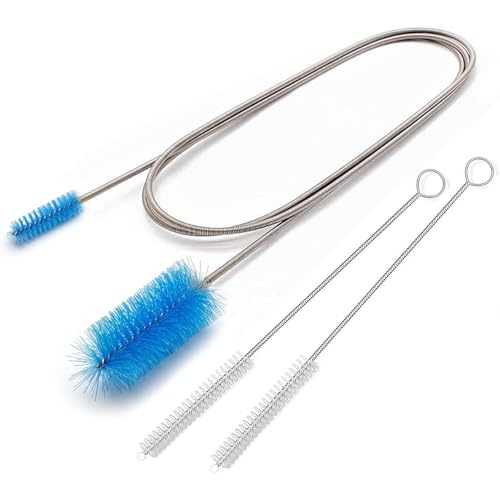
67" Flexible Drain Brush Set, Double Ended Long Hose Pipe Cleaner with 2 Pcs 8.2" Straw Cleaning Brushes, Nylon Tube Cleaner Tool for Refrigerator Defrost, Aquarium Filter, Sink Drain
- Length: 67-inch flexible drain brush
- Design: Double-ended for versatility
- Brush Heads: Two sizes for different tubes
As an affiliate, we earn on qualifying purchases.
As an affiliate, we earn on qualifying purchases.
Conclusion
Just remember, cold water can turn into a petri dish of germs faster than you can blink. It’s like a breeding ground for bacteria waiting to pounce the moment you turn that tap on. So, don’t let your water stay stagnant or go unnoticed—clean it regularly, and stay vigilant. Otherwise, you’re risking a gross invasion that’s worse than a thousand horror movies combined. Stay safe, stay clean, and never underestimate the power of cold water’s hidden mess.
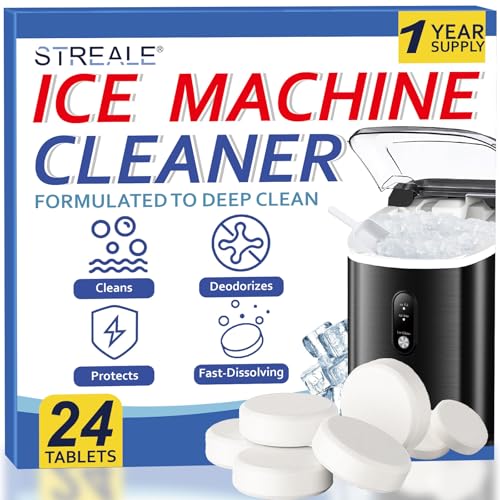
STREALE Ice Machine Cleaner Maker and Descaler – 24 Ice Maker Cleaner Tablets Compatible with All Major Brands, Nickel Safe Descaler Countertop Portable Commercial Icemaker Cleaning Solution
- Universal Compatibility: Works with all ice maker types and brands
- Nickel-Safe Formula: Made from food-grade citric acid, safe for metals
- Effective Descaling: Targets hard water, calcium, and limescale buildup
As an affiliate, we earn on qualifying purchases.
As an affiliate, we earn on qualifying purchases.

Bioclean Hard Water Stain Remover, 20.3oz
- Product Type: Hard Water Stain Remover
- Size: 20.3oz
- Application: Aerosol Spray
As an affiliate, we earn on qualifying purchases.
As an affiliate, we earn on qualifying purchases.