
Your cold plunge’s pH can drift over time even without actions because organic matter, bacteria, and minerals naturally change the water chemistry. External factors like air exposure and temperature fluctuations also influence pH levels by causing gas exchange and chemical reactions. Without regular maintenance or adjustments, these processes continue, slowly shifting the pH. To keep your water balanced and safe, understanding these causes helps you prevent pH drift—if you’re ready to learn more, keep exploring.

Get home appliances delivered free with Prime
- Fast, free delivery on millions of items
- Prime Video, Amazon Music and more included
- Member-only deals all year
Key Takeaways
- Organic matter and bacteria produce acids during microbial activity, lowering pH over time even without chemical intervention.
- Gas exchange with the environment, especially CO₂ absorption, forms carbonic acid, causing pH drift.
- Temperature fluctuations accelerate chemical reactions, mineral dissolution, and organic breakdown, impacting pH stability.
- External exposure to air and environmental factors increase gas exchange, leading to pH changes without added chemicals.
- Natural mineral content and water source composition influence initial pH and ongoing drift, even with no maintenance.
As an affiliate, we earn on qualifying purchases.
Why pH Stability Matters in Your Cold Plunge Water

Maintaining a stable pH level in your cold plunge water is essential for ensuring a safe and enjoyable experience. Proper pH buffering helps prevent sudden shifts that can irritate your skin and eyes or damage your equipment. When the pH stays balanced, the mineral balance in the water remains steady, reducing the risk of corrosion or mineral buildup. Stable pH levels also support effective sanitation, making it easier to keep your water clean without excess chemicals. If the pH drifts, it can lead to cloudy water and unpleasant odors, disrupting your plunge routine. Regularly monitoring and adjusting the pH helps you maintain *ideal* mineral balance, ensuring your cold plunge remains inviting and safe for every use. Additionally, understanding pH stability can help you anticipate and prevent issues before they arise, especially since buffer capacity plays a critical role in maintaining consistent pH levels over time.
As an affiliate, we earn on qualifying purchases.
What Causes pH Levels to Change Over Time
Your cold plunge water’s pH can change over time due to shifts in water chemistry, like the buildup of minerals or organic matter. Contaminants from debris or body oils also influence pH levels as they accumulate. Additionally, temperature fluctuations can affect chemical reactions, further impacting the water’s pH stability. Regular testing and appropriate water treatment can help stabilize pH and prevent undesirable changes. Being aware of chemical interactions within the water can also aid in predicting and managing pH fluctuations effectively. Moreover, natural processes such as free floating particles can alter the water’s balance over time, emphasizing the importance of understanding water chemistry for proper maintenance.
Water Chemistry Changes
Water chemistry in cold plunge pools can shift over time due to several factors. Changes in pH buffering capacity and mineral content play significant roles. As minerals dissolve or settle, they alter the water’s chemical balance, causing pH levels to drift. Additionally, natural processes like evaporation and temperature fluctuations impact water chemistry, making pH harder to stabilize. These shifts can lead to unpredictable pH levels, affecting water quality and comfort. Being aware of water chemistry changes and how they influence pH stability helps you maintain consistent levels, ensuring a safe and inviting cold plunge experience. Regular testing and understanding water chemistry principles are essential for effective management of pH levels over time. Recognizing how chemical interactions influence pH can also aid in preventing unwanted fluctuations.
Contaminant Accumulation
As minerals and organic matter build up in the pool over time, they introduce contaminants that can substantially shift pH levels. Mineral leaching occurs as these substances dissolve into the water, releasing metals and other compounds that alter acidity. Additionally, oxidation reactions happen when organic matter like leaves or skin debris reacts with oxygen, producing byproducts that impact pH. These processes increase the likelihood of pH drifting downward or upward, depending on the specific contaminants present. Over time, accumulating contaminants create an environment where pH levels become unstable, even if you do nothing. Regular maintenance, filtration, and water testing help minimize contaminant buildup, ensuring your cold plunge stays balanced and safe for use. Bioluminescent fungi research highlights how external factors can influence natural processes, similar to how contaminants affect water chemistry.
Temperature Fluctuations
Temperature fluctuations directly influence pH levels in cold plunges by affecting chemical reactions and water chemistry. As water temperature rises or drops, it alters pH buffering capacity and accelerates mineral leaching from the container and surrounding materials. These shifts can cause the pH to drift, making maintenance unpredictable. When water warms, increased mineral leaching introduces acids or bases, disrupting stability. Conversely, cooler temperatures slow reactions but can still cause pH to drift over time. You might notice sudden pH changes during temperature swings, leading to imbalance. Additionally, water chemistry is dynamic and sensitive to environmental changes, further contributing to pH instability. Changes in temperature can also influence the water’s mineral content, which plays a crucial role in pH stability. Feel the frustration of unpredictable water chemistry—witness minerals slowly leaching, altering your water’s balance—and struggle with maintaining consistent pH levels. External factors like water temperature variations can intensify these effects by accelerating chemical reactions, making it even more challenging to keep pH levels stable. Variations in temperature can also impact the chemical equilibrium, causing your pH to shift unexpectedly and complicate your maintenance efforts. Recognizing these influences helps in understanding pH drift and managing your cold plunge more effectively. Experience the impact of temperature swings on your plunge’s water quality.
As an affiliate, we earn on qualifying purchases.
How Temperature and Air Exposure Affect pH Drift
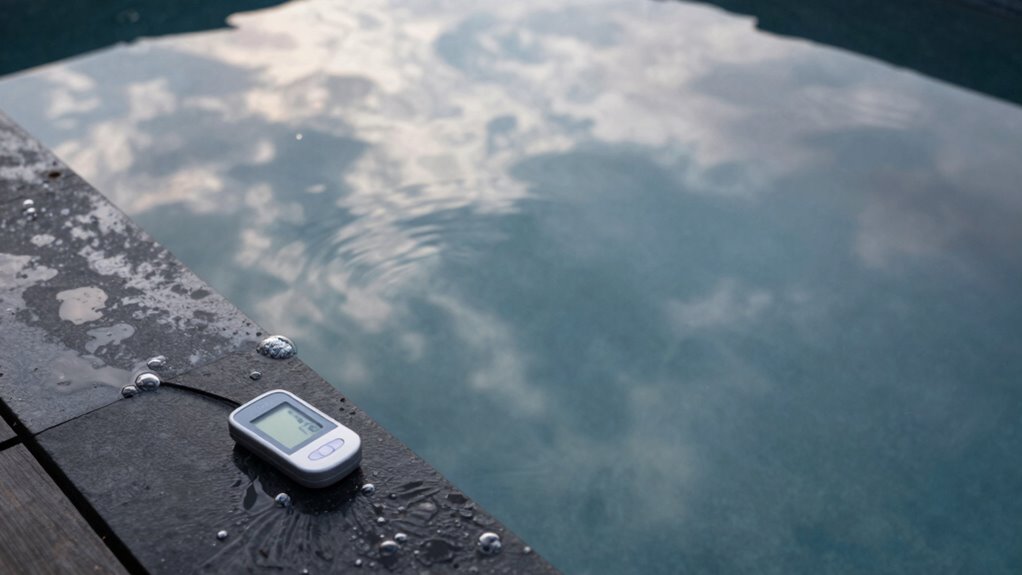
Temperature fluctuations can cause pH levels to shift quickly, so keeping your water at a consistent cold temperature is key. Air exposure introduces gases that can alter pH, especially when the water is left uncovered. By controlling both temperature and air contact, you can maintain a more stable pH for your cold plunge. Incorporating connected equipment that monitors water quality can further help in maintaining optimal pH levels over time. Additionally, understanding the chemical interactions between water and environmental factors enables more effective management of pH stability. For instance, water temperature influences the rate of chemical reactions, making temperature regulation critical in preventing pH drift. Proper insulation and air-tight covers can also minimize the impact of environmental changes on your water’s pH.
Temperature’s Impact on pH
When cold water is exposed to air, its pH can drift considerably due to temperature fluctuations. These changes impact pH measurement accuracy, making it harder to maintain consistent conditions for your cold plunge. As temperature drops or rises, chemical buffers in the water react differently, altering pH levels unexpectedly. Additionally, air exposure can introduce dissolved gases that further influence pH levels. Be aware of how temperature shifts can unsettle your carefully balanced water chemistry. Recognize the importance of temperature stability to keep your pH consistent. Fluctuations in temperature can also accelerate gas exchange, leading to further pH instability. Understanding pH stability and how it is affected by environmental factors can help you better control your cold plunge conditions. Feel the frustration when your pH readings don’t match expectations. Understand how temperature directly influences pH stability.
Air Exposure Effects
Air exposure accelerates pH drift in cold water by allowing gases like carbon dioxide to dissolve or escape, which fundamentally alters the water’s acidity. When water is exposed to air, chemical reactions occur as CO₂ interacts with water, forming carbonic acid that lowers pH. Conversely, if CO₂ escapes, pH can rise. These processes are influenced by water purity; impurities or minerals can speed up or slow these reactions. Increased air contact enhances these effects, making pH more unstable over time. Maintaining minimal air exposure helps preserve stable pH levels, especially in cold plunges where chemical reactions happen slowly but steadily. In essence, air exposure is a key factor in pH drift, driven by gas exchange and water chemistry.
cold plunge water balancing chemicals
As an affiliate, we earn on qualifying purchases.
As an affiliate, we earn on qualifying purchases.
The Role of Organic Matter and Bacteria in Changing pH
Organic matter and bacteria play a crucial role in altering the pH of cold plunge water. When organic buildup occurs, it provides nutrients that fuel microbial activity, leading to changes in water chemistry. As bacteria break down organic material, they produce acids that can lower the pH, making the water more acidic over time. This process is natural but often overlooked, yet it can substantially impact water quality. You might notice the pH drifting even if you do nothing, simply because of ongoing microbial activity and organic accumulation. Staying aware of these factors helps you understand why pH shifts happen, even without adding chemicals.
- Feel the frustration when water chemistry becomes unpredictable
- Witness how organic buildup accelerates pH drift
- Recognize the hidden power of bacteria in your water
- Experience the importance of maintenance routines
How Dissolution and Gas Exchange Influence Cold Water pH

Dissolution and gas exchange are key processes that directly affect the pH levels in your cold plunge water. When gases like carbon dioxide dissolve into the water, they trigger chemical reactions that create carbonic acid, lowering pH. Conversely, when gases escape, such as during agitation or temperature changes, the pH can rise. Mineral deposits also influence this balance; as minerals dissolve, they can alter the water’s buffering capacity and pH stability. Gas exchange constantly shifts the equilibrium between dissolved gases and the water, impacting acidity levels. These processes aren’t static—they’re ongoing and can cause your water’s pH to drift even if you do nothing, simply due to natural chemical reactions and mineral interactions happening beneath the surface.
The Impact of Water Source and Initial pH on Long-Term Stability
The water source you choose plays a crucial role in determining your cold plunge’s long-term pH stability. Your initial pH can set the stage for how much it drifts over time. If your water starts with a high or low initial pH, it may become unstable faster, requiring more adjustments. The mineral content, dissolved gases, and contaminants in your water source influence this process. Be aware that untreated tap water, well water, or spring water each have unique characteristics affecting pH stability.
- Feel confident knowing your water source impacts your plunge’s consistency
- Avoid surprises by understanding your water’s composition from the start
- Save time and effort in balancing pH later
- Ensure a more stable, enjoyable plunge experience over the long haul
Tips to Keep Your Cold Plunge’s pH Balanced Without Chemicals

Maintaining stable pH levels without relying on chemicals is possible by using natural methods that work with your water’s existing properties. Regularly aerate your cold plunge by stirring or using an aeration device; this encourages natural pH balancing through oxygen exchange. Adding natural mineral blends, like coral calcium or magnesium, can also help stabilize pH without harsh chemicals. Keep organic debris out of the water, as decomposing matter can cause pH fluctuations. You might also consider using natural pH buffers, such as baking soda or washing soda, in small amounts to adjust pH gently. These chemical alternatives support pH stability without introducing synthetic additives, allowing your cold plunge to remain balanced and safe for use. Consistent maintenance and natural solutions are key to effective pH balancing.
How to Test and Adjust Your Cold Plunge’s pH Effectively
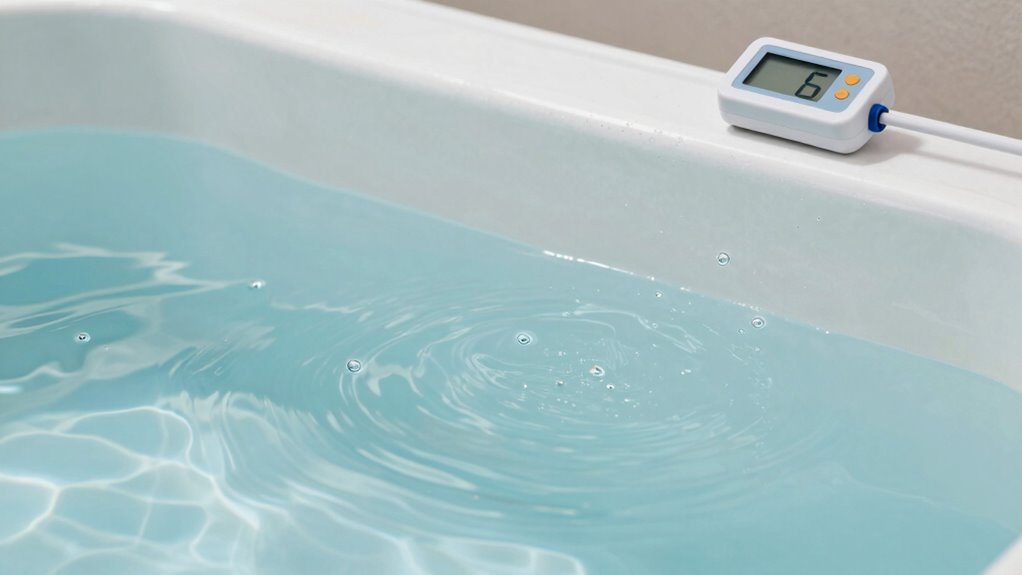
To guarantee your cold plunge stays safe and comfortable, you need to test and adjust its pH regularly. Start with reliable pH testing methods like test strips or digital meters to get accurate readings. If your pH drifts out of the ideal range, consider natural pH adjustment options such as adding mineral or pH balancing agents derived from natural sources. Regular testing helps you catch issues early, preventing damage and discomfort. Remember, consistent monitoring fosters peace of mind and ensures a revitalizing, safe plunge every time.
- Feel confident knowing your water is perfectly balanced.
- Experience the satisfaction of maintaining a healthy environment.
- Protect your equipment by preventing pH-related damage.
- Enjoy peace of mind with easy, natural pH adjustments.
Frequently Asked Questions
How Often Should I Test My Cold Plunge’s pH Levels?
You should test your cold plunge’s pH levels at least once a week to monitor for water testing and pH fluctuation. Regular testing helps you catch any imbalances early, ensuring safe and comfortable dips. If you notice significant pH changes, adjust the chemicals accordingly. Consistent testing keeps your water balanced, preventing issues like corrosion or bacterial growth, so you can enjoy your cold plunge without worries.
Can Natural Remedies Help Stabilize pH in Cold Water?
Natural remedies can help stabilize pH in your cold water, but they’re not a guaranteed solution. Items like baking soda or natural pH buffers may assist with chemical balancing, making it easier to maintain consistent levels. However, you should regularly test your water and adjust as needed. Relying solely on natural remedies might not fully prevent pH drift, so combining them with proper testing and maintenance is your best bet for stable water.
Does Water Hardness Affect pH Stability in Cold Plunges?
Yes, water hardness affects pH stability in cold plunges. Higher mineralization provides natural pH buffering, which helps resist pH fluctuations. When your water has more minerals like calcium and magnesium, it stabilizes the pH better, preventing drift over time. Conversely, softer water with fewer minerals offers less buffering, making pH more prone to change even if you do nothing. So, mineral content plays an essential role in maintaining consistent pH levels.
Are There Specific Times of Day When pH Drifts More?
You’ll notice pH drifts more in the late afternoon, due to diurnal fluctuations and temperature variations. For example, a pool owner observed pH levels dip during the hottest part of the day, then stabilize overnight. These natural changes happen because warmer temperatures increase chemical activity, causing pH to shift. To maintain balance, test your water regularly, especially during peak sunlight hours, and adjust chemicals accordingly.
How Do Different Water Sources Impact pH Changes?
Different water sources impact pH changes due to their mineral content and source variability. If you use tap, well, or spring water, each has unique minerals that can cause the pH to drift over time. Tap water might contain chlorine or other chemicals influencing pH, while natural sources vary in mineral levels, making the pH fluctuate even if you don’t do anything. Always test your water regularly to maintain ideal conditions.
Conclusion
You might think your cold plunge stays stable on its own, but nature proves otherwise. Even without added chemicals, pH drifts due to factors like temperature changes, organic buildup, and gas exchange. Regular testing and mindful adjustments can keep your water balanced. Remarkably, some believe that minimal movement or aeration can help stabilize pH naturally, suggesting that passive methods might be more effective than you think. Keep an eye on your water—nature’s processes are always at work.
Halloween Picks
halloween
As an affiliate, we earn on qualifying purchases.